The Difference Between Piano Playing and Keyboard Playing
Many people use the terms piano and keyboard interchangeably, but there is a significant difference between piano playing and keyboard playing. While both instruments share similar layouts and musical concepts, they serve different purposes and often require different approaches to learning and performance.
Some students dream of performing classical masterpieces on a grand piano, while others want to play contemporary songs, accompany singers, or create music using electronic sounds and technology. Understanding the difference between piano playing and keyboard playing can help students choose the learning path that best matches their musical goals.
At The Mystic Keys, students have the opportunity to learn both piano and keyboard techniques under expert guidance. In this blog, we explore the key differences between these two popular instruments.
Understanding the Difference Between Piano Playing and Keyboard Playing
Although pianos and keyboards look similar, they are designed for different musical experiences.
Major differences include:
Sound production
Key action
Playing techniques
Musical applications
Performance styles
Understanding these distinctions helps students make informed learning decisions.
Sound Production: A Major Difference Between Piano Playing and Keyboard Playing
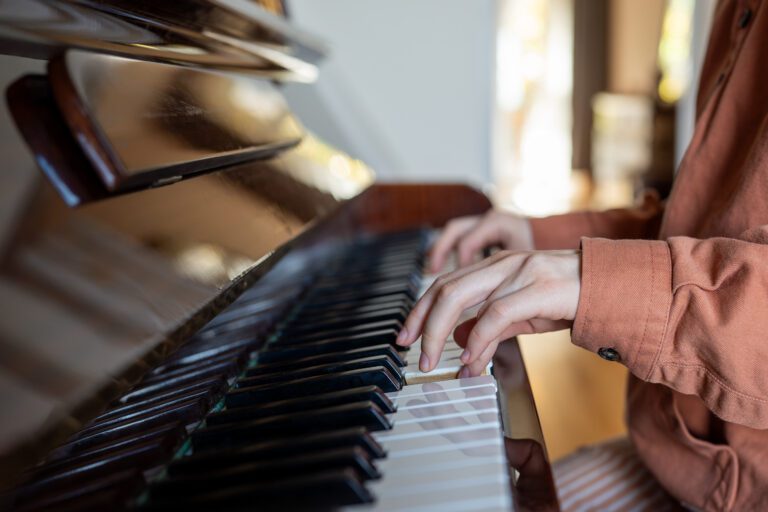
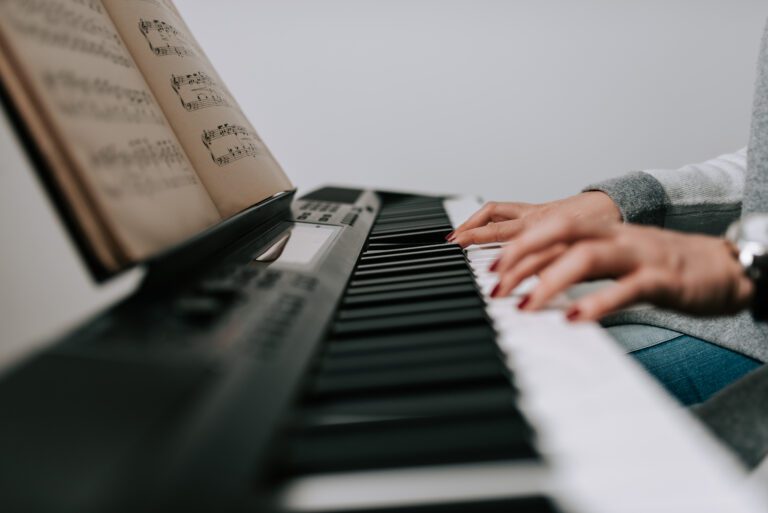
A traditional piano produces sound through:
Hammers striking strings
Natural acoustic resonance
Mechanical action
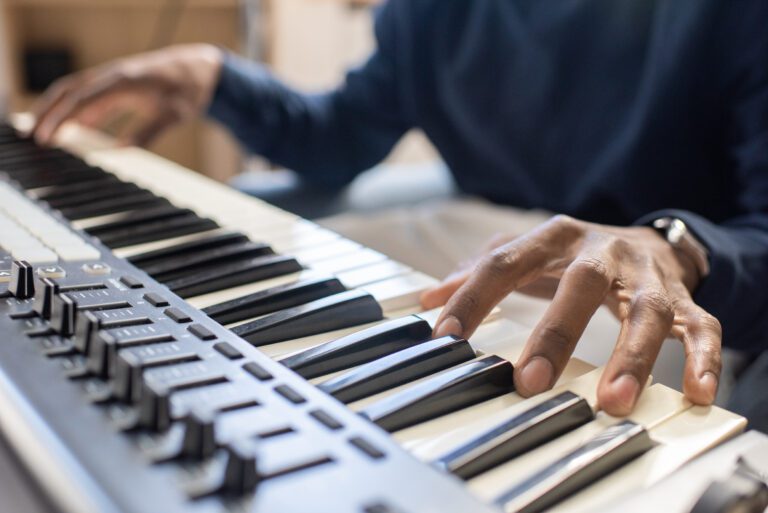
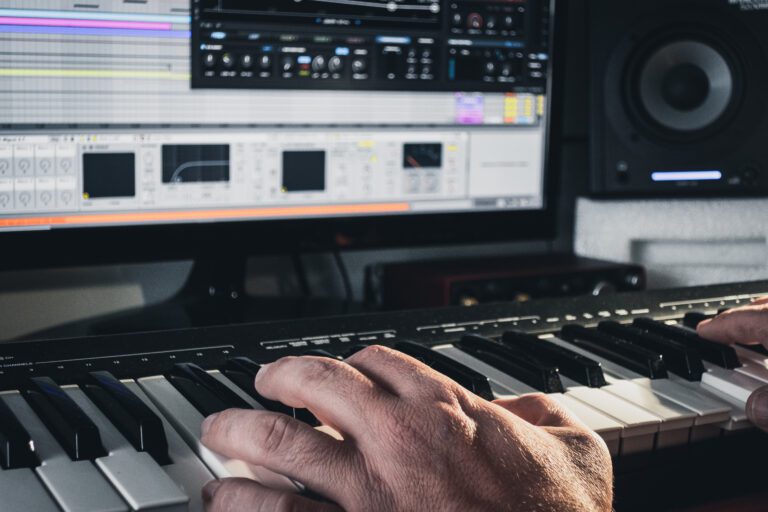
A keyboard produces sound electronically through:
Digital samples
Synthesized sounds
Built-in speakers or amplification
This creates very different listening experiences.
Key Action and Touch Sensitivity
One of the biggest differences between the two instruments is key action.
Pianos feature:
Weighted keys
Greater resistance
Dynamic touch response
Many keyboards offer:
Lightweight keys
Semi-weighted options
Faster key movement
This affects playing technique and finger development.
Why Technique Differs Between Piano Playing and Keyboard Playing
Piano technique focuses heavily on:
Finger strength
Hand positioning
Dynamic control
Touch sensitivity
Keyboard technique often emphasizes:
Speed
Sound selection
Electronic controls
Versatility
Both require skill, but the priorities differ.
Musical Styles in Piano Playing
Pianos are commonly associated with:
Classical music
Jazz
Film scores
Solo performances
The instrument is valued for its expressive and dynamic capabilities.
Musical Styles in Keyboard Playing
Keyboards are frequently used in:
Pop music
Worship music
Rock bands
Electronic music
Music production
Their versatility makes them popular across modern genres.
The Difference Between Piano Playing and Keyboard Playing in Performance
Performance settings often influence instrument choice.
Pianos are commonly found in:
Concert halls
Music schools
Classical recitals
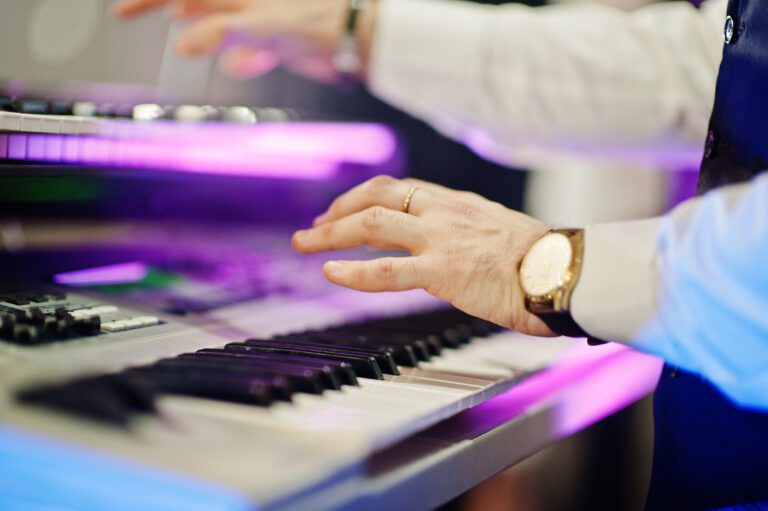
Keyboards are often used in:
Live bands
Churches
Recording studios
Stage performances
Portability gives keyboards a significant advantage in many situations.
Learning Goals Matter
Students should consider their musical objectives.
Traditional pianos focus entirely on acoustic performance.
Portability and Convenience
One practical advantage of keyboards is portability.
Keyboards are:
Lightweight
Easy to transport
Suitable for smaller spaces
Pianos require:
Permanent placement
More space
Professional moving services
This makes keyboards attractive for many learners.
How Piano Training Benefits Keyboard Players
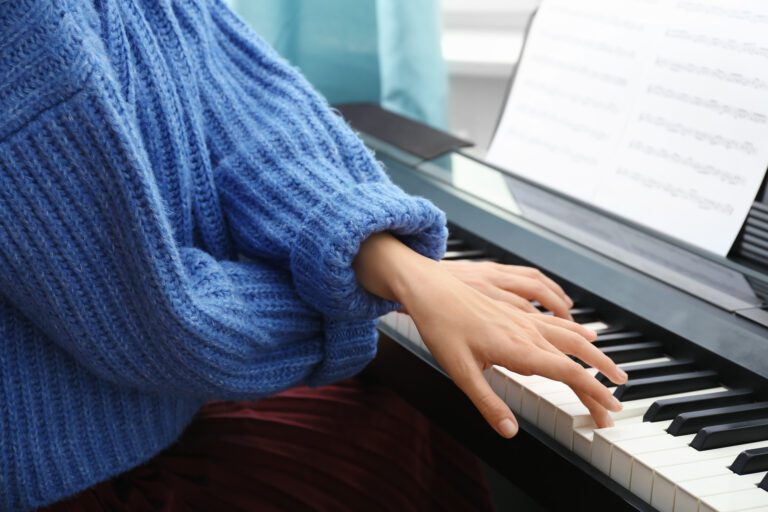
Many professional keyboardists begin with piano training.
Piano lessons help develop:
Finger strength
Hand coordination
Music theory understanding
Reading skills
These foundations transfer effectively to keyboard performance.
Career Opportunities for Piano and Keyboard Players
Both instruments offer exciting opportunities.
Piano players may pursue:
Classical performance
Teaching
Accompaniment
Solo performance
Keyboard players may work in:
Bands
Worship teams
Recording studios
Music production
Both paths offer rewarding musical experiences.
The Difference Between Piano Playing and Keyboard Playing for Beginners
For beginners, the choice depends largely on interests.
Students interested in:
Classical music often prefer piano.
Contemporary music often enjoy keyboard.
However, learning either instrument provides valuable musical skills.
Which Instrument Is Right for You?
Ask yourself:
What type of music do I enjoy?
Do I want acoustic or digital sounds?
Will I perform live?
Do I need portability?
The answers can help guide your decision.
How Structured Lessons Help Students Succeed
Whether learning piano or keyboard, structured instruction accelerates progress.
Students benefit from:
Proper technique
Personalized feedback
Goal-based learning
Consistent skill development
At The Mystic Keys, students receive expert guidance tailored to their musical interests and aspirations.
Conclusion
Understanding the difference between piano playing and keyboard playing helps students choose the instrument and learning path that best matches their goals. While the piano offers rich acoustic expression and strong technical development, the keyboard provides versatility, portability, and access to modern music technology.
Neither option is better than the other—each serves different musical purposes. The most important factor is choosing the instrument that inspires you to learn, practice, and grow as a musician.
If you are ready to begin your musical journey, explore Piano Lessons Online or Keyboard Lessons Online with The Mystic Keys and discover the path that best suits your musical ambitions.
For more information and exciting resources about learning music, visit our website at The Mystic Keys. For more music content and exciting offers follow us on