Breathing is the foundation of every great Hindustani vocal performance. Mastering Breathing Techniques for Hindustani Vocalists can help singers improve breath control, sustain notes longer, maintain pitch accuracy, and deliver more expressive performances. Whether you are learning khayal, bhajan, thumri, or semi-classical music, proper breathing plays a crucial role in developing a strong and confident voice.
Many aspiring singers spend countless hours practicing ragas and alankars but often overlook the importance of breathing. However, effective Breathing Techniques for Hindustani Vocalists can significantly enhance vocal stamina, tone quality, and overall singing ability. By learning how to manage breath efficiently, singers can perform complex musical phrases with greater ease and precision.
In this guide, we will explore some of the most effective Breathing Techniques for Hindustani Vocalists and explain how incorporating them into your daily practice routine can elevate your singing skills and musical expression.
1. Why Diaphragmatic Breathing Is Essential in Breathing Techniques for Hindustani Vocalists
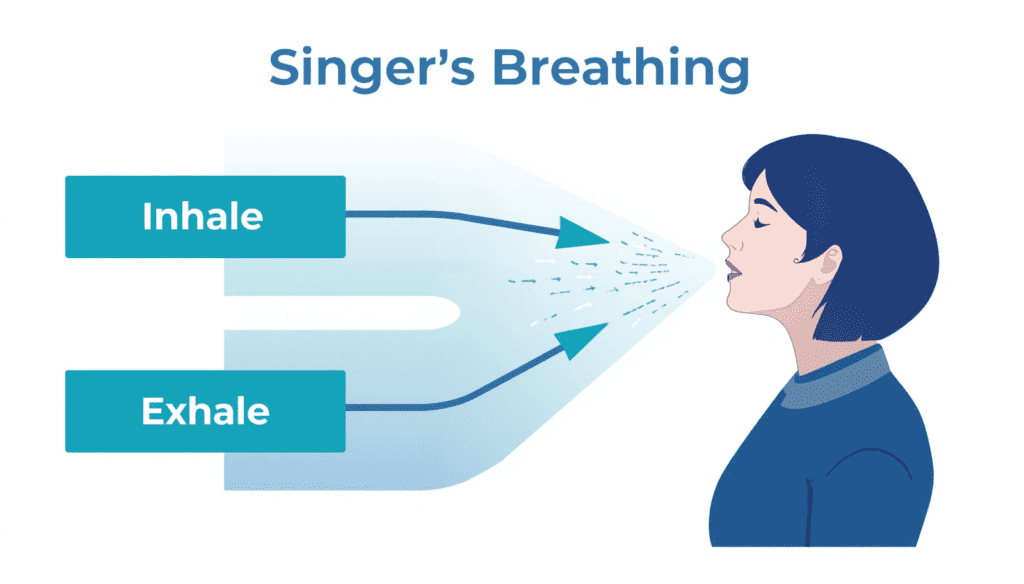
One of the most effective breathing techniques for Hindustani vocalists is diaphragmatic breathing, also known as belly breathing.
Instead of raising your shoulders while inhaling, focus on expanding your abdomen. This allows your lungs to fill more completely and provides better breath support for singing.
How to Practice:
Sit comfortably with a straight spine.
Place one hand on your stomach.
Inhale slowly through your nose.
Feel your stomach expand outward.
Exhale gradually while keeping your shoulders relaxed.
This exercise strengthens breath management and prepares singers for longer musical phrases.
3. Coordinate Breathing with Musical Phrases
Breathing at the right moments is a critical skill for Hindustani vocalists. Poorly timed breaths can interrupt the flow and emotional impact of a performance.
When learning a composition, identify natural pauses where breathing can occur without disrupting the melody.
Tips:
Mark breathing points in your notation.
Avoid taking shallow breaths between every phrase.
Plan your breathing before beginning longer passages.
Practice difficult sections repeatedly until breathing feels natural.
Effective phrase breathing creates smoother and more expressive performances.
4. Practicing Pranayama as One of the Best Breathing Techniques for Hindustani Vocalists
Pranayama exercises from the yogic tradition can greatly benefit Hindustani singers by improving lung function, focus, and breath awareness.
Several breathing exercises are commonly recommended for vocalists.
Helpful Practices:
Anulom Vilom (Alternate Nostril Breathing)
Deep Abdominal Breathing
Bhramari Pranayama
Controlled Slow Breathing Exercises
Practicing these techniques regularly can enhance breath capacity and help singers maintain calmness during performances.
Always learn advanced pranayama practices under qualified guidance if you are unfamiliar with them.
5. Improve Breath Efficiency During Alankars and Taans
Alankars and taans require precise breath management because they involve rapid note transitions and dynamic vocal movement.
Many singers waste breath by using excessive airflow while singing fast passages.
How to Improve:
Sing alankars slowly before increasing speed.
Maintain a steady airflow throughout the exercise.
Avoid pushing excessive air through the vocal cords.
Focus on clarity rather than volume.
As breath efficiency improves, singers can perform longer and more complex taans with greater ease.
6. Build a Daily Breathing Practice Routine
Consistent practice is the key to mastering breathing techniques for Hindustani vocalists. Even a short daily routine can produce noticeable improvements over time.
Sample Routine:
5 minutes of diaphragmatic breathing
5 minutes of sustained swara practice
5 minutes of pranayama exercises
10 minutes of alankars with breath awareness
10 minutes of raga practice focusing on phrase control
Following a structured routine helps develop stronger breath support and better vocal consistency.
Conclusion
Mastering breathing techniques for Hindustani vocalists is essential for achieving better voice control, improved stamina, and more expressive singing. By practicing diaphragmatic breathing, strengthening breath control through sustained notes, coordinating breaths with musical phrases, incorporating pranayama, and maintaining a regular practice routine, singers can significantly elevate their performance quality.
At Mystic Keys, we encourage students to focus on strong vocal foundations alongside musical training. Whether you are attending traditional classes or taking Hindustani Vocal Lessons Online, developing proper breathing habits can lead to greater confidence, richer tone, and long-term success in Hindustani vocal music. Consistent practice of these breathing techniques will help singers build the control and endurance needed to perform with clarity, expression, and confidence.
For more information and exciting resources about learning music, visit our website at The Mystic Keys. For more music content and exciting offers follow us on
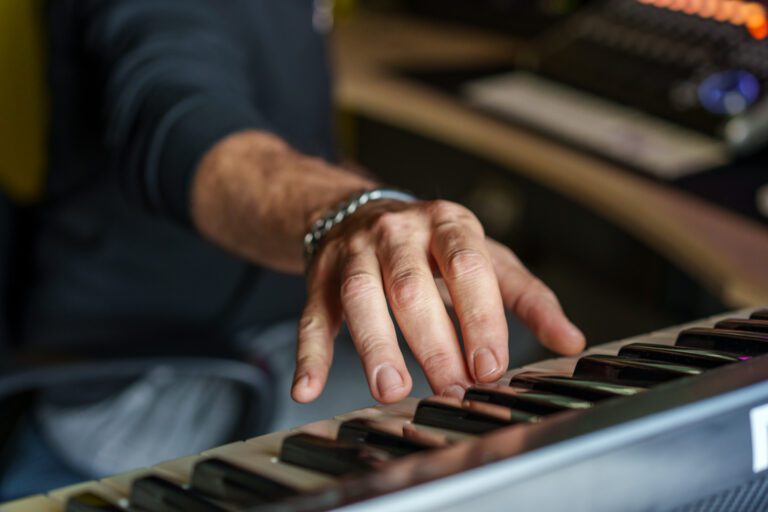
When audiences watch a live band perform, their attention is often drawn to the lead singer, guitarist, or drummer. While these musicians are highly visible, there is another performer whose contribution is often overlooked yet incredibly important. Understanding the hidden role of keyboard players in a bandreveals just how much they influence the overall sound, energy, and musical depth of a performance.
Keyboard players are among the most versatile musicians in any ensemble. They can provide harmony, rhythm, orchestral textures, bass support, and even lead melodies when needed. Their ability to fill musical gaps and connect different elements of a song makes them an essential part of a successful band.
At The Mystic Keys, students learn not only how to play the keyboard but also how to become effective ensemble musicians. In this blog, we explore the hidden role of keyboard players in a band and why their contribution is far more significant than many people realize.
Understanding the Hidden Role of Keyboard Players in a Band
Keyboard players often work behind the scenes musically.
Their responsibilities include:
Supporting harmony
Strengthening rhythm
Adding atmosphere
Filling musical space
Enhancing arrangements
Although they may not always be in the spotlight, they are crucial to the band’s overall sound.
Creating Harmonic Foundations
One of the most important responsibilities of a keyboard player is providing harmony.
Through chords and voicings, keyboardists help:
Support vocal melodies
Strengthen chord progressions
Create musical richness
Without harmony, songs can feel incomplete and less engaging.
The Hidden Role of Keyboard Players in a Band Through Layering
Keyboard players add layers that enrich a performance.
These layers may include:
Piano sounds
Strings
Pads
Organ textures
Synth sounds
These elements help create a fuller and more professional sound.
Supporting the Rhythm Section
Although drummers and bass players are often associated with rhythm, keyboardists contribute significantly as well.
They help by:
Reinforcing rhythmic patterns
Playing rhythmic chord stabs
Supporting groove and timing
Strong rhythmic keyboard playing helps the entire band stay connected.
Filling Musical Gaps
Every song contains moments where certain instruments pause or simplify their parts.
Keyboard players often fill these spaces by:
Sustaining chords
Adding texture
Providing subtle accompaniment
This keeps the music flowing smoothly.
Creating Atmosphere and Emotion
One reason the hidden role of keyboard players in a band is so important is their ability to shape emotion.
Keyboard sounds can create:
Warmth
Excitement
Tension
Peacefulness
Energy
The atmosphere of many songs depends heavily on keyboard contributions.
Supporting Lead Vocalists
Great keyboard players understand how to support singers.
They achieve this by:
Choosing appropriate sounds
Avoiding unnecessary clutter
Enhancing emotional moments
Their role is often to complement rather than compete with the vocals.
Adapting to Multiple Musical Styles
Keyboard players are among the most versatile musicians in a band.
They commonly perform in:
Pop bands
Worship teams
Rock groups
Jazz ensembles
Corporate bands
Their flexibility makes them valuable in almost any musical setting.
Why Keyboard Players Need Strong Listening Skills
Listening is one of the most important skills for ensemble playing.
Keyboardists must pay attention to:
Drums
Bass lines
Guitar parts
Vocal phrasing
Good listening helps them make effective musical decisions.
The Hidden Role of Keyboard Players in a Band During Live Performances
Live performances require quick thinking and adaptability.
Keyboard players often:
Change sounds instantly
Adjust volume levels
Respond to unexpected situations
Their ability to adapt keeps performances running smoothly.
Adding Orchestral and Cinematic Elements
Modern keyboards can recreate the sounds of entire orchestras.
This allows keyboard players to add:
Strings
Brass sections
Choirs
Ambient textures
These sounds dramatically enhance live performances.
Providing Musical Transitions
Transitions between sections can determine how professional a band sounds.
Keyboard players help connect:
Verses and choruses
Song endings
Setlist transitions
Their contributions make performances feel seamless.
Enhancing Worship and Contemporary Music
In worship music, keyboardists often play a central role.
They use:
Piano
Pads
Strings
Ambient sounds
These elements help create a supportive and immersive worship environment.
Why Musical Awareness Matters
The best keyboard players understand the entire arrangement, not just their own part.
Playing in a band requires more than technical ability.
Students must learn:
Listening skills
Timing
Sound selection
Musical awareness
At The Mystic Keys, students receive practical training that prepares them for real-world ensemble performance.
Long-Term Benefits of Understanding Band Roles
Keyboard players who understand their role develop:
Better musical judgment
Stronger collaboration skills
Increased performance confidence
Greater versatility
These qualities help them become valuable members of any musical group.
Conclusion
The hidden role of keyboard players in a band is far more significant than many people realize. From providing harmony and rhythm to creating atmosphere and supporting transitions, keyboardists help shape the overall musical experience. Their versatility allows them to strengthen every aspect of a performance while helping other musicians shine.
At The Mystic Keys, students learn how to become complete keyboard players who understand both technical skills and ensemble performance. By developing musical awareness, listening skills, and adaptability, keyboardists can become the foundation that holds a band together.
If you want to develop professional keyboard skills and learn how to perform confidently with other musicians, explore Keyboard Lessons Onlineand begin your journey toward becoming a versatile and impactful performer.
For more information and exciting resources about learning music, visit our website at The Mystic Keys. For more music content and exciting offers follow us on
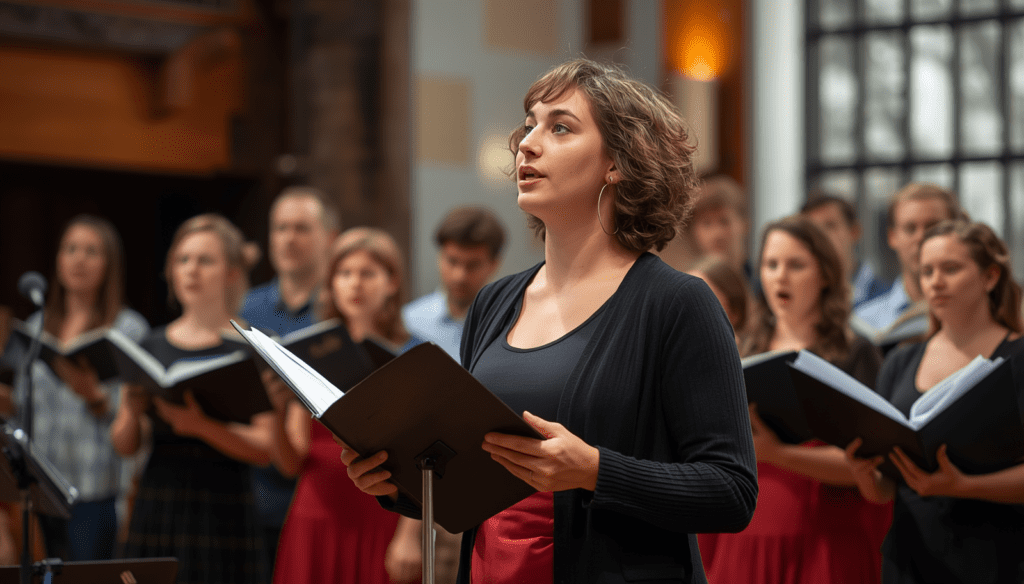
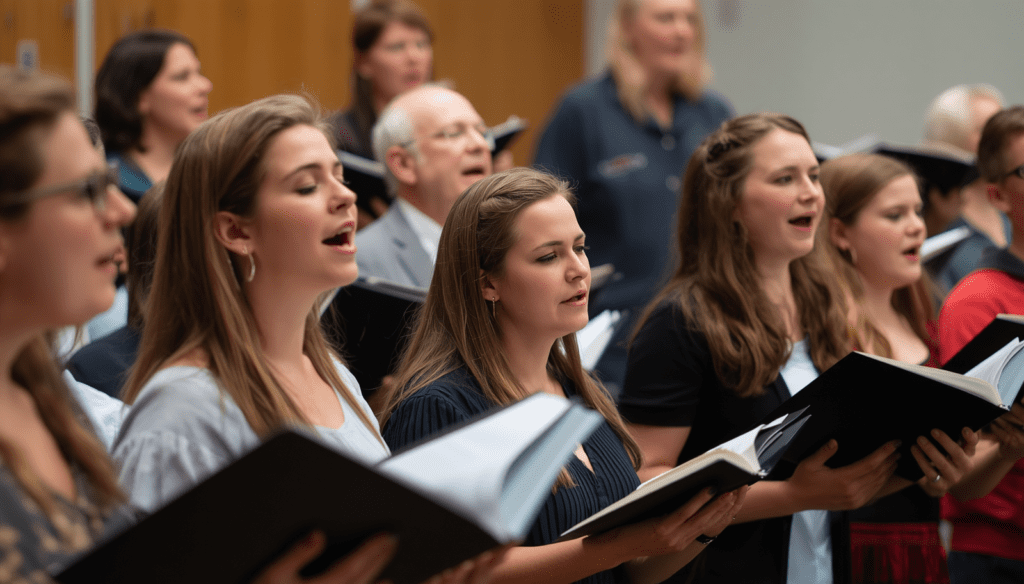
Singing in a choir is about more than knowing the right notes. One of the most important skills every choir singer can develop is proper breathing. Breathing Techniques for Stronger Choir Voices help singers improve tone, increase vocal strength, enhance control, and build confidence. Many beginners focus only on the words and melody, but experienced singers know that breath is the foundation of every great performance. Learning a few simple breathing techniques can make a significant difference in the quality of your singing.
Why Breathing Matters in Choir Singing
Your voice is powered by air. When you breathe correctly, you provide steady support for your vocal cords, allowing them to produce a clear and consistent sound.
Proper breathing helps you:
Sing longer phrases without running out of breath
Improve vocal strength and projection
Maintain better pitch and tone
Reduce vocal strain and fatigue
Blend more effectively with other choir members
Without proper breath support, even talented singers can struggle with weak or shaky voices.
1. Breathing Techniques: Breathe From Your Diaphragm
One of the most important breathing techniques for singers is diaphragmatic breathing, often called belly breathing.
Instead of lifting your shoulders when you inhale, allow your stomach and lower ribs to expand outward. This gives your lungs more room to fill with air.
How to Practice
Place one hand on your chest and the other on your stomach.
Practice for a few minutes each day until it becomes natural.
2. Breathing Techniques: Take Silent Breaths
In a choir, loud gasping breaths can distract both the audience and other singers.
Train yourself to take quick, quiet breaths through your mouth when preparing to sing. Silent breathing helps maintain a smooth and professional performance.
Practice Tip
Imagine breathing in as if you are surprised but trying not to make any sound.
3. Breathing Techniques: Control Your Airflow
Strong singing does not mean using all your air at once. Good singers learn to release air slowly and steadily.
If you let air escape too quickly, your voice may sound weak before the end of a phrase.
Try to maintain the sound evenly for 15–20 seconds.
Gradually increase the duration as your control improves.
This exercise helps build breath support and endurance.
4. Plan Your Breathing Points
Before singing a song, identify places where you can comfortably take breaths.
Breathing in the wrong place can interrupt the meaning of lyrics and make phrases sound awkward.
Choir directors often mark breathing spots in sheet music to help the entire choir breathe together and maintain a unified sound.
5. Maintain Good Posture
Good breathing begins with good posture.
Standing correctly allows your lungs to expand fully and helps air flow freely.
Proper Singing Posture
Stand tall but relaxed
Keep your shoulders down
Lift your chest naturally
Keep your head level
Avoid slouching
Even the best breathing techniques become less effective when posture is poor.
6. Practice Breath Expansion Exercises
Regular breathing exercises strengthen the muscles used in singing.
Simple Exercise
Inhale slowly for four counts.
Hold the breath for four counts.
Exhale slowly for four counts.
Repeat several times.
As you improve, increase the counts to six or eight.
Common Breathing Mistakes to Avoid
Many beginner choir singers make similar mistakes:
Raising the shoulders when inhaling
Taking shallow breaths
Running out of air before finishing a phrase
Holding unnecessary tension in the neck or shoulders
Releasing air too quickly
Being aware of these habits is the first step toward correcting them.
Developing proper breathing techniques is one of the best ways to build a stronger choir voice. By learning to breathe from the diaphragm, controlling airflow, maintaining good posture, and practicing regularly, you can improve your vocal strength, tone, and confidence.
Remember, every great choir singer started as a beginner. Consistent practice of these breathing techniques will help you sing more comfortably and effectively, allowing your voice to contribute beautifully to the overall choir sound.
Ready to take your singing to the next level? Join our Worship Piano & Singing Lessons Online and receive professional training to strengthen your voice, improve your technique, and grow in your musical journey.
Intersted in learning music with us? Register now
For more information and exciting resources about learning music, visit our website at The Mystic Keys. For more music content and exciting offers follow us on
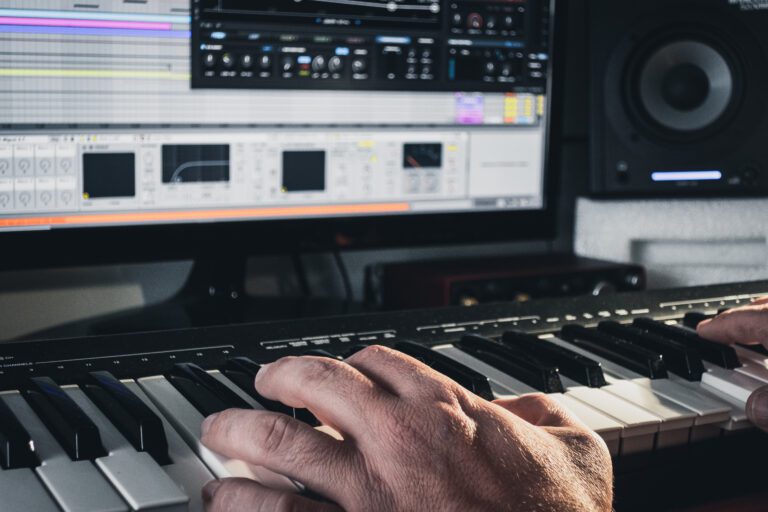
Why Timing and Patches Matter in Live Keyboard Performance
Many keyboard players spend countless hours practicing scales, chords, songs, and solos. While technical ability is important, successful stage performances require much more than playing the correct notes. One often-overlooked aspect of live performance is understanding why timing and patches matter in live keyboard performance.
In a live setting, musicians must coordinate with singers, drummers, guitarists, and other performers while ensuring that the right sounds are available at exactly the right moment. Even a skilled keyboard player can disrupt a performance if they lose timing or select the wrong patch during a song.
At The Mystic Keys, students are taught not only how to play keyboard but also how to perform confidently in real-world musical situations. In this blog, we explore why timing and patch management are essential skills for every live keyboard player.
Why Timing and Patches Matter in Live Keyboard Performance
Live performance demands precision and preparation.
Strong timing and effective patch management help musicians:
Perform confidently
Support the band effectively
Avoid mistakes
Create professional-sounding performances
These skills often determine the difference between a smooth performance and a stressful one.
Understanding Timing in Live Performance
Timing refers to playing notes accurately within the rhythm of the music.
Good timing helps players:
Stay synchronized with the band
Maintain groove and consistency
Support singers effectively
Without strong timing, even correct notes can sound out of place.
Why Timing and Patches Matter in Live Keyboard Performance for Bands
When performing with a group, every musician depends on one another.
Strong timing ensures:
Tight musical coordination
Smooth transitions
Better audience engagement
A keyboard player who maintains steady timing becomes a reliable part of the ensemble.
The Role of Patches in Keyboard Performance
A patch is a sound setting programmed into a keyboard.
Common patches include:
Piano
Electric piano
Strings
Organ
Synth pads
Brass sounds
Selecting the correct patch helps create the intended musical atmosphere.
Preparation and rehearsal help prevent these problems.
Why Timing and Patches Matter in Live Keyboard Performance for Worship Teams
Worship keyboardists often use multiple sounds during a single song.
These may include:
Piano
Pads
Strings
Ambient textures
Quick and accurate patch changes help support the worship atmosphere effectively.
Technology Makes Patch Management Easier
Modern keyboards offer powerful features such as:
Favorites banks
Registration memories
Setlist modes
Multi-layer patches
Learning these tools improves live performance efficiency.
Practicing Patch Changes at Home
Patch management should be practiced just like scales and songs.
Students should:
Rehearse complete performances
Practice sound changes
Simulate live conditions
This builds confidence and consistency.
The Importance of Musical Awareness
Live performance requires awareness beyond individual playing.
Keyboard players must monitor:
Tempo
Dynamics
Band interaction
Song structure
Musical awareness helps performers adapt in real time.
How Structured Training Improves Live Performance Skills
Many beginners focus only on learning songs.
Structured lessons teach students:
Timing accuracy
Patch organization
Performance preparation
Stage confidence
At The Mystic Keys, students develop practical performance skills that prepare them for real-world musical situations.
Long-Term Benefits of Mastering Timing and Patches
Students who master these skills often experience:
Better live performances
Increased confidence
Improved professionalism
Stronger teamwork with other musicians
These abilities become increasingly valuable as performance opportunities grow.
Conclusion
Understanding why timing and patches matter in live keyboard performance is essential for any musician who wants to perform confidently on stage. Great performances depend not only on playing the correct notes but also on maintaining accurate timing, selecting appropriate sounds, and adapting smoothly during live situations.
By developing strong rhythmic awareness, organizing patches effectively, and practicing complete performance routines, keyboard players can become reliable and professional musicians. At The Mystic Keys, students learn both technical and practical performance skills that help them succeed in live music environments.
If you want to improve your stage confidence and keyboard performance skills, explore Keyboard Lessons Online and learn how to perform with precision, creativity, and professionalism.
For more information and exciting resources about learning music, visit our website at The Mystic Keys. For more music content and exciting offers follow us on
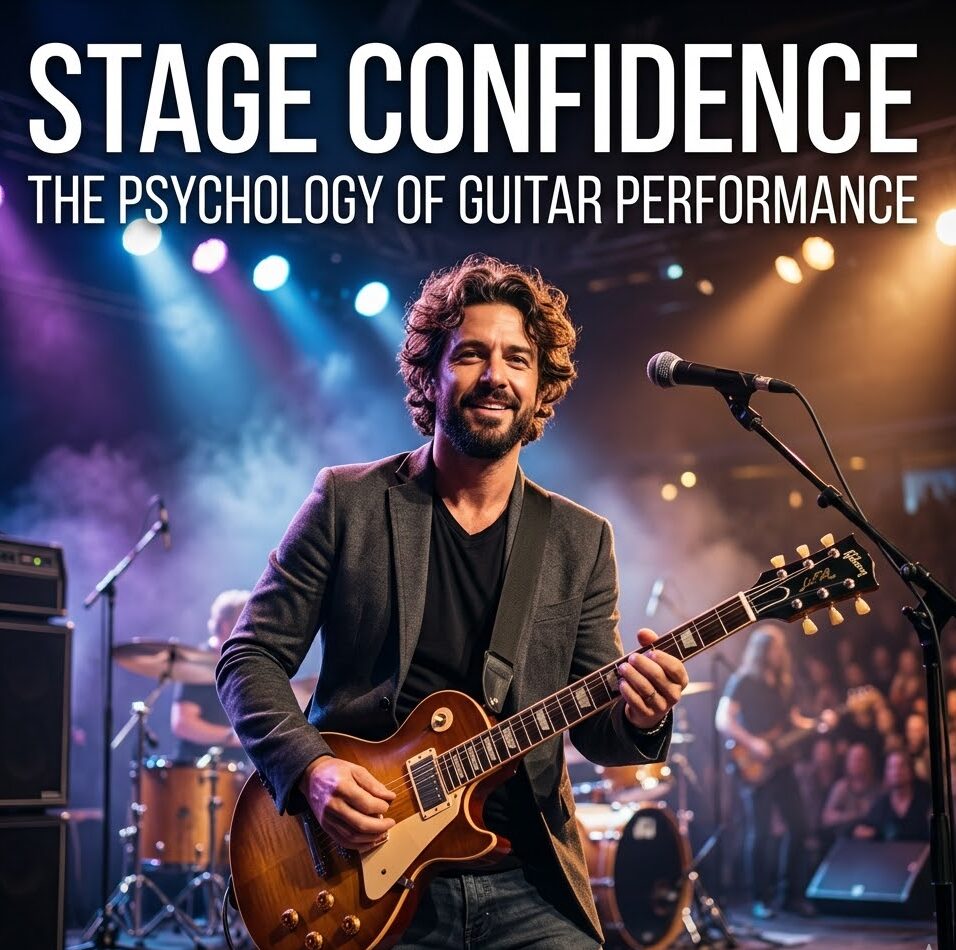
Stage Confidence | The Psychology of Guitar Performance
Stage confidence plays a crucial role in every guitarist’s performance journey. Most guitarists dream of playing effortlessly, moving smoothly across the fretboard, and earning genuine appreciation from their audience. However, many musicians face an unexpected challenge when they step from the practice room onto the stage: performance anxiety. Even after hours of preparation, they often find their confidence wavering as the stage lights come on and the audience focuses on every note they play.
Stage confidence is often misunderstood as a personality trait that some musicians naturally possess while others lack. In reality, confidence is largely a psychological skill that can be developed through understanding, preparation, and experience. The difference between a nervous performer and a confident one is rarely the absence of fear. More often, it lies in how that fear is managed and transformed into productive energy.
Understanding the psychology behind guitar performance can help musicians approach the stage with greater assurance. By recognizing what happens mentally and emotionally before and during a performance, players can develop strategies that allow their skills to shine when it matters most.
Understanding Stage Confidence and Performance Anxiety
The nervousness that appears before a performance is a completely natural human response. Long before modern concerts existed, humans evolved to be highly aware of social evaluation. Being observed by a group naturally increases alertness because the brain interprets public scrutiny as a situation requiring heightened attention.
As a result, many guitarists experience symptoms such as increased heart rate, sweaty palms, shallow breathing, or racing thoughts before stepping on stage. While these reactions may feel uncomfortable, they are not signs that something is wrong. Instead, they represent the body’s attempt to prepare for an important event.
Problems arise when musicians interpret these sensations negatively. A guitarist who notices a fast heartbeat may assume they are losing control, which increases anxiety further. Meanwhile, another performer may view the same sensation as excitement and readiness. The physical response is similar, but the psychological interpretation creates entirely different outcomes.
Recognizing this distinction is often the first step toward developing stronger stage confidence.
The Gap Between Practice and Stage Confidence
Many musicians become frustrated when they can play flawlessly during practice sessions but struggle during live performances. This difference is not necessarily caused by a lack of skill. Rather, the brain operates differently under pressure.
Practice environments are usually predictable and comfortable. Mistakes carry little consequence, and players can stop, repeat passages, and correct errors immediately. The stage, however, introduces variables that are absent during practice. Audience presence, unfamiliar surroundings, and heightened self-awareness create additional mental demands.
Consequently, performance requires more than technical proficiency. It also demands the ability to maintain focus while managing emotional and environmental distractions. Guitarists who understand this reality stop viewing stage mistakes as evidence of inadequate preparation. Instead, they recognize that performing itself is a separate skill that deserves dedicated practice.
This shift in perspective often leads to healthier expectations and greater resilience.
The Role of Self-Talk in Performance
One of the most powerful influences on stage confidence is the internal dialogue that occurs before and during a performance. Many musicians unknowingly sabotage themselves through negative self-talk.
Thoughts such as “I can’t make any mistakes,” “Everyone will notice if I mess up,” or “I’m not good enough to be here” place enormous pressure on the performer. Rather than focusing on music, attention becomes consumed by fear and self-judgment.
Confident performers are not necessarily more talented. Frequently, they have simply learned to replace destructive thoughts with supportive ones. Their internal dialogue may sound more like, “I’ve prepared for this,” “It’s okay to be nervous,” or “My goal is to share the music.”
Such statements do not eliminate anxiety entirely, but they prevent fear from dominating the performance experience. Over time, positive self-talk becomes a valuable tool for maintaining composure under pressure.
Why Perfectionism Can Hurt Stage Confidence
Many guitarists believe confidence will arrive once they can perform flawlessly. Unfortunately, perfectionism often creates the opposite effect.
When musicians set unrealistic standards, every small mistake feels significant. Attention shifts from musical expression to error avoidance, creating tension that actually increases the likelihood of mistakes. A single missed note can trigger frustration, leading to further lapses in concentration.
The audience, however, rarely evaluates performances with the same level of scrutiny as the performer. Most listeners respond to emotion, energy, and connection far more than technical perfection.
For this reason, successful performers learn to accept imperfections as part of live music. Confidence grows when musicians trust their ability to recover gracefully rather than demanding mistake-free performances. The ability to continue playing smoothly after an error is often more valuable than avoiding mistakes altogether.
Building Trust in Your Preparation
Confidence is closely connected to preparation. Not because preparation guarantees perfection, but because it creates a sense of security.
When a guitarist has consistently practiced material, the brain develops confidence in its ability to execute the required skills. Repetition strengthens neural pathways, making movements more automatic and reliable under pressure.
However, effective preparation involves more than simply playing songs repeatedly. Musicians benefit from recreating performance conditions during practice. Playing through an entire piece without stopping, recording practice sessions, or performing for friends and family can help bridge the gap between practice and the stage.
As familiarity with performance situations increases, uncertainty decreases. This process gradually builds trust, allowing musicians to focus more on expression and less on survival.
The Importance of Audience Connection
Anxiety often becomes stronger when performers focus excessively on themselves. Every movement, every note, and every potential mistake becomes magnified under self-conscious observation.
A helpful psychological shift occurs when attention moves away from self-evaluation and toward audience connection. Instead of asking, “How am I doing?” performers begin asking, “How can I communicate this music effectively?”
This change transforms the purpose of performance. The stage becomes less about proving ability and more about sharing an experience. Audiences generally respond positively to authenticity, and musicians who focus on communication often appear more confident regardless of their skill level.
Interestingly, performers who prioritize connection frequently discover that their anxiety diminishes naturally because their attention is directed outward rather than inward.
Developing a Strong Stage Confidence Mindset
Stage confidence is not something that appears suddenly on the day of a concert. It is developed gradually through consistent mental training.
Visualization can be particularly effective. Imagining a successful performance helps the brain become familiar with the experience before it occurs. Athletes have used this technique for decades, and musicians can benefit from it in similar ways.
Breathing exercises also play an important role. Slow, controlled breathing signals safety to the nervous system and helps reduce physical symptoms of anxiety. Combined with positive self-talk and realistic expectations, these techniques create a stronger mental foundation for performance.
Most importantly, confidence grows through repeated exposure. Each performance provides evidence that nervousness can be managed and that challenges can be overcome. Even imperfect performances contribute to long-term growth.
Turning Nervous Energy Into Stage Confidence
Many performers spend years trying to eliminate nervousness completely. Yet some of the most experienced musicians still feel butterflies before stepping on stage.
The key difference is that they no longer view nervousness as an enemy. Instead, they recognize it as energy that can enhance focus, engagement, and passion. The same adrenaline that causes anxiety can also create excitement and intensity in a performance.
Rather than fighting these feelings, confident musicians learn to channel them into their playing. What once felt like fear becomes a source of presence and vitality.
This perspective changes the entire performance experience. The goal shifts from avoiding nervousness to using it effectively.
Conclusion
Stage confidence does not belong only to naturally outgoing or fearless musicians. Every guitarist can develop it through preparation, the right mindset, and consistent performance experience. Throughout their musical journey, guitarists face moments of doubt, uncertainty, and nervous anticipation. Instead of treating these feelings as weaknesses, they can view them as a natural part of growth and progress.
When musicians understand their thoughts, regulate their emotions, and focus on communicating through music, they build confidence over time. They stop seeing the stage as a place of judgment and start embracing it as an opportunity to connect with listeners, express themselves, and share their passion for music. Whether they learn on their own or through Guitar Lessons Online, regular practice and performance help them strengthen their confidence with each step.
Ultimately, true stage confidence does not mean eliminating fear. It means stepping onto the stage despite it and trusting the preparation, passion, and perseverance that support every performance. At The Mystic Keys, we encourage musicians to develop this confidence so they can perform authentically and fully enjoy the experience of sharing music with an audience.
For more information and exciting resources about learning music, visit our website at The Mystic Keys. For more music content and exciting offers follow us on
Benefits of Music Education | Building Discipline Through Music
In today’s fast-paced world, discipline has become one of the most valuable qualities a person can develop. Whether it is achieving academic success, excelling in a career, or pursuing personal goals, the ability to stay focused and committed plays a significant role in long-term growth. Among the many benefits of music education, the development of discipline stands out as one of the most impactful and long-lasting. As parents and educators continue searching for effective ways to nurture this quality in children and young adults, music education consistently proves to be a powerful yet often overlooked tool for character development and personal growth.
Learning music is far more than acquiring the ability to play notes correctly or perform on a stage. The journey involves consistent practice, patience, self-control, and perseverance. Every lesson teaches students that progress is earned through effort rather than instant results. Over time, these experiences cultivate habits that extend well beyond the music room and influence various aspects of life.
As students engage with an instrument, they begin developing routines and responsibilities that gradually shape their character. Through regular practice and continuous learning, music education becomes a pathway to building discipline that can benefit individuals for years to come.
The Connection Between Music and Discipline
Discipline is often described as the ability to do what needs to be done even when motivation is low. Music education naturally reinforces this principle because improvement rarely happens overnight. Each new concept, technique, or piece requires dedication and repetition before mastery is achieved.
Unlike activities that may provide immediate rewards, music demands a long-term commitment. Students quickly realize that skipping practice sessions can slow progress, while consistent effort leads to noticeable improvement. This direct relationship between work and results helps learners understand the importance of responsibility and persistence.
Furthermore, music provides continuous feedback. A missed note, incorrect rhythm, or uneven performance becomes immediately noticeable, encouraging students to pay attention to details and remain accountable for their progress. Such experiences gradually strengthen self-discipline and encourage a mindset focused on steady improvement.
Benefits of Music Education Through Consistent Practice Habits
One of the most significant ways music education builds discipline is through the establishment of regular practice routines. Success in music depends heavily on consistency rather than occasional bursts of effort. Students learn that even short daily practice sessions can produce better results than infrequent, lengthy ones.
Creating a practice schedule requires commitment and time management. Learners must balance school, extracurricular activities, family responsibilities, and personal interests while setting aside dedicated time for music. As this routine becomes part of daily life, valuable organizational skills begin to develop naturally.
The habit of showing up regularly, even on days when enthusiasm is low, teaches an important lesson about commitment. Over time, students understand that meaningful growth often comes from maintaining consistency rather than relying solely on motivation. This realization can positively influence study habits, work ethic, and future professional responsibilities.
Learning Patience Through Gradual Progress
Modern society often encourages quick results and instant gratification. Music education offers a refreshing contrast by teaching that meaningful achievements require time and effort. Every musician experiences moments when a piece feels challenging or a technique seems difficult to master.
Progress frequently occurs in small steps rather than dramatic leaps. Students may spend days or even weeks refining a particular skill before noticing significant improvement. Although this process can be demanding, it teaches patience and resilience.
As learners continue working through challenges, they begin appreciating the value of persistence. Rather than becoming discouraged by temporary setbacks, they develop the ability to trust the learning process. Such patience becomes valuable in academics, careers, and personal development, where long-term success often depends on sustained effort.
Benefits of Music Education for Strengthening Focus and Concentration
Music requires a high level of mental engagement. While practicing, students must simultaneously pay attention to rhythm, timing, dynamics, technique, and expression. Managing multiple elements at once encourages deep concentration and trains the mind to remain focused for extended periods.
Regular engagement with music gradually improves attention span. Students become more comfortable dedicating uninterrupted time to a specific task, an ability that proves beneficial in many areas of life. Academic studies, project work, and problem-solving activities often demand the same kind of sustained focus that music develops.
Moreover, disciplined concentration helps learners become more aware of details. Instead of rushing through tasks, they learn to approach challenges carefully and thoughtfully. Such habits contribute to improved performance both inside and outside the classroom.
Building Accountability and Personal Responsibility
Another valuable aspect of music education is the sense of accountability it encourages. Students quickly discover that their progress depends largely on their own effort. Teachers can provide guidance and support, but consistent improvement ultimately requires personal commitment.
This understanding fosters responsibility. Learners become aware that practice habits, preparation, and dedication directly influence their results. Rather than relying on external pressure, they begin taking ownership of their growth and achievements.
Performance opportunities further reinforce accountability. Preparing for a recital, examination, or public presentation requires careful planning and disciplined effort. Knowing that others will hear their performance motivates students to stay committed and meet their goals responsibly.
Overcoming Challenges and Building Resilience
Every musical journey includes obstacles. Certain techniques may feel difficult, some compositions may appear overwhelming, and progress may occasionally seem slow. However, these challenges often become the most valuable learning experiences.
When students encounter difficulties in music, they are encouraged to break larger goals into smaller, manageable steps. This approach teaches problem-solving and perseverance. Instead of giving up when faced with obstacles, learners develop strategies to overcome them.
Repeated exposure to challenges also strengthens resilience. Students learn that mistakes are not failures but opportunities for growth. As confidence grows through overcoming difficulties, they become more willing to tackle challenges in other areas of life with determination and patience.
Goal Setting and Long-Term Commitment
Music education naturally encourages goal-oriented thinking. Students often work toward mastering a new piece, improving technical skills, preparing for performances, or achieving examination milestones. Each objective requires planning, effort, and sustained commitment.
Working toward these goals teaches learners how to manage long-term projects effectively. Rather than focusing solely on immediate results, they learn to appreciate gradual progress and celebrate small achievements along the way.
This ability to pursue long-term objectives is closely connected to discipline. By understanding how daily efforts contribute to larger accomplishments, students develop a mindset that supports success in academics, careers, and personal aspirations.
Benefits of Music Education Through Piano Learning
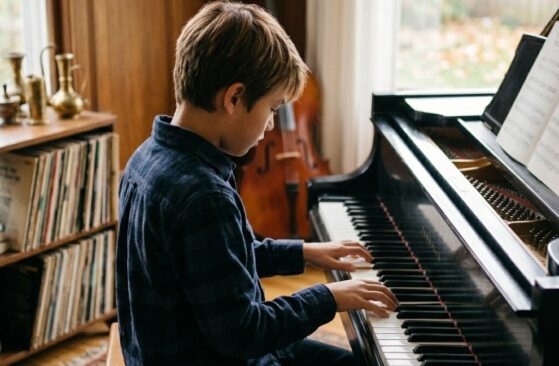
Among musical instruments, the piano offers unique opportunities for developing discipline. Learning the piano requires coordination between both hands, accurate timing, careful listening, and consistent attention to technique. Because multiple skills must be developed simultaneously, students are encouraged to practice with focus and structure.
Each lesson introduces new challenges that build upon previously learned concepts. Advancement depends on maintaining regular practice habits and steadily refining skills over time. As a result, piano students often experience firsthand how discipline transforms effort into measurable progress.
The structured nature of piano education also promotes organization and goal setting. Learners frequently work through exercises, scales, and pieces in a systematic manner, reinforcing habits that support personal growth and self-management.
Long-Term Benefits of Music Education Beyond Musical Skills
The benefits of discipline developed through music education extend far beyond musical achievement. Students who learn to manage their practice schedules often become better at organizing their academic responsibilities. Those who develop patience through music are better prepared to handle complex challenges in other areas of life.
Professional environments also value qualities that music helps cultivate, including consistency, responsibility, focus, and perseverance. Employers frequently seek individuals who can work toward long-term goals, manage their time effectively, and remain committed during difficult situations.
Perhaps most importantly, music teaches that success is a process rather than a destination. Through continuous effort and dedication, students learn that meaningful accomplishments are built step by step. This lesson remains valuable throughout life and influences personal growth long after formal music education ends.
Conclusion | Why the Benefits of Music Education Last a Lifetime
Music education is much more than an artistic pursuit. It serves as a powerful tool for building discipline, strengthening focus, encouraging responsibility, and developing resilience. Through regular practice, goal setting, and perseverance, students gain life skills that extend far beyond learning an instrument.
The lessons learned through music shape habits that support academic achievement, professional success, and personal growth. As individuals experience the rewards of consistent effort, they begin to understand the true value of discipline. Whether learning through traditional classes or modern Piano Lessons Online, students develop habits that continue to benefit them throughout their lives.
In this way, music education becomes not only a pathway to artistic development but also a foundation for lifelong success and character building. At The Mystic Keys, we believe that every musical journey offers an opportunity to nurture discipline, confidence, and a lasting love for learning.
For more information and exciting resources about learning music, visit our website at The Mystic Keys. For more music content and exciting offers follow us on
The Difference Between Piano Playing and Keyboard Playing
Many people use the terms piano and keyboard interchangeably, but there is a significant difference between piano playing and keyboard playing. While both instruments share similar layouts and musical concepts, they serve different purposes and often require different approaches to learning and performance.
Some students dream of performing classical masterpieces on a grand piano, while others want to play contemporary songs, accompany singers, or create music using electronic sounds and technology. Understanding the difference between piano playing and keyboard playing can help students choose the learning path that best matches their musical goals.
At The Mystic Keys, students have the opportunity to learn both piano and keyboard techniques under expert guidance. In this blog, we explore the key differences between these two popular instruments.
Understanding the Difference Between Piano Playing and Keyboard Playing
Although pianos and keyboards look similar, they are designed for different musical experiences.
Major differences include:
Sound production
Key action
Playing techniques
Musical applications
Performance styles
Understanding these distinctions helps students make informed learning decisions.
Sound Production: A Major Difference Between Piano Playing and Keyboard Playing
A traditional piano produces sound through:
Hammers striking strings
Natural acoustic resonance
Mechanical action
A keyboard produces sound electronically through:
Digital samples
Synthesized sounds
Built-in speakers or amplification
This creates very different listening experiences.
Key Action and Touch Sensitivity
One of the biggest differences between the two instruments is key action.
Pianos feature:
Weighted keys
Greater resistance
Dynamic touch response
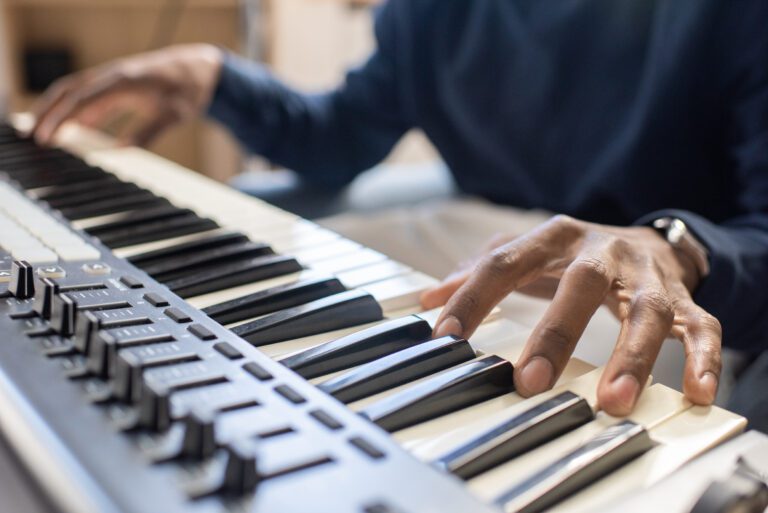
Many keyboards offer:
Lightweight keys
Semi-weighted options
Faster key movement
This affects playing technique and finger development.
Why Technique Differs Between Piano Playing and Keyboard Playing
Piano technique focuses heavily on:
Finger strength
Hand positioning
Dynamic control
Touch sensitivity
Keyboard technique often emphasizes:
Speed
Sound selection
Electronic controls
Versatility
Both require skill, but the priorities differ.
Musical Styles in Piano Playing
Pianos are commonly associated with:
Classical music
Jazz
Film scores
Solo performances
The instrument is valued for its expressive and dynamic capabilities.
Musical Styles in Keyboard Playing
Keyboards are frequently used in:
Pop music
Worship music
Rock bands
Electronic music
Music production
Their versatility makes them popular across modern genres.
The Difference Between Piano Playing and Keyboard Playing in Performance
Performance settings often influence instrument choice.
Pianos are commonly found in:
Concert halls
Music schools
Classical recitals
Keyboards are often used in:
Live bands
Churches
Recording studios
Stage performances
Portability gives keyboards a significant advantage in many situations.
Learning Goals Matter
Students should consider their musical objectives.
Traditional pianos focus entirely on acoustic performance.
Portability and Convenience
One practical advantage of keyboards is portability.
Keyboards are:
Lightweight
Easy to transport
Suitable for smaller spaces
Pianos require:
Permanent placement
More space
Professional moving services
This makes keyboards attractive for many learners.
How Piano Training Benefits Keyboard Players
Many professional keyboardists begin with piano training.
Piano lessons help develop:
Finger strength
Hand coordination
Music theory understanding
Reading skills
These foundations transfer effectively to keyboard performance.
Career Opportunities for Piano and Keyboard Players
Both instruments offer exciting opportunities.
Piano players may pursue:
Classical performance
Teaching
Accompaniment
Solo performance
Keyboard players may work in:
Bands
Worship teams
Recording studios
Music production
Both paths offer rewarding musical experiences.
The Difference Between Piano Playing and Keyboard Playing for Beginners
For beginners, the choice depends largely on interests.
Students interested in:
Classical music often prefer piano.
Contemporary music often enjoy keyboard.
However, learning either instrument provides valuable musical skills.
Which Instrument Is Right for You?
Ask yourself:
What type of music do I enjoy?
Do I want acoustic or digital sounds?
Will I perform live?
Do I need portability?
The answers can help guide your decision.
How Structured Lessons Help Students Succeed
Whether learning piano or keyboard, structured instruction accelerates progress.
Students benefit from:
Proper technique
Personalized feedback
Goal-based learning
Consistent skill development
At The Mystic Keys, students receive expert guidance tailored to their musical interests and aspirations.
Conclusion
Understanding the difference between piano playing and keyboard playing helps students choose the instrument and learning path that best matches their goals. While the piano offers rich acoustic expression and strong technical development, the keyboard provides versatility, portability, and access to modern music technology.
Neither option is better than the other—each serves different musical purposes. The most important factor is choosing the instrument that inspires you to learn, practice, and grow as a musician.
If you are ready to begin your musical journey, explore Piano Lessons Online or Keyboard Lessons Online with The Mystic Keys and discover the path that best suits your musical ambitions.
For more information and exciting resources about learning music, visit our website at The Mystic Keys. For more music content and exciting offers follow us on