
Benefits of Music Education | Building Discipline Through Music
In today’s fast-paced world, discipline has become one of the most valuable qualities a person can develop. Whether it is achieving academic success, excelling in a career, or pursuing personal goals, the ability to stay focused and committed plays a significant role in long-term growth. Among the many benefits of music education, the development of discipline stands out as one of the most impactful and long-lasting. As parents and educators continue searching for effective ways to nurture this quality in children and young adults, music education consistently proves to be a powerful yet often overlooked tool for character development and personal growth.
Learning music is far more than acquiring the ability to play notes correctly or perform on a stage. The journey involves consistent practice, patience, self-control, and perseverance. Every lesson teaches students that progress is earned through effort rather than instant results. Over time, these experiences cultivate habits that extend well beyond the music room and influence various aspects of life.
As students engage with an instrument, they begin developing routines and responsibilities that gradually shape their character. Through regular practice and continuous learning, music education becomes a pathway to building discipline that can benefit individuals for years to come.

The Connection Between Music and Discipline
Discipline is often described as the ability to do what needs to be done even when motivation is low. Music education naturally reinforces this principle because improvement rarely happens overnight. Each new concept, technique, or piece requires dedication and repetition before mastery is achieved.
Unlike activities that may provide immediate rewards, music demands a long-term commitment. Students quickly realize that skipping practice sessions can slow progress, while consistent effort leads to noticeable improvement. This direct relationship between work and results helps learners understand the importance of responsibility and persistence.
Furthermore, music provides continuous feedback. A missed note, incorrect rhythm, or uneven performance becomes immediately noticeable, encouraging students to pay attention to details and remain accountable for their progress. Such experiences gradually strengthen self-discipline and encourage a mindset focused on steady improvement.

Benefits of Music Education Through Consistent Practice Habits
One of the most significant ways music education builds discipline is through the establishment of regular practice routines. Success in music depends heavily on consistency rather than occasional bursts of effort. Students learn that even short daily practice sessions can produce better results than infrequent, lengthy ones.
Creating a practice schedule requires commitment and time management. Learners must balance school, extracurricular activities, family responsibilities, and personal interests while setting aside dedicated time for music. As this routine becomes part of daily life, valuable organizational skills begin to develop naturally.
The habit of showing up regularly, even on days when enthusiasm is low, teaches an important lesson about commitment. Over time, students understand that meaningful growth often comes from maintaining consistency rather than relying solely on motivation. This realization can positively influence study habits, work ethic, and future professional responsibilities.

Learning Patience Through Gradual Progress
Modern society often encourages quick results and instant gratification. Music education offers a refreshing contrast by teaching that meaningful achievements require time and effort. Every musician experiences moments when a piece feels challenging or a technique seems difficult to master.
Progress frequently occurs in small steps rather than dramatic leaps. Students may spend days or even weeks refining a particular skill before noticing significant improvement. Although this process can be demanding, it teaches patience and resilience.
As learners continue working through challenges, they begin appreciating the value of persistence. Rather than becoming discouraged by temporary setbacks, they develop the ability to trust the learning process. Such patience becomes valuable in academics, careers, and personal development, where long-term success often depends on sustained effort.

Benefits of Music Education for Strengthening Focus and Concentration
Music requires a high level of mental engagement. While practicing, students must simultaneously pay attention to rhythm, timing, dynamics, technique, and expression. Managing multiple elements at once encourages deep concentration and trains the mind to remain focused for extended periods.
Regular engagement with music gradually improves attention span. Students become more comfortable dedicating uninterrupted time to a specific task, an ability that proves beneficial in many areas of life. Academic studies, project work, and problem-solving activities often demand the same kind of sustained focus that music develops.
Moreover, disciplined concentration helps learners become more aware of details. Instead of rushing through tasks, they learn to approach challenges carefully and thoughtfully. Such habits contribute to improved performance both inside and outside the classroom.

Building Accountability and Personal Responsibility
Another valuable aspect of music education is the sense of accountability it encourages. Students quickly discover that their progress depends largely on their own effort. Teachers can provide guidance and support, but consistent improvement ultimately requires personal commitment.
This understanding fosters responsibility. Learners become aware that practice habits, preparation, and dedication directly influence their results. Rather than relying on external pressure, they begin taking ownership of their growth and achievements.
Performance opportunities further reinforce accountability. Preparing for a recital, examination, or public presentation requires careful planning and disciplined effort. Knowing that others will hear their performance motivates students to stay committed and meet their goals responsibly.

Overcoming Challenges and Building Resilience
Every musical journey includes obstacles. Certain techniques may feel difficult, some compositions may appear overwhelming, and progress may occasionally seem slow. However, these challenges often become the most valuable learning experiences.
When students encounter difficulties in music, they are encouraged to break larger goals into smaller, manageable steps. This approach teaches problem-solving and perseverance. Instead of giving up when faced with obstacles, learners develop strategies to overcome them.
Repeated exposure to challenges also strengthens resilience. Students learn that mistakes are not failures but opportunities for growth. As confidence grows through overcoming difficulties, they become more willing to tackle challenges in other areas of life with determination and patience.

Goal Setting and Long-Term Commitment
Music education naturally encourages goal-oriented thinking. Students often work toward mastering a new piece, improving technical skills, preparing for performances, or achieving examination milestones. Each objective requires planning, effort, and sustained commitment.
Working toward these goals teaches learners how to manage long-term projects effectively. Rather than focusing solely on immediate results, they learn to appreciate gradual progress and celebrate small achievements along the way.
This ability to pursue long-term objectives is closely connected to discipline. By understanding how daily efforts contribute to larger accomplishments, students develop a mindset that supports success in academics, careers, and personal aspirations.

Benefits of Music Education Through Piano Learning
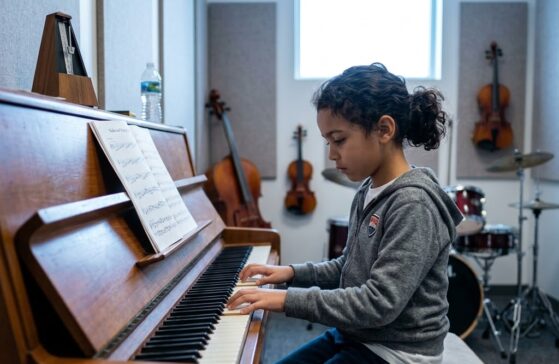
Among musical instruments, the piano offers unique opportunities for developing discipline. Learning the piano requires coordination between both hands, accurate timing, careful listening, and consistent attention to technique. Because multiple skills must be developed simultaneously, students are encouraged to practice with focus and structure.
Each lesson introduces new challenges that build upon previously learned concepts. Advancement depends on maintaining regular practice habits and steadily refining skills over time. As a result, piano students often experience firsthand how discipline transforms effort into measurable progress.
The structured nature of piano education also promotes organization and goal setting. Learners frequently work through exercises, scales, and pieces in a systematic manner, reinforcing habits that support personal growth and self-management.
Long-Term Benefits of Music Education Beyond Musical Skills
The benefits of discipline developed through music education extend far beyond musical achievement. Students who learn to manage their practice schedules often become better at organizing their academic responsibilities. Those who develop patience through music are better prepared to handle complex challenges in other areas of life.
Professional environments also value qualities that music helps cultivate, including consistency, responsibility, focus, and perseverance. Employers frequently seek individuals who can work toward long-term goals, manage their time effectively, and remain committed during difficult situations.
Perhaps most importantly, music teaches that success is a process rather than a destination. Through continuous effort and dedication, students learn that meaningful accomplishments are built step by step. This lesson remains valuable throughout life and influences personal growth long after formal music education ends.

Conclusion | Why the Benefits of Music Education Last a Lifetime
Music education is much more than an artistic pursuit. It serves as a powerful tool for building discipline, strengthening focus, encouraging responsibility, and developing resilience. Through regular practice, goal setting, and perseverance, students gain life skills that extend far beyond learning an instrument.
The lessons learned through music shape habits that support academic achievement, professional success, and personal growth. As individuals experience the rewards of consistent effort, they begin to understand the true value of discipline. Whether learning through traditional classes or modern Piano Lessons Online, students develop habits that continue to benefit them throughout their lives.
In this way, music education becomes not only a pathway to artistic development but also a foundation for lifelong success and character building. At The Mystic Keys, we believe that every musical journey offers an opportunity to nurture discipline, confidence, and a lasting love for learning.
For more information and exciting resources about learning music, visit our website at The Mystic Keys. For more music content and exciting offers follow us on
Facebook, Instagram, YouTube, LinkedIn, Twitter, Pinterest, and Threads.