Drum Learning Timeline | How Long to Learn Drums?
Drum Learning Timeline | How Long to Learn Drums?
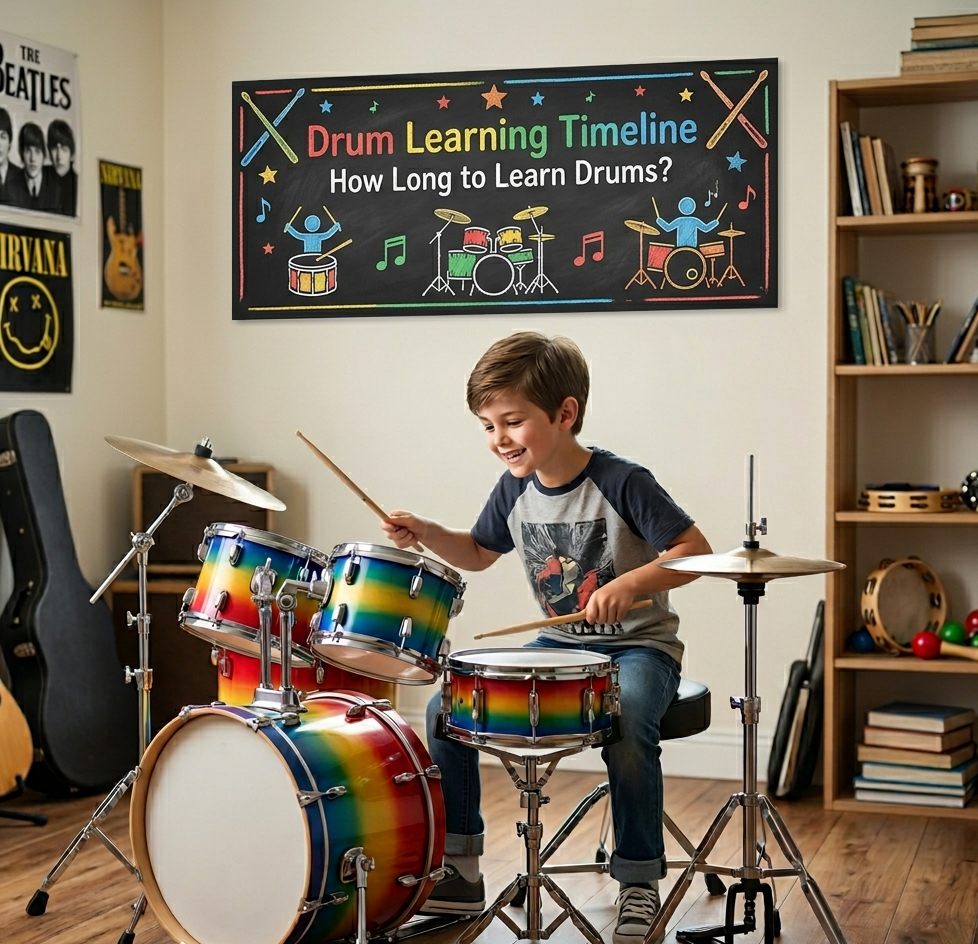
Learning drums is one of the most exciting musical journeys a person can begin, and understanding the Drum Learning Timeline makes the journey even more motivating for beginners. The energy of hitting a groove perfectly, the thrill of playing along with your favorite songs, and the confidence that builds with every practice session make drumming incredibly rewarding. Yet one question almost every beginner asks before starting is: How long does it actually take to learn drums?
The answer depends on several factors, including practice consistency, learning methods, musical background, and personal goals. Some students want to play simple beats for fun, while others dream of performing live, joining bands, or mastering advanced drumming techniques. Because every learner progresses differently, there is no single timeline that applies to everyone.
Still, there are realistic stages most drummers go through. Understanding these phases can help you set proper expectations and stay motivated throughout your learning journey.
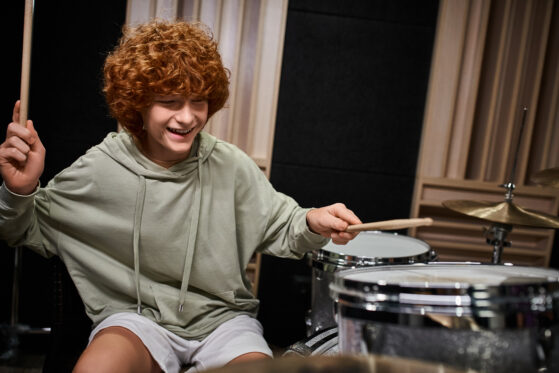
Understanding the Drum Learning Timeline
Before discussing timelines, it is important to define what “learning drums” actually means. For one person, it may mean playing a few popular rock songs confidently. Another learner may consider themselves successful only after mastering complex fills, odd time signatures, and improvisation.
Drumming is layered. Beginners first learn coordination, timing, and rhythm. After that comes groove control, speed, dynamics, creativity, and musical expression. Even professional drummers continue learning throughout their careers because rhythm has endless depth.
Therefore, the timeline changes depending on your goals. If your aim is casual enjoyment, progress can happen fairly quickly. On the other hand, advanced drumming mastery may take years of focused practice and performance experience.
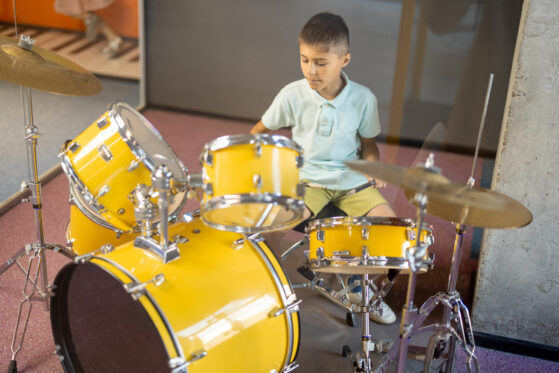
The First Month | Building Coordination and Rhythm
The first few weeks of drum learning are usually focused on understanding the basics. Beginners learn how to hold drumsticks properly, maintain posture, and coordinate hands and feet together. At first, this can feel surprisingly challenging because each limb often performs different movements simultaneously.
During this stage, students begin practicing simple beats, basic counting, and rhythm exercises. Playing in time is far more important than playing fast. Many new drummers discover that consistency and control matter more than complicated fills.
Although progress may feel slow initially, the foundation built in this phase is extremely important. Once muscle memory starts developing, movements become smoother and more natural. By the end of the first month, many learners can already play beginner-level grooves and follow simple songs.
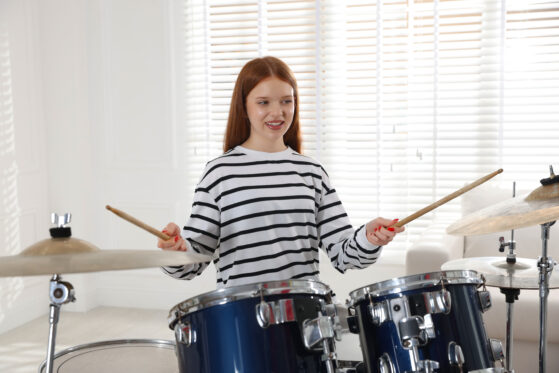
After Three to Six Months | Gaining Confidence
Once the beginner phase passes, most students start feeling noticeably more comfortable behind the drum kit. Coordination improves, transitions between beats become smoother, and timing becomes steadier.
At this point, drummers usually begin learning:
- Basic drum fills
- Different groove styles
- Simple song structures
- Tempo control
- Rudiments and stick exercises
This period is often very motivating because visible progress happens regularly. Learners can start jamming with music tracks and may even play simple songs from start to finish. Practice sessions become more enjoyable because the body gradually adapts to the physical demands of drumming.
Consistency plays a major role here. Someone practicing four to five times a week will likely progress much faster than someone practicing only occasionally. Even short daily practice sessions can create remarkable improvement over time.

One Year of Drum Learning | Reaching an Intermediate Level
For students who practice regularly, one year can produce impressive results. By this stage, many drummers develop solid rhythm control and enough confidence to play with other musicians.
An intermediate drummer typically understands:
- Groove variations
- Basic improvisation
- Drum fills across the kit
- Dynamic control
- Different musical genres
- Playing along with live music
The biggest transformation during this period is musical awareness. Drummers stop focusing only on individual movements and begin understanding how drums support an entire song. Groove becomes more natural, and playing starts sounding more expressive rather than mechanical.
Many learners also start discovering their personal style around this time. Some enjoy rock drumming, while others become interested in jazz, funk, metal, worship music, or fusion genres.
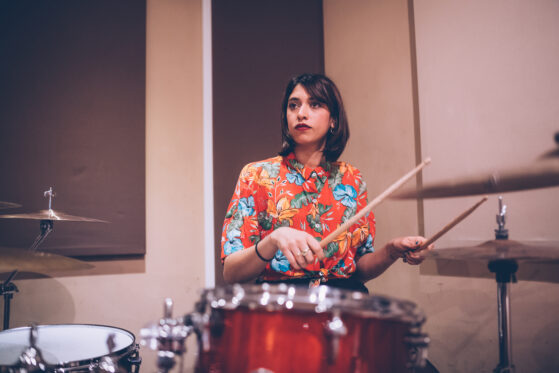
Factors That Influence the Drum Learning Timeline
Drum learning speed varies significantly from person to person. Two students starting together may progress at completely different rates, and that is perfectly normal.
One major factor is consistency. Practicing regularly creates stronger muscle memory and improves coordination faster. Another important factor is structured learning. Students who follow proper guidance often avoid bad habits that can slow progress later.
Previous musical experience also helps. Someone who already understands rhythm, counting, or tempo from another instrument may adapt more quickly to drumming concepts.
Age can influence learning style as well, but it does not prevent success. Children often absorb coordination naturally, while adults may progress faster mentally because they understand instructions more clearly. Both age groups can become excellent drummers with dedication and patience.

Practice Habits and the Drum Learning Timeline
Practice quality matters more than practice length. Spending hours repeating mistakes without focus is far less effective than shorter, structured sessions.
A balanced drum practice routine usually includes:
- Warm-up exercises
- Rudiment practice
- Groove development
- Timing exercises with a metronome
- Song practice
- Creative improvisation
Students who practice with clear goals generally improve faster. For example, focusing specifically on timing for one week often creates more noticeable progress than randomly playing different patterns every day.
Rest is equally important. Drumming is physically demanding, and muscle memory develops gradually. Consistent practice combined with proper recovery creates the best long-term improvement.
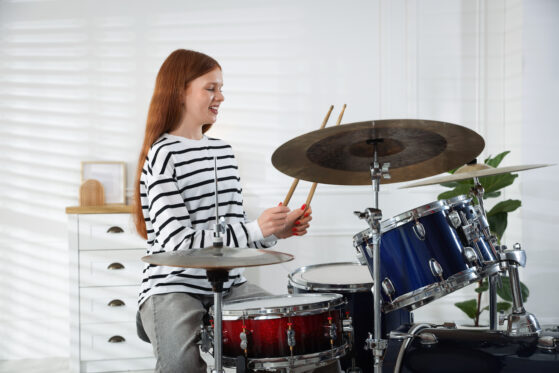
Learning Without a Teacher in the Drum Learning Timeline
Many people wonder whether self-learning is enough. The internet provides countless tutorials, videos, and online lessons, making drum education more accessible than ever before.
Self-learning can certainly work for highly disciplined students. However, beginners sometimes develop posture issues, poor stick technique, or timing problems without realizing it. These habits can become difficult to correct later.
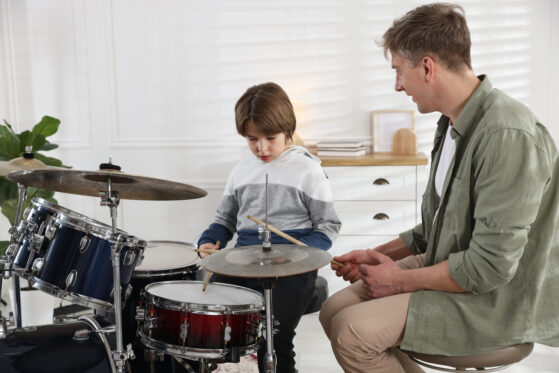
A good drum teacher provides structured progression, personalized feedback, and motivation. Lessons also help students move forward more efficiently because they avoid confusion and learn in the correct order.
That said, motivated learners combining online resources with consistent practice can still achieve excellent results.

When Do Beginners Start Playing Songs?
One of the most exciting milestones in drumming is playing full songs. Fortunately, this can happen sooner than many people expect.
Simple songs with steady beats are often achievable within the first few months. Beginners may not perform every fill perfectly, but they can still enjoy playing along with music and developing confidence.
As coordination improves, more complex songs become manageable. Over time, drummers learn how to adapt their playing style to different genres and tempos. Playing with music also strengthens timing, listening skills, and groove awareness much faster than isolated exercises alone.
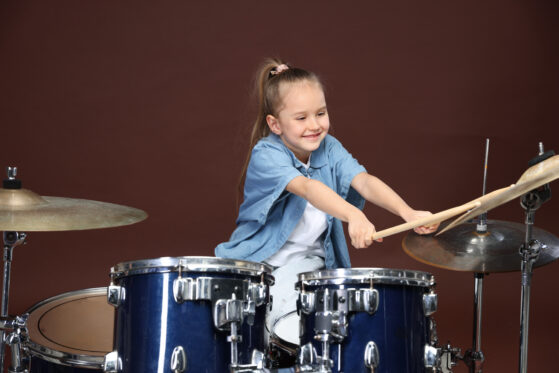
Advanced Stages in the Drum Learning Timeline
While beginners can learn basic grooves relatively quickly, advanced drumming is a long-term journey. Professional-level skills require deep control, musical sensitivity, creativity, and technical precision.
Advanced drummers spend years refining areas such as:
- Speed and endurance
- Complex coordination
- Odd time signatures
- Improvisation
- Dynamic expression
- Genre versatility
- Live performance skills
Even experienced professionals continue practicing fundamentals daily. Drumming is not simply about reaching a finish line. Instead, it is a continuous process of growth and refinement.
Staying Motivated During the Learning Process
Every drummer experiences periods of frustration. Some days progress feels fast, while other days improvement may seem invisible. This is completely normal in music learning.
Setting small achievable goals helps maintain motivation. Recording practice sessions can also reveal improvement that may otherwise go unnoticed. Many students become discouraged because they compare themselves to professional drummers online, forgetting that those musicians often spent decades developing their skills.
Celebrating small milestones matters greatly. Playing your first groove smoothly, learning your first fill, or completing your first song are all meaningful achievements.
Most importantly, enjoying the process keeps learning sustainable. Passion and consistency almost always outperform short bursts of intense practice followed by burnout.
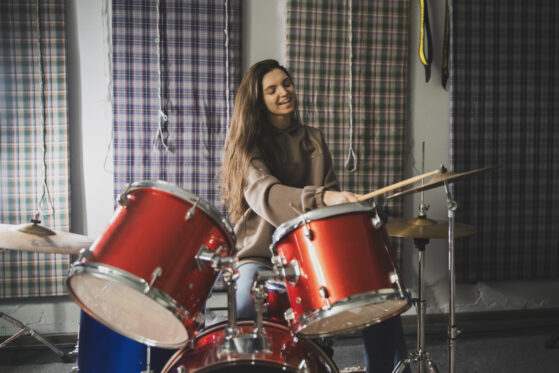
So, How Long Does It Really Take to Learn Drums?
A beginner can usually learn simple drum beats within a few weeks. Playing songs comfortably may take a few months, while reaching an intermediate level often requires around one year of regular practice.
Advanced drumming, however, can take many years of dedicated learning and performance experience. The timeline ultimately depends on your goals, consistency, and passion for the instrument.
The good news is that drumming becomes enjoyable long before mastery arrives. You do not need to wait years to start having fun, playing music, or expressing yourself creatively. Every stage of the journey offers something exciting to discover.

Final Thoughts on the Drum Learning Timeline
Learning drums is not about racing toward perfection. Instead, it is about steadily developing rhythm, coordination, creativity, and confidence over time. Some students progress quickly, while others take a slower path, but consistent effort always produces results.
The most successful drummers are not necessarily the fastest learners. More often, they are the ones who continue practicing, stay patient during difficult phases, and genuinely enjoy the process of making music. Every practice session adds another layer of improvement, even when progress feels gradual.
If you are thinking about learning drums, the best time to begin is now. Every great drummer once started with simple beats, basic exercises, and uncertain coordination. With persistence and passion, those small beginnings gradually turn into powerful musical ability. Whether you choose self-practice or structured guidance through Drums Lessons Online at The Mystic Keys, the journey of learning drums can become one of the most rewarding musical experiences of your life.
For more information and exciting resources about learning music, visit our website at The Mystic Keys. For more music content and exciting offers follow us on
Facebook, Instagram, YouTube, LinkedIn, Twitter, Pinterest, and Threads.