Piano Expression | What Makes a Piano Piece Sound Beautiful?
A piano piece can have all the correct notes, perfect timing, and flawless technique, yet still leave listeners unmoved. On the other hand, a performance with a few minor imperfections can captivate an audience and stay in their memory long after the final note fades away. The difference often lies in piano expression—the ability to communicate emotion, shape musical phrases, and bring meaning to every note. While technical skill provides the foundation, piano expression transforms a performance from accurate to beautiful, allowing musicians to connect with listeners on a deeper emotional level.
Expression is the heart of piano playing. It transforms a sequence of notes into a meaningful musical experience and allows performers to communicate emotions that words often cannot. While technique provides the foundation, expression brings the music to life. Understanding how expressive playing works can help pianists move beyond simply playing notes and begin creating performances that truly resonate with listeners.
Beyond the Notes | Why Piano Expression Matters
Learning a piano piece often begins with reading notes, understanding rhythms, and developing finger coordination. These elements are essential because they create the framework of the music. However, beautiful performances require much more than technical accuracy.
Imagine listening to someone read a poem in a monotone voice. Every word may be pronounced correctly, yet the meaning and emotion are lost. Music functions in much the same way. A pianist who focuses only on hitting the right notes may produce a technically correct performance, but the emotional depth of the composition can remain hidden.
Expression allows performers to reveal the character, mood, and story behind the music. Through subtle variations in touch, timing, and dynamics, a pianist can make a melody sound joyful, nostalgic, dramatic, or peaceful. As a result, listeners become emotionally engaged rather than simply hearing a collection of sounds.
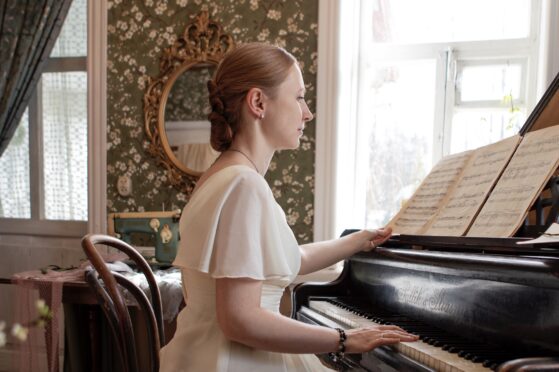
The Power of Dynamics in Piano Expression
One of the most important elements of expression is dynamics, which refers to variations in volume. Music becomes far more engaging when it rises and falls naturally instead of remaining at a constant level.
Soft passages often create intimacy, tenderness, or reflection. Loud sections can generate excitement, intensity, or triumph. The beauty of piano playing lies in the ability to move seamlessly between these contrasting levels of sound.
Many beginners assume dynamics simply mean playing loudly or softly. In reality, expressive dynamics involve countless shades between the extremes. A gradual crescendo can build anticipation and emotional tension, while a carefully controlled diminuendo can create a sense of calm or resolution.
When used thoughtfully, dynamic changes guide the listener’s attention and help shape the emotional journey of the piece.

Touch | The Pianist’s Unique Voice
Although every piano contains the same keys, no two pianists sound exactly alike. Much of this individuality comes from touch.
Touch refers to the way a pianist physically interacts with the keyboard. Different approaches to pressing the keys produce different tonal qualities. A melody can sound warm and singing, bright and energetic, or delicate and fragile depending on the player’s touch.
Developing a beautiful tone requires careful listening. Skilled pianists constantly evaluate the sound they create and adjust their technique accordingly. Instead of merely pressing keys, they shape each note with intention.
Over time, touch becomes a personal musical signature. This is why experienced listeners can often recognize a performer’s style even when playing familiar pieces.
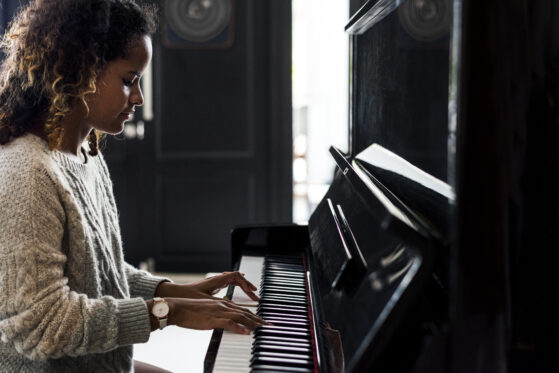
Phrasing | Letting the Music Breathe
Music is often compared to language, and phrasing is one reason why. Just as sentences contain natural pauses and emphasis, musical phrases require shape and direction.
A phrase is a musical idea that unfolds over several notes. Without proper phrasing, music can sound mechanical and disconnected. With thoughtful phrasing, melodies begin to breathe and flow naturally.
Effective phrasing involves understanding where a musical idea begins, where it builds, and where it resolves. Rather than treating every note equally, expressive pianists highlight important notes and gently guide the listener through the musical line.
Consequently, the music feels more conversational and emotionally compelling. Audiences may not consciously identify these phrase shapes, but they often sense their impact immediately.
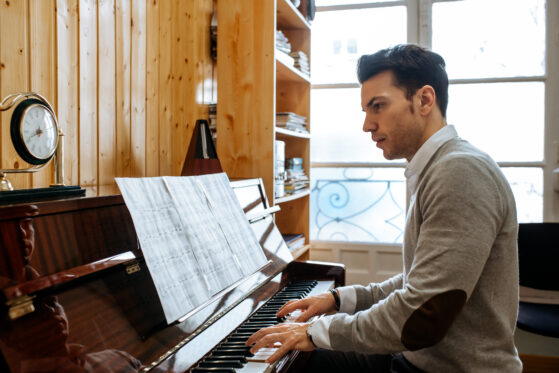
The Art of Timing and Rubato in Piano Expression
Perfect timing is important, but expressive timing often involves subtle flexibility. This concept is known as rubato, a musical technique that allows slight adjustments in tempo for expressive purposes.
Rubato does not mean ignoring the rhythm or playing carelessly. Instead, it involves stretching or compressing certain moments to enhance musical meaning. A pianist may linger briefly on an emotional note or move forward slightly during an exciting passage.
Used tastefully, rubato adds humanity to a performance. It creates the feeling that the music is being experienced in the moment rather than mechanically reproduced.
However, effective rubato requires balance and musical understanding. Excessive flexibility can disrupt the structure of the piece, while thoughtful use can make the music feel alive and deeply expressive.

Piano Expression Begins with Listening
Many pianists focus intensely on what their fingers are doing, yet expressive playing depends equally on listening.
Great performers constantly evaluate the sounds they produce. They listen for balance between melody and accompaniment, consistency of tone, dynamic contrast, and overall musical shape.
Through attentive listening, pianists become more aware of subtle details that influence the beauty of a performance. Small adjustments in volume, timing, or touch can dramatically change the emotional effect of a passage.
For this reason, recording practice sessions can be incredibly valuable. Hearing one’s own playing from the perspective of a listener often reveals opportunities for greater expression that might otherwise go unnoticed.
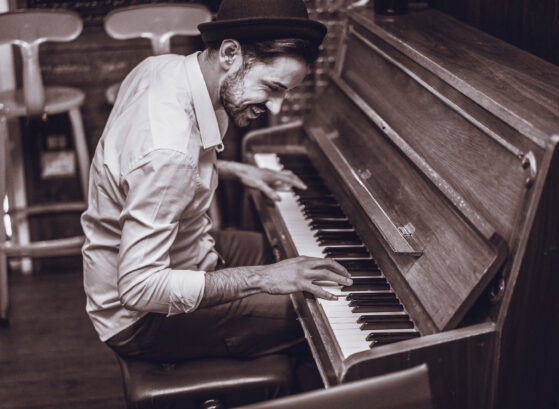
Understanding the Composer’s Intent
Expression becomes more meaningful when it is rooted in an understanding of the music itself. Every composition reflects the artistic vision of its composer, and studying that context can greatly enrich interpretation.
Historical background, stylistic conventions, and the composer’s personal circumstances often provide clues about the emotional character of a piece. A Romantic-era composition may invite greater freedom and emotional intensity, while a Baroque work might call for elegance and clarity.
Knowledge of these stylistic differences helps pianists make informed expressive decisions rather than relying solely on instinct. As interpretation deepens, performances tend to become more convincing and authentic.
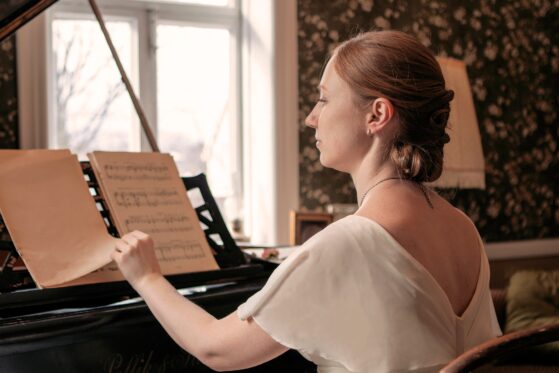
Emotional Connection Creates Beautiful Music
Technical mastery alone does not guarantee expressive playing. Genuine emotional connection is equally important.
When performers understand and feel the emotions within a piece, audiences often respond more strongly. This does not mean inventing emotions that are not present in the music. Instead, it involves discovering what the composition communicates and expressing that message sincerely.
Different listeners may interpret a piece in unique ways, yet authentic performances often create a shared emotional experience. That connection between performer, music, and audience is one of the most powerful aspects of piano playing.
Because of this, expressive musicians spend time exploring the emotional landscape of a composition rather than focusing exclusively on technical challenges.
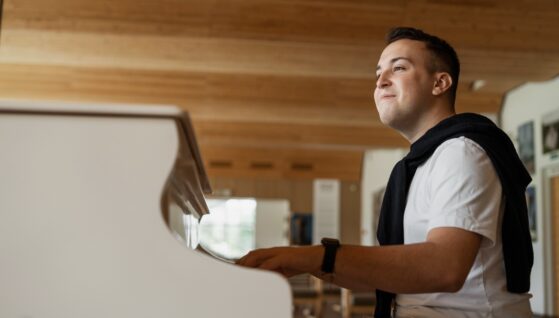
Developing Piano Expression as a Pianist
Expression is not an inborn talent reserved for a select few musicians. Like technique, it can be developed through consistent practice and thoughtful study.
Growth begins with active listening, both to one’s own performances and to accomplished pianists. Careful attention to dynamics, phrasing, tone, and timing gradually expands a musician’s expressive vocabulary. As experience grows, these elements become more natural and integrated.
Patience is essential during this process. Expression often develops alongside musical maturity, becoming richer as pianists gain deeper understanding of both music and themselves.
Conclusion
What makes a piano piece sound beautiful is not merely the accuracy of the notes but the emotion and meaning behind them. Dynamics add contrast, touch shapes tone, phrasing creates flow, and timing brings flexibility and life to the music. Above all, expression allows performers to connect with listeners on a deeply human level.
The most memorable piano performances are rarely those that are technically perfect. Instead, they are the ones that make us feel something. When technique and expression work together, music transcends the keyboard and becomes a powerful form of communication. That is the true beauty of piano playing, and it is what turns a simple performance into an unforgettable musical experience.
Developing expressive playing takes time, careful listening, and thoughtful guidance. Through structured Piano Lessons Online, students can learn not only the technical aspects of piano performance but also the artistic skills that bring music to life. At The Mystic Keys, nurturing musical expression is considered just as important as building strong technique, helping students become confident and expressive musicians.
For more information and exciting resources about learning music, visit our website at The Mystic Keys. For more music content and exciting offers follow us on
Facebook, Instagram, YouTube, LinkedIn, Twitter, Pinterest, and Threads.