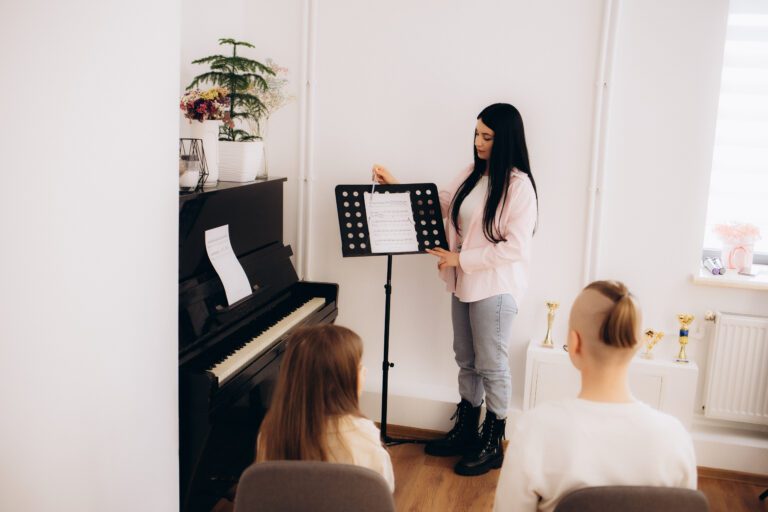
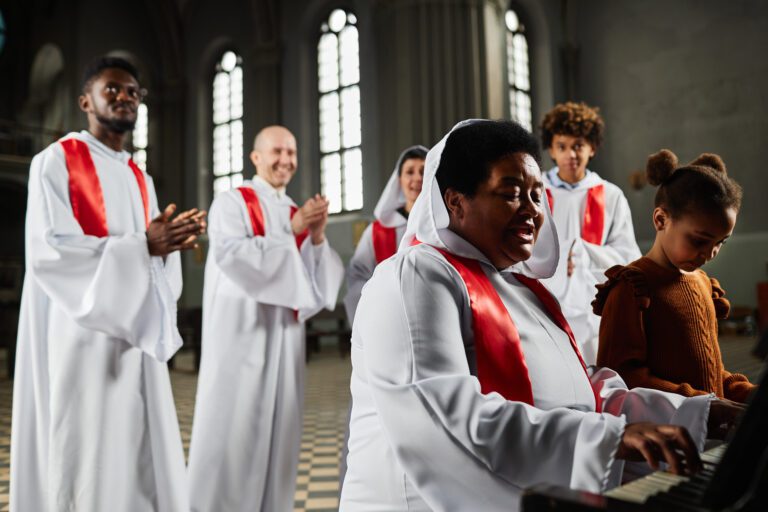
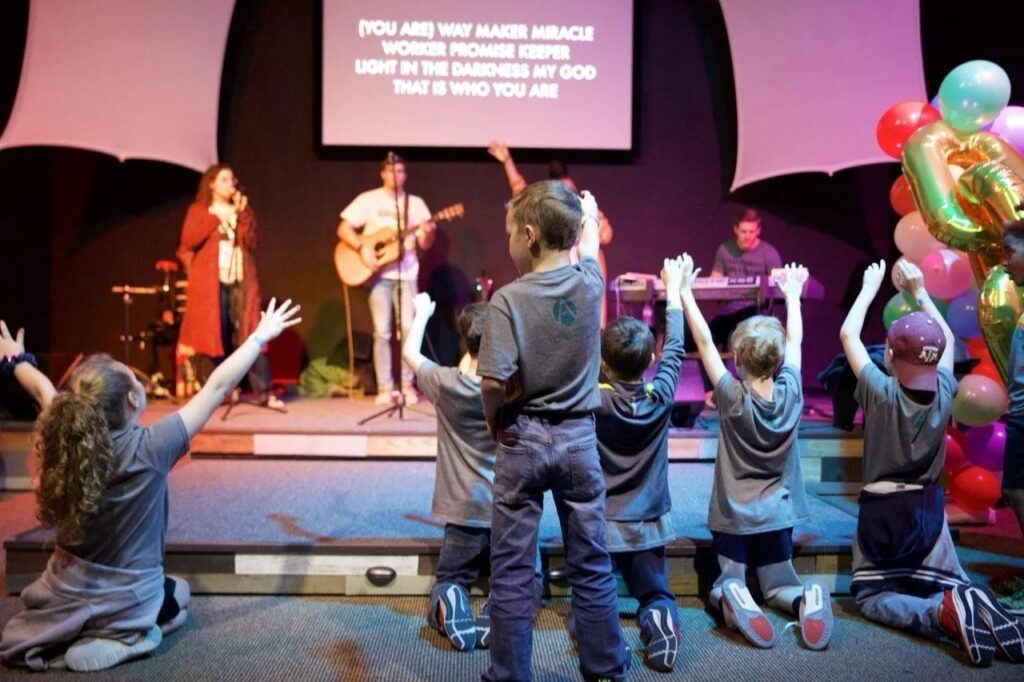
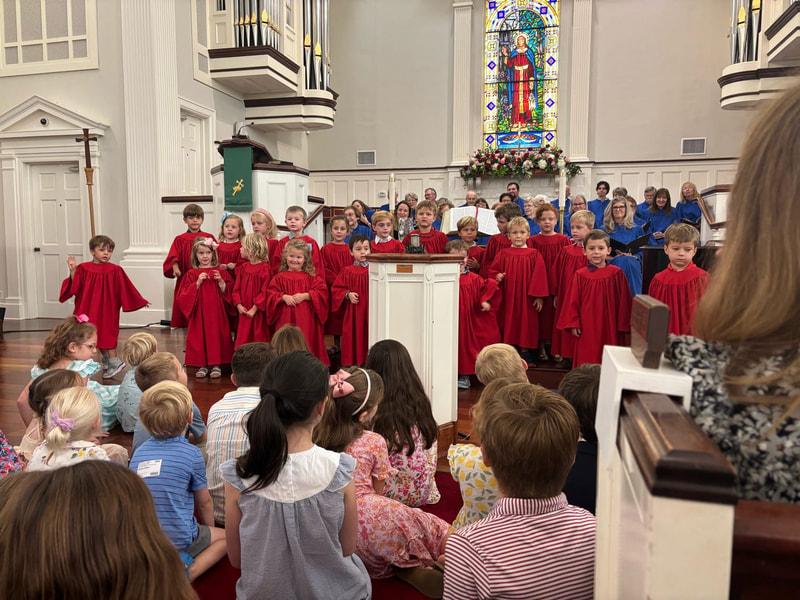
Choir rehearsals can be exciting, inspiring, and rewarding, but they can also become challenging when singers struggle with notes, rhythms, harmonies, or coordination. Whether you are directing a school choir, church choir, community ensemble, or vocal group, learning how to rehearse popular choral songs efficientlycan save valuable time while improving the quality of performances.
Efficient rehearsals are not about rushing through music. Instead, they involve smart planning, clear communication, and focused practice strategies that help singers learn faster and perform with greater confidence. Well-structured rehearsals keep choir members engaged, motivated, and prepared for performances.
At The Mystic Keys, we encourage singers and choir leaders to develop effective rehearsal habits that maximize progress while maintaining the joy of group singing. In this blog, we explore practical methods to rehearse popular choral songs efficiently and achieve better results.
Why It Is Important to Rehearse Popular Choral Songs Efficiently
An organized rehearsal allows singers to:
Learn music faster
Improve vocal confidence
Strengthen ensemble coordination
Reduce performance stress
Achieve better musical results
Efficient rehearsals help choirs make consistent progress.
Plan Before the Rehearsal Begins
Preparation is one of the most important aspects of choir leadership.
Before rehearsal:
Study the score
Identify difficult sections
Mark tempo changes
Prepare rehearsal notes
Good preparation prevents wasted rehearsal time.
How to Rehearse Popular Choral Songs Efficiently with Clear Goals
Every rehearsal should have specific objectives.
Examples include:
Learning a new section
Improving harmonies
Refining diction
Strengthening rhythm
Clear goals help singers stay focused and productive.
Start with Vocal Warm-Ups
Warm-ups prepare singers physically and mentally.
Effective warm-ups improve:
Breath support
Pitch accuracy
Vocal flexibility
Blend and tone
Even a short warm-up routine can significantly improve rehearsal quality.
Teach the Song Structure First
Before singing, help choir members understand the song’s layout.
Discuss:
Verses
Choruses
Bridges
Repeats
Understanding the structure makes learning easier.
Break the Song into Small Sections
Large pieces become more manageable when divided into smaller parts.
Work on:
Individual phrases
Short musical sections
Difficult transitions
Small sections are easier to master and remember.
Focus on Rhythm Before Notes
Rhythm problems often cause more confusion than pitch issues.
Practice:
Clapping rhythms
Speaking lyrics in time
Counting difficult patterns
Strong rhythm creates a solid foundation for singing.
Rehearse Voice Parts Separately
One effective way to rehearse popular choral songs efficiently is to work with each section independently.
Practice:
Sopranos
Altos
Tenors
Basses
Separate rehearsals help singers learn their parts confidently.
Combine Sections Gradually
After individual parts are secure, begin combining voices.
Learning how to rehearse popular choral songs efficiently allows choirs to make the most of every practice session. Through careful planning, focused goals, strategic repetition, and active listening, singers can learn music faster while improving confidence and performance quality.
Whether you lead a church choir, school ensemble, or community group, efficient rehearsals create stronger musicians and more memorable performances. At The Mystic Keys, singers develop the vocal and musical skills needed to thrive in both solo and ensemble settings.
If you want to improve your vocal abilities and become a more confident singer, explore Western Vocal Lessons Onlineand experience professional training designed for modern musicians.
For more information and exciting resources about learning music, visit our website at The Mystic Keys. For more music content and exciting offers follow us on
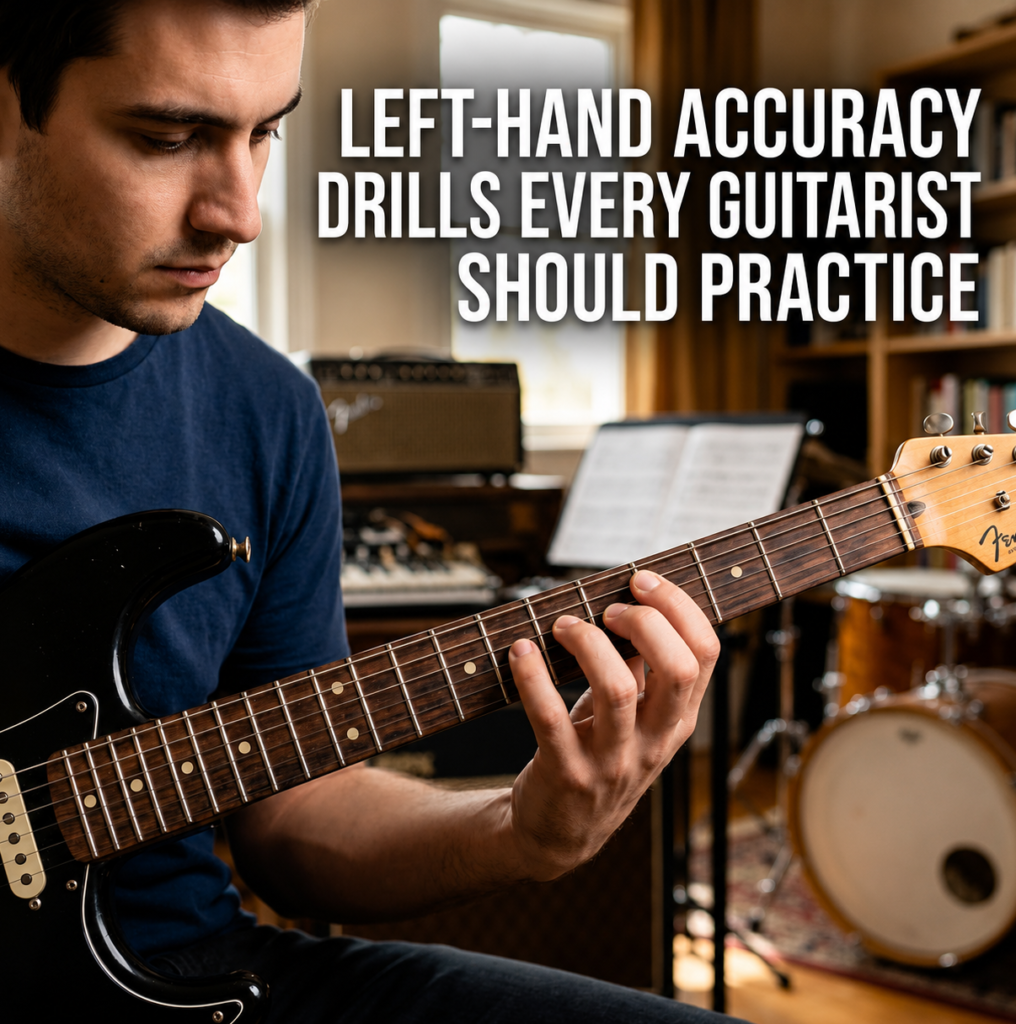
Left-Hand Accuracy Drills Every Guitarist Should Practice
For every guitarist, left-hand accuracy is one of the most important skills that separates a clean, controlled performance from a sloppy one. While many players focus heavily on picking speed, effects, and flashy techniques, the foundation of great guitar playing begins with developing control and precision in the left hand. Strong left-hand accuracy allows you to play notes clearly, move smoothly across the fretboard, execute complex passages, and express musical ideas with confidence.
Whether you are a beginner struggling with basic chord changes or an advanced guitarist working on solos and intricate techniques, improving left-hand accuracy should always remain part of your practice routine. Speed may impress listeners for a moment, but precision creates the kind of playing that feels effortless and professional.
The good news is that left-hand accuracy can be developed through focused exercises. With consistent practice, the fingers become stronger, more independent, and better coordinated with the picking hand. Let’s explore some essential drills that every guitarist should include in their practice sessions.
Understanding the Importance of Left-Hand Accuracy
Before diving into exercises, it is important to understand what left-hand accuracy actually means. It is not simply about hitting the right fret. True accuracy involves placing your fingers at the correct position, applying the right amount of pressure, moving efficiently between notes, and maintaining control at different speeds.
Many guitarists make the mistake of pressing too hard on the strings or lifting their fingers too far away from the fretboard between notes. These habits create unnecessary tension and slow down movement. A precise player uses only the amount of motion required to produce a clean sound.
Developing accuracy also improves musical expression. Clean bends, smooth vibrato, fast runs, and complicated chord shapes all depend on a reliable left hand. Once your fingers learn to move with control, technical challenges become much easier to overcome.
The Chromatic Finger Exercise | Building Finger Independence
One of the simplest yet most effective left-hand drills is the classic chromatic exercise. Although it looks basic, this exercise trains finger independence, coordination, and control across the entire fretboard.
Start by placing your index finger on the first fret, your middle finger on the second fret, your ring finger on the third fret, and your little finger on the fourth fret. Play each note slowly and clearly before moving to the next string.
The goal is not speed in the beginning. Focus on making every note sound clean while keeping your fingers close to the fretboard. Avoid allowing unused fingers to fly away from the strings, as this creates extra movement that will affect accuracy later.
As your control improves, move the exercise across different areas of the neck. Practicing in various positions helps your fingers adapt to different fret distances and prepares you for real musical situations.
The Spider Walk Drill for Left-Hand Accuracy and Coordination
The spider walk is another excellent exercise for developing finger independence. Unlike simple chromatic patterns, this drill forces your fingers to move in unusual combinations, helping them become more flexible and coordinated.
Begin with your index and ring fingers on adjacent strings while your middle and little fingers remain relaxed. Move across the strings using different finger combinations, making sure each finger lands accurately before playing the note.
This exercise may feel uncomfortable at first because it challenges the natural movement patterns your hand has developed. However, that difficulty is exactly what makes it valuable. It trains weaker fingers, especially the ring and little fingers, to work independently.
With regular practice, the spider walk improves your ability to handle complicated riffs, chord extensions, and fast melodic passages without your fingers feeling disconnected.
Practicing Scales With Left-Hand Accuracy and Control
Scale practice is often associated with speed, but it is one of the best opportunities to develop left-hand precision. Instead of rushing through scales, treat every note as a chance to improve your technique.
Play major, minor, pentatonic, and modal scales slowly while paying attention to finger placement. Each finger should land directly behind the fret, producing a clear note without unnecessary pressure.
Using a metronome can make your practice more effective. Start at a comfortable tempo and focus on playing evenly. Gradually increase the speed only when every note remains clean and controlled.
This approach builds reliable technique because your fingers learn proper movement patterns rather than simply memorizing fast motions.
The One-Finger-Per-Fret Exercise | Strengthening Control
A common challenge for guitarists is maintaining control when playing notes that are close together. The one-finger-per-fret exercise helps develop stretching ability, finger strength, and accuracy.
Place each finger on four consecutive frets and play through different patterns. For example, you can move from the first finger to the fourth finger and then reverse the pattern. The focus should remain on smooth movement and consistent tone.
Many players try to force their fingers to stretch too far too quickly. This often creates tension and discomfort. Instead, practice slowly and allow flexibility to develop naturally over time.
This drill is particularly useful for lead guitarists because many solos require quick movements across neighboring frets.
Practicing Hammer-Ons and Pull-Offs for Cleaner Technique
Hammer-ons and pull-offs rely heavily on left-hand control. When performed correctly, they create smooth, connected phrases without requiring every note to be picked.
Start with simple two-note combinations. Pick the first note and hammer onto a higher fret using a controlled finger movement. For pull-offs, make sure the second finger does not simply lift away but slightly pulls the string to create a strong sound.
Many guitarists struggle with these techniques because their fingers lack precision. Practicing slowly helps develop the strength and timing needed for clear articulation.
As your control improves, combine hammer-ons and pull-offs into longer patterns. These exercises will improve both accuracy and musical expression.
Chord Change Drills for Better Left-Hand Accuracy and Fretboard Movement
Left-hand accuracy is not only important for single notes. Chord transitions require the same level of control, especially when playing songs that involve quick changes.
Choose two or three chords that are challenging for you and practice moving between them repeatedly. Instead of focusing only on speed, observe how your fingers travel from one shape to another.
A useful approach is to lift your fingers only slightly between chord changes. Large movements waste time and make transitions feel slower. Efficient players keep their hands relaxed and minimize unnecessary motion.
Over time, these small improvements create smoother rhythm playing and make difficult chord progressions feel much easier.
Accuracy Training With a Metronome
A metronome is one of the most valuable tools for developing reliable technique. It teaches your hands to stay synchronized and helps identify uneven timing.
Begin with slow tempos and play exercises carefully. If a passage feels difficult, reduce the speed instead of forcing your fingers to move faster than they can control.
Gradually increasing tempo builds confidence because your muscles adapt step by step. This method creates lasting improvement rather than temporary bursts of speed.
Remember that accuracy always comes before speed. A perfectly played slow exercise is far more beneficial than a fast exercise filled with mistakes.
Practicing With Relaxation and Proper Technique
Even the best exercises will not produce results if your hand remains tense. Excessive pressure and unnecessary movement can limit progress and even lead to discomfort.
Keep your thumb relaxed behind the neck and allow your fingers to move naturally. Your wrist should not be forced into an uncomfortable position, and your shoulders should remain relaxed while practicing.
A relaxed hand responds faster and adapts better to challenging techniques. Many professional guitarists achieve impressive speed not because they use more force, but because they eliminate wasted movement.
Developing this awareness during practice will make every exercise more effective.
Combining Left-Hand Accuracy Drills With Real Music Practice
Technical exercises are important, but they become even more meaningful when applied to actual music. After practicing drills, spend time using those skills in songs, solos, and riffs.
Take a difficult section from a song and isolate the specific movement causing trouble. Practice it slowly until your fingers understand the pattern, then gradually return it to the original tempo.
This connection between exercises and musical application keeps practice engaging while ensuring that your technique improves in practical situations.
Creating a Consistent Left-Hand Accuracy Practice Routine
Improving left-hand accuracy does not require hours of repetitive practice every day. A focused routine of even 15–20 minutes can create noticeable progress when done consistently.
A balanced practice session might include finger exercises, scale practice, chord transitions, and a few minutes of applying techniques to music. The key is quality practice rather than simply spending more time.
Tracking progress can also keep you motivated. Notice improvements in areas such as cleaner notes, smoother transitions, and better control at higher speeds.
Small improvements repeated over time create major results.
Final Thoughts
Left-hand accuracy is the foundation behind confident and expressive guitar playing. Every great guitarist, regardless of style, depends on precise finger control to communicate musical ideas clearly. Developing this skill through structured practice, such as the lessons offered at Guitar Lessons Online, helps players build the control and coordination needed to perform with greater confidence.
Exercises like chromatic patterns, spider walks, scale practice, chord transitions, and technique drills may seem simple, but their impact is powerful when practiced consistently. The guidance and practice methods shared by platforms like The Mystic Keys can help guitarists understand the importance of technique while creating a strong foundation for musical growth.
By dedicating regular time to left-hand accuracy, you build the technical foundation needed to explore more advanced guitar techniques and perform with greater freedom. A precise left hand does not limit creativity; it unlocks it.
For more information and exciting resources about learning music, visit our website at The Mystic Keys. For more music content and exciting offers follow us on
How Guitar Learning Builds Confidence in Kids & Teens
Guitar Learning Builds Confidence in ways that go far beyond simply playing songs. For children and teenagers, learning guitar can become a powerful tool for personal growth, helping them develop confidence, discipline, creativity, and self-expression. As they learn new skills and overcome challenges, they begin to believe in their abilities both inside and outside the music classroom.
At Mystic Keys, we have seen countless young learners gain confidence through structured guitar lessons. Guitar Learning Builds Confidence by encouraging perseverance, improving performance skills, and helping students achieve meaningful milestones. Let’s explore how guitar learning positively impacts kids and teens.
1. How Guitar Learning Builds Confidence Through New Skills and Achievement
Small achievements, such as playing a complete song or switching chords smoothly, help children realize that consistent effort leads to success. This builds self-confidence and encourages them to take on new challenges with a positive mindset.
2. Why Guitar Learning Builds Confidence Through Patience and Perseverance
Learning guitar is a gradual process that requires regular practice and dedication. Kids and teens quickly learn that improvement comes through persistence rather than instant results.
When students overcome difficult techniques or master challenging songs, they develop resilience. This perseverance strengthens their confidence and teaches valuable life lessons that extend beyond music.
3. Performing in Front of Others Reduces Stage Fear
Regular performance opportunities help reduce nervousness, improve communication skills, and build the confidence needed to express themselves publicly.
4. How Guitar Learning Builds Confidence Through Self-Expression
Many children and teenagers struggle to express their thoughts and emotions openly. Guitar provides a creative outlet where they can communicate through music.
As students learn to interpret songs, create melodies, and develop their own musical style, they become more comfortable expressing themselves. This increased self-expression naturally strengthens self-confidence and emotional well-being.
5. Music Learning Improves Social Confidence
Guitar lessons often involve interaction with teachers, fellow students, and performance groups. These experiences help children develop important social skills.
Collaborating with others, participating in group performances, and sharing musical achievements encourage positive social interactions. As students become more comfortable in these settings, their confidence in everyday communication also grows.
6. Why Guitar Learning Builds Confidence Through Goal Achievement
Successful guitar learning involves setting and achieving goals. Students may work toward learning a favorite song, completing a music exam, or performing in a recital.
Each milestone achieved reinforces the belief that hard work produces results. This growth mindset helps kids and teens approach academic, personal, and social challenges with greater confidence and determination.
As children and teenagers continue their musical journey, they develop a stronger sense of self-belief that supports success in school, relationships, and future careers.
Conclusion
Understanding how guitar learning builds confidence in kids & teens helps parents recognize the many benefits of music education. Beyond learning chords and songs, guitar lessons nurture self-esteem, creativity, resilience, and communication skills.
At The Mystic Keys, our experienced instructors provide supportive and engaging guitar lessons online that help young learners grow both musically and personally. Whether students are beginners or advancing their skills, they can learn guitar lessons online from the comfort of their homes with expert guidance. With the right support, the guitar can become a powerful pathway to lifelong confidence and success.
For more information and exciting resources about learning music, visit our website at The Mystic Keys. For more music content and exciting offers follow us on
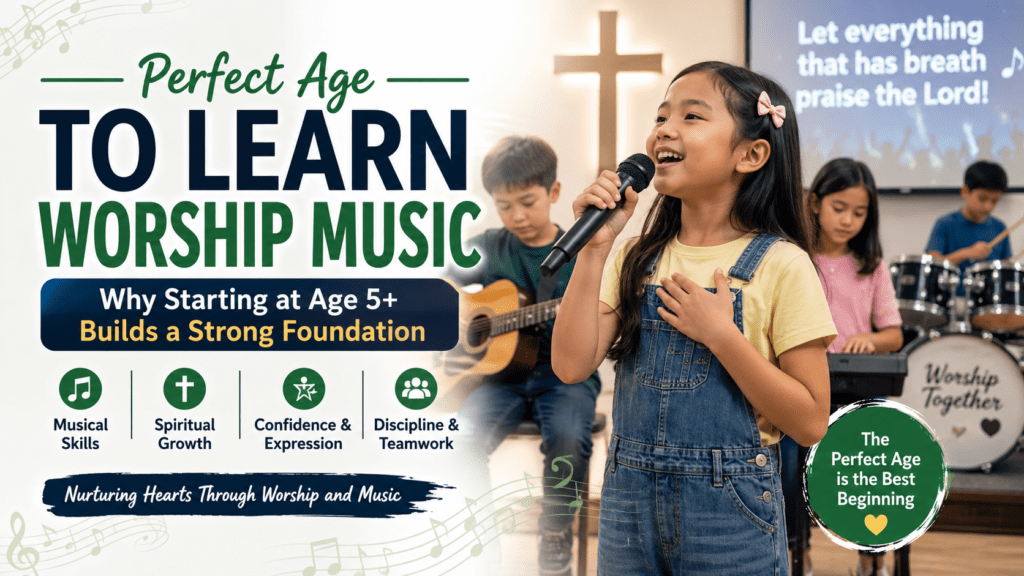
Perfect Age to Learn Worship Music: Why Starting at Age 5+ Creates a Strong Musical Foundation
Many parents who are interested in music education often ask the same question: What is the perfect age to learn worship music? It is a common concern because parents want to ensure their children begin learning at the right time and receive the greatest benefits from their musical journey. While people can learn worship music at any stage of life, many music educators agree that the perfect age to learn worship music is around 5 years old and above.
At this age, children begin developing the mental, emotional, and physical skills needed to understand basic musical concepts. They can follow instructions, remember song lyrics, recognize rhythm patterns, and participate in structured lessons. More importantly, they are naturally curious and eager to explore new activities, making it an ideal time to introduce worship music.
Learning worship music is not only about singing songs during church services. It is also about developing confidence, discipline, creativity, teamwork, listening skills, and a deeper appreciation for music and worship. Children who begin learning at an early age often develop a strong musical foundation that supports them throughout their lives.
This article explores why age 5 and above is often considered the perfect age to learn worship music, the benefits of starting early, and how parents can help their children succeed in worship music education.
Understanding the Perfect Age to Learn Worship Music
The concept of the perfect age to learn worship music does not mean that children younger than five cannot enjoy music or that older students cannot become successful musicians. Instead, it refers to the stage at which most children are developmentally ready to absorb musical concepts effectively.
By age five, children generally have stronger attention spans and improved listening abilities compared to their preschool years. They can participate in organized activities and understand instructions from teachers more easily. Their memory skills are also developing rapidly, allowing them to learn song lyrics, melodies, and rhythms with greater ease.
At this stage, children are often excited about singing and performing. They enjoy group activities and respond positively to encouragement from parents and teachers. These qualities make age five and above an excellent starting point for worship music education.
Why Age 5+ Is Often Considered the Perfect Age to Learn Worship Music
One reason age five is considered the perfect age to learn worship music is because children begin developing stronger cognitive abilities. They can focus for longer periods, follow lesson structures, and understand simple musical instructions.
Music lessons often involve learning patterns, recognizing sounds, counting rhythms, and memorizing lyrics. These tasks become easier when children reach an age where their cognitive skills are growing rapidly.
Learning worship music during this developmental stage helps strengthen memory, concentration, and problem-solving skills, which can also support academic learning.
Listening is one of the most important skills in worship music. Students must learn to recognize pitch, rhythm, timing, and dynamics. Children aged five and above are better able to focus on what they hear and respond appropriately.
Through worship music lessons, children learn how to listen carefully to melodies and follow musical cues. These listening skills become valuable not only in music but also in communication and classroom learning.
Young children develop better motor coordination around age five. This physical development makes it easier for them to participate in singing exercises, rhythm activities, and instrument training.
Whether learning piano, guitar, drums, violin, or vocal techniques, students benefit from having stronger control over their movements. This is another reason why many educators believe that age five is the perfect age to learn worship music.
Benefits of Starting at the Perfect Age to Learn Worship Music
One of the greatest advantages of starting at the perfect age to learn worship music is the opportunity to develop a strong foundation. Just as children learn language skills more easily when they are young, they also absorb musical concepts more naturally during their early years.
Students who begin worship music training at age five often develop:
Rhythm awareness
Pitch recognition
Musical memory
Vocal control
Confidence in performance
Creative expression
These foundational skills help students progress more smoothly as they grow older.
Confidence is a valuable life skill, and music education provides many opportunities to build it.
Children who participate in worship music lessons often perform in front of teachers, classmates, church members, or family audiences. These experiences help them overcome nervousness and become more comfortable expressing themselves publicly.
Over time, students learn that preparation and practice lead to improvement. This realization strengthens self-confidence and encourages them to tackle new challenges in other areas of life.
Success in music requires regular practice and commitment. When children start learning at the perfect age to learn worship music, they begin developing healthy habits that can benefit them for years.
Music teaches students that improvement comes through consistent effort. Even a few minutes of daily practice can lead to noticeable progress.
These lessons in discipline often carry over into schoolwork, sports, and other activities.
As children practice these skills, they strengthen their memory and attention span. Research has consistently shown that musical training can support cognitive development and improve focus.
Because age five is a period of rapid brain development, it is often considered the perfect age to learn worship music and maximize these benefits.
Spiritual Benefits of Learning Worship Music at the Perfect Age
Unlike some forms of music education, worship music combines musical growth with spiritual development.
Children who learn worship music become familiar with songs that communicate messages of hope, gratitude, faith, kindness, and love. These themes can positively influence their character and worldview.
Through worship music, children learn how music can be used as a form of expression, celebration, and connection with their faith community.
Many parents value worship music because it allows children to engage with meaningful content while developing musical skills.
Worship Music Helps Develop Creativity
Creativity is an important skill in today’s world. Worship music encourages students to think creatively by exploring melodies, harmonies, rhythms, and musical interpretation.
Young learners often enjoy experimenting with musical ideas and expressing themselves through singing and performance.
Starting at the perfect age to learn worship music allows children to develop creative confidence during a stage when their imagination is naturally active.
Creative thinking developed through music can benefit many areas of life, including education, communication, and problem-solving.
Social Benefits of Learning Worship Music
Music is often a shared experience. Worship music lessons frequently involve group activities, choirs, ensembles, and church performances.
These experiences help children:
Develop teamwork skills
Learn cooperation
Build friendships
Improve communication
Gain respect for others
Participating in group music activities teaches children how to work toward a common goal while supporting fellow musicians.
These social skills become valuable throughout life.
Can Younger Children Learn Worship Music?
Some parents introduce music to children before age five, and this can certainly be beneficial.
Children aged three and four can participate in introductory music activities that focus on:
Singing simple songs
Movement and rhythm exercises
Listening activities
Musical games
These experiences create familiarity with music and prepare children for more structured lessons later.
However, many educators still consider age five and above to be the perfect age to learn worship music because children are generally better prepared for formal instruction.
Can Teenagers and Adults Learn Worship Music?
Absolutely.
Although age five is often considered the perfect age to learn worship music, older students can also achieve excellent results.
Teenagers and adults bring their own advantages to the learning process, including stronger self-discipline, motivation, and emotional understanding.
Many successful worship leaders and musicians began their musical journey later in life.
The most important factor is willingness to learn and practice consistently.
How Parents Can Support Worship Music Learning
Parents play a crucial role in helping children enjoy and succeed in worship music education.
Encourage Regular Practice
Consistency is more important than long practice sessions.
Even 15 to 20 minutes of focused practice each day can produce excellent results over time.
Celebrate Progress
Every achievement deserves recognition.
Encouraging children when they master a new song or improve a skill helps maintain motivation.
Create a Positive Learning Environment
Children learn best when they feel supported.
Avoid excessive pressure and focus on growth rather than perfection.
Listen to Worship Music Together
Playing worship music at home can strengthen musical understanding and create additional learning opportunities.
It also helps children become familiar with different worship styles and songs.
Choosing the Right Worship Music Program
Finding the right teacher or music school is essential.
A quality worship music program should provide:
Structured lessons
Qualified instructors
Age-appropriate teaching methods
Performance opportunities
Positive encouragement
Clear learning goals
The right learning environment can make a significant difference in a child’s musical development.
Common Myths About Learning Worship Music
Myth 1: Children Must Be Naturally Talented
Talent can be helpful, but consistent practice and quality instruction are far more important.
Most musical skills can be developed through training.
Myth 2: Learning Worship Music Is Only About Singing
Worship music includes many skills, including rhythm, ear training, musical expression, and instrument performance.
Myth 3: Starting Late Means Failure
People of all ages can learn worship music successfully.
The reason age five is often called the perfect age to learn worship music is simply because it provides a longer period for skill development.
Long-Term Benefits of Starting Early
Children who begin worship music education at an early age often enjoy long-term advantages such as:
Stronger musical foundations
Better confidence
Improved discipline
Enhanced listening skills
Greater creativity
Better concentration
Increased self-esteem
Lifelong enjoyment of music
These benefits extend beyond music and can positively influence personal and academic growth.
When considering the perfect age to learn worship music, many educators and music professionals point to 5 years old and above as an ideal starting point. At this age, children are developmentally ready to understand musical concepts, participate in structured lessons, and build foundational skills that support long-term success.
Starting worship music at age five helps children develop confidence, discipline, creativity, listening abilities, and spiritual awareness. It also provides opportunities for social interaction, personal growth, and meaningful musical experiences.
For parents looking to help their children begin this musical journey, Worship Piano & Singing Lessons Online can provide structured guidance, professional instruction, and a supportive learning environment that helps young learners build strong musical foundations from an early age.
While worship music can certainly be learned at any age, beginning at the perfect age to learn worship music gives young learners a valuable head start. The skills, habits, and confidence gained through early music education can benefit them throughout their lives.
Ultimately, the perfect age to learn worship music is not just about becoming a better musician—it is about helping children discover the joy of music, develop valuable life skills, and build a lifelong appreciation for worship and creative expression.
Intersted in learning music with us? Register now
For more information and exciting resources about learning music, visit our website at The Mystic Keys. For more music content and exciting offers follow us on
Piano Expression | What Makes a Piano Piece Sound Beautiful?
A piano piece can have all the correct notes, perfect timing, and flawless technique, yet still leave listeners unmoved. On the other hand, a performance with a few minor imperfections can captivate an audience and stay in their memory long after the final note fades away. The difference often lies in piano expression—the ability to communicate emotion, shape musical phrases, and bring meaning to every note. While technical skill provides the foundation, piano expression transforms a performance from accurate to beautiful, allowing musicians to connect with listeners on a deeper emotional level.
Expression is the heart of piano playing. It transforms a sequence of notes into a meaningful musical experience and allows performers to communicate emotions that words often cannot. While technique provides the foundation, expression brings the music to life. Understanding how expressive playing works can help pianists move beyond simply playing notes and begin creating performances that truly resonate with listeners.
Beyond the Notes | Why Piano Expression Matters
Learning a piano piece often begins with reading notes, understanding rhythms, and developing finger coordination. These elements are essential because they create the framework of the music. However, beautiful performances require much more than technical accuracy.
Imagine listening to someone read a poem in a monotone voice. Every word may be pronounced correctly, yet the meaning and emotion are lost. Music functions in much the same way. A pianist who focuses only on hitting the right notes may produce a technically correct performance, but the emotional depth of the composition can remain hidden.
Expression allows performers to reveal the character, mood, and story behind the music. Through subtle variations in touch, timing, and dynamics, a pianist can make a melody sound joyful, nostalgic, dramatic, or peaceful. As a result, listeners become emotionally engaged rather than simply hearing a collection of sounds.
The Power of Dynamics in Piano Expression
One of the most important elements of expression is dynamics, which refers to variations in volume. Music becomes far more engaging when it rises and falls naturally instead of remaining at a constant level.
Soft passages often create intimacy, tenderness, or reflection. Loud sections can generate excitement, intensity, or triumph. The beauty of piano playing lies in the ability to move seamlessly between these contrasting levels of sound.
Many beginners assume dynamics simply mean playing loudly or softly. In reality, expressive dynamics involve countless shades between the extremes. A gradual crescendo can build anticipation and emotional tension, while a carefully controlled diminuendo can create a sense of calm or resolution.
When used thoughtfully, dynamic changes guide the listener’s attention and help shape the emotional journey of the piece.
Touch | The Pianist’s Unique Voice
Although every piano contains the same keys, no two pianists sound exactly alike. Much of this individuality comes from touch.
Touch refers to the way a pianist physically interacts with the keyboard. Different approaches to pressing the keys produce different tonal qualities. A melody can sound warm and singing, bright and energetic, or delicate and fragile depending on the player’s touch.
Developing a beautiful tone requires careful listening. Skilled pianists constantly evaluate the sound they create and adjust their technique accordingly. Instead of merely pressing keys, they shape each note with intention.
Over time, touch becomes a personal musical signature. This is why experienced listeners can often recognize a performer’s style even when playing familiar pieces.
Phrasing | Letting the Music Breathe
Music is often compared to language, and phrasing is one reason why. Just as sentences contain natural pauses and emphasis, musical phrases require shape and direction.
A phrase is a musical idea that unfolds over several notes. Without proper phrasing, music can sound mechanical and disconnected. With thoughtful phrasing, melodies begin to breathe and flow naturally.
Effective phrasing involves understanding where a musical idea begins, where it builds, and where it resolves. Rather than treating every note equally, expressive pianists highlight important notes and gently guide the listener through the musical line.
Consequently, the music feels more conversational and emotionally compelling. Audiences may not consciously identify these phrase shapes, but they often sense their impact immediately.
The Art of Timing and Rubato in Piano Expression
Perfect timing is important, but expressive timing often involves subtle flexibility. This concept is known as rubato, a musical technique that allows slight adjustments in tempo for expressive purposes.
Rubato does not mean ignoring the rhythm or playing carelessly. Instead, it involves stretching or compressing certain moments to enhance musical meaning. A pianist may linger briefly on an emotional note or move forward slightly during an exciting passage.
Used tastefully, rubato adds humanity to a performance. It creates the feeling that the music is being experienced in the moment rather than mechanically reproduced.
However, effective rubato requires balance and musical understanding. Excessive flexibility can disrupt the structure of the piece, while thoughtful use can make the music feel alive and deeply expressive.
Piano Expression Begins with Listening
Many pianists focus intensely on what their fingers are doing, yet expressive playing depends equally on listening.
Great performers constantly evaluate the sounds they produce. They listen for balance between melody and accompaniment, consistency of tone, dynamic contrast, and overall musical shape.
Through attentive listening, pianists become more aware of subtle details that influence the beauty of a performance. Small adjustments in volume, timing, or touch can dramatically change the emotional effect of a passage.
For this reason, recording practice sessions can be incredibly valuable. Hearing one’s own playing from the perspective of a listener often reveals opportunities for greater expression that might otherwise go unnoticed.
Understanding the Composer’s Intent
Expression becomes more meaningful when it is rooted in an understanding of the music itself. Every composition reflects the artistic vision of its composer, and studying that context can greatly enrich interpretation.
Historical background, stylistic conventions, and the composer’s personal circumstances often provide clues about the emotional character of a piece. A Romantic-era composition may invite greater freedom and emotional intensity, while a Baroque work might call for elegance and clarity.
Knowledge of these stylistic differences helps pianists make informed expressive decisions rather than relying solely on instinct. As interpretation deepens, performances tend to become more convincing and authentic.
Emotional Connection Creates Beautiful Music
Technical mastery alone does not guarantee expressive playing. Genuine emotional connection is equally important.
When performers understand and feel the emotions within a piece, audiences often respond more strongly. This does not mean inventing emotions that are not present in the music. Instead, it involves discovering what the composition communicates and expressing that message sincerely.
Different listeners may interpret a piece in unique ways, yet authentic performances often create a shared emotional experience. That connection between performer, music, and audience is one of the most powerful aspects of piano playing.
Because of this, expressive musicians spend time exploring the emotional landscape of a composition rather than focusing exclusively on technical challenges.
Developing Piano Expression as a Pianist
Expression is not an inborn talent reserved for a select few musicians. Like technique, it can be developed through consistent practice and thoughtful study.
Growth begins with active listening, both to one’s own performances and to accomplished pianists. Careful attention to dynamics, phrasing,tone, and timing gradually expands a musician’s expressive vocabulary. As experience grows, these elements become more natural and integrated.
Patience is essential during this process. Expression often develops alongside musical maturity, becoming richer as pianists gain deeper understanding of both music and themselves.
Conclusion
What makes a piano piece sound beautiful is not merely the accuracy of the notes but the emotion and meaning behind them. Dynamics add contrast, touch shapes tone, phrasing creates flow, and timing brings flexibility and life to the music. Above all, expression allows performers to connect with listeners on a deeply human level.
The most memorable piano performances are rarely those that are technically perfect. Instead, they are the ones that make us feel something. When technique and expression work together, music transcends the keyboard and becomes a powerful form of communication. That is the true beauty of piano playing, and it is what turns a simple performance into an unforgettable musical experience.
Developing expressive playing takes time, careful listening, and thoughtful guidance. Through structured Piano Lessons Online, students can learn not only the technical aspects of piano performance but also the artistic skills that bring music to life. At The Mystic Keys, nurturing musical expression is considered just as important as building strong technique, helping students become confident and expressive musicians.
For more information and exciting resources about learning music, visit our website at The Mystic Keys. For more music content and exciting offers follow us on