How Dynamics Can Transform a Simple Piano Piece
Many beginner pianists focus primarily on playing the correct notes and maintaining a steady rhythm. While accuracy is an essential part of learning, it is only one piece of becoming a truly expressive musician. What separates an ordinary performance from a memorable one is often not the complexity of the music but the way it is played. This is where piano dynamics Can Transform become incredibly important.
Dynamics refer to the variation in volume throughout a piece of music. Playing softly, loudly, or gradually changing the intensity gives music emotion, character, and life. Even the simplest melody can sound captivating when performed with thoughtful dynamic control. Without dynamics, a performance may sound mechanical and lack emotional connection, regardless of how accurately the notes are played.
Whether you are learning classical pieces, contemporary songs, worship music, or film scores, understanding piano dynamics will help you communicate emotion more effectively and become a more expressive pianist.
What Are Piano Dynamics?

Before learning how to apply dynamics, it is important to understand what they are.
Piano dynamics describe how loudly or softly music should be played. Composers use dynamic markings to guide performers and shape the emotional flow of a piece.
Some common dynamic markings include:
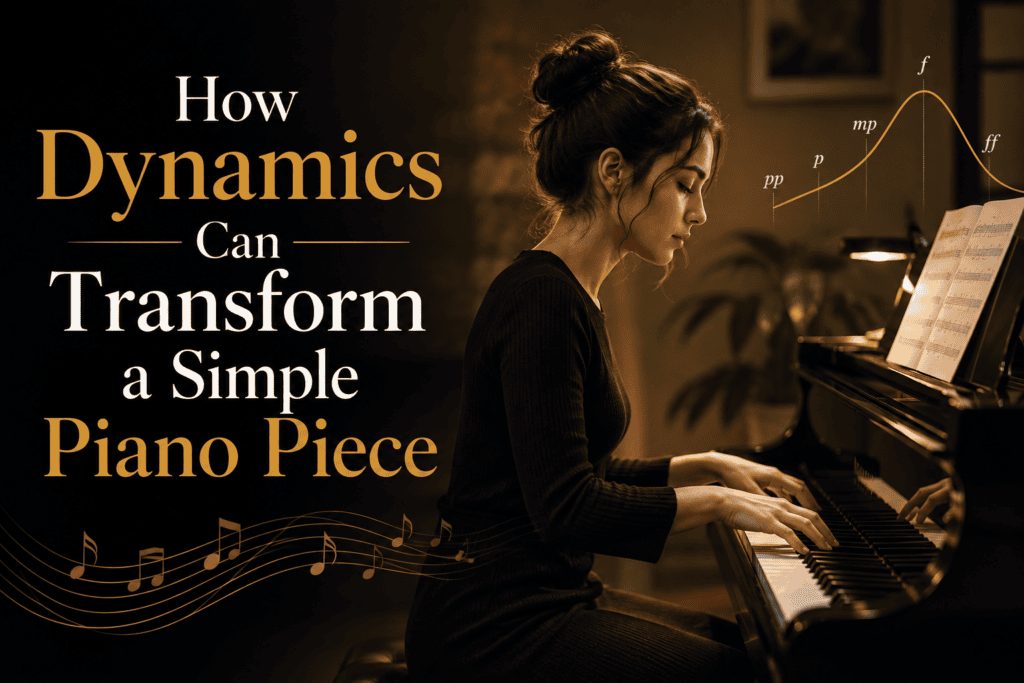
- Pianissimo (pp) – very soft
- Piano (p) – soft
- Mezzo Piano (mp) – moderately soft
- Mezzo Forte (mf) – moderately loud
- Forte (f) – loud
- Fortissimo (ff) – very loud
These markings are much more than volume instructions—they help tell the musical story.
Piano Dynamics Create Musical Expression
Following dynamic markings allows performers to communicate emotion, highlight important phrases, and make each performance more engaging.
Why Piano Dynamics Matter
Imagine listening to someone read a story using exactly the same tone and volume from beginning to end. Even an exciting story would quickly become uninteresting.
Music works the same way.
Without changes in volume, every phrase sounds similar, making it difficult for listeners to experience the emotions the composer intended.
Piano dynamics add excitement, contrast, and expression while making the performance feel natural and meaningful.
Dynamics Bring Music to Life
The careful use of loud and soft passages transforms simple notes into an expressive musical conversation.
How Piano Dynamics Improve Musical Expression
Expression is one of the defining characteristics of beautiful piano playing.
When performers vary their dynamics thoughtfully, they can create feelings of joy, sadness, excitement, peace, hope, or tension without changing a single note.
The melody becomes more expressive simply because the performer understands how to shape each phrase.
Emotion Comes Through Dynamics
Even beginner pieces sound more mature when dynamics are applied naturally rather than playing every note at the same volume.
Learning to Control Finger Pressure
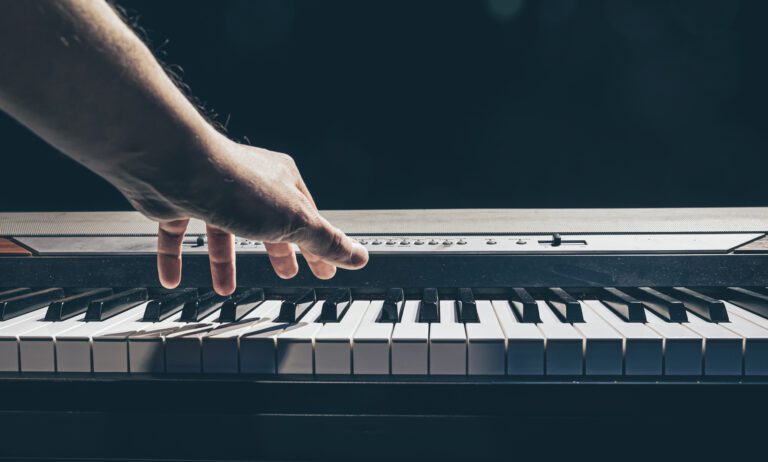
Good dynamic control begins with proper touch.
Instead of striking every key with equal force, pianists learn to control the amount of weight transferred through their fingers into the keys.
Small adjustments create significant differences in sound quality.
Developing this control requires patience and focused practice.
Gentle Hands Produce Beautiful Tone
Relaxed hands and controlled finger movements allow greater flexibility when performing soft and loud passages.
Reading Dynamic Markings Correctly
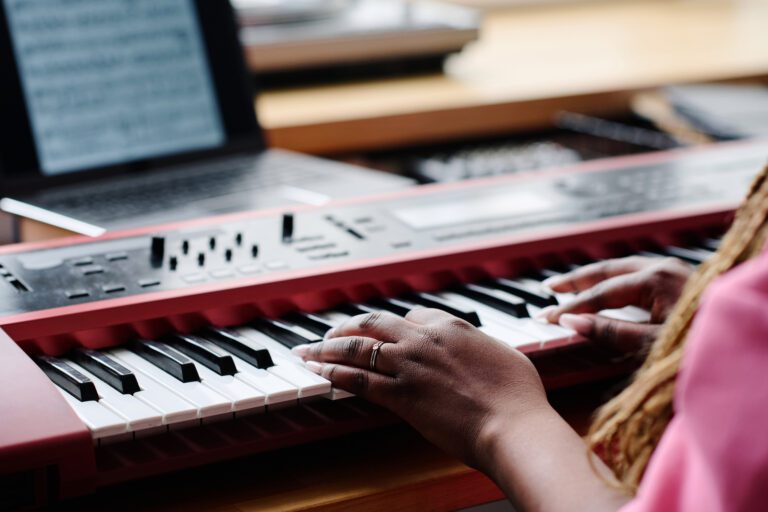
Many students notice dynamic symbols in their sheet music but do not always apply them consistently.
Learning to recognize these markings while practicing helps build good musical habits from the beginning.
Pay close attention to:
- Crescendo
- Diminuendo
- Accent markings
- Phrase endings
- Sudden dynamic changes
These instructions help shape the music exactly as the composer intended.
Every Marking Has a Purpose
Following dynamic instructions makes performances sound more expressive and authentic.
Crescendo and Diminuendo Add Movement
Gradual changes in volume are among the most expressive tools available to pianists.
A crescendo slowly increases volume, building excitement and anticipation.
A diminuendo gradually decreases volume, creating relaxation or gentle endings.
Practicing these transitions develops excellent control over tone and expression.
Smooth Changes Sound Natural
Avoid making sudden volume changes unless specifically indicated in the music. Gradual transitions often sound more musical.
Listening Improves Piano Dynamics
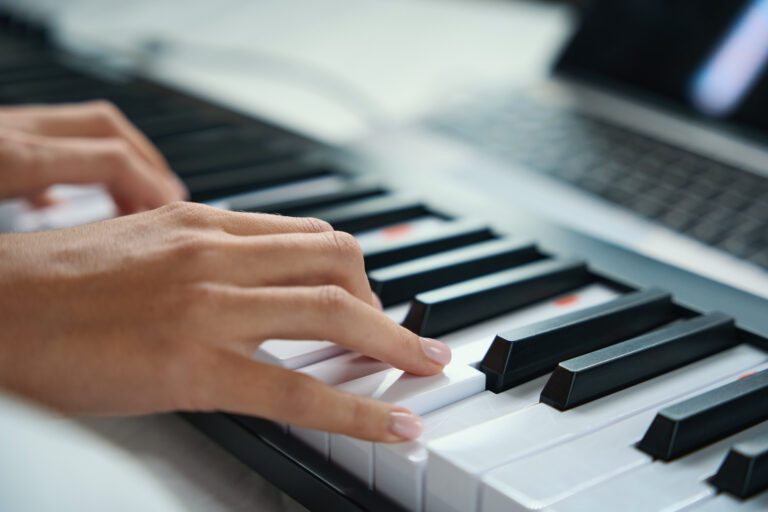
One of the best ways to improve dynamic control is by listening carefully to experienced pianists.
Notice how they shape phrases, emphasize melodies, and create contrast throughout a performance.
Listening develops musical awareness that cannot always be learned from notation alone.
Learn from Great Performers
Studying expressive performances helps students understand how dynamics influence musical storytelling.
Practice Slowly to Improve Piano Dynamics
Many students focus so much on learning the notes that they ignore expression until much later.
Instead, include dynamics from the very beginning of your practice.
Practicing slowly allows you to concentrate on:
- Finger control
- Tone quality
- Volume changes
- Relaxation
- Musical phrasing
This approach creates stronger habits that remain consistent as pieces become faster.
Slow Practice Creates Better Control
Speed should never come at the expense of beautiful musical expression.
Common Mistakes to Avoid
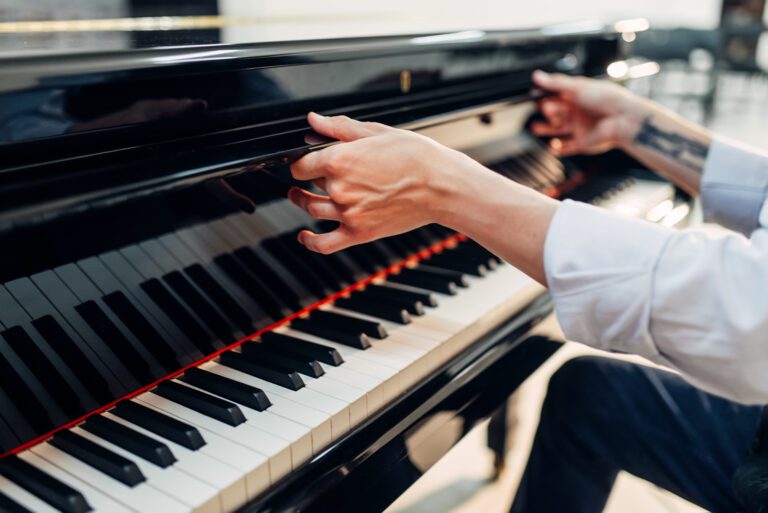
Many pianists unintentionally reduce expression by developing habits that limit dynamic variety.
Common mistakes include:
- Playing every note at the same volume.
- Ignoring dynamic markings.
- Pressing the keys too hard.
- Tensing the wrists and shoulders.
- Focusing only on technical accuracy.
- Rushing expressive passages.
Recognizing these habits early leads to more expressive performances.
Relaxation Supports Better Dynamics
A relaxed posture allows greater control over both soft and powerful playing.
Applying Piano Dynamics Can Transform to Different Styles
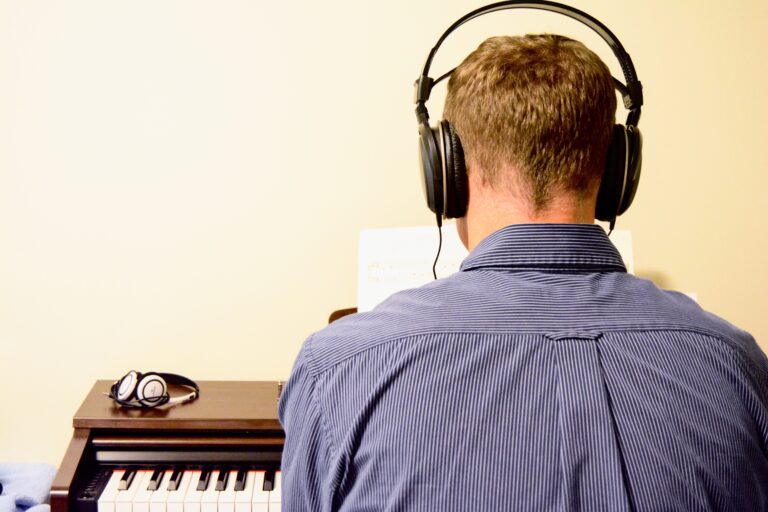
Dynamics play an important role in every style of piano music.
Classical music often uses detailed dynamic markings to shape long phrases.
Jazz relies on subtle touch and spontaneous expression.
Worship piano uses dynamics to support singing and create emotional atmosphere.
Film music frequently builds dramatic tension through gradual changes in volume.
Understanding how dynamics function across different genres makes pianists more versatile musicians.
Every Style Uses Expression
Although dynamic approaches may vary, expressive playing remains essential in every musical genre.
Daily Practice Builds Dynamic Control

Like every musical skill, dynamic control improves through consistent repetition.
A balanced daily routine may include:
- Scale practice with varied dynamics.
- Soft and loud chord exercises.
- Crescendo and diminuendo drills.
- Phrase shaping.
- Playing familiar pieces with greater expression.
These exercises gradually strengthen touch, control, and musical confidence.
Consistency Leads to Expressive Playing
Even fifteen to twenty minutes of focused dynamic practice each day produces noticeable improvement over time.
Conclusion
Developing strong piano dynamics Can Transform is one of the most effective ways to transform a simple piano piece into an expressive musical performance. While playing the correct notes is important, true musicianship comes from communicating emotion through thoughtful changes in volume, touch, and phrasing. By practicing dynamic control, following musical markings, listening carefully, and developing a sensitive touch, pianists can make every performance more engaging and memorable.
At The Mystic Keys, our personalized Piano Lessons Online help students master not only technique but also musical expression through one-on-one instruction, structured practice, and expert guidance. Whether you’re a beginner or an advancing pianist, our experienced teachers will help you develop confident technique and expressive playing that brings every piece of music to life.
For more information and exciting resources about learning music, visit our website at The Mystic Keys. For more music content and exciting offers follow us on
Facebook, Instagram, YouTube, LinkedIn, Twitter, Pinterest, and Threads.