How to Play Lead Guitar in a Worship Band | Complete Beginner to Advanced Guide
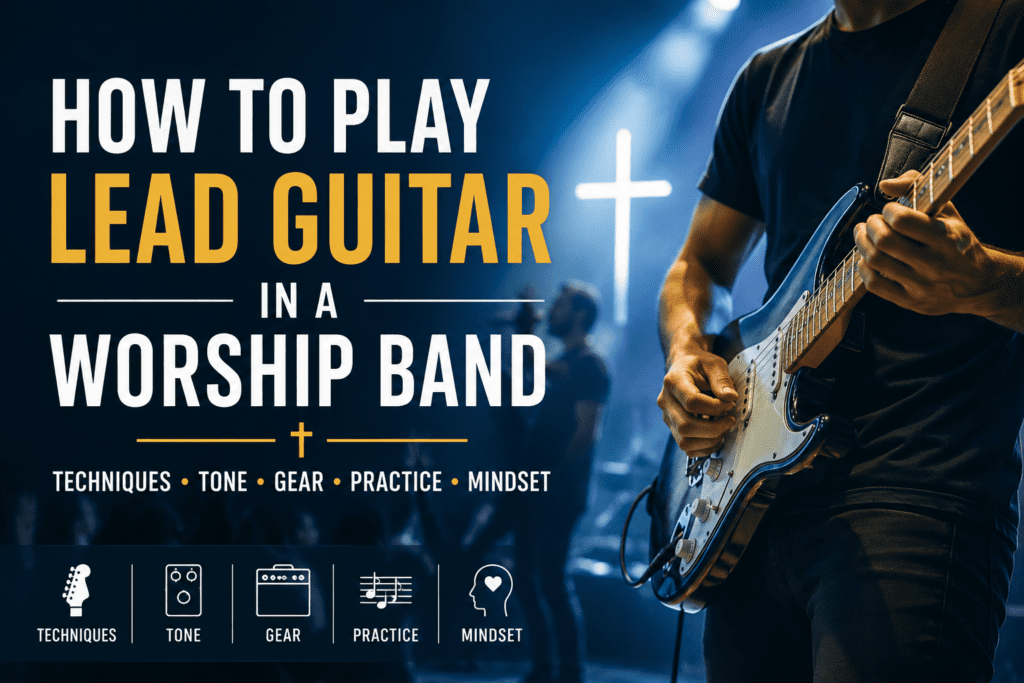
How to Play Lead Guitar in a Worship Band Lead guitar plays a powerful role in modern worship music. From atmospheric melodies to expressive solos and dynamic swells, a skilled worship lead guitarist helps create emotional depth and supports the worship experience without overpowering the band.
Whether you are new to worship guitar or looking to improve your musicality in church, this guide will help you understand techniques, tone, gear, practice methods, and the mindset needed to become an effective worship lead guitarist.
What Does a Lead Guitarist Do in a Worship Band?
A lead guitarist in a worship band does much more than play solos. Your role is to support the song emotionally and spiritually while adding texture, melody, and dynamics.
A worship lead guitarist typically:
- Plays melodic hooks
- Creates ambient textures
- Supports vocal melodies
- Adds transitions between sections
- Builds intensity during choruses
- Uses swells and atmospheric sounds
- Enhances emotional moments in worship
Unlike rock music, worship guitar focuses more on atmosphere and musical support rather than flashy technical playing.
Essential Skills for Worship Lead Guitar
To become confident in a worship setting, you need a combination of technical skill and musical awareness.
Good rhythm is critical in worship music. Practice regularly with a metronome to improve consistency and groove.
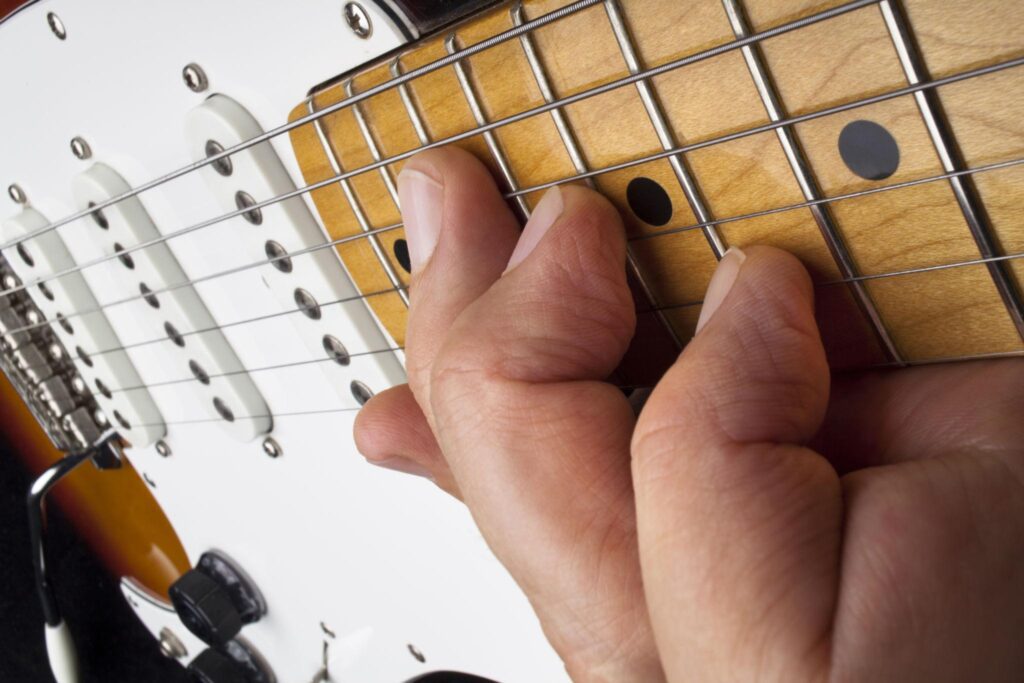
2. Knowledge of Chords and Scales
Understanding scales helps you create melodic lines that fit the worship song naturally.
The most common scales include:
- Major scale
- Minor pentatonic scale
- Major pentatonic scale
- Nashville Number System patterns
The major scale is foundational for worship melodies:
C D E F G A BC\ D\ E\ F\ G\ A\ BC D E F G A B
3. Ear Training
Learning songs by ear helps you react quickly during rehearsals and spontaneous worship moments.
4. Dynamics Control
Worship music often builds gradually. Learn how to play softly, swell naturally, and increase intensity smoothly.
Understanding Worship Guitar Tone
Tone is one of the most important aspects of worship lead guitar.
Core Elements of Worship Tone
Clean Sound
Most worship music uses clean or slightly overdriven tones instead of heavy distortion.
Delay
Delay creates spaciousness and rhythmic repetition.
Common delay settings:
- Quarter-note delay
- Dotted eighth-note delay
- Stereo delay
Reverb
Reverb adds atmosphere and depth.
Popular reverb styles:
- Hall reverb
- Shimmer reverb
- Ambient reverb
Compression
Compression helps maintain consistent volume and sustain.
Best Scales for Worship Lead Guitar
Major Pentatonic Scale
This scale works perfectly for uplifting worship melodies.
C D E G AC\ D\ E\ G\ AC D E G A
It sounds open, melodic, and emotional.
Minor Pentatonic Scale
Useful for emotional and reflective worship moments.
A C D E GA\ C\ D\ E\ GA C D E G
Using Chord Tones
One of the best worship guitar techniques is targeting notes within the current chord progression.
For example, in the progression:
C−G−Am−FC – G – Am – FC−G−Am−F
You can create melodic phrases using notes from each chord.
How to Build Melodic Worship Guitar Parts
Focus on Simplicity
Great worship guitar parts are usually simple and memorable.
Avoid overplaying.
Instead:
- Leave space
- Use repetition
- Follow the vocal melody
- Support the emotional direction of the song
Use Repeating Motifs
A short melodic phrase repeated throughout the song creates consistency and emotional connection.
Play Around the Vocals
Never compete with the singer. Play complementary phrases between vocal lines.
Using Delay and Reverb in Worship Music
Ambient effects are a signature part of modern worship guitar.
Delay Tips
- Sync delay tempo with the song BPM
- Use dotted eighth delay for rhythmic patterns
- Keep repeats clean and controlled
Reverb Tips
- Avoid excessive wash during fast songs
- Increase reverb during quiet worship moments
- Use shimmer effects carefully
The goal is clarity with atmosphere.
Playing with the Worship Team
A worship guitarist must listen carefully to the entire band.
Work with the Keyboard Player
Avoid occupying the same frequency range constantly.
Lock in with the Drummer
Timing and groove are essential for modern worship music.
Support the Worship Leader
Follow dynamics and transitions closely.
Your playing should strengthen congregational worship rather than draw attention to yourself.
Common Worship Guitar Techniques
Volume Swells
Use the volume knob or pedal to create smooth atmospheric pads.
Octave Melodies
Octave playing adds energy and fullness.
Delay Picking Patterns
Rhythmic delay creates modern worship textures.
Arpeggios
Broken chord patterns work beautifully in worship intros and verses.
Slides and Hammer-Ons
These techniques add emotional expression and fluidity.
How to Practice Worship Lead Guitar
Practice Daily
Consistency matters more than long practice sessions.
A strong practice routine should include:
- Warm-ups
- Scale practice
- Timing exercises
- Learning worship songs
- Improvisation
- Ear training
Record Yourself
Recording helps identify timing issues and unnecessary playing.
Play Along with Worship Tracks
Practice with songs from popular worship artists.
Mistakes to Avoid
- Overplaying
- One of the biggest mistakes in worship guitar.
- Play what serves the song.
- Too Much Distortion
- Heavy tones can reduce clarity in worship settings.
- Ignoring Dynamics
- Every section of a worship song requires different intensity levels.
- Not Listening to the Band
- Worship music depends heavily on teamwork.
Best Worship Songs to Practice Lead Guitar
Here are some excellent songs for improving worship lead guitar skills:
- “What A Beautiful Name”
- “Oceans”
- “Way Maker”
- “Living Hope”
- “Build My Life”
- “Gratitude”
- “King of Kings”
- “Goodness of God”
Songs from bands like:
are excellent for studying modern worship guitar techniques.
Recommended Gear for Worship Guitarists
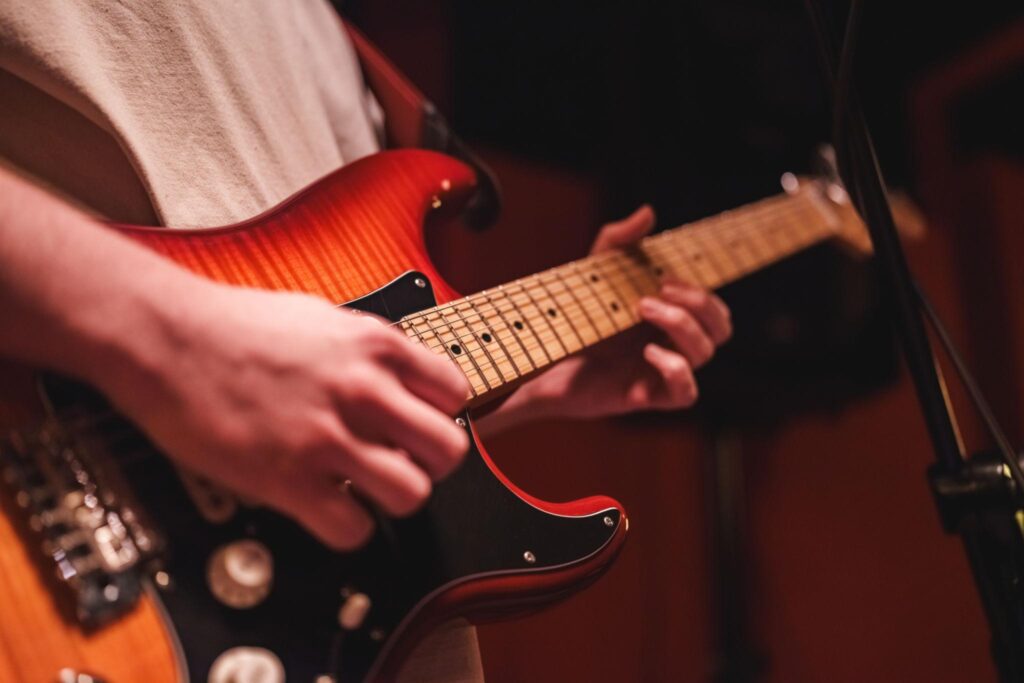
Electric Guitar
Popular choices include:
- Fender Stratocaster
- Telecaster
- PRS Silver Sky
Pedals
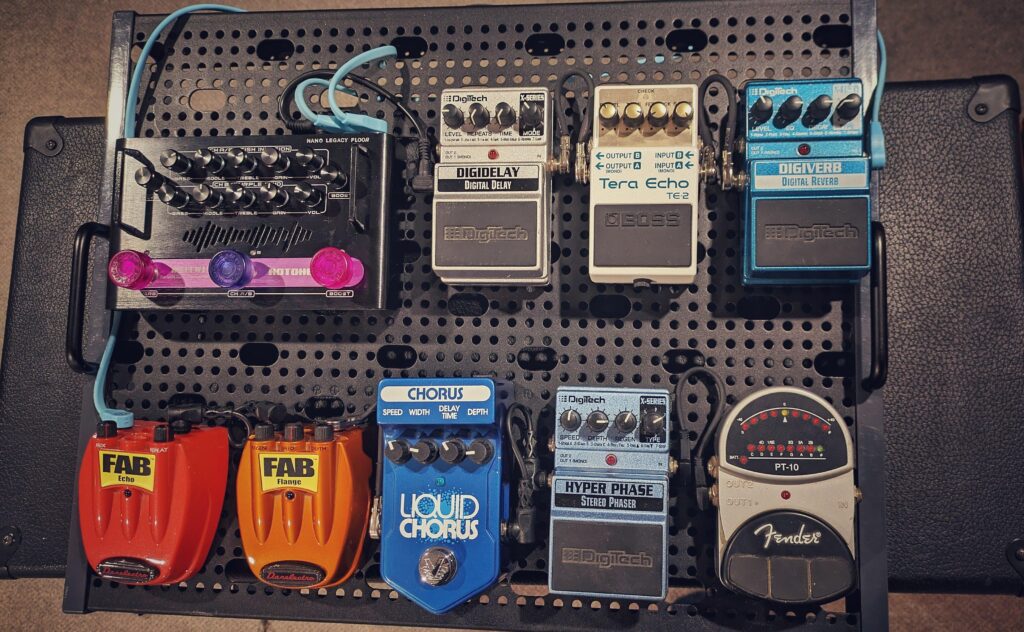
Essential worship pedals:
- Delay pedal
- Reverb pedal
- Overdrive pedal
- Volume pedal
- Compressor
Amplifiers
Clean amps work best for worship music.
Popular options:
- Fender Deluxe Reverb
- Vox AC30
- Matchless-style amps
Learning how to play lead guitar in a worship band takes patience, listening, consistency, and musical sensitivity. Technical skill is important, but the true goal of worship guitar is to support the worship atmosphere and help people connect through music.
Focus on:
- Simplicity
- Dynamics
- Timing
- Musical space
- Emotional expression
As you continue practicing, your confidence, creativity, and ability to serve the worship team will grow naturally.
If you stay consistent and intentional, you can become a strong and expressive worship lead guitarist who enhances every worship experience.
Intersted in learning music with us? Register now
For more information and exciting resources about learning music, visit our website at The Mystic Keys. For more music content and exciting offers follow us on

Facebook, Instagram, YouTube, LinkedIn, Twitter, Pinterest, and Threads.