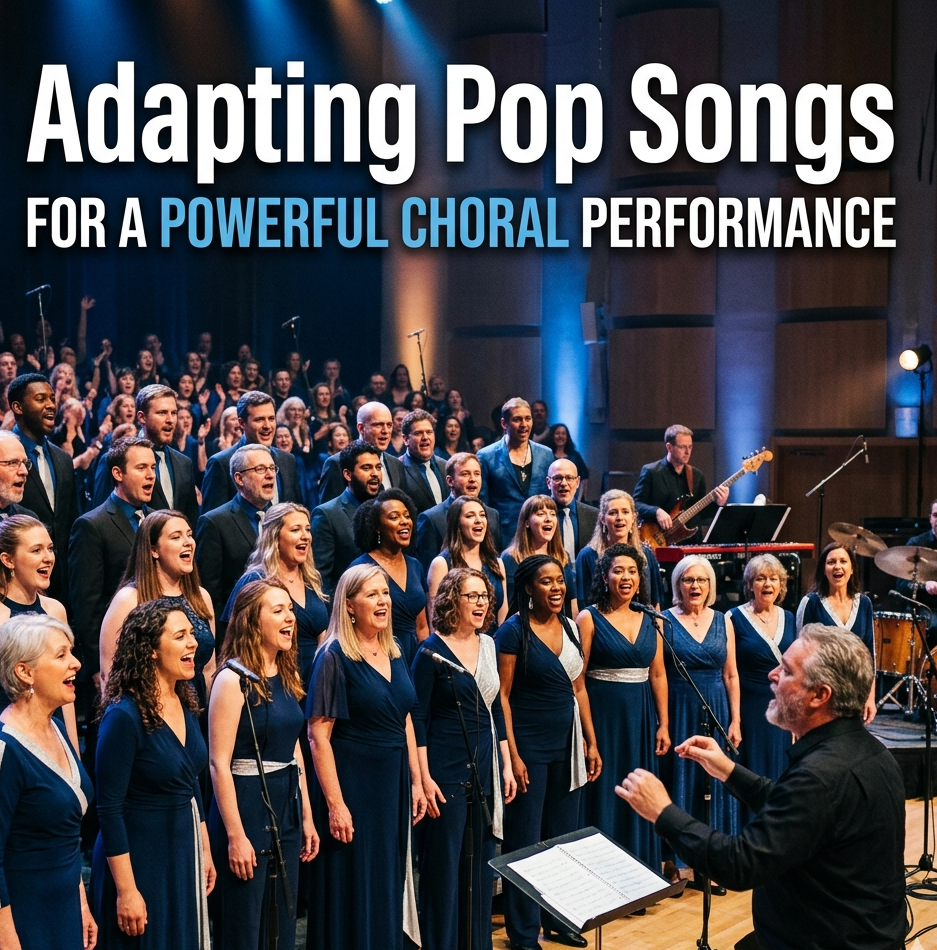
Adapting Pop Songs for a Powerful Choral Performance
Pop music has always held a special place in the hearts of listeners across generations. Its catchy melodies, emotional lyrics, and instantly recognizable hooks make it one of the most engaging genres to perform. However, adapting pop songs into compelling choral arrangements requires much more than simply assigning harmonies to a group of singers. A successful adaptation demands creativity, musical sensitivity, vocal balance, and an understanding of how collective voices can elevate a familiar tune into something emotionally expansive and artistically memorable.
Choirs possess a unique ability to reshape the emotional character of a song. While a solo pop performance often relies on individual charisma and studio production, a choral interpretation creates power through unity, texture, and dynamic storytelling. The process of adaptation therefore becomes an artistic journey where rhythm, harmony, vocal color, and expression work together to create a fresh musical experience without losing the essence of the original composition.

Understanding the Core Identity While Adapting Pop Songs
Before arranging any pop song for choir, it is important to understand what makes the original version impactful. Sometimes the strength lies in the lyrical vulnerability, while in other cases it may stem from rhythmic energy, instrumental production, or an unforgettable melodic phrase. Identifying this emotional core helps guide every creative decision that follows.
A choir cannot always recreate electronic beats, layered synthesizers, or studio effects exactly as they appear in commercial recordings. Instead, the arranger must discover how voices can reinterpret those elements naturally. Certain songs thrive when transformed into lush harmonies, whereas others depend heavily on groove and rhythmic articulation. Understanding these differences prevents the arrangement from sounding forced or disconnected from the spirit of the piece.
At the same time, choirs should avoid copying the original version too closely. Audiences often connect more deeply with performances that offer a fresh perspective. A slower tempo, altered dynamics, or unexpected harmonic choices can reveal emotional dimensions that may not have been obvious in the original recording.
Reimagining Instrumental Textures Through Voices
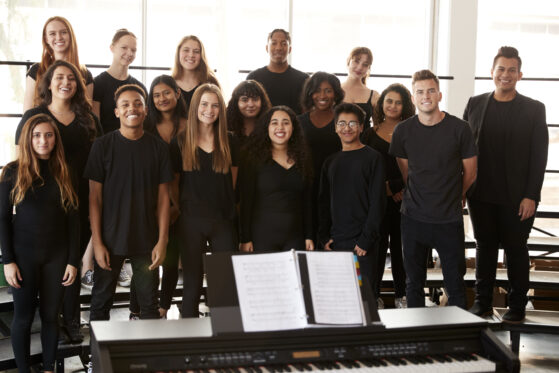
One of the most fascinating aspects of choral adaptation is the ability to transform instrumental layers into vocal textures. Pop songs are usually built around drums, bass lines, keyboards, guitars, and electronic production. In a choir setting, these elements must often be suggested vocally rather than reproduced directly.
Rhythmic syllables, body percussion, vocal layering, and carefully crafted harmonies can replace instrumental density surprisingly effectively. A bass section may imitate the pulse of the original bass guitar, while altos and tenors create rhythmic patterns that mimic percussion. Sopranos, meanwhile, can carry atmospheric textures that resemble synth pads or instrumental hooks.
However, restraint is equally important. Overloading a choral arrangement with excessive imitation can make the performance feel cluttered. Instead of attempting to replicate every production detail, strong arrangements focus on capturing the emotional atmosphere. Simplicity often allows the choir’s natural resonance and blend to shine more clearly.
Furthermore, vocal textures should always support lyrical clarity. Since audiences frequently connect to pop music through words and storytelling, the arrangement must leave enough space for the message to remain understandable and emotionally direct.

The Role of Vocal Balance in Adapting Pop Songs
Harmony plays a central role in transforming a pop song into a powerful choral experience. Many commercial pop tracks rely on relatively simple harmonic structures because production elements carry much of the emotional weight. Choral settings, on the other hand, often depend on harmonic richness to sustain listener engagement.
Expanding chord voicings can dramatically enhance emotional impact. Warm suspensions, layered intervals, and carefully built crescendos create moments that feel larger and more cinematic than the original version. Even a familiar chorus can become deeply moving when supported by evolving harmonies that gradually increase in intensity.
Nevertheless, balance remains essential. Complex harmonies should never overshadow the melody itself. Pop melodies are memorable precisely because they are accessible and singable. If the harmonic structure becomes too dense or technically demanding, the emotional immediacy of the song may be lost.
Equally significant is the distribution of vocal responsibility across the ensemble. Every section should feel musically involved rather than functioning merely as background support. When altos, tenors, basses, and sopranos each contribute meaningful musical material, the performance gains depth and energy. Audiences can sense when an ensemble is fully engaged in collective storytelling.

Preserving Rhythmic Energy While Adapting Pop Songs
Rhythm presents one of the greatest challenges in adapting pop music for choir. Pop songs are often driven by percussion-heavy grooves and tightly produced beats that naturally encourage movement and excitement. Without careful planning, a choral arrangement may lose that momentum and begin to sound static.
Strong rhythmic diction becomes essential in maintaining energy. Crisp consonants, synchronized articulation, and dynamic phrasing help recreate the drive that percussion normally provides. Conductors also play a major role in shaping rhythmic precision through physical gestures and tempo control.
Additionally, dynamic contrast can compensate for the absence of instrumental intensity. Strategic use of silence, sudden drops in volume, or gradual build-ups can create dramatic tension that keeps listeners engaged throughout the performance. In many cases, emotional pacing becomes more important than sheer loudness.
Movement can further enhance rhythmic vitality. Some choirs incorporate light choreography, swaying, clapping, or body percussion to reinforce groove and audience connection. When used tastefully, these visual elements strengthen the performance without distracting from vocal quality.

Adapting Lyrics for Emotional Depth
Lyrics often take on new meaning when sung collectively by a choir. A line that feels intimate in a solo performance may sound anthemic when delivered by many voices together. Consequently, arrangers must think carefully about how emotional perspective shifts in a group setting.
Certain songs naturally lend themselves to communal expression because their themes involve hope, resilience, unity, or celebration. Others may require reinterpretation to avoid emotional disconnect. A highly personal breakup song, for example, might need subtle adjustments in phrasing or dynamics to feel authentic when performed by a large ensemble.
Moreover, diction and emotional phrasing become especially important in choral performance. Audiences must understand not only the words themselves but also the emotional intention behind them. Unified vowels, controlled breath support, and expressive articulation help communicate sincerity and emotional nuance.
Transitions between sections should also feel emotionally intentional. Rather than treating verses, choruses, and bridges as separate blocks, strong choirs shape the song as a continuous emotional arc. This sense of progression keeps audiences emotionally invested from beginning to end.

Creating Climactic Moments When Adapting Pop Songs
One of the greatest strengths of a choir lies in its ability to create overwhelming emotional climaxes. When multiple voices rise together with precision and intensity, the effect can feel profoundly moving. Pop adaptations benefit enormously from this capability.
Dynamic growth should rarely happen too early. Instead, effective arrangements build tension gradually, allowing the audience to anticipate the emotional payoff. A restrained opening verse may lead into increasingly layered harmonies, broader vocal textures, and fuller dynamics as the song progresses.
At the same time, contrast is what makes climaxes meaningful. Quiet passages often carry just as much emotional power as loud ones. A sudden moment of near silence before a final chorus can heighten anticipation far more effectively than constant intensity throughout the performance.
Conductors and arrangers must therefore think like storytellers. Every musical decision should contribute to emotional pacing. When a final chorus finally arrives with expanded harmonies and full vocal force, the impact feels earned rather than exaggerated.

Respecting the Choir’s Vocal Identity
Not every pop song suits every choir. Vocal range, ensemble size, age group, stylistic comfort, and technical ability all influence how successfully a song can be adapted. An arrangement that works brilliantly for a contemporary youth choir may not fit a classical chamber ensemble, and vice versa.
Instead of forcing a choir to imitate commercial pop vocal styles unnaturally, arrangers should highlight the ensemble’s existing strengths. Some groups excel at warm legato phrasing, while others thrive on energetic rhythmic singing. The adaptation process becomes far more effective when it aligns with the choir’s natural sound and personality.
Additionally, vocal health should remain a priority. Certain pop songs contain high belts, aggressive textures, or stylistic effects that can strain singers if approached incorrectly. Thoughtful transposition and balanced vocal writing ensure sustainability without sacrificing musical excitement.
Authenticity matters greatly in performance. Audiences respond more positively when a choir performs with confidence and emotional honesty rather than attempting to imitate trends superficially.

Respecting Choral Identity While Adapting Pop Songs
Not every pop song suits every choir. Vocal range, ensemble size, age group, stylistic comfort, and technical ability all influence how successfully a song can be adapted. An arrangement that works brilliantly for a contemporary youth choir may not fit a classical chamber ensemble, and vice versa.
Instead of forcing a choir to imitate commercial pop vocal styles unnaturally, arrangers should highlight the ensemble’s existing strengths. Some groups excel at warm legato phrasing, while others thrive on energetic rhythmic singing. The adaptation process becomes far more effective when it aligns with the choir’s natural sound and personality.
Additionally, vocal health should remain a priority. Certain pop songs contain high belts, aggressive textures, or stylistic effects that can strain singers if approached incorrectly. Thoughtful transposition and balanced vocal writing ensure sustainability without sacrificing musical excitement.
Authenticity matters greatly in performance. Audiences respond more positively when a choir performs with confidence and emotional honesty rather than attempting to imitate trends superficially.

Engaging the Audience Through Familiarity and Innovation
One reason pop choral performances resonate so strongly with audiences is the balance between familiarity and surprise. Listeners enjoy recognizing beloved melodies, but they are equally captivated by hearing those songs transformed in unexpected ways.
A well-crafted adaptation creates moments where audiences rediscover music they thought they already knew. A stripped-down opening harmony, an acapella transition, or an emotionally reinterpreted chorus can reveal entirely new dimensions within a familiar song.
Moreover, choral performances often foster a stronger sense of shared experience than solo performances. The visual and sonic impact of many voices singing together naturally creates emotional connection within the audience. This collective energy becomes especially powerful during live concerts, where resonance, harmony, and physical presence combine to create an immersive atmosphere.
For this reason, the most memorable adaptations are rarely the most technically complex. Instead, they are the performances that communicate genuine emotion while allowing the choir’s collective voice to shine authentically.

Conclusion
Adapting pop songs for choir is both a creative challenge and an artistic opportunity. It requires more than arranging harmonies or assigning vocal parts. The process involves understanding emotional storytelling, reshaping musical textures, preserving rhythmic vitality, and building powerful moments of collective expression.
When approached thoughtfully, a pop song can evolve into something far greater than a simple cover version. Through harmony, dynamic contrast, vocal unity, and emotional depth, choirs have the ability to transform familiar music into unforgettable performances that connect deeply with audiences. At The Mystic Keys, this artistic approach is often explored through Worship Piano & Singing Lessons Online, where students learn how musical arrangement, expression, and vocal collaboration can bring songs to life in meaningful ways.
Ultimately, the goal is not merely to recreate the original song, but to reimagine it through the emotional and sonic power of human voices singing together.
For more information and exciting resources about learning music, visit our website at The Mystic Keys. For more music content and exciting offers follow us on
Facebook, Instagram, YouTube, LinkedIn, Twitter, Pinterest, and Threads.