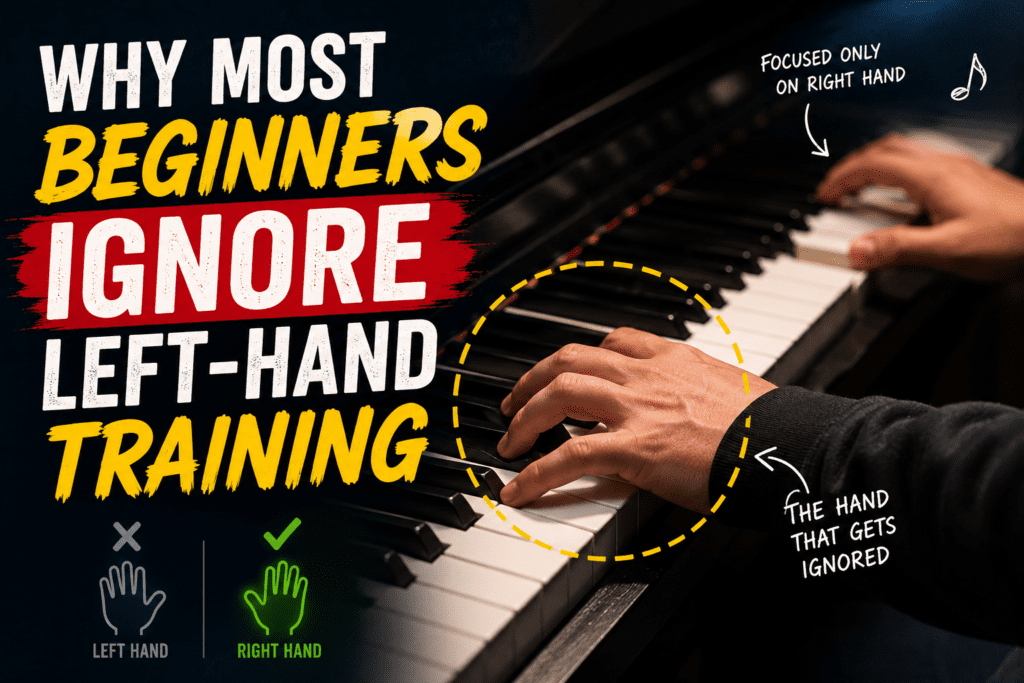
Why Most Beginners Ignore Left-Hand Training on Piano
One of the most common mistakes new piano students make is focusing almost entirely on their right hand while neglecting the left. In fact, many beginners ignore left-hand training without even realizing it. Since melodies are often played with the right hand, students naturally give more attention to it, believing that the left hand only provides simple accompaniment.
However, this habit can slow musical progress significantly. Piano playing requires both hands to work together with equal coordination, timing, and control. A weak left hand can affect rhythm, balance, finger independence, and overall performance quality. Developing both hands from the beginning creates a stronger musical foundation and makes learning advanced pieces much easier later.
At The Mystic Keys, piano instructors help students build balanced hand development from the earliest stages of learning. In this blog, we explore why beginners often neglect left-hand practice and how proper training can dramatically improve piano skills.
Why Beginners Ignore Left-Hand Training
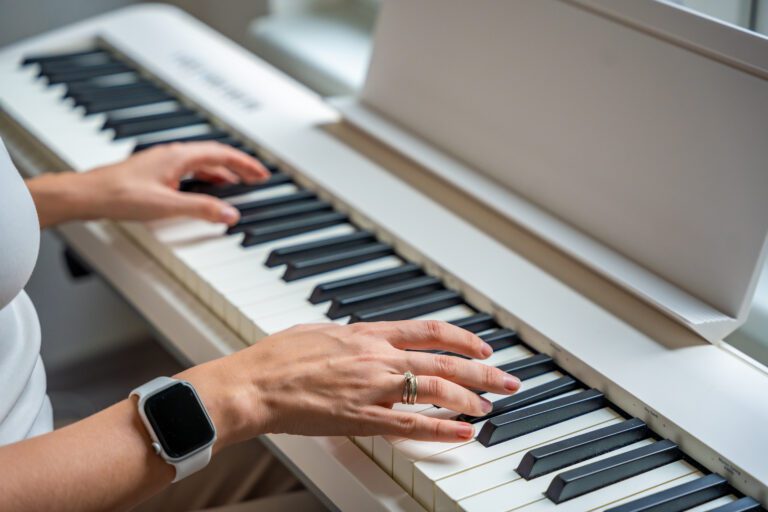
There are several reasons why many students focus more on the right hand.
Common reasons include:
- The melody is usually played in the right hand
- The left hand feels less comfortable
- Progress seems slower
- Students find left-hand exercises repetitive
Unfortunately, avoiding left-hand practice creates long-term limitations.
The Role of the Left Hand in Piano Playing
The left hand does much more than simply support the melody.
Its responsibilities often include:
- Providing harmony
- Creating rhythm
- Establishing bass lines
- Supporting musical structure
Without a strong left hand, performances can sound incomplete and unbalanced.
How Beginners Ignore Left-Hand Training During Practice
Many students unknowingly spend most of their practice time on:
- Right-hand melodies
- Fast passages
- Lead sections
Meanwhile, the left hand receives minimal attention.
This imbalance becomes more noticeable as songs become more challenging.
Why Left-Hand Development Matters
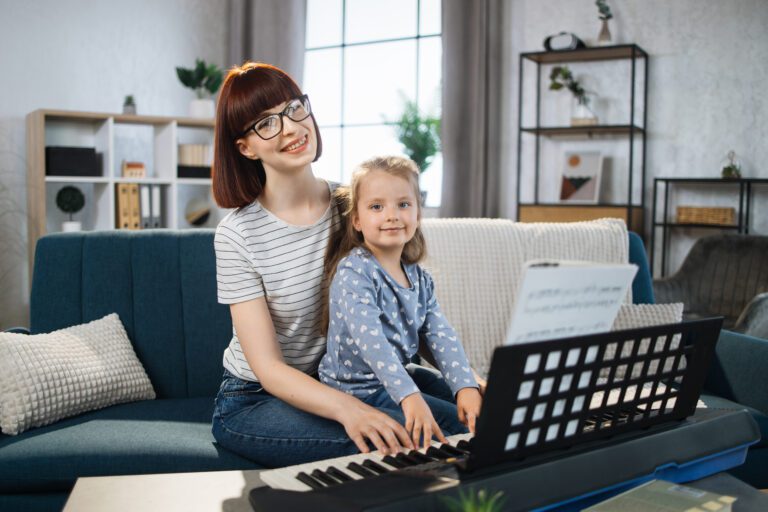
Balanced hand development improves:
- Coordination
- Timing
- Finger strength
- Musical independence
Strong left-hand technique allows students to perform more confidently and accurately.
Building Finger Independence
One of the greatest benefits of left-hand training is improved finger independence.
Regular exercises help:
- Strengthen weaker fingers
- Improve hand control
- Develop equal movement across both hands
This skill becomes essential for intermediate and advanced piano pieces.
Improving Rhythm Through Left-Hand Training
The left hand often serves as the rhythmic foundation of a song.
When students strengthen their left hand, they develop:
- Better timing
- Stronger rhythmic awareness
- Improved consistency
A stable rhythm supports the entire performance.
How Left-Hand Practice Enhances Coordination
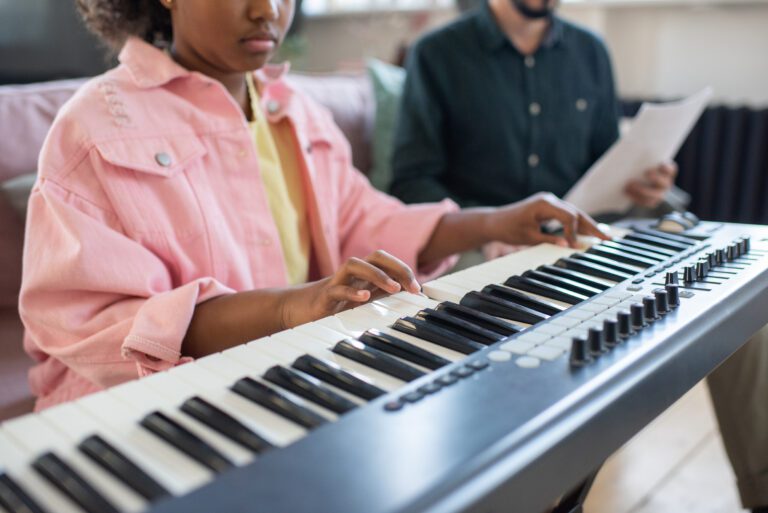
Piano playing requires both hands to perform different tasks simultaneously.
Consistent left-hand exercises improve:
- Hand synchronization
- Mental processing
- Physical coordination
These skills help students handle more complex music with confidence.
Common Signs of Weak Left-Hand Development
Students who neglect left-hand training often experience:
- Uneven volume between hands
- Poor rhythm control
- Difficulty playing hands together
- Slower progress on advanced pieces
Recognizing these signs early helps prevent future challenges.
Simple Exercises to Strengthen the Left Hand
Students can improve left-hand control through focused exercises.
Examples include:
Left-Hand Scales
Practice scales using only the left hand.
Benefits include:
- Finger strength
- Accuracy
- Consistent movement
Five-Finger Patterns
These exercises develop finger independence and coordination.
Arpeggio Practice
Arpeggios improve hand flexibility and movement across the keyboard.
Practicing Hands Separately
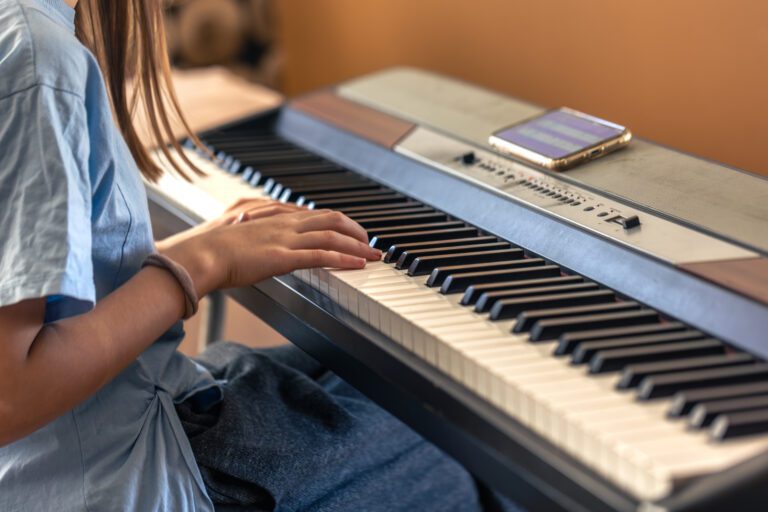
One effective strategy is practicing each hand independently.
Benefits include:
- Better understanding of each part
- Improved confidence
- Stronger muscle memory
This method allows students to focus fully on left-hand development before combining both hands.
Why Left-Hand Training Improves Musical Balance
Good piano playing requires balance between melody and accompaniment.
Strong left-hand technique helps:
- Maintain dynamic control
- Support the melody effectively
- Create richer performances
Balanced playing sounds more professional and expressive.
How Beginners Ignore Left-Hand Training in Popular Songs
Many modern songs feature simple right-hand melodies that attract student attention.
As a result:
- The left hand becomes secondary
- Accompaniment patterns receive less practice
- Coordination develops more slowly
Intentional left-hand work helps overcome this tendency.
Developing Confidence in the Left Hand
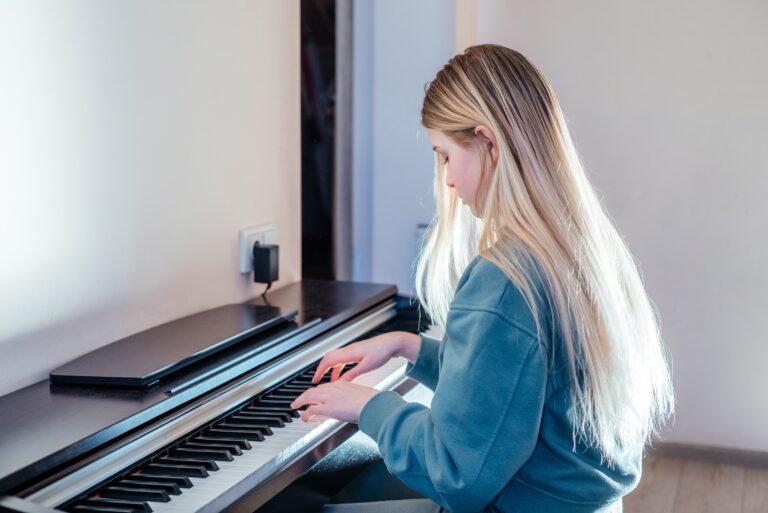
Confidence grows through repetition and success.
Students can build confidence by:
- Practicing slowly
- Setting small goals
- Repeating exercises consistently
Progress may seem gradual, but improvement becomes noticeable over time.
Mental Benefits of Left-Hand Practice
Left-hand training also benefits brain development.
Studies suggest that coordinated two-hand activities improve:
- Concentration
- Cognitive flexibility
- Motor control
- Problem-solving skills
Piano playing engages multiple areas of the brain simultaneously.
Avoiding Common Left-Hand Training Mistakes
Many students make mistakes such as:
- Practicing only melodies
- Rushing difficult passages
- Ignoring bass patterns
- Avoiding weaker fingers
Consistent and focused practice helps correct these habits.
How Structured Lessons Prevent Hand Imbalance
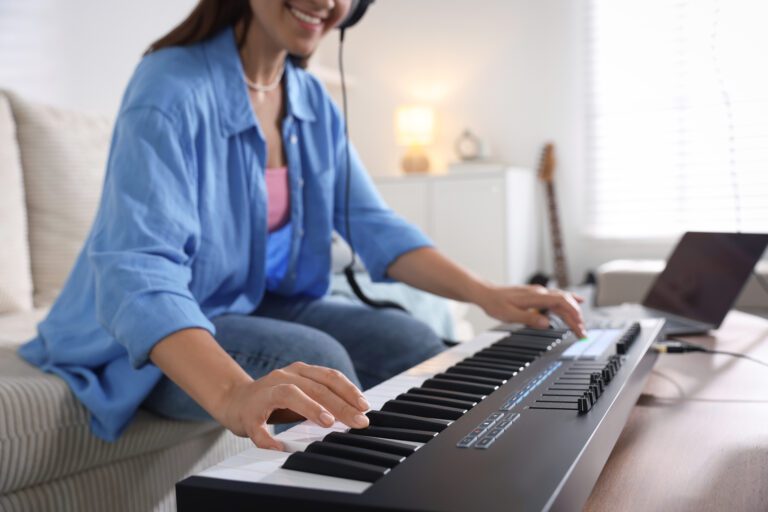
A structured curriculum ensures that both hands develop together.
Professional instruction provides:
- Balanced exercises
- Progressive skill development
- Technique correction
- Personalized feedback
At The Mystic Keys, students receive guided training that strengthens both hands equally from the beginning.
Long-Term Benefits of Strong Left-Hand Technique
Students who prioritize left-hand training often experience:
- Better coordination
- Greater musical confidence
- Faster learning progress
- Stronger overall technique
These advantages become increasingly important as students advance.
Why Teachers Emphasize Left-Hand Training
Experienced piano teachers understand that technical balance is essential.
This is why instructors regularly include:
- Scales
- Arpeggios
- Coordination exercises
- Left-hand-focused practice routines
These activities build a complete musical foundation.
Conclusion
Many students unintentionally ignore left-hand training, focusing primarily on melodies played with the right hand. While this approach may feel easier initially, it can limit musical growth and create technical weaknesses later. The left hand plays a crucial role in rhythm, harmony, coordination, and overall performance quality.
By dedicating time to left-hand exercises, scales, and balanced practice routines, students can develop stronger technique and greater musical confidence. At The Mystic Keys, learners are guided through structured lessons that ensure both hands develop together, creating a solid foundation for long-term success.
If you want to improve your piano skills with expert guidance and effective training methods, explore Piano Lessons Online and experience a structured approach to musical growth.
For more information and exciting resources about learning music, visit our website at The Mystic Keys. For more music content and exciting offers follow us on
Facebook, Instagram, YouTube, LinkedIn, Twitter, Pinterest, and Threads.