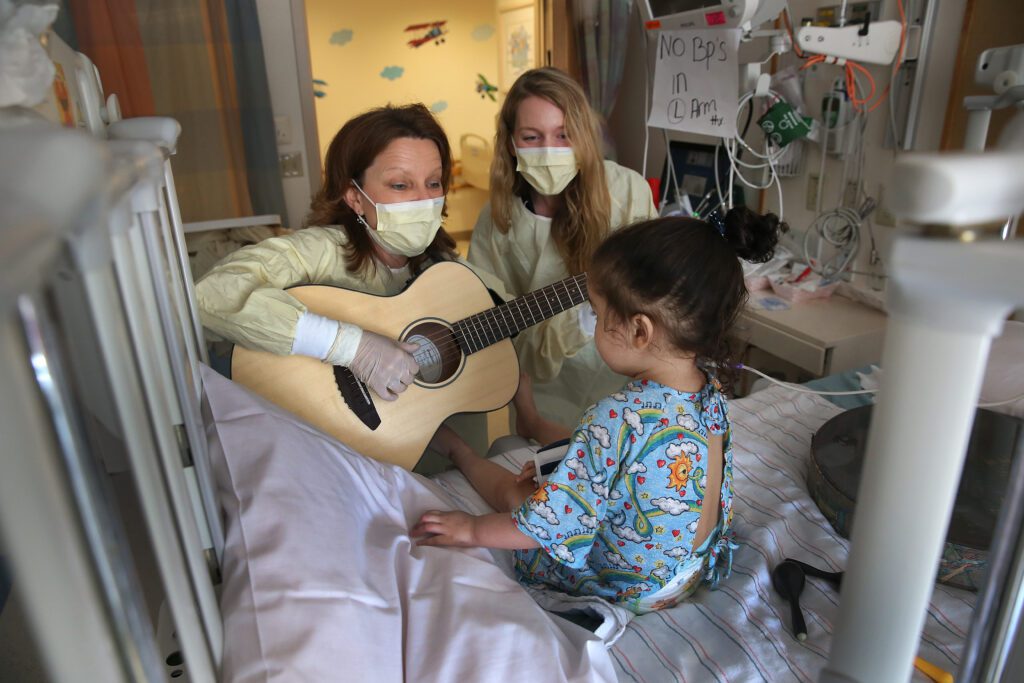
Unusual Ways Music in Medicine Is Transforming Healthcare
Music is something most of us associate with entertainment, relaxation, or culture. But increasingly, it’s becoming a serious tool in healthcare—helping with healing, rehabilitation, mental health, and symptom management in ways few people realize. In this blog, we’ll uncover the unusual ways music is used in medicine, exploring how melodies and rhythms are transforming modern treatment. From easing pain and improving memory to aiding stroke recovery and reducing anxiety, these evidence-backed discoveries reveal how deeply music can heal the human mind and body.
1. Pain Relief through Music in Medicine
One of the more familiar uses of music in medicine is for pain relief, but some of the details are surprising. This is one of the unusual ways music is used in medicine to improve patient comfort and reduce stress. According to the National Center for Complementary and Integrative Health (NCCIH), a 2016 meta-analysis of 97 randomized controlled trials (totaling over 9,000 participants) found that music-based interventions may reduce pain intensity and emotional distress from pain.
Key points to note:
These interventions included both acute and chronic pain, across various health conditions and medical procedures.
Who chooses the music matters—studies show that when the patient selects the music, the benefit is greater.
Music acts through multiple mechanisms: distraction, emotional regulation, and engagement of brain pathways tied to pleasure and attention. Listening to music consistently reduced heart rate and respiratory rate in some settings .
This approach exemplifies the unusual ways music is used in medicine as a non-pharmacologic adjunctive therapy. Music does not replace medication but can enhance comfort, reduce some medication use, and support symptom relief.
Take-away for readers:
If you’re undergoing a medical procedure, managing chronic pain, or recovering from illness, consider incorporating meaningful music into your care plan. Selecting music that resonates personally is key—this is one of the most effective unusual ways music is used in medicine today.
2.Exploring Rhythmic Stimulation in Music in Medicine
Another remarkable application of music in medicine lies in movement rehabilitation — often in neurological or motor-impairment settings.
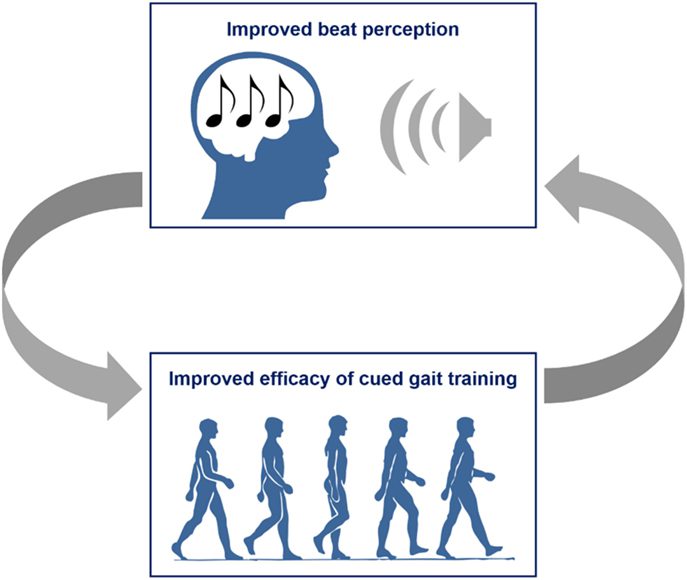
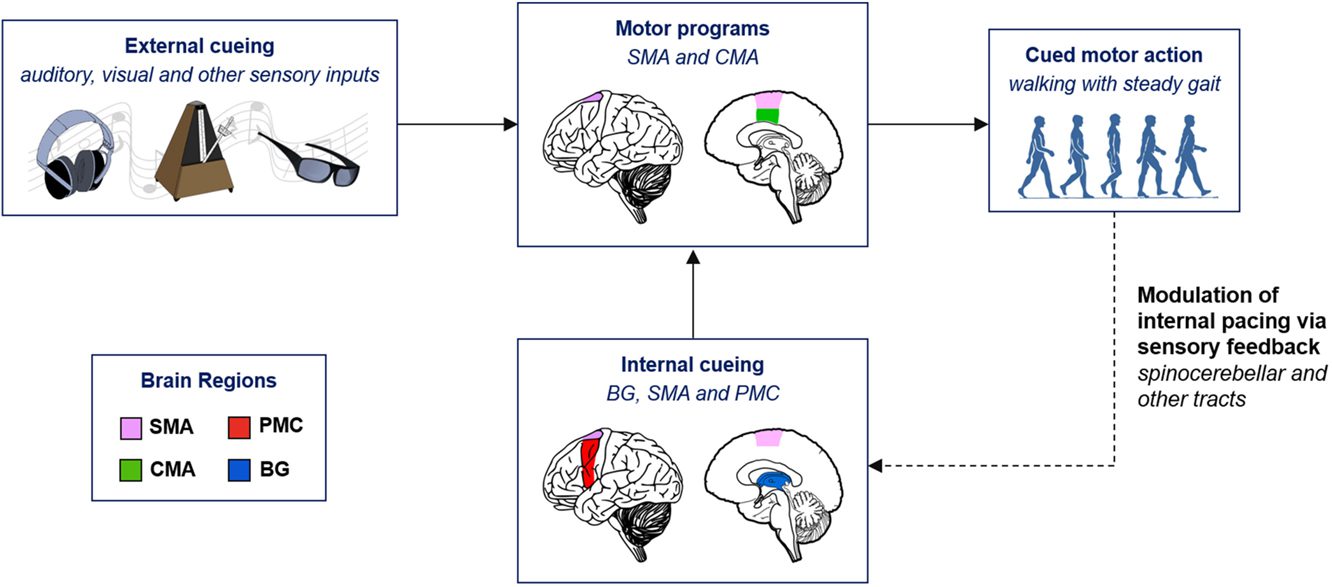
Here’s how it works:
The field of Neurologic Music Therapy (NMT) formalises therapeutic uses of music for neurological rehabilitation, including gait training, motor coordination, and speech recovery.
For example: rhythmic auditory stimulation (RAS) uses a steady beat or rhythm as an external cue that patients synchronize their movements with — this can improve walking speed, stride length, timing of gait in conditions such as Parkinson’s disease.
Studies in people with Multiple Sclerosis (MS) found consistent evidence that music-based interventions improved coordination, balance, some gait aspects, and emotional status.
It’s somewhat unusual, because rather than simply listening, the person is moving in time with rhythm. Music essentially becomes a therapeutic cue, a scaffold for motor recovery.
Reader benefit: If rehabilitation is part of your or a loved one’s plan (after stroke, trauma or neurologic disease), ask about rhythmic music-based movement sessions or therapies that integrate music cues. A physical therapist or music therapist may coordinate this.
3. Cognitive & Neurological Applications of Music in Medicine
Music’s reach in medicine extends to cognition, neurology and brain health — areas where you might not immediately associate music with healing.
Key findings:
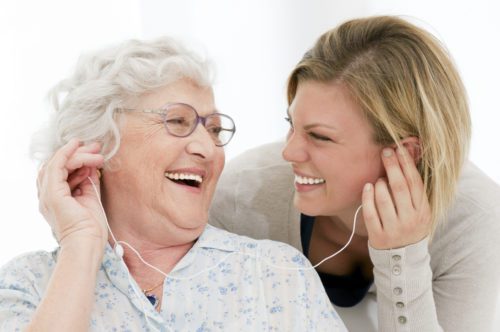
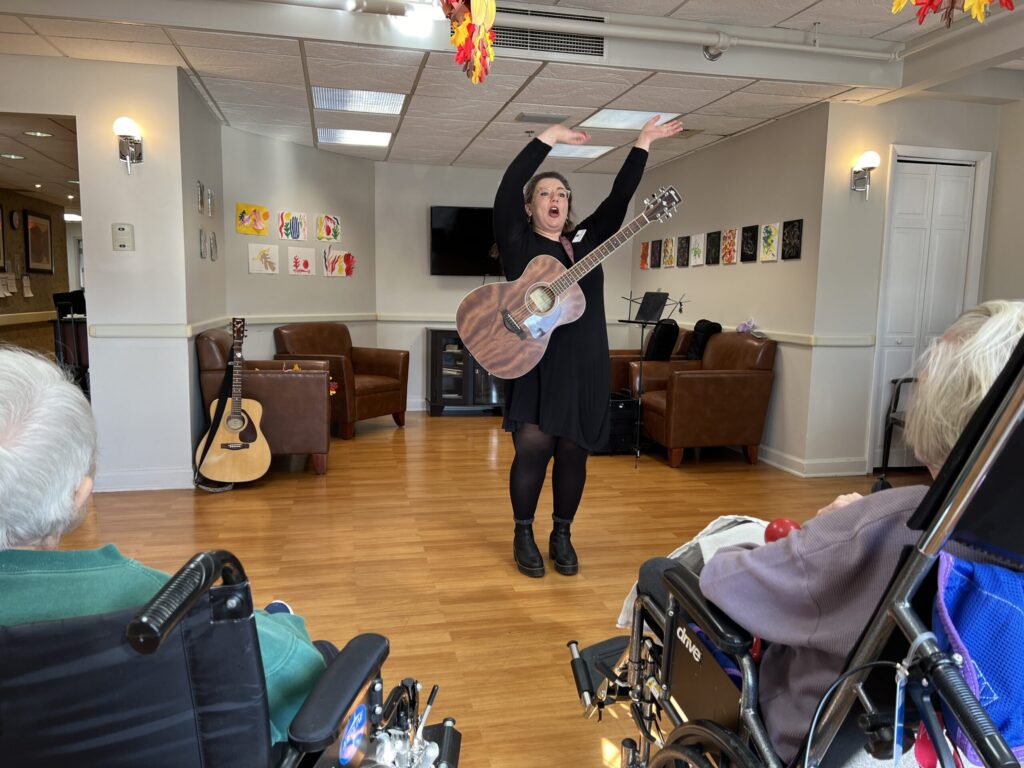
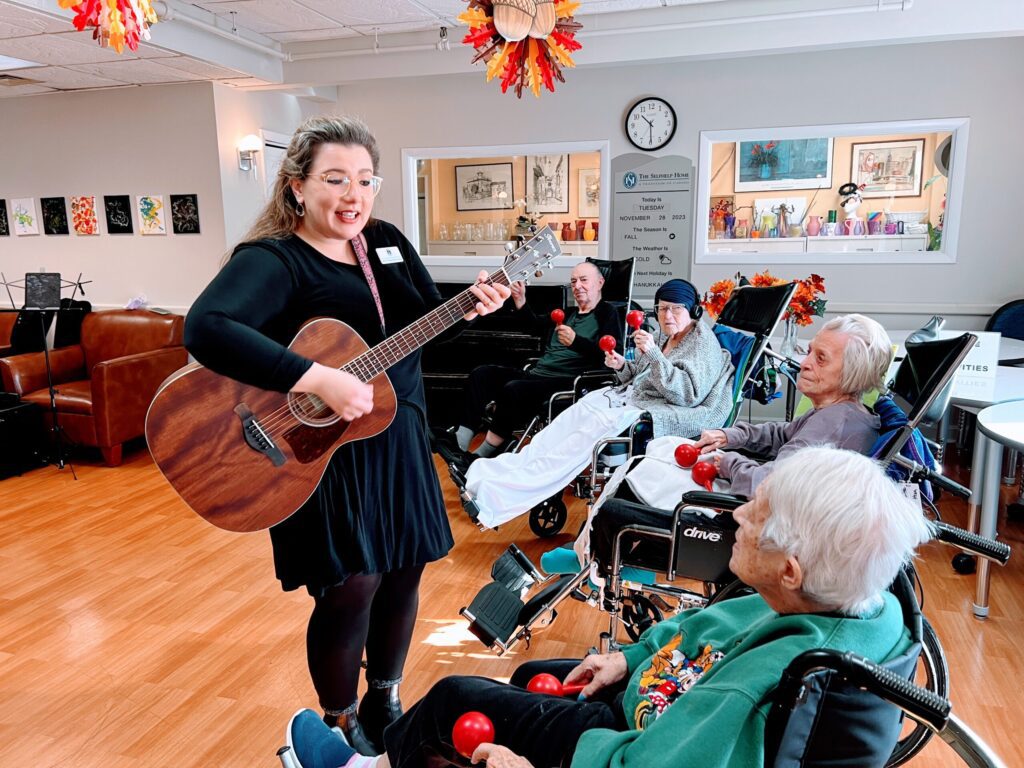
Research shows that for people with cognitive impairment (e.g., dementia), music-based interventions may improve emotional wellbeing, behaviour and quality of life, though improvements in cognition are less clear.
A systematic review found that in dementia patients, listening or engaging in music resulted in reduced depressive symptoms and improved behavioural outcomes, though not strong effects on agitation/aggression.
On the neuroscience front, music stimulates brain regions tied to emotion, memory, movement and reward — one study found that music listening enhanced activity in areas like hippocampus, hypothalamus and cerebellum during emotional imagery.
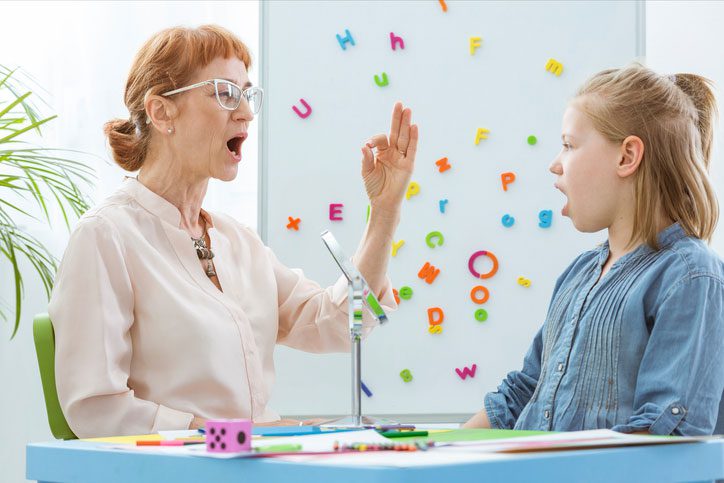
For speech recovery: singing and melodic intonation therapy (using melody to facilitate language) are being used with aphasia patients post-stroke or brain injury (though it falls more under specialty therapy).
In short: music becomes a bridge for cognition, memory, identity, not just entertainment.
Tip: If you’re working with someone with dementia, brain injury or speech difficulties, integrate music that is meaningful (old songs, personal favourites) — consider having sessions where the person sings, plays, or listens to music tied to memories.
4. Emotional, Psychological & Holistic Healing in Medical Contexts
Often overlooked is the emotional, psychological and holistic aspect of music in medicine — especially during serious illness, in palliative care, ICU, or chronic disease.
Some important points:
Music interventions have been shown to reduce anxiety, improve mood and enhance quality of life in patients with cancer, heart disease, respiratory conditions etc.
For example, in cancer care a review of 52 clinical trials (3,731 patients) showed beneficial effects on anxiety, pain, fatigue and quality of life — albeit small to moderate in size.
It’s unusual in the sense that music is treated as part of the medical/routine care environment (hospital wards, ICU, palliative settings) rather than only in a leisure or “extra” capacity.
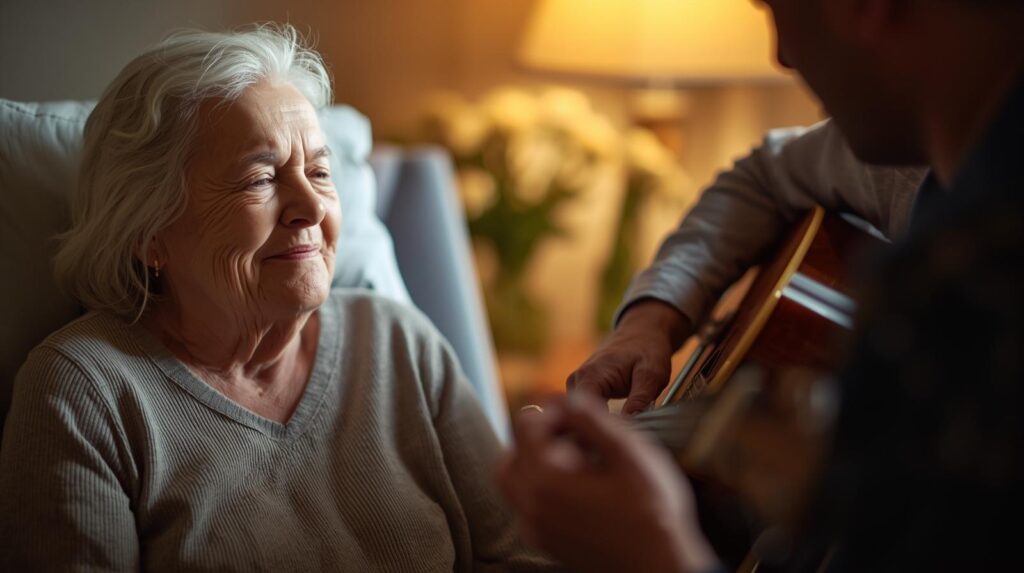
Music therapy supports emotional expression, connection, sense of control and dignity — important in serious illness where patients often feel loss of agency.
Suggestion for implementation: When supporting someone through serious illness:
Create personalised playlists of songs with emotional significance.
Use live music sessions if feasible (bed-side, group).
Pair music with relaxation/breathing/meditation.
Use music for family involvement (singing together, shared memories).
5. Cutting-Edge & Emerging Uses — What’s Next?
The unusual keeps getting more unusual as research and technology advance.
Emerging applications include:
Digital systems and apps that generate personalised therapeutic music based on emotion detection or biometric feedback. For example, a recent system “EmoHeal” uses fine-grained emotion recognition + music therapy principles to tailor interventions.
Integration of traditional music therapy frameworks (e.g., Eastern five-element music theory) with AI to create culturally and individually tailored interventions.
Expanding research into how music affects immune function, brain neural networks, rehabilitation neuroplasticity.
Non-traditional uses: audio-analgesia (pain relief using music/white noise during procedures) is gaining renewed attention.
These frontier areas are unusual because they blur lines between arts, medicine, neuroscience and technology — music becomes a therapeutic modality with measurable effects, not just background.
What to watch: If you’re in medical technology, rehabilitation or wellness design, keep an eye on:
AI-music therapy platforms
Wearables + music interventions for motor/cognitive rehab
Cross-cultural music therapy models
Large-scale clinical trials of music interventions for various conditions
6. How You Can Apply These Unusual Uses of Music in Everyday Health & Care
Here are practical take-aways for readers—whether you are a patient, caregiver, health professional or simply interested in wellness.
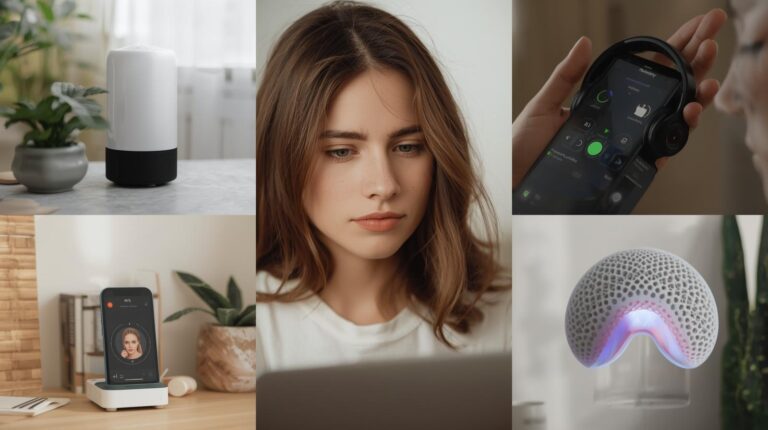
Step-by-step suggestions:
Choose meaningful music: research shows that personally meaningful music is more effective than randomly chosen music.
Use the right timing: For example, music pre-surgery, during recovery, in rehab walking sessions — the context matters.
Combine with movement: Especially in rehabilitation (walk to beat, step to rhythm).
Include active participation: Singing, instrument playing, interacting with music can deepen effect rather than just passive listening.
Use music as part of multidisciplinary care: Ask whether your care plan can include a board-certified music therapist or at least planned music-based sessions.
Monitor and adjust: Keep track of mood, pain, movement, fatigue—so you can evaluate whether music interventions are helping.
Consider cultural and personal fit: Music must resonate with the individual’s background, history, preferences.
Start small and safe: Music is low-risk, non-invasive, but it’s adjunctive—should complement standard medical care, not replace it.
7. Limitations, Pitfalls & What to Keep in Mind
As promising as these uses are, it’s important to be realistic.
Many studies have methodological limitations (small sample sizes, mixed designs, variable interventions).
Music therapy is rarely a stand-alone cure—it’s used alongside medical treatment, rehabilitation or therapy.
There’s no “one-size-fits-all” formula: the genre, tempo, volume, mode (listening vs active) all matter.
For some conditions (especially advanced cognitive impairment) effects may be modest or hard to measure.
Implementation in clinical settings may require trained therapists, protocols, budgeting and scheduling.
Ethical and practical concerns: patient’s music preference must be respected; loud/high tempo music may be overstimulating in some medical settings; auditory impairments may limit benefit.
8. Future Outlook & Why It Matters
In a time when healthcare is striving for person-centred, holistic, non-invasive and cost-effective interventions, music stands out as a powerful ally.
As our societies age and chronic diseases increase, non-drug interventions like music therapy gain relevance.
The blending of arts, neuroscience and technology brings new avenues for personalised healthcare.
For patients, families and caregivers, recognizing music as more than “just entertainment” opens up new possibilities for healing, hope and connection.
For healthcare providers and system designers, integrating music-based interventions could mean improved outcomes, lower medication use, better patient satisfaction and perhaps cost savings.
The phrase “music as medicine” may sound poetic—but it’s increasingly literal. Across pain management, motor rehabilitation, cognitive reintegration, emotional healing, and future digital systems, music is emerging as a versatile, evidence-based tool in medicine. The unusual ways in which it’s applied—from rhythmic cues in gait training to personalised playlists in ICU, from reminiscence singing in dementia to AI-driven therapeutic compositions—illustrate its broad and growing scope.
If you are a patient, family member, clinician or wellness enthusiast: think beyond background music. Consider music’s potential as a therapeutic partner. Ask the question: “How might music be part of the care here?”
Let music become more than a soundtrack — let it become a part of the healing journey.
For more information and exciting resources about learning music, visit our website at The Mystic Keys. For more music content and exciting offers follow us on
Facebook, Instagram, YouTube, LinkedIn, Twitter, Pinterest, and Threads.
Related Blogs
Steel and Nylon-String Guitar | A Complete Beginner’s Guide
Acoustic guitars are some of the most beloved and versatile instruments worldwide. From folk melodies to flamenco rhythms, pop ballads to classical compositions, the acoustic guitar has left an indelible mark on music across cultures
Advanced Ukulele Techniques | Harmonics, Slides, and Muting
The ukulele may be small, but it holds the power to produce a wide spectrum of sounds. Once you’ve mastered the basics—strumming patterns, common chords, and simple melodies—you can begin to explore Advanced Ukulele Techniques
Improve Acoustic Guitar Tone for Fuller, Richer Technique
The acoustic guitar has long been celebrated for its warm, expressive character. Unlike its electric counterpart, it doesn’t rely on amplifiers or heavy processing to shape its tone. Instead, the acoustic guitar