How Worship Music Expanded Keyboard Creativity
Over the last few decades, worship music has played a major role in transforming the way keyboard players approach music. What was once primarily an accompaniment instrument has evolved into a powerful creative tool capable of shaping entire musical experiences. Modern worship music has encouraged keyboardists to explore new sounds, develop advanced performance techniques, and think beyond traditional piano playing.
Today, keyboard players in worship settings are expected to do much more than play chords. They create atmosphere, support vocalists, enhance emotional moments, and contribute unique musical textures that enrich every song. This evolution has significantly expanded keyboard creativity and influenced musicians across many genres.
The Evolution of Keyboard Playing in Worship Music
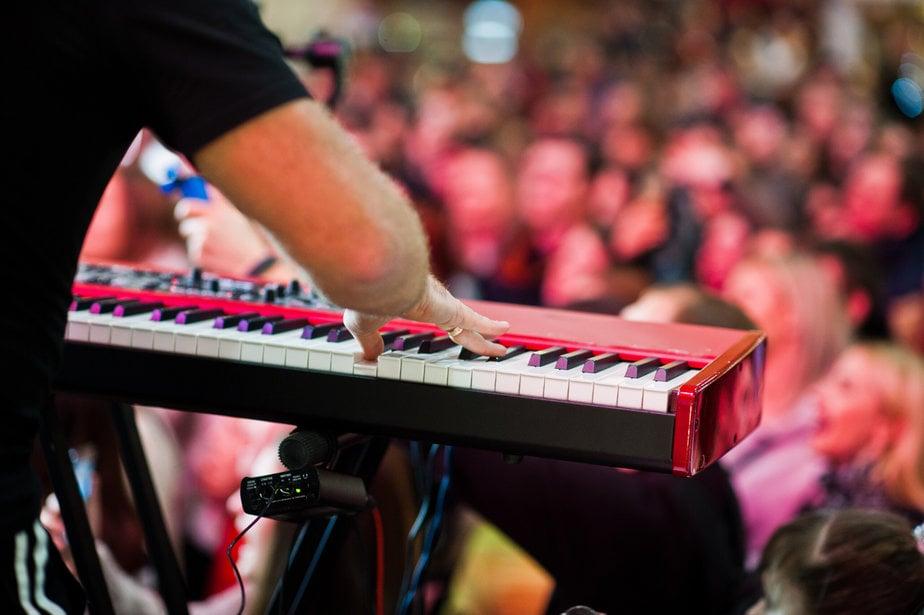
Traditional church keyboard playing often focused on piano and organ sounds. The keyboardist’s primary responsibility was to support congregational singing and provide harmonic accompaniment.
As contemporary worship music grew in popularity, the role of the keyboard player changed dramatically. Influenced by modern bands and evolving technology, worship musicians began incorporating synthesizers, digital pianos, pads, strings, and ambient sounds into their performances.
This shift opened new creative possibilities and encouraged keyboardists to become sound designers, arrangers, and improvisers rather than simply accompanists.
The Rise of Layered Sounds
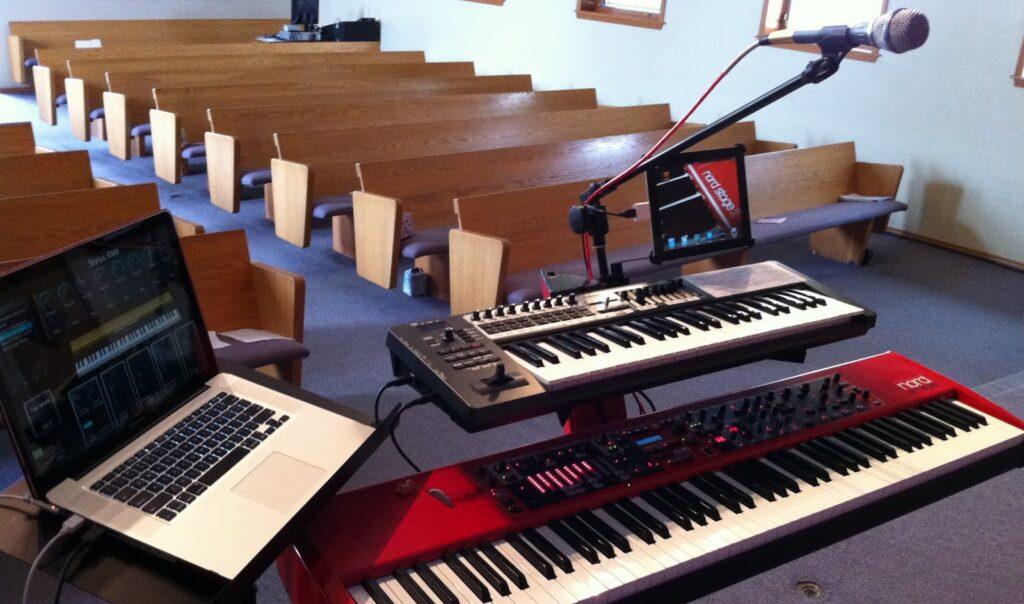
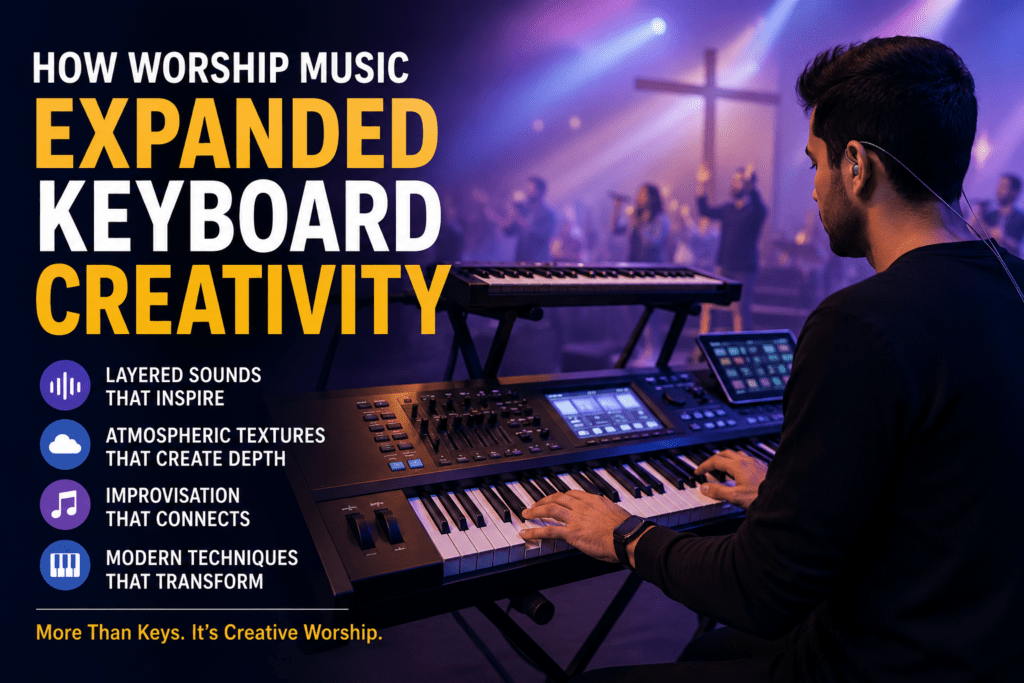
One of the biggest contributions of worship music to keyboard creativity is the use of layered sounds.
Instead of playing a single piano voice, keyboardists now combine multiple sounds to create rich musical textures. Common layers include:
- Piano and strings
- Piano and pads
- Synth and choir sounds
- Electric piano and ambient textures
- Organ and orchestral elements
Layering allows musicians to create fuller arrangements even when performing with a small team. It also helps build emotional depth throughout a worship song.
As a result, keyboard players have developed a deeper understanding of sound selection, balance, and musical arrangement.
Creating Atmosphere Through Pads and Ambient Sounds
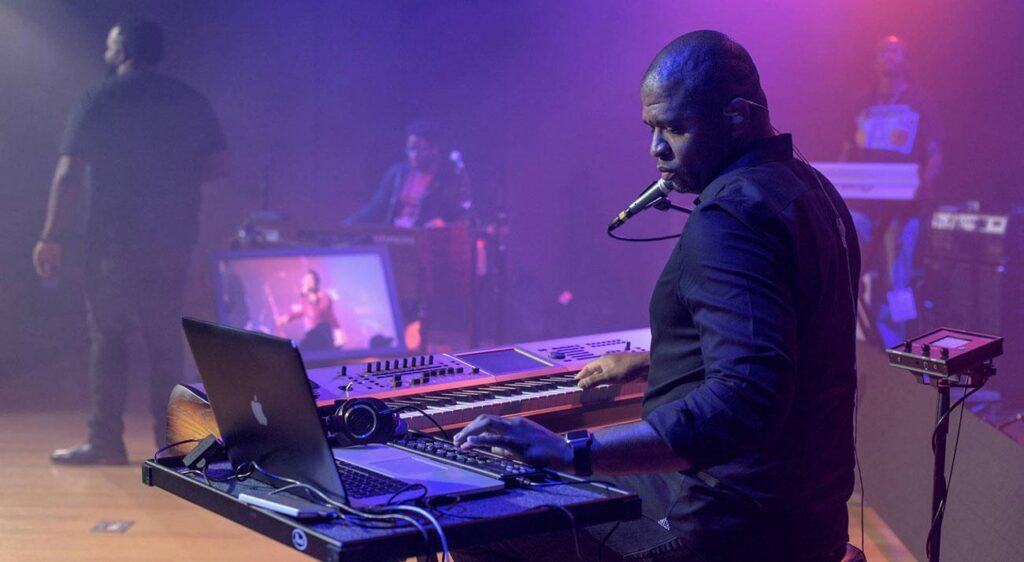
Modern worship music introduced the widespread use of pads and ambient keyboard textures.
Pads are sustained sounds that create a warm musical foundation underneath a song. They help fill empty spaces, smooth transitions, and establish a reflective atmosphere.
Learning to use ambient sounds effectively requires creativity and sensitivity. Keyboardists must understand:
- Timing
- Dynamics
- Sound placement
- Musical space
- Emotional expression
These skills have helped many keyboard players become more expressive musicians.
Encouraging Musical Improvisation
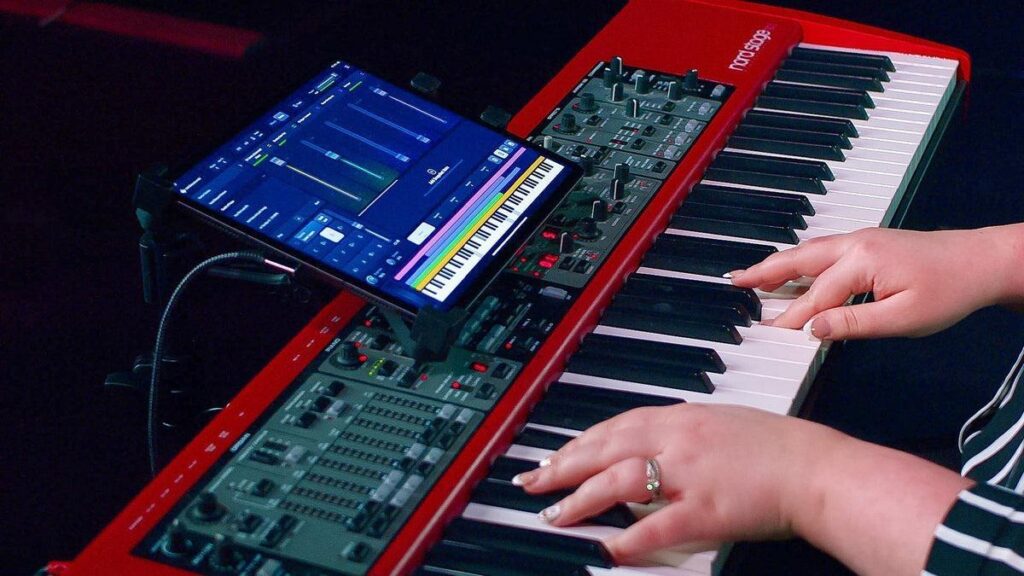
Worship music often provides opportunities for spontaneous musical expression.
Unlike strictly arranged performances, many worship settings allow keyboard players to improvise during:
- Introductions
- Instrumental sections
- Prayer moments
- Song transitions
- Reflective worship segments
Improvisation helps musicians develop:
- Better listening skills
- Creative thinking
- Musical confidence
- Chord knowledge
- Ear training abilities
This freedom has expanded keyboard creativity and encouraged musicians to develop their own unique playing style.
The Influence of Technology
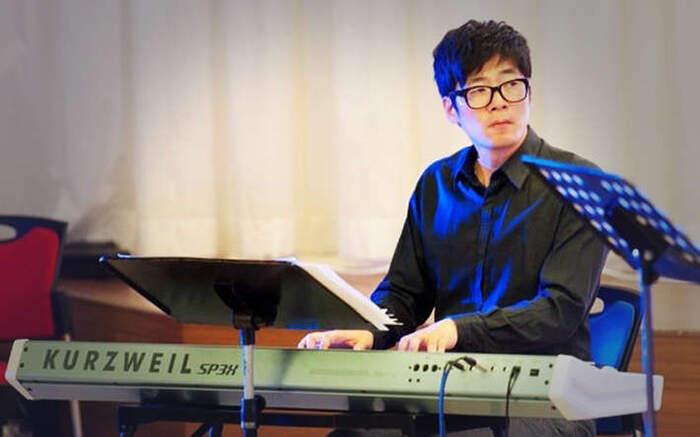
Modern worship music has embraced technological advancements that have transformed keyboard performance.
Today’s keyboardists regularly use:
- Digital workstations
- MIDI controllers
- Software instruments
- Virtual synthesizers
- Performance patches
- Multi-layer sound setups
Technology enables musicians to access thousands of sounds and customize them for specific songs.
As a result, keyboard players have become more involved in sound programming and production, adding another layer of creativity to their musical journey.
Developing Better Team Musicianship
Worship keyboard players rarely perform alone. They work closely with vocalists, guitarists, drummers, bassists, and other musicians.
This collaborative environment teaches valuable skills such as:
- Active listening
- Musical restraint
- Dynamic control
- Arrangement awareness
- Real-time adaptation
Rather than constantly playing, creative keyboardists learn when to support, when to lead, and when to leave space.
These lessons improve overall musicianship and make players more versatile across all genres.
Expanding Beyond Traditional Piano Techniques
Worship music has encouraged keyboard players to move beyond classical and traditional piano approaches.
Modern worship keyboardists often use:
- Arpeggios
- Sustained chord textures
- Synth leads
- Ambient swells
- Rhythmic patterns
- Split keyboard setups
Learning these techniques helps musicians develop a broader musical vocabulary and greater creative flexibility.
The result is a more dynamic and expressive style of keyboard playing that can adapt to various musical situations.
Why Worship Music Continues to Inspire Creativity
The success of contemporary worship music has demonstrated that keyboards can be much more than accompaniment instruments.
Through innovation, technology, and musical freedom, worship environments continue to inspire keyboardists to:
- Explore new sounds
- Experiment with arrangements
- Improve improvisation skills
- Enhance musical expression
- Develop creative confidence
Many techniques that originated in worship music are now commonly used in pop, film scoring, ambient music, and modern live performances.
Worship music has significantly expanded keyboard creativity by encouraging musicians to explore layered sounds, atmospheric textures, improvisation, and modern technology. It has transformed the keyboard from a supporting instrument into a versatile creative powerhouse capable of shaping the emotional and musical direction of an entire performance.
Whether you are a beginner or an experienced keyboard player, studying worship music can help you develop greater creativity, improve your musicianship, and discover new ways to express yourself through music. As worship music
continues to evolve, it will undoubtedly remain one of the most influential forces in modern keyboard playing.
Intersted in learning music with us? Register now
For more information and exciting resources about learning music, visit our website at The Mystic Keys. For more music content and exciting offers follow us on
Facebook, Instagram, YouTube, LinkedIn, Twitter, Pinterest, and Threads.