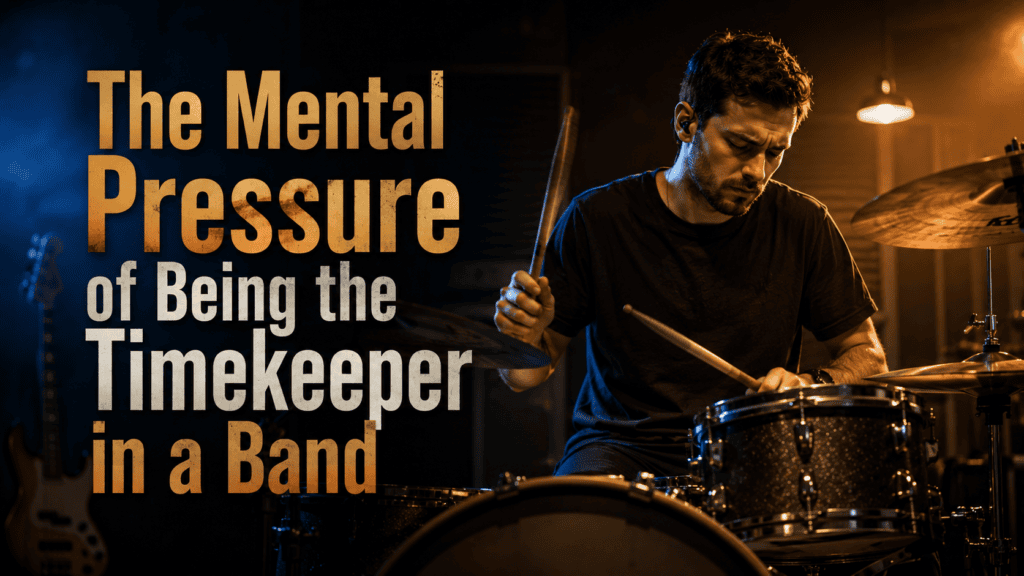
The Mental Pressure of Being the Timekeeper in a Band
Every successful band depends on someone to keep the music steady from beginning to end. In most groups, that responsibility belongs to the drummer. While audiences often admire exciting drum fills and energetic solos, the real job of a drummer is much deeper. Maintaining a consistent tempo is what keeps every musician together, making drummer mental pressure a very real part of performing.
Being responsible for the pulse of an entire band can feel overwhelming. Whether performing on stage, recording in a studio, playing during a worship service, or rehearsing with a new group, drummers know that even a small change in tempo can affect everyone around them. This responsibility creates unique mental challenges that require confidence, concentration, and experience.
Fortunately, these challenges can be managed. By developing strong musical habits, improving communication, and trusting consistent practice, drummers can turn pressure into confidence and become dependable leaders within any band.
Understanding Drummer Mental Pressure
Most musicians focus primarily on their own performance. Drummers, however, must think about the performance of the entire band while maintaining accurate timing.
Every beat influences:
- Guitar players
- Keyboardists
- Bass players
- Vocalists
- Other percussionists
When the tempo changes unexpectedly, every musician must adjust immediately. This constant awareness explains why drummer mental pressure is different from the pressure experienced by many other instrumentalists.
Why Timing Requires Complete Concentration
Keeping perfect time involves much more than counting beats. Drummers must stay aware of tempo, dynamics, song structure, transitions, and cues while remaining relaxed enough to play naturally. This balance requires exceptional concentration throughout every performance.
Why the Drummer Carries So Much Responsibility
The drummer is often described as the heartbeat of a band. While every musician contributes to the music, the drummer provides the rhythmic foundation that keeps everything connected.
If a guitarist misses a note, most listeners may never notice. If a singer forgets a lyric, the performance often continues smoothly.
However, if the tempo becomes unstable, the entire band can lose its musical unity.
Leadership Without Speaking
Great drummers lead through rhythm rather than words. Every groove, transition, count-in, and ending communicates direction to the rest of the band. This silent leadership naturally increases the mental responsibility placed on drummers.
How Live Performances Increase Drummer Mental Pressure
Performance situations introduce new challenges that can affect even experienced musicians.
Before walking onto a stage, many drummers experience:
- Faster heartbeat
- Sweaty hands
- Increased adrenaline
- Faster breathing
- Greater muscle tension
These physical reactions can make songs feel slower than they actually are, causing drummers to unintentionally increase the tempo.
Adrenaline Changes Your Sense of Time
One of the biggest reasons drummer mental pressure becomes noticeable during live performances is that adrenaline affects how the brain processes time. Learning to trust preparation instead of emotion helps maintain consistent tempo under pressure.
Developing a Reliable Internal Clock
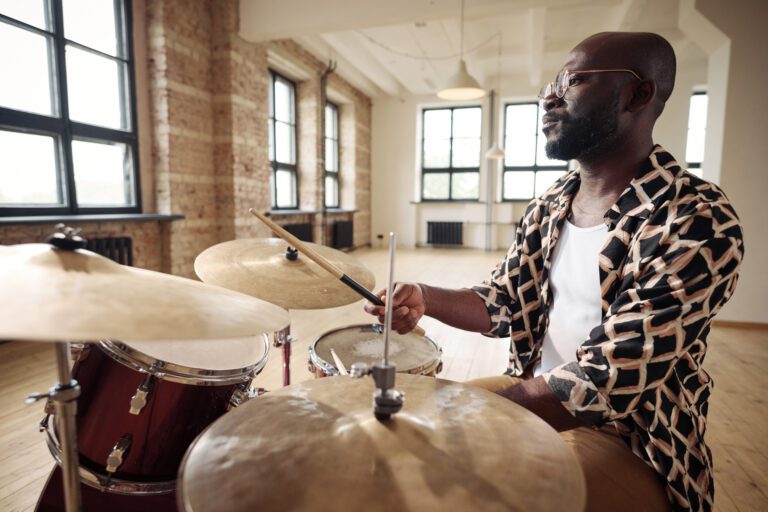
Professional drummers rarely depend entirely on external cues. Instead, they develop an internal sense of timing that remains steady regardless of distractions.
An accurate internal clock helps drummers maintain confidence even when stage conditions become unpredictable.
Some of the best exercises include:
- Practicing with a metronome
- Silent click exercises
- Playing with backing tracks
- Recording practice sessions
- Counting subdivisions aloud
Internal Timing Reduces Drummer Mental Pressure
The stronger a drummer’s internal clock becomes, the less they rely on constant reassurance from other musicians. This independence significantly reduces performance anxiety.
Listening Is Just as Important as Playing
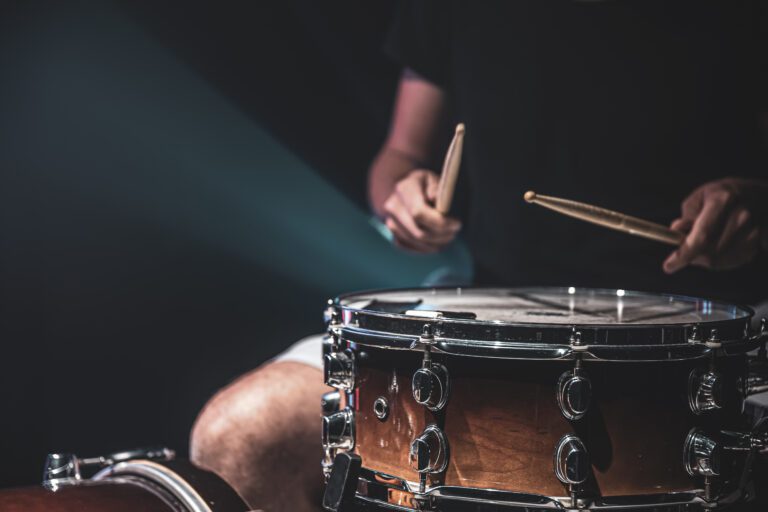
A drummer’s responsibilities extend far beyond striking the drums accurately.
Successful drummers continuously listen to:
- The bass player
- Vocal phrasing
- Keyboard rhythms
- Guitar accents
- Musical dynamics
Active listening allows drummers to anticipate musical changes instead of reacting at the last moment.
Better Listening Creates Better Confidence
Listening carefully builds trust between band members. When everyone feels connected, performances become smoother and less stressful.
Practice Habits That Reduce Drummer Mental Pressure

Confidence is built through preparation rather than luck.
Consistent practice helps drummers perform naturally, even under pressure.
Effective practice includes:
- Daily groove exercises
- Playing with different musical styles
- Slow metronome practice
- Recording and reviewing performances
- Simulating live concerts
- Practicing transitions repeatedly
These habits strengthen both technical ability and mental confidence.
Small Improvements Build Long-Term Success
Improving timing by small amounts every day eventually produces remarkable consistency. Over time, difficult performances become much easier to manage.
Common Mental Challenges Drummers Face
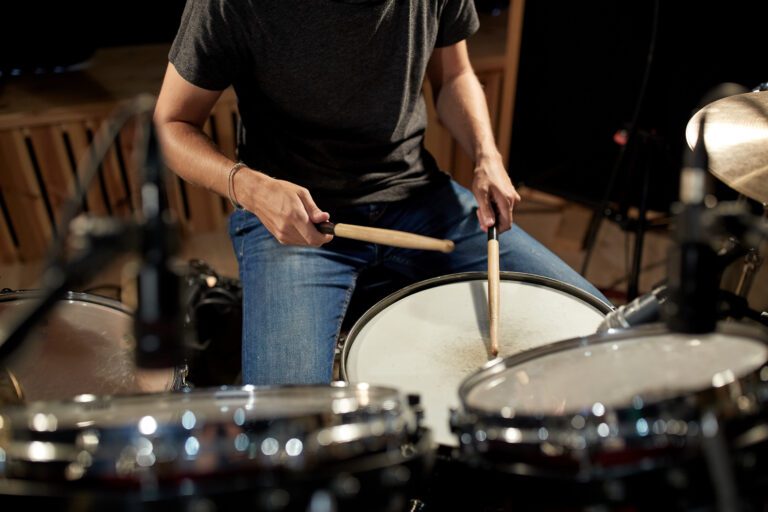
Every drummer experiences moments of self-doubt.
Some common concerns include:
- Fear of rushing the tempo
- Worry about making mistakes
- Losing concentration
- Feeling responsible for the entire band
- Comparing themselves to experienced drummers
Recognizing these thoughts is the first step toward overcoming them.
Mistakes Do Not Define Great Drummers
Professional drummers are not successful because they never make mistakes. They succeed because they recover quickly, remain calm, and continue supporting the music without losing confidence.
Communication Makes Every Performance Easier

Strong communication before rehearsals and performances reduces uncertainty.
Discussing:
- Song arrangements
- Tempo changes
- Endings
- Dynamic sections
- Solo lengths
helps every musician feel prepared.
When expectations are clear, drummers can focus on playing confidently instead of worrying about unexpected surprises.
Preparation Creates Confidence
Every productive rehearsal builds trust among band members. That trust makes live performances feel far less stressful.
Remember That Groove Matters More Than Perfection

Many beginner drummers believe they must play perfectly to succeed.
In reality, audiences remember performances that feel musical, energetic, and emotionally engaging.
A steady groove with excellent feel is usually far more valuable than technically impressive playing that lacks consistency.
Musical Confidence Comes From Serving the Song
The best drummers prioritize supporting the music above showing technical ability. This mindset removes unnecessary pressure and allows performances to feel more natural.
Conclusion
Experiencing drummer mental pressure is completely normal because drummers carry the responsibility of keeping an entire band together. Maintaining tempo, communicating through rhythm, managing adrenaline, and supporting every musician require concentration and confidence. Fortunately, these skills improve through consistent practice, active listening, preparation, and real performance experience.
Remember that becoming a dependable drummer is not about achieving perfection—it is about building trust, maintaining steady time, and helping the music flow naturally. Every rehearsal, performance, and practice session strengthens your ability to lead with confidence.
At The Mystic Keys, our personalized Drum Lessons Online help students develop excellent timing, rhythmic confidence, performance skills, and musical awareness through one-on-one instruction. Whether you are just starting or preparing for live performances, our experienced teachers will help you become a confident drummer who can support any band with consistency and professionalism.
For more information and exciting resources about learning music, visit our website at The Mystic Keys. For more music content and exciting offers follow us on
Facebook, Instagram, YouTube, LinkedIn, Twitter, Pinterest, and Threads.