
Playing Drums in a Worship Band | What Beginners Should Know
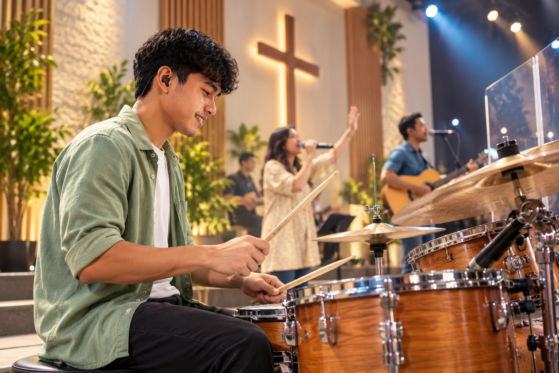
Playing drums in a worship band is a unique and meaningful experience. Unlike many other musical settings where drummers are often encouraged to showcase speed, power, or technical skill, worship drumming is centered on serving the song and supporting the congregation. Every beat, fill, and rhythm should help create an atmosphere where people can focus on worship rather than the performance itself.
For beginners, stepping into a worship band can feel both exciting and overwhelming. Learning the instrument is only one part of the journey. Understanding how to listen, blend with other musicians, follow a worship leader, and play with sensitivity is equally important. In many cases, these musical and personal skills make a greater impact than complex drum techniques.
Fortunately, no one needs years of professional experience before joining a worship team. With the right mindset, consistent practice, and a willingness to learn, beginners can become dependable drummers who contribute confidently to every worship service. This guide explores the essential things every new worship drummer should know before taking a seat behind the drum kit.

Understanding the Role of a Worship Drummer
One of the biggest differences between playing in a worship band and performing in other musical groups is the purpose behind the music. In worship, the drummer is not the center of attention. Instead, the goal is to support the entire band while helping create a smooth musical foundation for the congregation.
Every instrument has a specific role, and the drums provide the heartbeat of the music. A steady rhythm helps vocalists stay on pitch, keeps instrumentalists together, and allows the congregation to sing comfortably. Consequently, consistency becomes far more valuable than flashy playing.
Many beginners believe that impressive drum fills or fast grooves automatically make them better drummers. However, experienced worship musicians understand that simplicity often has a greater impact. Playing fewer notes at the right time usually serves the music better than playing many notes that distract from it.
As your confidence grows, remember that every musical decision should enhance the worship experience rather than draw attention to the drummer.

Developing Solid Timing for Playing Drums in Worship
Before learning complicated drum fills or advanced rhythms, beginners should focus on developing excellent timing. A drummer with reliable timing will always be more valuable to a worship band than someone with impressive chops but inconsistent tempo.
Practicing with a metronome is one of the best habits any beginner can develop. Although it may seem repetitive at first, this type of practice builds internal rhythm and improves consistency over time. Eventually, maintaining a steady beat becomes second nature.
Equally important is learning to keep the same tempo throughout an entire song. Many beginners unintentionally speed up during exciting sections or slow down during quieter moments. Recognizing these tendencies early helps build better musical discipline.
Moreover, playing steadily gives the rest of the band confidence. When everyone trusts the drummer’s timing, rehearsals become smoother and live performances feel much more comfortable.

Learning to Listen While Playing Drums in a Worship Band
One of the most overlooked skills in worship drumming is active listening. While practicing alone focuses mainly on personal technique, playing with a band requires constant awareness of everything happening around you.
Instead of concentrating only on your own drum parts, pay close attention to the lead vocalist, keyboard, guitar, bass, and other musicians. Listening carefully allows you to adjust your dynamics, rhythm, and intensity according to the needs of the song.
Furthermore, the bass guitar often becomes your closest musical partner. Together, the bass and drums create the rhythmic foundation that supports the entire band. When both instruments stay locked together, the music feels balanced and cohesive.
Listening also helps you recognize moments when silence is more powerful than additional drumming. Sometimes a simple groove creates a stronger emotional impact than a busy rhythm.

Playing With Dynamics Instead of Constant Volume
Many beginners associate drumming with loud playing. Nevertheless, worship music often requires careful control of volume rather than maximum energy.
Different sections of a worship song usually call for different levels of intensity. A quiet verse may need gentle hi-hat patterns and light snare strokes, while a chorus may naturally build into a fuller groove. Understanding these changes allows the music to breathe naturally.
Learning to play softly without losing timing takes practice. It requires good stick control, relaxed technique, and careful attention to the band’s overall sound. Over time, this becomes one of the most valuable skills a worship drummer can possess.
As a result, dynamic playing helps create emotional contrast throughout the song while making every musical transition feel intentional.

Keeping Drum Fills Simple and Musical
Drum fills add excitement and help connect different sections of a song. However, beginners often make the mistake of adding too many fills or making them longer than necessary.
In worship music, fills should support transitions instead of distracting listeners. A short, clean fill placed at the right moment is usually much more effective than an elaborate pattern that interrupts the flow of the song.
Likewise, leaving space after a fill can make it sound even more musical. Constant movement behind the kit may create unnecessary clutter, especially during reflective worship songs.
As you gain experience, you’ll begin to recognize that tasteful restraint often demonstrates greater musical maturity than technical complexity.

Following the Worship Leader While Playing Drums
Unlike some performances where musicians strictly follow a fixed arrangement, worship services can be more flexible. A worship leader may repeat a chorus, extend an instrumental section, pause unexpectedly, or change the ending based on the flow of the service.
Because of this, beginners should develop the habit of watching the worship leader throughout the performance. Visual communication is just as important as listening for musical cues.
Meanwhile, staying mentally prepared for spontaneous changes prevents confusion during live services. Even if the arrangement changes unexpectedly, remaining calm and maintaining the groove helps the rest of the band stay together.
The more familiar you become with your team’s communication style, the easier these adjustments will become.

Preparing Well Before Playing Drums at Every Rehearsal
Good preparation shows respect for both the music and the rest of the worship team. Rather than learning songs during rehearsal, spend time practicing them beforehand whenever possible.
Listening to recordings several times helps you understand the structure, tempo, transitions, and overall feel of each song. You can also identify important drum patterns before arriving at practice.
Additionally, organizing your equipment ahead of time prevents unnecessary delays. Checking drumsticks, pedals, hardware, and accessories ensures everything is ready when rehearsal begins.
Prepared musicians contribute to productive rehearsals because they can focus on refining the music instead of learning it from scratch.

Building Confidence Through Consistent Practice
Every beginner experiences moments of uncertainty. Missing a beat, losing track of a song, or making mistakes during rehearsal is a normal part of learning.
Instead of becoming discouraged, treat every mistake as an opportunity to improve. Each rehearsal teaches valuable lessons that cannot be learned through solo practice alone.
Consistency matters far more than occasional long practice sessions. Even thirty focused minutes of daily practice can produce noticeable improvement over time. During these sessions, work on timing, coordination, dynamics, endurance, and transitions between grooves.
Gradually, the confidence you build during practice will carry over into live worship settings.

Developing Teamwork and Humility While Playing Drums
A worship band succeeds when every musician works together. Technical skill is certainly valuable, but a positive attitude often leaves an even stronger impression.
Being willing to receive feedback demonstrates maturity and a desire to grow. Experienced musicians may suggest adjustments to your timing, dynamics, or song interpretation. Accepting these suggestions with an open mind accelerates your development.
Similarly, encouraging fellow musicians creates a healthy team environment. Worship bands function best when members support one another instead of competing for attention.
Humility also means recognizing that every musician serves the same purpose—helping lead people in worship through music.

Taking Care of Your Technique and Equipment
Proper playing technique helps beginners avoid fatigue and reduces the risk of injury. Holding the sticks comfortably, maintaining relaxed shoulders, and using efficient wrist movement allow you to play for longer periods without unnecessary strain.
Meanwhile, taking care of your drum kit contributes to better sound quality and greater reliability. Regularly checking drumheads, tightening hardware, and replacing worn sticks helps prevent problems during rehearsals or services.
If your church uses electronic drums, spend time learning the module settings, volume controls, and trigger sensitivity. Becoming familiar with the equipment increases confidence during performances.
Well-maintained equipment and healthy playing habits create a more enjoyable experience for both the drummer and the rest of the band.

Growing Spiritually While Playing Drums in Worship
Although technical improvement is important, worship drumming involves more than musical ability. The heart behind the music plays an equally significant role.
Many worship drummers spend time praying before rehearsals or reflecting on the lyrics they will accompany. This preparation helps connect the music with its deeper purpose.
Moreover, understanding the meaning of each worship song often influences how you play it. Joyful songs may naturally invite energetic rhythms, while reflective songs may call for greater restraint and sensitivity.
As both your musical and spiritual understanding grow, your playing becomes more intentional and meaningful.

Common Mistakes Beginners Should Avoid
Every new worship drummer makes mistakes, but recognizing them early makes improvement much easier.
Playing too loudly throughout every song is one of the most common challenges. Equally common is adding unnecessary fills simply because there is empty space. Some beginners also focus so much on their own performance that they forget to listen carefully to the rest of the band.
Another frequent mistake is arriving at rehearsal without knowing the songs. This not only slows down the practice session but also reduces confidence during live performances.
Fortunately, these habits can be corrected with patience, consistent practice, and a willingness to keep learning. Over time, simple adjustments lead to significant improvement.
Conclusion
Playing drums in a worship band is about much more than keeping time. It involves supporting the music, serving the team, and helping create an environment where others can worship without distraction. While technical ability certainly grows with practice, qualities such as consistency, humility, preparation, and attentive listening are what truly shape a dependable worship drummer.
Every experienced musician was once a beginner learning basic grooves, making mistakes, and building confidence one rehearsal at a time. Therefore, focus on steady progress instead of perfection. As your timing improves, your musical awareness deepens, and your confidence grows, you will become an increasingly valuable part of your worship team.
If you want to strengthen your skills through Drums Lessons Online, consistent guidance from experienced instructors can help you build confidence, improve technique, and develop the musical awareness needed to play effectively in a worship setting.
Most importantly, remember that worship drumming is not about playing the most impressive rhythms—it is about playing the right rhythms with the right heart at the right moment. At The Mystic Keys, we believe that every drummer can grow into a confident and supportive musician with the right training, dedication, and passion for serving through music.
For more information and exciting resources about learning music, visit our website at The Mystic Keys. For more music content and exciting offers follow us on
Facebook, Instagram, YouTube, LinkedIn, Twitter, Pinterest, and Threads.