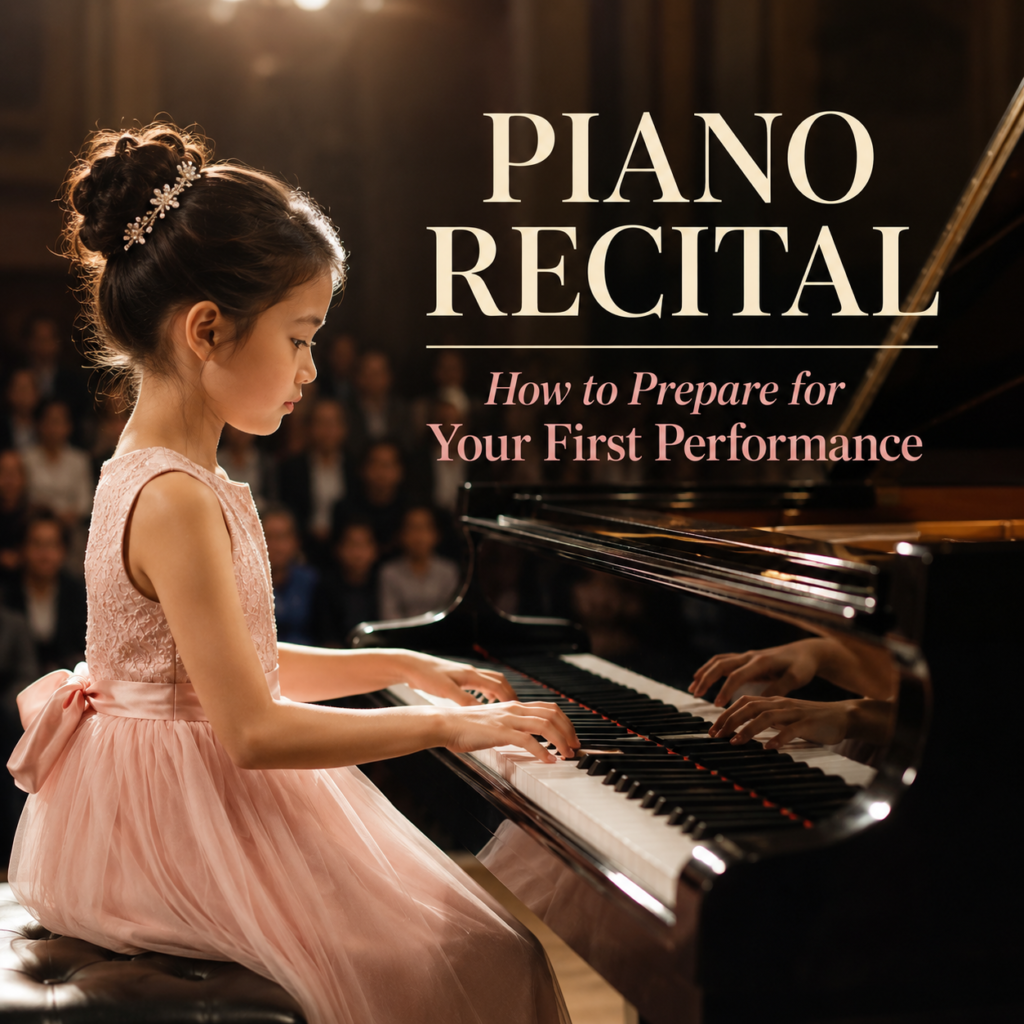
Piano Recital | How to Prepare for Your First Performance
Performing in front of an audience for the first time can feel completely different from practicing alone. At home, you may play your favorite pieces comfortably, repeat difficult sections as many times as you like, and start again whenever something goes wrong. However, a piano recital adds an entirely new experience: the spotlight, the audience, the stage, and the excitement of sharing your music with others.
That nervous feeling is completely normal. In fact, even experienced musicians can feel butterflies before walking onto a stage. The good news is that confidence does not come from simply hoping everything goes perfectly. Instead, it grows through preparation, familiarity, and repeated practice in conditions that feel as close as possible to the actual performance.
If you are preparing for your first piano recital, a little planning can make the experience much more enjoyable. From choosing the right piece to managing stage nerves, each step can help you walk toward the piano feeling more prepared and ready to enjoy the moment.
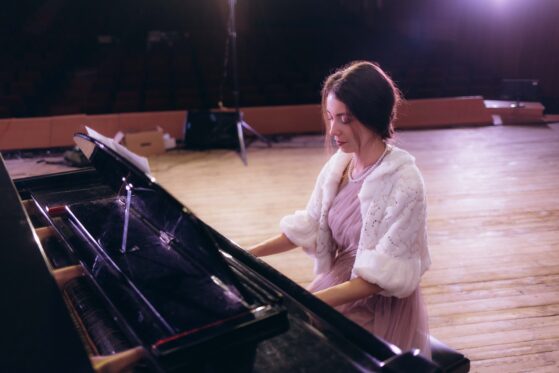
Start Preparing Early for Your Piano Recital
One of the biggest mistakes beginners make is waiting until the recital is approaching before taking performance preparation seriously. Learning the notes is only the beginning. A recital piece needs to become familiar enough that you can play it comfortably even when you feel nervous.
Therefore, give yourself plenty of time. Once your piece has been selected, divide your preparation into smaller stages. Begin by learning the notes and rhythm accurately. Gradually work on fingering, dynamics, articulation, phrasing, and expression. As the performance date gets closer, shift your attention from simply playing the correct notes to communicating the character of the music.
Most importantly, avoid rushing through the learning process. A piece that is learned slowly and securely often feels much more comfortable on stage than one that is memorized quickly but never properly settled.

Choose the Right Piece for Your Piano Recital
Your first recital is not the time to choose a piece simply because it sounds impressive. While challenging yourself is important, selecting music that is far beyond your current ability can create unnecessary pressure.
Instead, choose a piece that gives you a healthy balance between challenge and confidence. You should have enough technical ability to handle the notes while still having room to focus on musical expression.
A familiar style can also make the experience easier. If you enjoy the sound of the piece, you are more likely to practice consistently and perform it with genuine enthusiasm. After all, a recital is not only about demonstrating technical ability; it is also an opportunity to share something you enjoy.

Learn More Than Just the Notes
Knowing which keys to press is only one part of preparing a performance. A polished recital piece should also have musical direction.
Listen carefully to the piece while you practice. Notice where the melody rises and falls, which phrases need more expression, where the music becomes softer or stronger, and how different sections connect. Understanding these details allows you to perform the piece rather than simply reproduce it.
For instance, instead of thinking, “I need to play these notes correctly,” begin thinking, “What feeling should this phrase create?” That small change in mindset can make your playing sound much more expressive.
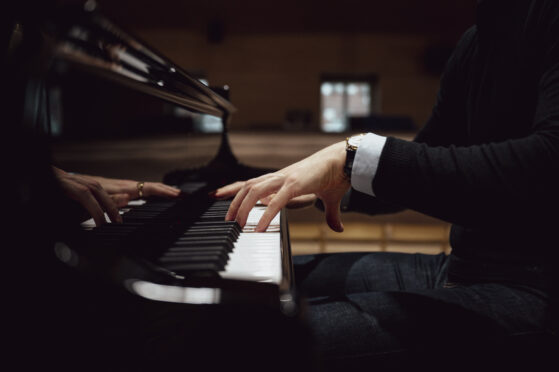
Practice Slowly Before Your Piano Recital
It is tempting to practice a recital piece at performance speed as soon as possible. However, slow practice is one of the most effective ways to build accuracy and control.
Start at a comfortable tempo and pay attention to every movement. Check your fingering, rhythm, posture, hand position, and transitions between sections. Once the piece feels secure, gradually increase the tempo.
This approach also helps identify weak areas before they become performance problems. A difficult passage that feels manageable during slow practice is far less likely to surprise you on stage.

Practice Starting From Different Places
Many students practice their recital piece from beginning to end every time. Although this is useful, it can create a hidden weakness: becoming dependent on the beginning of the piece.
Imagine making a small mistake halfway through your performance. If you have only practiced from the beginning, you may struggle to recover because your memory expects the previous sequence of notes.
For that reason, occasionally start practicing from the middle, from the final section, or from another important transition. Practice individual phrases as well as complete performances. This strengthens your musical memory and makes it easier to continue if something unexpected happens.
Simulate Your Piano Recital Experience
As the recital approaches, regular practice should occasionally feel like a real performance.
Sit at the piano, take a moment to prepare yourself, and play the entire piece without stopping. Avoid correcting mistakes in the middle. If you make an error, keep going and finish the piece.
You can make this exercise even more realistic by performing for family members or friends. Ask them to sit quietly while you play, just as an audience would. Recording yourself can also be helpful because it allows you to notice things you may not hear while concentrating on playing.
Over time, these small performance simulations make the stage environment feel less unfamiliar.
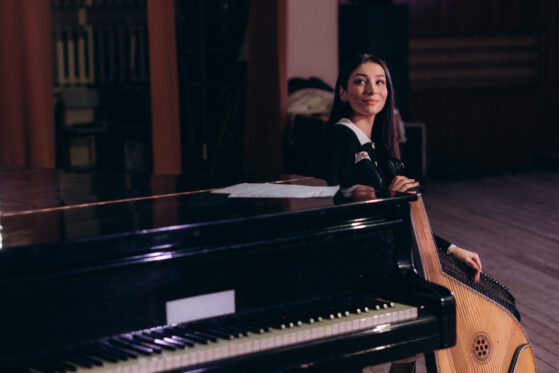
Prepare for Mistakes During Your Piano Recital
One of the most important lessons for a first recital is this: mistakes are not the end of the performance.
Even after extensive preparation, you might hit a wrong note, lose your place, play a rhythm incorrectly, or momentarily forget what comes next. That does not mean your performance has failed.
Instead of stopping immediately, practice recovering calmly. If you make a mistake, keep the rhythm moving and look for the next familiar point in the music. The audience often notices much less than you think.
A confident performer is not necessarily someone who never makes mistakes. More often, it is someone who knows how to continue when a mistake happens.

Manage Pre-Performance Nervousness
Feeling nervous before your first recital is completely normal. Your heart may beat faster, your hands might feel different, or you may suddenly question whether you remember the piece at all.
Rather than fighting those feelings, try to accept them. Tell yourself that nervousness simply means the performance matters to you.
A few slow, comfortable breaths can help you settle before you begin. Avoid excessive last-minute practice, especially if it makes you more anxious. Instead, remind yourself of the preparation you have already completed.
Most importantly, shift your focus from “What if I make a mistake?” to “I am here to share my music.” That change can take some of the pressure away and help you enjoy the experience.
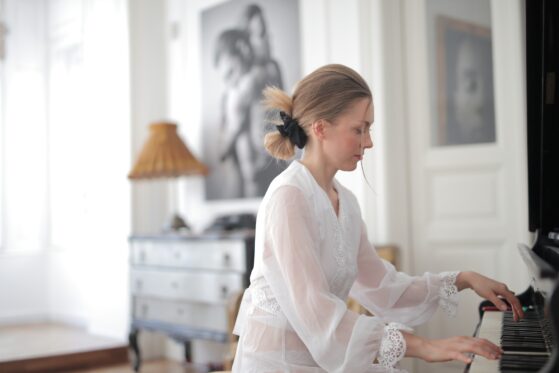
Take Care of Yourself Before the Recital
Good preparation also includes taking care of your body and mind. Get enough sleep the night before and avoid arriving at the venue in a rush.
Have a comfortable meal and stay hydrated, while avoiding anything that makes you feel unusually heavy or uncomfortable. Arrive early enough to become familiar with the surroundings and understand where you need to go.
If you have an opportunity to try the recital piano beforehand, use it. Every piano feels slightly different, so becoming familiar with the instrument can help you adjust your touch, volume, and pedal technique.
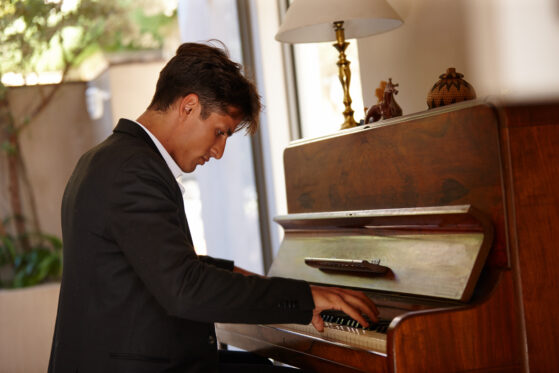
Practice With the Piano You Will Perform On
Whenever possible, find out what type of piano will be used during the recital. The instrument may have a different touch, sound, or pedal response from the piano you normally practice on.
You do not need to completely change your technique. Instead, spend a little time adapting to the instrument. Notice how lightly or firmly you need to play, how quickly the keys respond, and how much pedal is appropriate.
If you cannot practice on the exact recital piano, do not worry. Your preparation on your regular instrument still matters. The goal is simply to be ready for small differences.

Have a Simple Piano Recital Routine
A familiar routine can provide a sense of stability when everything around you feels new.
Perhaps you take a few deep breaths, quietly review the opening phrase, relax your shoulders, and remind yourself of the musical character of the piece. Whatever works for you, keep it simple and repeat it before practice performances as well.
Because the routine becomes familiar, it can act as a mental signal that tells your brain, “It is time to perform.”

Remember Why You Started Playing Piano
When recital preparation becomes stressful, it is easy to become overly focused on wrong notes, difficult passages, and audience reactions. At that point, take a step back and remember why you began learning piano in the first place.
Maybe you enjoy music. Perhaps you love a particular song. You may simply enjoy the feeling of creating something beautiful with your own hands.
A recital is a chance to celebrate that journey. It is not an examination of your worth as a musician.
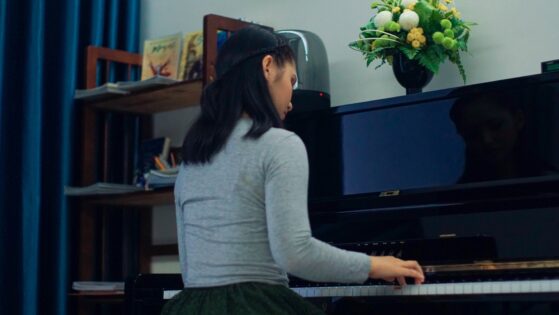
On the Day of the Recital
When the big day arrives, avoid trying to make dramatic changes to your preparation. Trust the work you have already done.
Warm up gently and run through only the sections you genuinely need to review. Too much last-minute practice can sometimes increase anxiety rather than improve your performance.
Once you are backstage or waiting for your turn, focus on staying relaxed. Listen to other performers if it helps you feel inspired, but avoid comparing yourself with them. Every performer has a different piece, experience level, personality, and musical journey.
When your name is called, take your time. Walk to the piano, settle yourself, breathe, and begin.
After Your Piano Recital
Once you finish, give yourself credit for what you accomplished. You stood in front of an audience and shared your music—that alone is a meaningful achievement.
Afterward, think about what went well before focusing on what could have been better. Perhaps you maintained your rhythm beautifully, handled a mistake calmly, or played with more expression than you expected.
Then consider one or two things you would like to improve for your next performance. Avoid turning the experience into a list of everything that went wrong. Instead, use it as valuable feedback for your musical growth.

Your First Recital Is the Beginning
Your first piano recital may feel intimidating, but it can also become one of the most memorable moments in your musical journey. The goal is not to deliver a flawless performance. Rather, it is to experience what it feels like to share your music with others and learn from the process.
With consistent practice, thoughtful preparation, and a positive mindset, stage confidence gradually becomes easier. Piano lessons online with The Mystic Keys can help students build these skills through personalized guidance, structured practice, and expert instruction. Each performance teaches you something new—about music, preparation, concentration, and yourself.
So when you finally sit at the piano and hear the audience waiting, take a breath and enjoy the moment. You have already done the most important part: you prepared, you showed up, and you chose to share your music.
And that is what makes a first piano recital truly special.
For more information and exciting resources about learning music, visit our website at The Mystic Keys. For more music content and exciting offers follow us on
Facebook, Instagram, YouTube, LinkedIn, Twitter, Pinterest, and Threads.