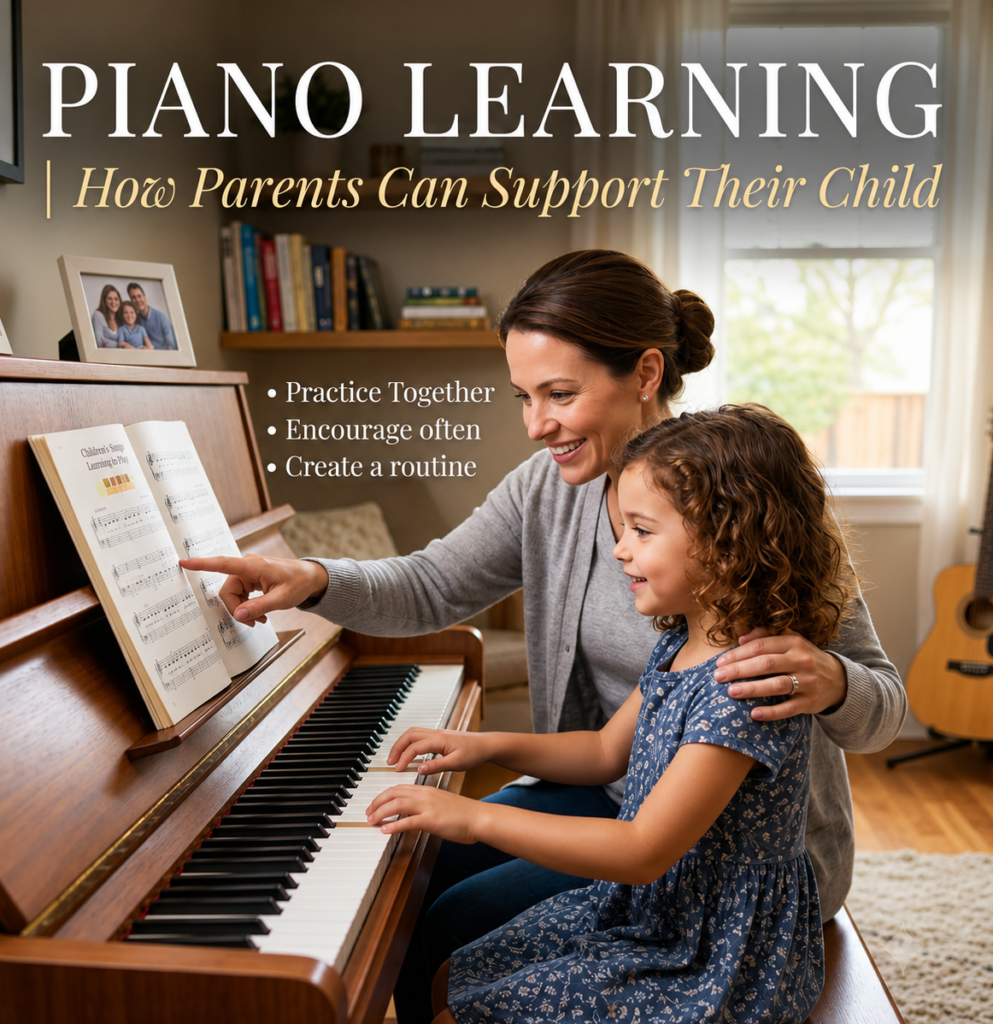
Piano Learning | How Parents Can Support Their Child
Watching your child learn the piano is an exciting experience. Every new note, every completed song, and every small achievement reflects their dedication and growing confidence. However, learning the piano is much more than simply pressing keys or memorizing melodies. It is a journey that develops discipline, creativity, patience, and problem-solving skills while nurturing a lifelong appreciation for music.
Although a qualified teacher provides professional guidance, parents play an equally valuable role in a child’s progress. In fact, the support children receive at home often determines whether they remain motivated during challenging phases of learning. Encouragement, consistency, and a positive environment can transform piano practice from a daily task into an enjoyable part of their routine.
Fortunately, parents do not need to be musicians to make a meaningful difference. By understanding your child’s learning process and offering the right kind of support, you can help them build confidence and enjoy every step of their musical adventure.
Understanding That Every Child Learns Differently
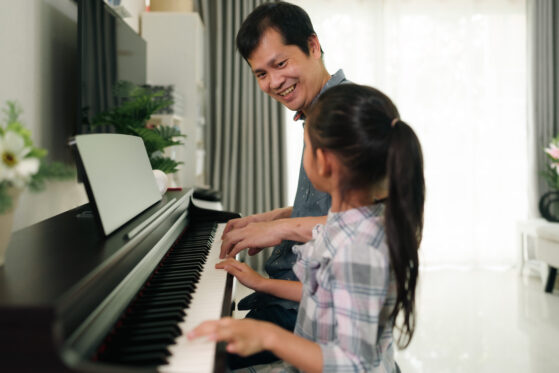
One of the most important things parents should remember is that no two children learn at the same pace. While some quickly recognize notes and rhythms, others require additional time to develop finger coordination or understand musical concepts. Both learning styles are completely normal.
Rather than comparing your child’s progress with siblings, friends, or classmates, it is far more beneficial to celebrate their individual milestones. Comparison often creates unnecessary pressure, whereas personalized encouragement helps children feel capable and motivated.
Moreover, progress in music rarely follows a straight path. Certain weeks may bring rapid improvement, while others may seem slower. Even during these quieter phases, valuable learning is taking place as children strengthen their memory, coordination, and listening skills.
When parents acknowledge these natural variations, children are more likely to stay confident instead of becoming discouraged by temporary setbacks.
Piano Learning Thrives in a Comfortable Practice Environment
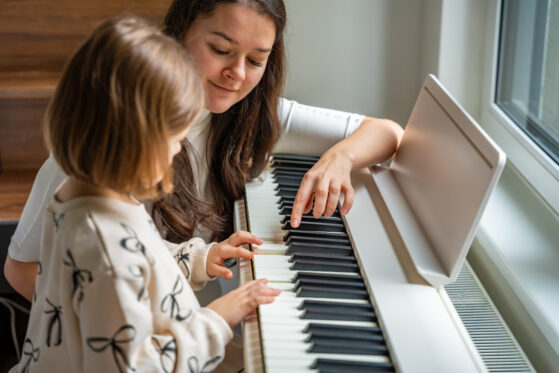
A positive learning environment plays a significant role in helping children enjoy piano practice. Instead of treating practice as a strict obligation, it should become a calm and welcoming part of the day.
Choosing a quiet space free from unnecessary distractions allows children to concentrate better. A comfortable chair, proper piano or keyboard placement, and adequate lighting can also improve their posture and focus.
Equally important is maintaining a consistent practice schedule. Rather than practicing only before lessons, regular daily sessions—even if they are relatively short—lead to stronger long-term improvement. Young learners generally benefit more from frequent, focused practice than from occasional long sessions.
Meanwhile, keeping practice materials organized, including books, notebooks, and lesson assignments, helps children develop responsibility while reducing frustration before each session begins.
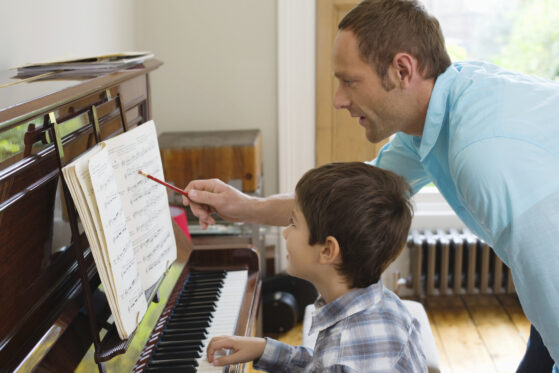
Piano Learning Is About Consistency, Not Perfection
Many children believe that making mistakes means they are not good at playing the piano. Unfortunately, this mindset can quickly reduce motivation.
Parents can help by shifting the focus from perfection to consistent improvement. Instead of asking whether every note was correct, ask what new skill they learned or which section became easier than before. Such conversations encourage children to value progress rather than flawless performances.
Furthermore, mistakes are an essential part of learning any musical instrument. Every pianist, regardless of experience, continues to make errors while practicing difficult pieces. What truly matters is learning how to recognize those mistakes and improve through repetition.
As children begin viewing challenges as opportunities to grow, they gradually develop resilience that benefits both their musical education and everyday life.
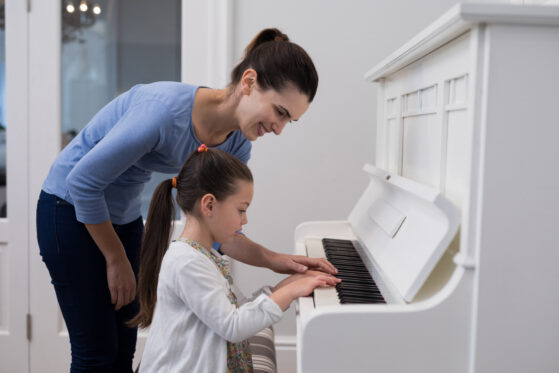
Showing Interest Without Taking Over
Children often feel more motivated when their parents genuinely show interest in what they are learning. Nevertheless, there is a balance between being supportive and becoming overly involved.
For example, asking your child to play a recently learned piece demonstrates curiosity and appreciation. Listening attentively, applauding their effort, or discussing what they enjoyed about the lesson reinforces their enthusiasm.
At the same time, allowing teachers to guide technical instruction is equally important. Correct posture, finger placement, rhythm, and musical interpretation require professional expertise. Instead of correcting every mistake yourself, encourage your child to remember the guidance provided during lessons.
This balanced approach allows children to remain independent while still feeling supported at home.
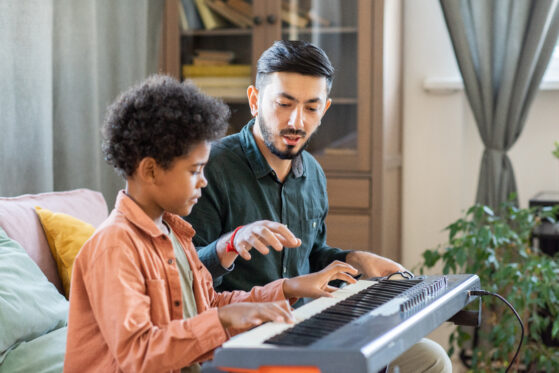
Celebrating Small Achievements Along the Way
Children thrive when their efforts receive positive recognition. However, celebrations do not always need to revolve around major accomplishments such as examinations or recitals.
Completing a difficult exercise, improving hand coordination, mastering a challenging rhythm, or practicing consistently for an entire week are all meaningful achievements worth acknowledging.
Simple words of encouragement often have a lasting impact. A sincere “I’m proud of how hard you worked today” can motivate a child far more than expensive rewards.
Additionally, celebrating progress helps children understand that success comes through steady effort rather than immediate perfection. This lesson extends far beyond piano learning and contributes to a healthy growth mindset.

Piano Learning Improves Through Healthy Practice Habits
Effective practice is not measured only by time spent at the keyboard. Instead, the quality of practice determines how much children actually learn.
Encourage your child to practice with focus rather than rushing through songs repeatedly. Breaking difficult passages into smaller sections often makes learning more manageable. Once individual sections become comfortable, they can gradually combine them into the complete piece.
Equally valuable is taking short breaks whenever children begin losing concentration. Mental fatigue can reduce productivity, whereas brief pauses often improve focus and accuracy when practice resumes.
Gradually, these habits teach children how to approach challenges methodically instead of becoming overwhelmed.
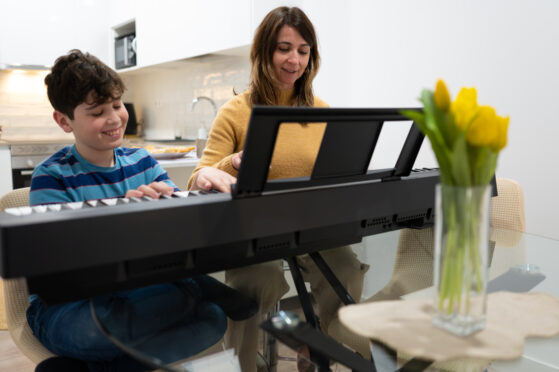
Piano Learning Requires Emotional Support and Confidence
Every child experiences moments of frustration while learning the piano. Some pieces may seem unusually difficult, while others require far more patience than expected.
During these moments, emotional support becomes especially valuable. Rather than emphasizing what still needs improvement, remind your child how much they have already accomplished since beginning lessons.
Listening patiently to their concerns also helps them process disappointment in a healthy way. Sometimes children simply need reassurance that struggling with a difficult piece is completely normal.
Eventually, overcoming these obstacles builds confidence that extends beyond music. As children realize they can solve challenging problems through persistence, they become more willing to embrace future learning experiences.
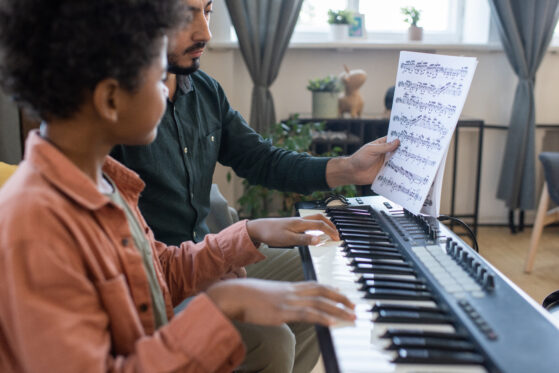
Encouraging Performances Without Creating Pressure
Performing for others is an exciting milestone, yet it can also feel intimidating for young musicians.
Instead of focusing solely on flawless performances, encourage children to enjoy sharing their music. Playing for family members, close friends, or relatives in a relaxed environment can gradually build confidence before larger recitals.
Likewise, remind your child that occasional mistakes during performances are perfectly normal. Even experienced concert pianists make minor errors from time to time. What audiences remember most is the enjoyment and expression behind the music.
By reducing performance anxiety, parents help children develop confidence rather than fear whenever they play in front of others.
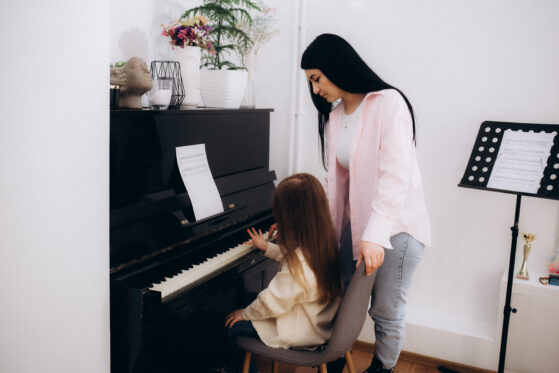
Working Together With the Piano Teacher
A strong partnership between parents and teachers creates one of the best learning environments for children.
Maintaining open communication allows parents to understand current lesson goals, practice expectations, and areas requiring additional attention. Consequently, home practice becomes more focused and productive.
Whenever questions arise, discussing them directly with the teacher ensures that children receive consistent guidance. This collaborative approach also prevents confusion that may occur when different instructions are given at home.
Most importantly, showing respect for the teacher’s expertise demonstrates to children that learning is a team effort involving everyone invested in their success.
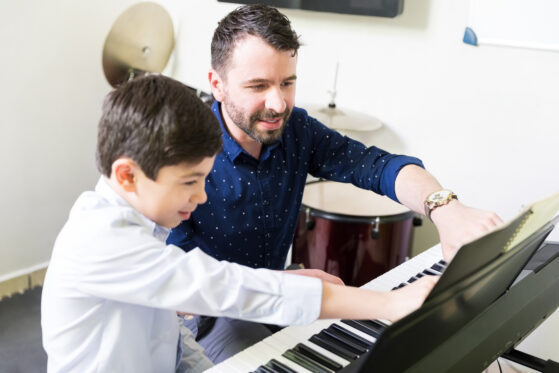
Piano Learning Should Be Balanced With Other Activities
Although consistent practice is essential, maintaining a healthy balance is equally important.
Children benefit from participating in sports, spending time outdoors, reading, socializing with friends, and enjoying family activities alongside their musical education. These experiences contribute to emotional well-being while preventing burnout.
Moreover, balanced routines often improve concentration during piano practice because children return feeling refreshed rather than exhausted.
Instead of viewing piano as an isolated activity, consider it one valuable part of your child’s overall development.
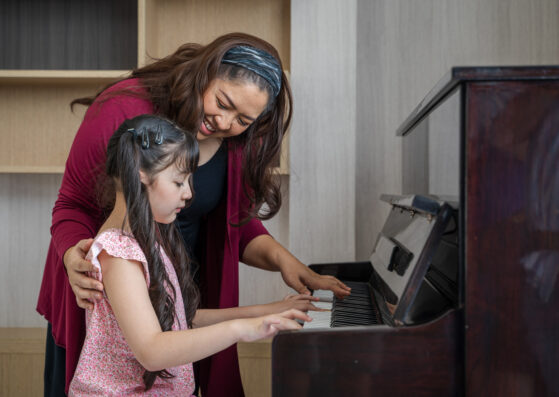
Being Patient During Long-Term Growth
Learning the piano is a marathon rather than a sprint. Significant musical growth happens gradually through months and years of consistent practice.
Some periods may produce rapid improvement, while others involve refining previously learned skills. Although progress may occasionally seem slow, each lesson contributes to stronger technique, better musical understanding, and increased confidence.
Parents who remain patient during these natural learning cycles help children develop realistic expectations. As a result, young musicians are less likely to give up when immediate results do not appear.
Eventually, the combination of steady practice, professional instruction, and family support creates lasting success.
Conclusion
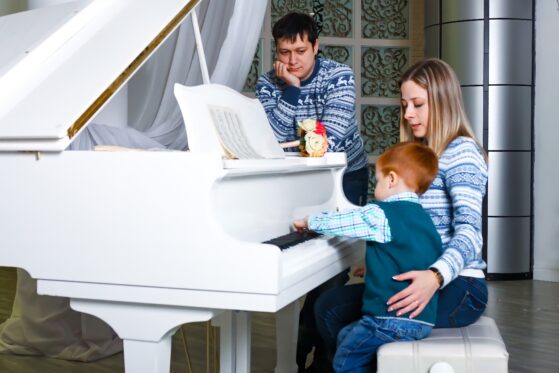
A child’s piano journey is shaped not only by lessons and practice sessions but also by the encouragement they receive at home. Parents do not need advanced musical knowledge to make a lasting impact. Their patience, positivity, consistency, and genuine interest provide the emotional foundation children need to continue learning with confidence.
Although challenges are inevitable, every obstacle presents an opportunity for growth. With the right guidance, children gradually develop resilience, discipline, creativity, and self-belief alongside their musical abilities. Whether children attend traditional classes or take online piano lessons, consistent support from parents remains one of the most important factors in their success.
Ultimately, supporting your child’s piano education means celebrating progress rather than perfection. As they continue discovering the joy of music, your encouragement becomes one of the greatest gifts you can offer throughout their learning journey. At The Mystic Keys, we are committed to helping young learners build strong musical foundations through engaging, personalized instruction that inspires confidence and a lifelong love for music.
For more information and exciting resources about learning music, visit our website at The Mystic Keys. For more music content and exciting offers follow us on
Facebook, Instagram, YouTube, LinkedIn, Twitter, Pinterest, and Threads.