Tips for Leading Worship Through Piano in Church Services
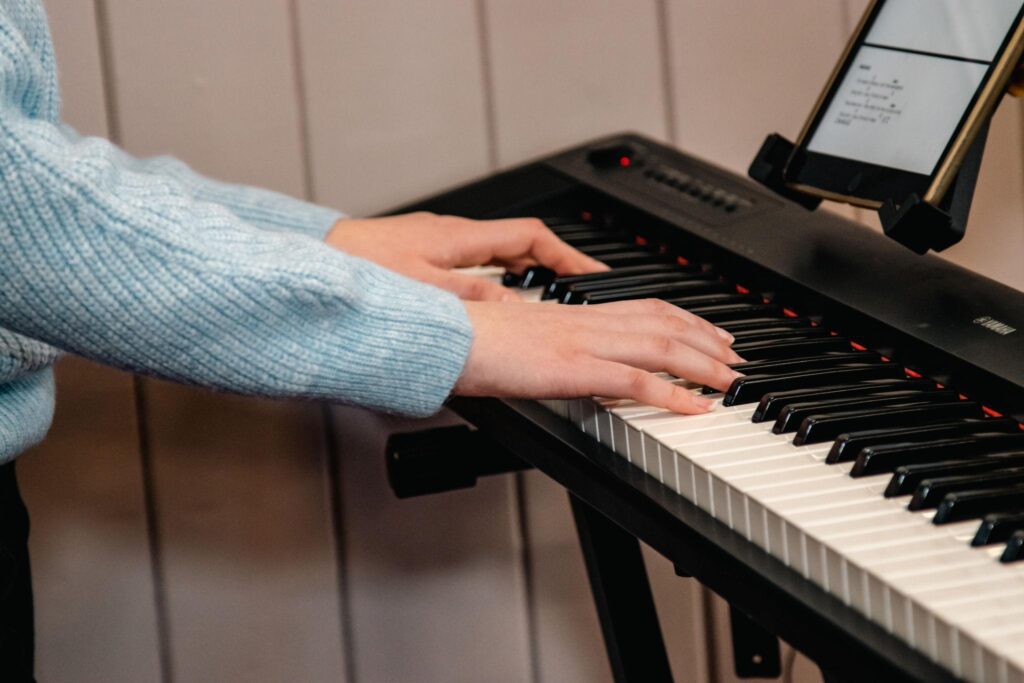
Leading worship through piano is more than playing the right chords. It is about creating an atmosphere where people can focus on God without distractions. Whether you are just beginning your worship ministry or have been serving in church for years, developing the right musical and spiritual habits will help you become a more confident and effective worship pianist.
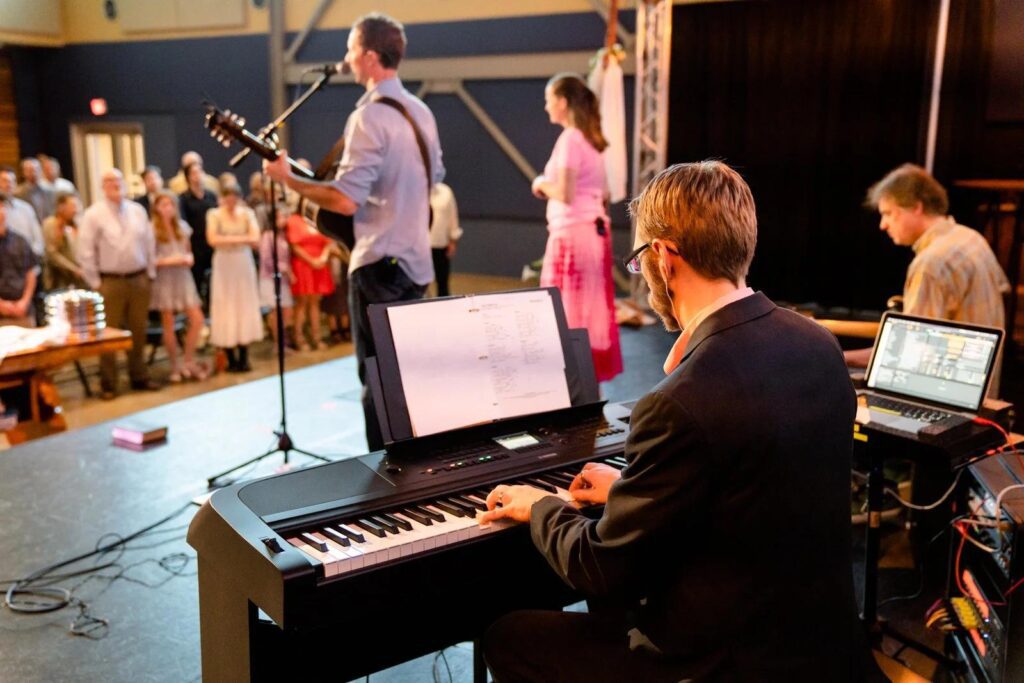
For worship learners and students, understanding your role is just as important as improving your playing technique. The piano should support the worship team, guide the congregation, and help every song flow naturally.
Understand Your Role as a Worship Pianist
Many beginners believe that playing more notes makes worship sound better. In reality, the best worship pianists know when to play and when to keep things simple.
Your responsibilities include:
Supporting the worship leader.
Keeping the band together.
Helping the congregation sing confidently.
Creating smooth musical transitions.
Playing with humility rather than seeking attention.
Remember, worship is about serving, not performing.
Learn the Songs Before the Service
Preparation is one of the most important habits of every worship musician.
Before church:
Listen to the original version several times.
Learn the chord progression.
Memorize the structure (Verse, Chorus, Bridge, Outro).
Practice difficult transitions.
Identify key changes and dynamic sections.
The more prepared you are, the more confident you will feel during the service.
Master Common Worship Chord Progressions
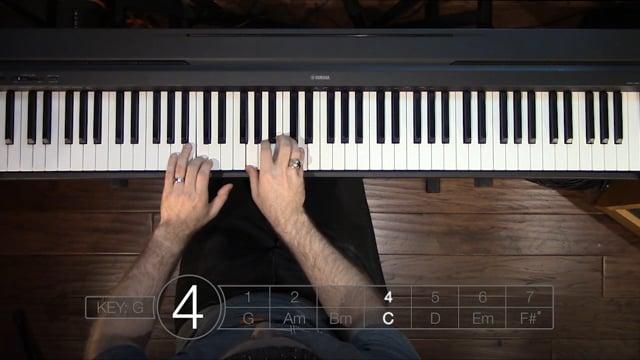
Most worship songs use simple chord progressions.
Some of the most common include:
I – V – vi – IV
I – IV – V
vi – IV – I – V
I – vi – IV – V
Learning these progressions in multiple keys will make it easier to play new songs without relying heavily on sheet music.
Play with the Right Dynamics
One of the biggest differences between beginner and experienced worship pianists is dynamics.
A steady rhythm helps the entire worship team stay together.
Listen More Than You Play
Great worship musicians spend as much time listening as they do playing.
Pay attention to:
The worship leader.
The vocalist’s breathing.
The drummer’s tempo.
The bass player’s groove.
Other keyboard or guitar parts.
Listening helps you choose the right notes instead of filling every space.
Leave Space in Your Playing
Silence can be just as powerful as music.
Avoid playing continuously throughout every song.
Use pauses to:
Let the congregation sing.
Support prayer moments.
Create emotional impact.
Build anticipation before the next section.
Simple playing often has a greater impact than complex arrangements.
Learn Basic Music Theory
Understanding music theory makes worship playing much easier.
Important topics include:
Major and minor scales.
Chord construction.
Inversions.
Chord extensions.
Nashville Number System.
Transposition.
Music theory allows you to adapt quickly if the worship leader changes the key during rehearsal or service.
Practice Smooth Chord Transitions
Awkward pauses between chords can interrupt the flow of worship.
Improve transitions by practicing:
Chord inversions.
Finger independence.
Voice leading.
Hand coordination.
Smooth transitions make songs sound more professional and easier for the congregation to follow.
Pray Before You Play
Technical skill is important, but your heart matters even more.
Before every rehearsal or service:
Pray for wisdom.
Ask God to use your music.
Stay focused on serving others.
Keep a humble attitude.
A worship musician leads people toward worship, not toward themselves.
Practice Consistently
Growth comes through regular practice.
A balanced daily routine might include:
10 minutes of scales and finger exercises.
15 minutes of chord progressions.
20 minutes of worship songs.
10 minutes of improvisation.
5 minutes of transitions and endings.
Even 45–60 minutes of focused practice each day can produce noticeable improvement over time.
Work Well with Your Worship Team
Strong teamwork creates a better worship experience.
During rehearsals:
Communicate clearly.
Accept feedback positively.
Follow the worship leader’s direction.
Arrive prepared and on time.
Encourage other musicians.
Serving together with unity is more valuable than individual performance.
Continue Learning
Every church service is an opportunity to grow.
After each service, ask yourself:
Were my transitions smooth?
Did I support the worship leader well?
Was my timing consistent?
Did I play too much or too little?
What can I improve for next week?
Small improvements each week lead to long-term growth.
Leading Worship Through Piano is a combination of musical skill, careful preparation, teamwork, and a heart for serving God. You don’t need to play complicated arrangements to lead meaningful worship. By mastering the fundamentals, practicing consistently, listening carefully, and playing with sensitivity, you can help create an environment where the congregation can worship with confidence and focus.
Whether you’re a beginner or an experienced student, every rehearsal and church service is an opportunity to grow as both a musician and a worship leader. Keep learning, stay humble, and let your piano playing support the message of every song.
Intersted in learning music with us? Register now
For more information and exciting resources about learning music, visit our website at The Mystic Keys. For more music content and exciting offers follow us on