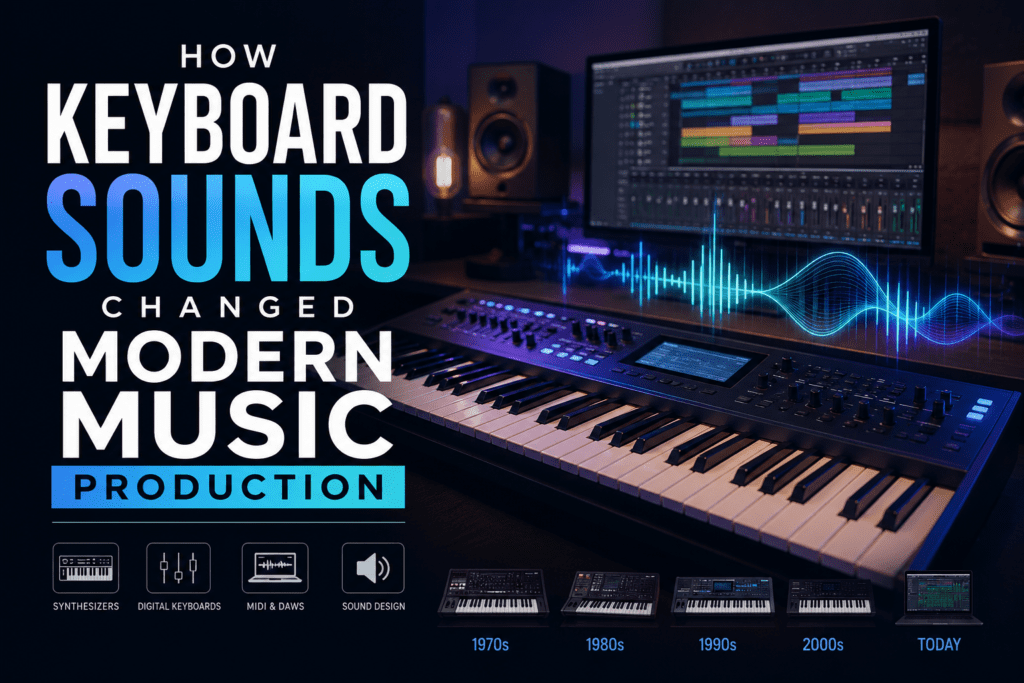
How Keyboard Sounds Changed Modern Music Production
Keyboard sounds have played a major role in shaping modern music production across every genre. From classic analog synthesizers to modern digital workstations, keyboards have transformed how music is created, recorded, and performed. Today, keyboard sounds are everywhere — in pop songs, film scores, worship music, hip-hop beats, electronic dance music, and even cinematic trailers.
The evolution of keyboard technology has not only changed the sound of modern music but also redefined the entire music production process.
The Rise of Electronic Keyboard Sounds
Before electronic keyboards became popular, most music relied heavily on acoustic instruments. Pianos, orchestras, guitars, and drums dominated recording studios for decades. However, the introduction of synthesizers and electronic keyboards in the 1970s and 1980s completely changed the industry.
Artists and producers suddenly gained access to sounds that had never existed before. Synth pads, basses, leads, strings, electric pianos, and atmospheric textures opened endless creative possibilities.
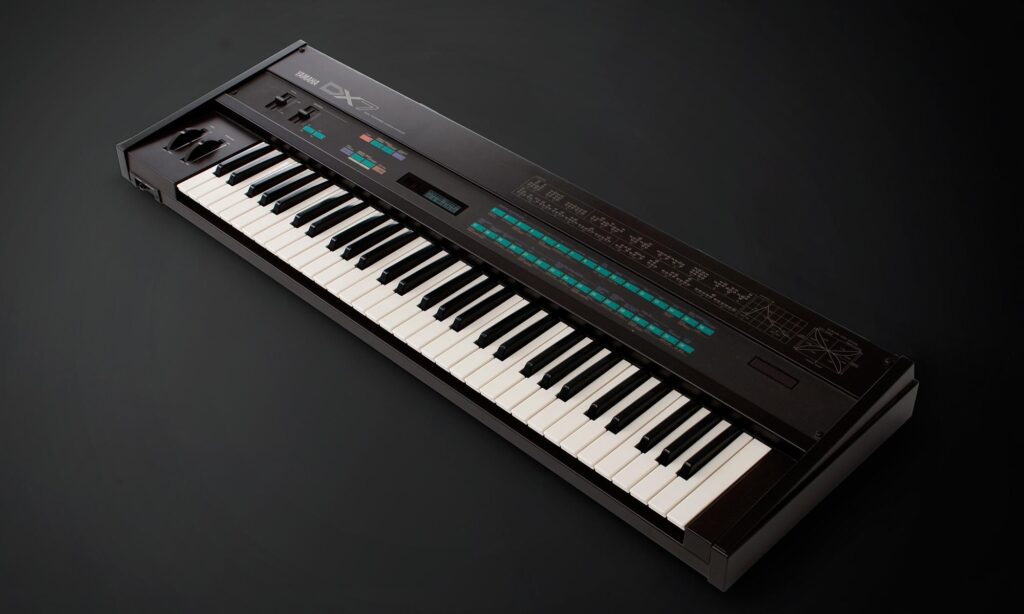
Famous synthesizers like the Yamaha DX7, Roland Juno series, and Moog synthesizers became iconic tools in modern music production. Their sounds defined entire musical eras and continue to influence producers today.
Why Keyboard Sounds Became Essential in Music Production
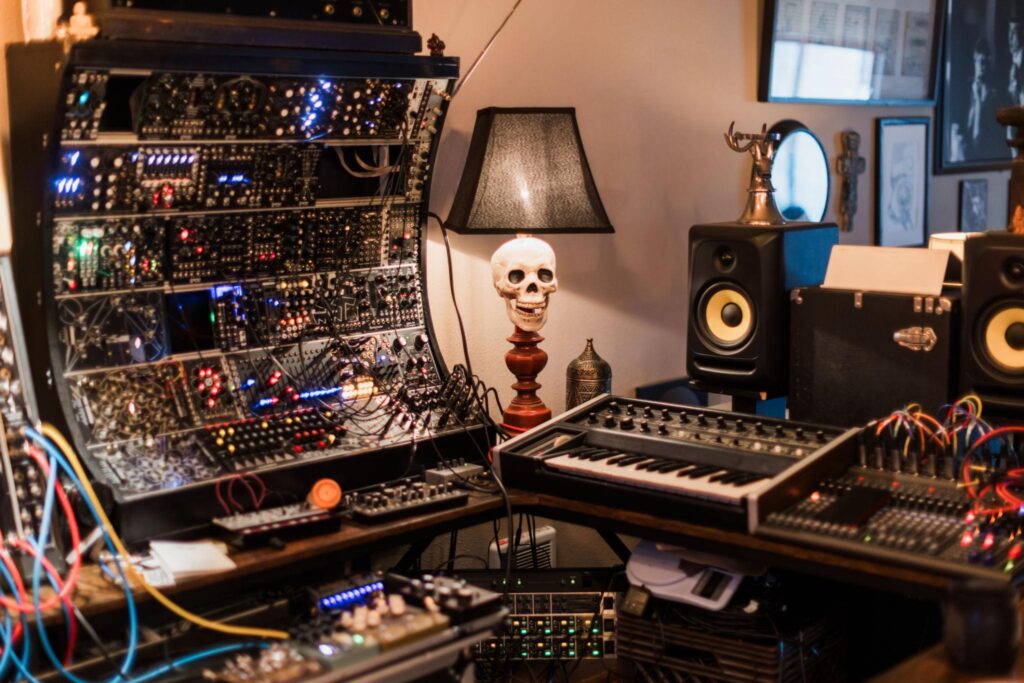
One major reason keyboard sounds became so important is versatility. A single keyboard can reproduce hundreds or even thousands of instruments and textures. Producers no longer need large orchestras or multiple session musicians to create full arrangements.
Modern keyboards can generate:
- Piano sounds
- Synth leads
- Bass sounds
- String sections
- Choir pads
- Drum kits
- Ambient textures
- Electronic effects
This flexibility allows musicians to experiment faster and produce professional-quality tracks from home studios.
The Impact of Synthesizers on Popular Music
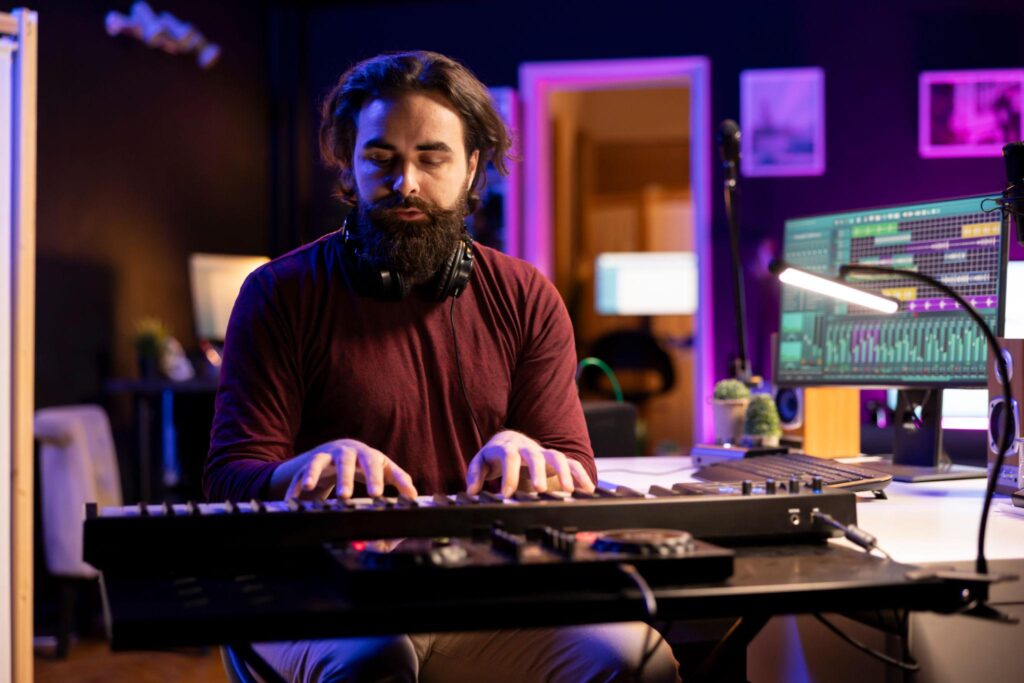
Synthesizers changed the identity of popular music forever. Genres like synth-pop, EDM, hip-hop, lo-fi, trap, and modern worship music heavily depend on keyboard-driven production.
In the 1980s, synth sounds became the signature of mainstream pop music. Bright leads, analog basslines, and atmospheric pads dominated radio hits.
Today, modern producers still use keyboard sounds to create emotional depth and sonic identity in songs. Even simple background pads can completely change the mood of a track.
Artists across genres use keyboards to add:
- Emotional atmosphere
- Rhythmic layers
- Cinematic textures
- Modern electronic elements
- Powerful live performance sounds
How Digital Keyboards Revolutionized Home Studios
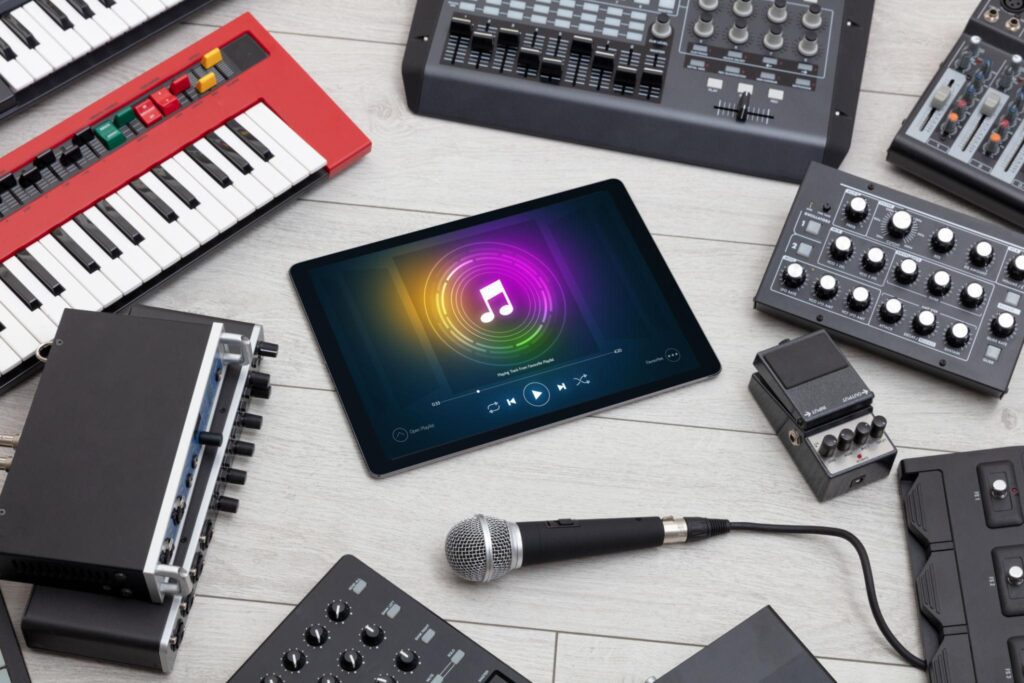
The rise of digital keyboards and MIDI technology made music production more accessible than ever before. Producers can now connect keyboards directly to computers and control virtual instruments inside Digital Audio Workstations (DAWs).
This changed music production in several ways:
Keyboard controllers allow producers to quickly record melodies, chords, and drum patterns without needing expensive recording setups.
Independent musicians can now produce studio-quality music from home using affordable MIDI keyboards and software instruments.
Modern keyboard workstations and virtual instruments provide access to massive sound libraries covering every genre imaginable.
Layering sounds, experimenting with synth patches, and editing tones has become easier and faster than traditional recording methods.
Keyboard Sounds in Film Scoring and Worship Music
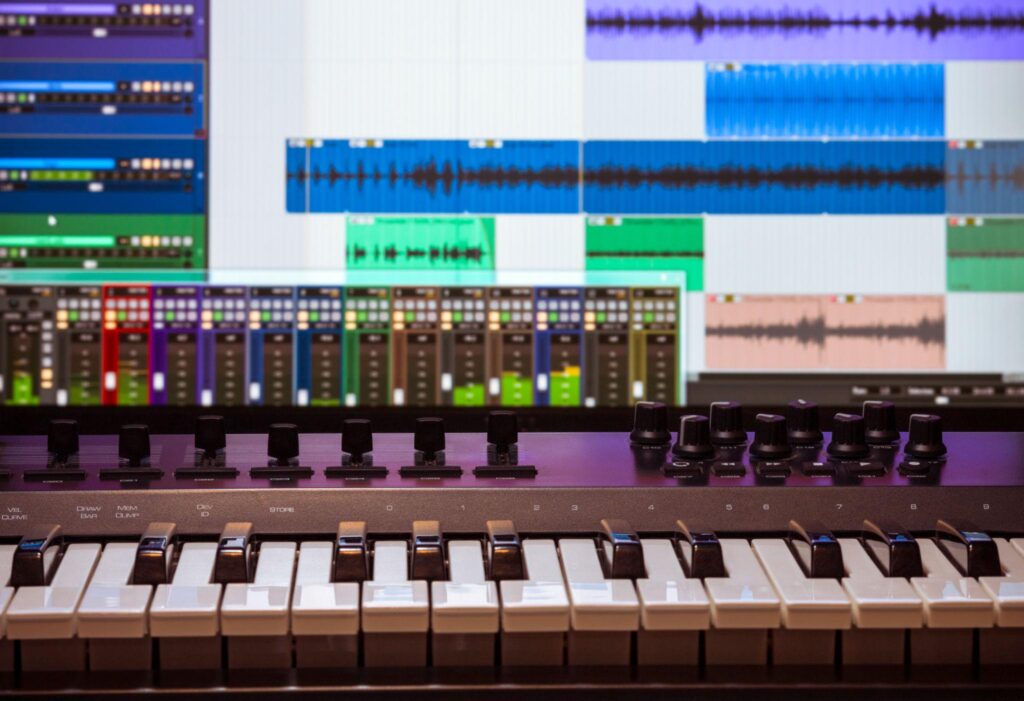
Keyboard sounds are also essential in cinematic music and worship production. Film composers use synth textures, orchestral layers, and ambient pads to create emotional storytelling.
Similarly, worship music relies heavily on keyboard atmospheres and soft synth layers to build powerful emotional moments during live performances.
Modern worship bands often use keyboards for:
- Ambient pads
- Piano layers
- String textures
- Synth arpeggios
- Backing sounds
Without keyboards, many modern worship arrangements would feel incomplete.
The Role of AI and Modern Technology
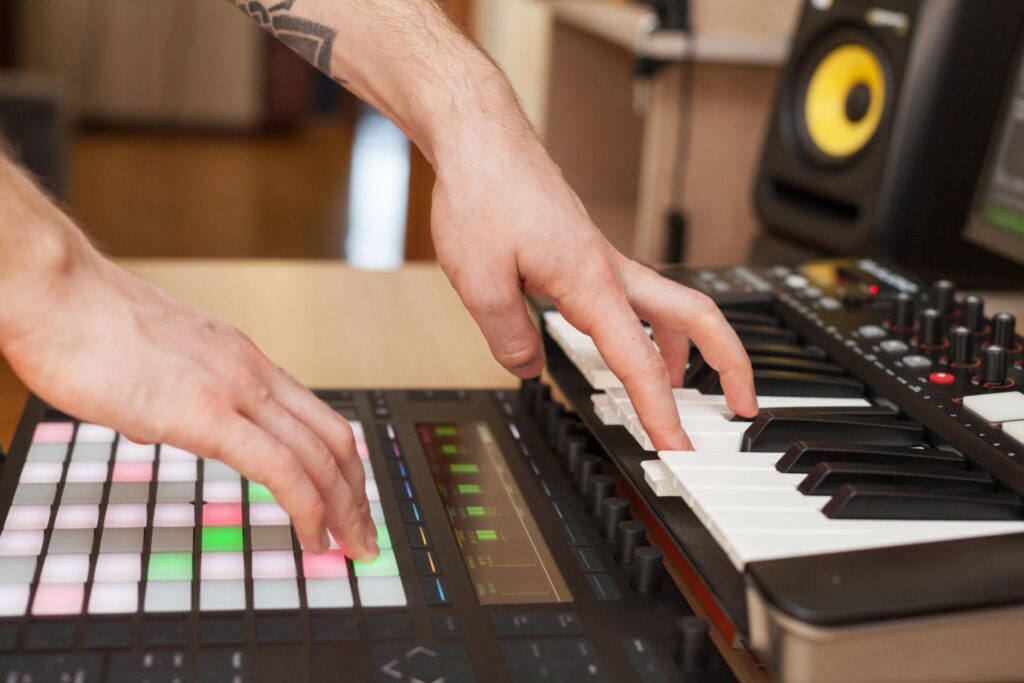
Today’s keyboards include advanced sampling technology, AI-assisted sound design, and realistic instrument emulations. Some keyboards can now recreate acoustic instruments with incredible realism.
Software synthesizers and virtual instruments continue pushing music production forward. Producers can design completely original sounds that were impossible just a few decades ago.
As technology evolves, keyboard sounds will continue influencing future music trends across all genres.
Why Keyboard Sounds Still Matter Today
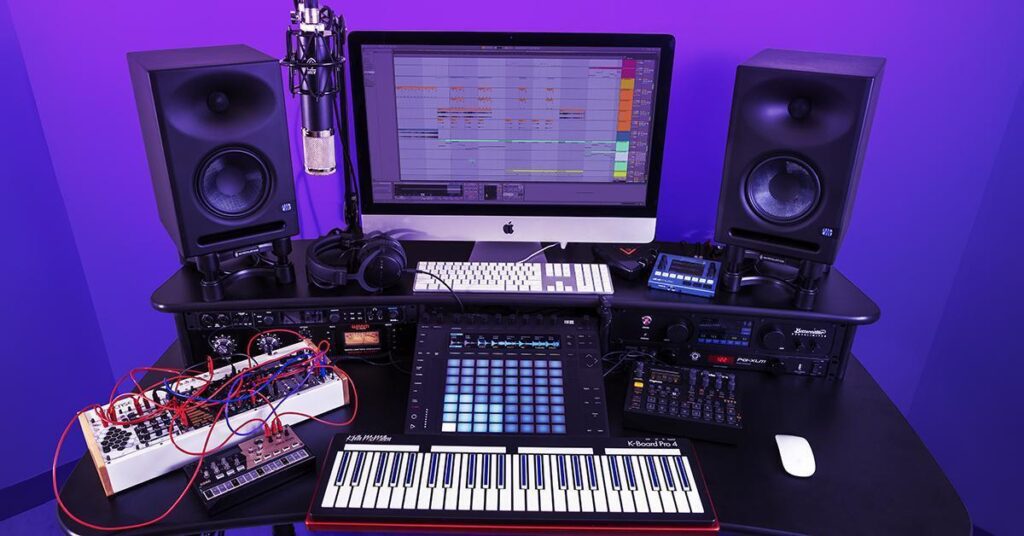
Even with rapid technological advancement, keyboard sounds remain one of the most powerful tools in music production. Their ability to blend melody, harmony, rhythm, and texture makes them essential for both beginners and professional producers.
Whether creating cinematic soundtracks, worship arrangements, pop hits, or electronic music, keyboards continue shaping the sound of modern music.
The future of music production will likely become even more keyboard-driven as new technologies, software instruments, and creative tools continue to evolve.
Keyboard sounds have completely transformed modern music production by expanding creativity, simplifying recording, and introducing entirely new sonic possibilities. From vintage analog synthesizers to modern digital workstations, keyboards continue influencing every major music genre today. Many musicians are also improving their skills through Keyboard Classes Online, making professional keyboard learning more accessible than ever before.
As music technology grows, keyboard sounds will remain at the center of innovation, creativity, and musical expression for generations to come.
Intersted in learning music with us? Register now
For more information and exciting resources about learning music, visit our website at The Mystic Keys. For more music content and exciting offers follow us on
Facebook, Instagram, YouTube, LinkedIn, Twitter, Pinterest, and Threads.