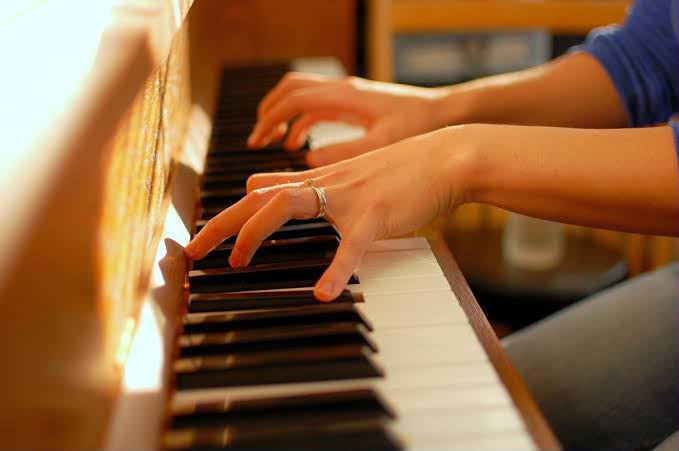
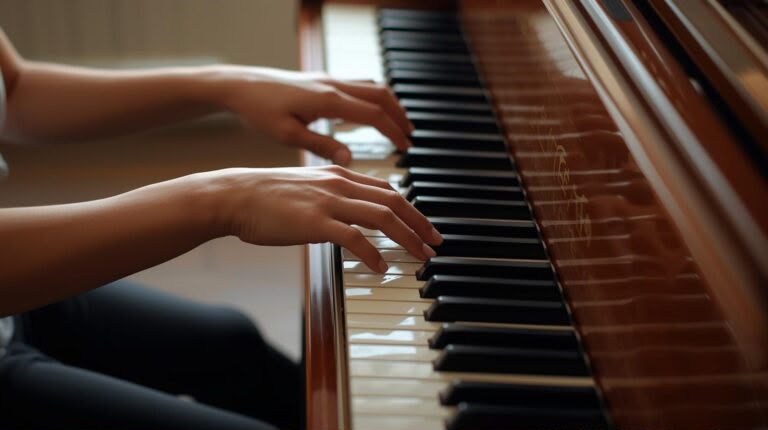
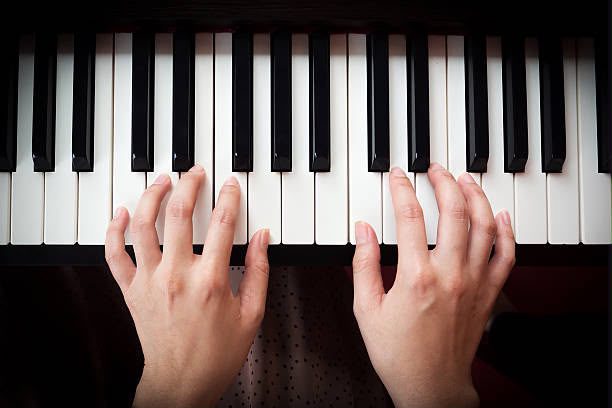
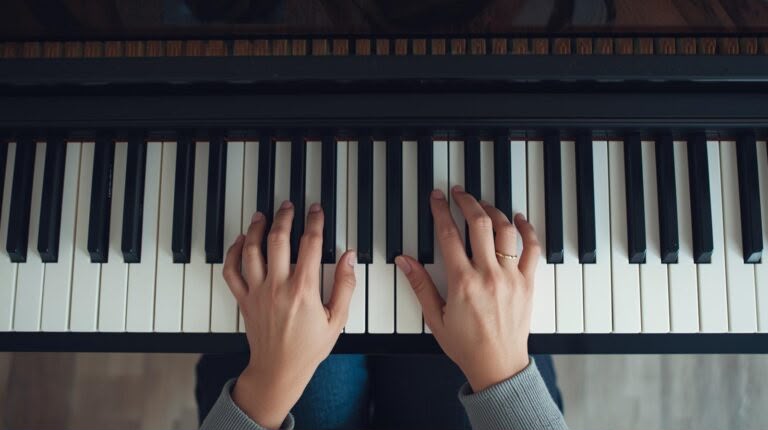
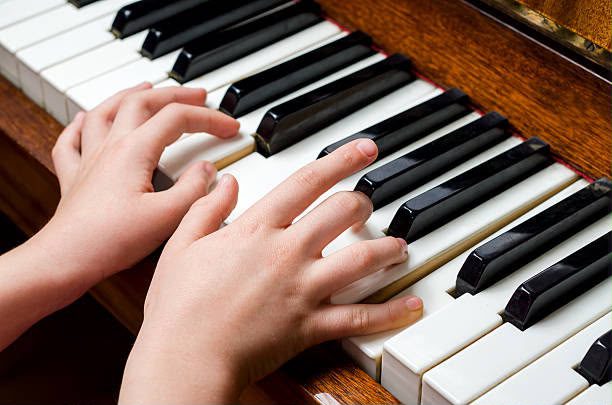
Learning how to improve piano balance between both hands is essential for creating smooth and expressive music. Many pianists struggle because one hand often becomes louder or more dominant than the other, which affects the overall sound quality.
Good balance allows the melody to stand out while the accompaniment supports it naturally, making your playing sound more professional and controlled.
How to Improve Piano Balance Between Both Hands
Understanding how to improve piano balance between both hands starts with developing control over dynamics. Each hand plays a different role, and learning to manage volume and touch is key.
For example:
Right hand usually plays melody (louder)
Left hand supports with chords (softer)
Balancing these roles creates clarity in music.
Tips on How to Improve Piano Balance Between Both Hands
Hand balance is not just about volume—it’s about musical expression.
When balanced properly:
The melody becomes clear
The accompaniment doesn’t overpower
The music sounds polished
Without balance, even correct notes can sound messy.
Train Your Hands Separately First
One of the best ways to improve control is to practice each hand alone.
Play the melody hand with expression
Practice accompaniment softly
Focus on dynamics in each hand
This builds awareness before combining both hands.
Practice at a Slow Tempo
Speed makes balance harder.
To master how to improve piano balance between both hands, start slow:
Active listening helps correct imbalance instantly.
Use Dynamic Control Exercises
Practicing dynamics improves hand balance.
Try this:
Play melody loud, accompaniment soft
Switch roles for control practice
Experiment with different volumes
This strengthens finger control and sensitivity.
Focus on Finger Strength and Control
Weak finger control can cause imbalance.
To improve:
Practice scales with varied dynamics
Use finger exercises
Control pressure on each key
Stronger control leads to better balance.
Common Mistakes to Avoid
❌ Playing both hands at the same volume ❌ Ignoring melody emphasis ❌ Practicing too fast ❌ Not listening carefully
Avoiding these mistakes will improve your sound significantly.
Tips to Improve Piano Balance Between Both Hands
To get better results:
Keep your wrist relaxed
Use lighter touch for accompaniment
Emphasize melody notes
Practice consistently
These small adjustments make a big difference.
How The Mystic Keys Helps Students
At The Mystic Keys, we train students to develop balance through:
Guided practice techniques
Dynamic control exercises
Personalized feedback
Structured lessons
This helps students play more musically and confidently.
👉 Explore more music courses at The Mystic Keys to start your piano journey with the right foundation.
Conclusion
Mastering how to improve piano balance between both hands takes time, but it is essential for expressive playing. With slow practice, active listening, and dynamic control, you can create a clear and balanced sound.
👉 Balanced hands create beautiful music.
For more information and exciting resources about learning music, visit our website at The Mystic Keys. For more music content and exciting offers follow us on