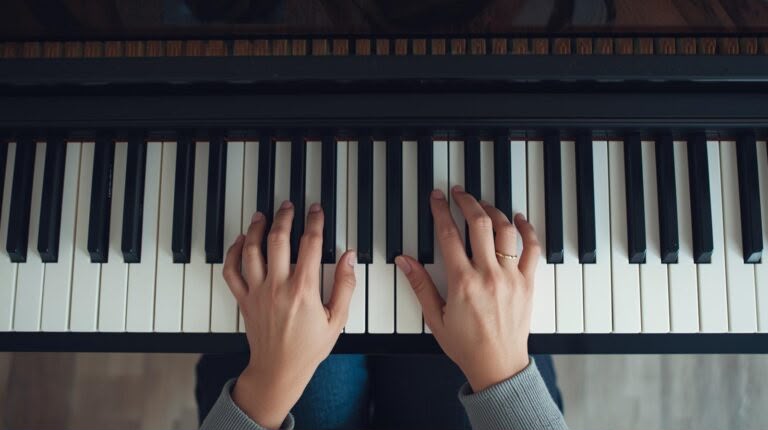
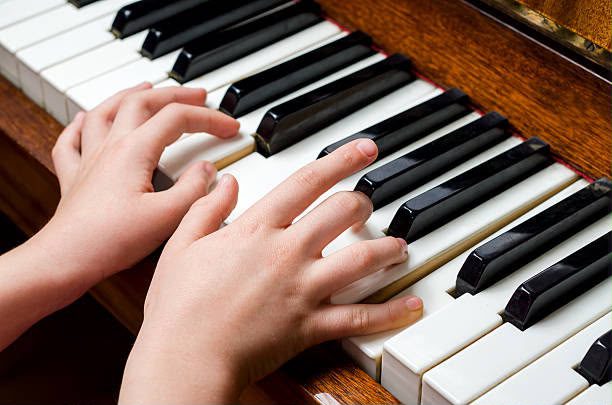
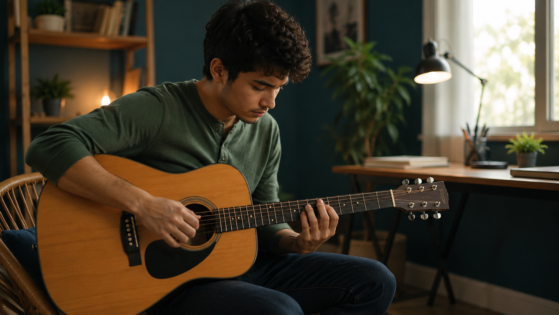
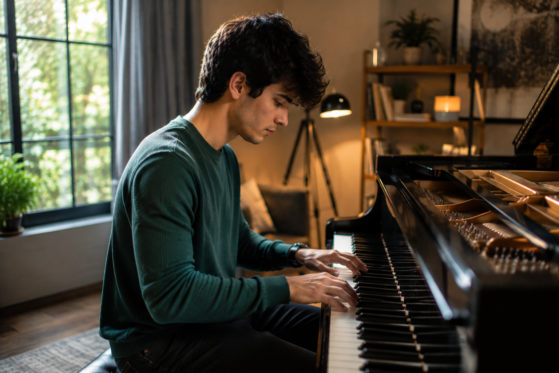
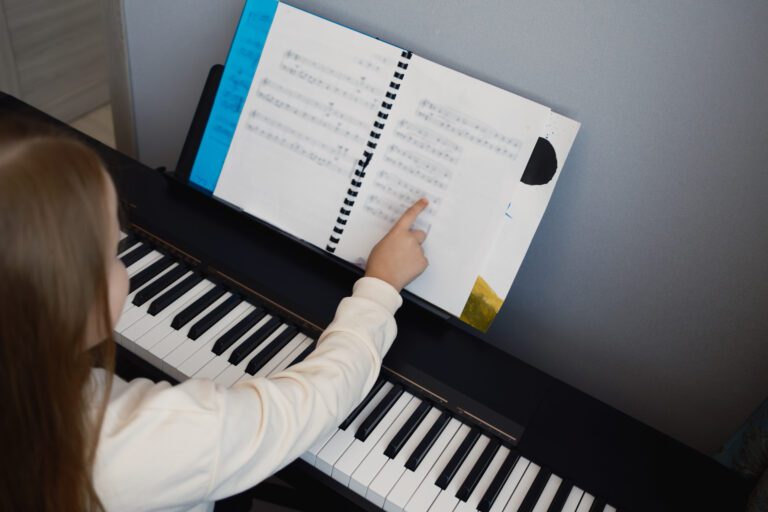
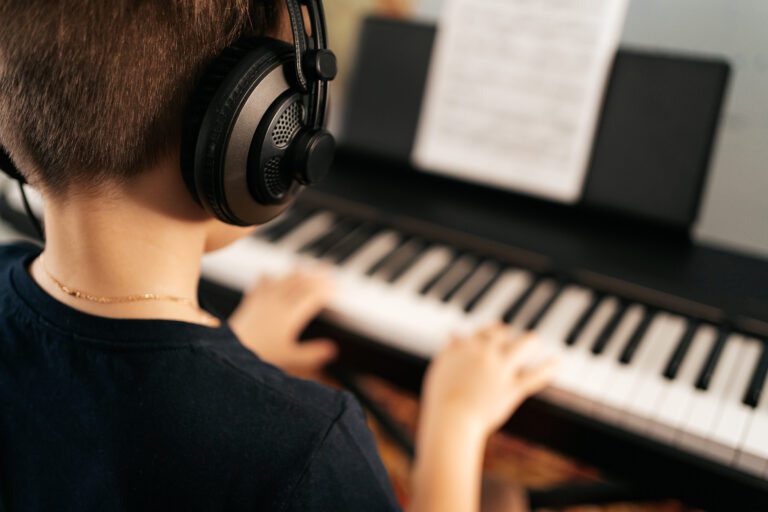
Learning how to accompany singers on the piano is an essential skill for any pianist who wants to play with vocalists. Unlike solo playing, accompaniment requires you to support the singer, follow their timing, and create a balanced musical experience.
A good accompanist doesn’t overpower the singer—they enhance the performance and make it sound complete.
How to Accompany Singers on the Piano
Understanding how to accompany singers on the piano starts with knowing your role. As a pianist, you are not the main focus—the singer is.
Your job is to:
Support the melody
Maintain rhythm
Create harmony
This mindset is key to becoming a great accompanist.
Tips on How to Accompany Singers on the Piano
One of the most important skills is active listening.
You should:
Follow the singer’s tempo
Adjust to their phrasing
Stay flexible
Every singer performs differently, so listening helps you stay in sync.
Techniques on How to Accompany Singers on the Piano
When learning how to accompany singers on the piano, simplicity is powerful.
Avoid: ❌ Overplaying ❌ Complex runs ❌ Loud chords
Instead: ✔ Use simple chord patterns ✔ Keep rhythm steady ✔ Leave space for the voice
Understand Chord Progressions
Strong knowledge of chords makes accompaniment easier.
Focus on:
Common chord progressions
Smooth transitions
Playing in different keys
This allows you to adapt quickly when working with singers.
These cues help you anticipate changes in timing or expression.
Practice with Real Songs
To improve how to accompany singers on the piano, practice with:
Vocal tracks
Friends or students
Recorded performances
This builds real-world experience and confidence.
Common Mistakes in How to Accompany Singers on the Piano
❌ Playing too loudly ❌ Ignoring the singer’s timing ❌ Overcomplicating the accompaniment ❌ Not listening actively
Avoiding these mistakes will instantly improve your skills.
Tips to Become a Better Accompanist
Keep your chords clean and clear
Stay flexible with tempo
Practice different styles
Focus on musical expression
These habits help you grow as a versatile pianist.
How The Mystic Keys Helps Students
At The Mystic Keys, we train students to accompany singers effectively by:
Teaching chord-based playing
Improving listening skills
Practicing real performance scenarios
Providing personalized guidance
This helps students become confident accompanists.
👉 Explore more music courses at The Mystic Keys to start your piano journey with the right foundation.
Conclusion
Mastering how to accompany singers on the piano requires listening, simplicity, and strong musical awareness. With consistent practice and the right approach, you can become a skilled accompanist who enhances any vocal performance.
👉 Great accompaniment makes great music.
For more information and exciting resources about learning music, visit our website at The Mystic Keys. For more music content and exciting offers follow us on
When it comes to worship guitar timing, playing faster does not necessarily mean playing better. In fact, a guitarist who can play simple chords with excellent timing will often sound more musical, supportive, and confident than someone who can play complicated patterns but struggles to stay in time.
Worship music is not about showing how quickly you can change chords or how many notes you can play. Instead, it is about creating a steady musical foundation that helps the entire congregation, vocalist, and band move together. That is why timing often matters far more than speed.
A guitarist may know every chord, every strumming pattern, and even several impressive techniques. However, if the rhythm is inconsistent, the music can quickly feel unsettled. On the other hand, simple chords played at exactly the right moment can make a worship song feel powerful, peaceful, and natural.
What Does Worship Guitar Timing Mean?
Timing is your ability to play each chord, strum, note, or rhythmic pattern at the correct moment within the beat.
Think of the beat as the heartbeat of a song. Every musician in the band needs to feel that heartbeat and stay connected to it. When the drummer, bassist, guitarist, keyboardist, and vocalist are all locked into the same pulse, the music feels unified.
For a worship guitarist, this means knowing when to play and, equally importantly, when not to play.
A guitarist who constantly rushes into the next chord can make a song feel hurried. Similarly, changing chords slightly late can make the entire band feel as though it is dragging behind. Even when the mistake is small, listeners can often feel that something is not quite right.
Good timing, therefore, is not simply about counting. It is about developing an internal sense of rhythm that allows you to stay connected to the song.
Why Speed Is Often Overrated
Speed is impressive, but worship guitar rarely requires you to play as fast as possible.
Many beginners spend a lot of time trying to increase their chord-changing speed. They want to move from G to C or D to Em as quickly as they can. While smooth chord changes are certainly useful, speed alone does not make those changes musical.
Imagine two guitarists playing the same worship song. The first guitarist changes chords extremely quickly but occasionally comes in early or late. The second guitarist uses a simple strumming pattern and changes every chord precisely with the beat.
The second performance will usually sound much stronger.
That is because the congregation does not need the guitarist to win a speed competition. They need a dependable rhythm that they can follow.
Once your timing is strong, speed becomes much easier to develop. The reverse, however, is not always true. Playing quickly without rhythmic control can simply make mistakes happen faster.
Timing Keeps the Worship Team Together
A worship band is a team, and timing is one of the things that keeps that team connected.
The drummer establishes a rhythmic foundation, while the bass often reinforces the groove. Meanwhile, the guitar can fill the musical space with chords, rhythmic patterns, or melodic textures. The vocalist then needs to feel comfortable singing over everything happening underneath.
If the guitarist is rushing or dragging, the other musicians may have to compensate.
That can create unnecessary tension within the arrangement. Instead of everyone moving together naturally, musicians begin trying to follow one another or correct each other’s timing.
However, when the guitarist stays firmly in the pocket, the performance becomes much more comfortable. The drummer can maintain the groove, the vocalist can phrase naturally, and the congregation can follow the song without being distracted by rhythmic instability.
Worship Guitar Timing and the Importance of the Beat
Before worrying about complicated strumming patterns, learn to feel the beat.
Most worship songs have a steady pulse that you can tap with your foot or count internally. Once that pulse becomes familiar, your strumming can sit naturally around it.
Try playing a single chord while counting:
1 – 2 – 3 – 4
Rather than changing anything, focus on making every beat feel evenly spaced. Your goal is not to make the exercise exciting. Your goal is to make the pulse dependable.
After that feels comfortable, introduce a basic downstroke pattern. Gradually add upstrokes and rests while keeping the underlying beat steady.
This approach may seem simple, but it develops one of the most valuable skills a worship guitarist can have: the ability to maintain a consistent rhythmic foundation without depending entirely on visual cues from other musicians.
Why Playing Less Can Sound Better
One of the biggest lessons in worship guitar is that more playing does not always create more music.
During a quiet verse, a simple pattern may be exactly what the song needs. Adding constant fills, complicated picking, or heavy strumming could take attention away from the vocalist and the message of the song.
As the arrangement builds, your playing can gradually become more energetic. You might move from gentle single strums to a fuller pattern, allowing the dynamics of the guitar to follow the emotional movement of the worship song.
Timing plays a major role here because silence is also part of rhythm.
A well-placed pause can create space. A carefully timed strum can emphasize a lyric. A controlled change in rhythm can help the music move naturally from one section to another.
Therefore, being a good worship guitarist is not about filling every available space. It is about understanding which spaces need sound and which spaces need silence.
Worship Guitar Timing | Chord Changes vs. Speed
Chord changes are another area where guitarists often focus too heavily on speed.
Suppose you are moving from C to G. You could try to make the transition as quickly as possible, but if your fingers land unevenly and the next chord arrives slightly before the beat, the result may sound rushed.
Instead, practice changing chords while maintaining a steady pulse.
Start slowly enough that you can hear every chord clearly. Keep your strumming hand moving consistently, even if your fretting hand needs more time to complete the change. Over time, your fingers will begin to anticipate the movement naturally.
Eventually, the chord change becomes smooth without requiring conscious effort.
That is the real goal—not simply fast fingers, but reliable fingers that arrive at the right time.
Improve Worship Guitar Timing With a Metronome
A metronome can be one of the most useful tools for improving worship guitar timing.
At first, set it to a comfortable tempo and play a simple chord progression. Focus on matching your strums precisely with the clicks. Once that feels stable, experiment with different strumming patterns while keeping the same tempo.
You can then gradually increase the tempo.
The important part is not how quickly you can push the metronome. Instead, pay attention to whether your rhythm remains relaxed and consistent as the tempo changes.
If your playing becomes tense or you start rushing, slow down again.
Remember, a slower tempo played accurately is far more valuable than a faster tempo played inconsistently.
Practice With the Original Song
Another effective way to develop timing is to practice along with the actual worship recording.
Start by listening carefully before picking up your guitar. Notice where the guitar enters, where it becomes quieter, where the rhythm changes, and how the different sections build.
Then play along.
At first, you may find yourself getting lost because the original arrangement contains several instruments. However, that is actually useful practice. Real worship playing is rarely performed in isolation, so learning to stay in time while other musical elements are happening around you is an important skill.
Eventually, try playing along without constantly watching your hands.
Your goal is to listen, feel the pulse, and respond naturally.
Worship Guitar Timing During Transitions
Transitions are often where timing problems become most noticeable.
Moving from verse to chorus, shifting from a quiet bridge to a powerful final chorus, or preparing for a musical pause requires the guitarist to understand exactly where the change happens.
A small delay can make the transition feel weak. Rushing into it can make the entire arrangement feel abrupt.
For this reason, practice the transitions separately rather than always playing the entire song from beginning to end.
Spend a few minutes working only on the final two bars of the verse and the first two bars of the chorus. Once those moments feel comfortable, the complete song becomes much easier to control.
Listen More Than You Play
Great worship guitarists develop strong listening skills.
While playing, listen to the drummer’s kick and snare, notice the bass movement, pay attention to the vocalist’s phrasing, and stay aware of what the other instruments are contributing.
That awareness helps you decide how much to play and when to play it.
For example, if the drummer is building intensity and the vocalist is preparing for a powerful chorus, your guitar can support that movement without overpowering it. Conversely, when the vocalist becomes softer, your guitar may need to become softer too.
Timing and listening work together.
The better you listen, the easier it becomes to place your playing exactly where the song needs it.
Why Speed Comes After Worship Guitar Timing
There is nothing wrong with becoming faster on guitar. Faster chord changes, quicker picking, and more advanced strumming can certainly expand your musical abilities.
However, speed should be the result of control—not a replacement for it.
Build your technique slowly and accurately. Once your hands understand the movement and your rhythm remains stable, increase the tempo little by little.
This approach also reduces unnecessary tension. When guitarists try to play beyond their current control level, they often tighten their hands, lose the groove, and make more mistakes.
Relaxed playing is usually more accurate playing.
A Simple Worship Guitar Practice Approach
You do not need an extremely complicated practice routine to improve your timing.
Spend a few minutes playing one chord with a metronome. Then move through a simple four-chord progression while keeping the same pulse. After that, introduce your worship song and concentrate specifically on the rhythm rather than trying to make the performance impressive.
Once your timing feels stable, work on dynamics, chord transitions, and different strumming patterns.
Over time, you will notice something important: the guitar begins to feel less like an instrument you are controlling consciously and more like a natural extension of the rhythm.
That is when your playing starts becoming truly dependable.
Timing Creates Confidence
There is a certain confidence that comes from knowing you can stay in time regardless of what happens around you.
Maybe the vocalist changes the phrasing slightly. Perhaps the drummer adds a small variation. The congregation sings louder than expected. Another musician misses a beat.
A guitarist with strong timing can remain grounded and continue supporting the song.
That stability is especially valuable in worship because the focus is not supposed to remain on the guitarist. Your role is to help create an environment where the music flows naturally and supports the people singing and worshipping.
When your timing is dependable, you can play with less anxiety and greater musical freedom.
Final Thoughts | Don’t Chase Speed—Build Timing
Worship guitar is not a race. You do not need complicated strumming or lightning-fast chord changes to become a strong worship guitarist.
Start with the beat. Practice slowly, stay consistent, and learn when to play and when to leave space. As your timing improves, speed and technique will naturally follow.
With Guitar Lessons Online, you can build these essential skills with focused practice and guidance. The Mystic Keys helps learners develop confident, musical, and well-timed guitar playing.
Because a perfectly timed simple chord can often do more than a complicated part played at the wrong moment.
Play less. Listen more. Stay in time.
For more information and exciting resources about learning music, visit our website at The Mystic Keys. For more music content and exciting offers follow us on
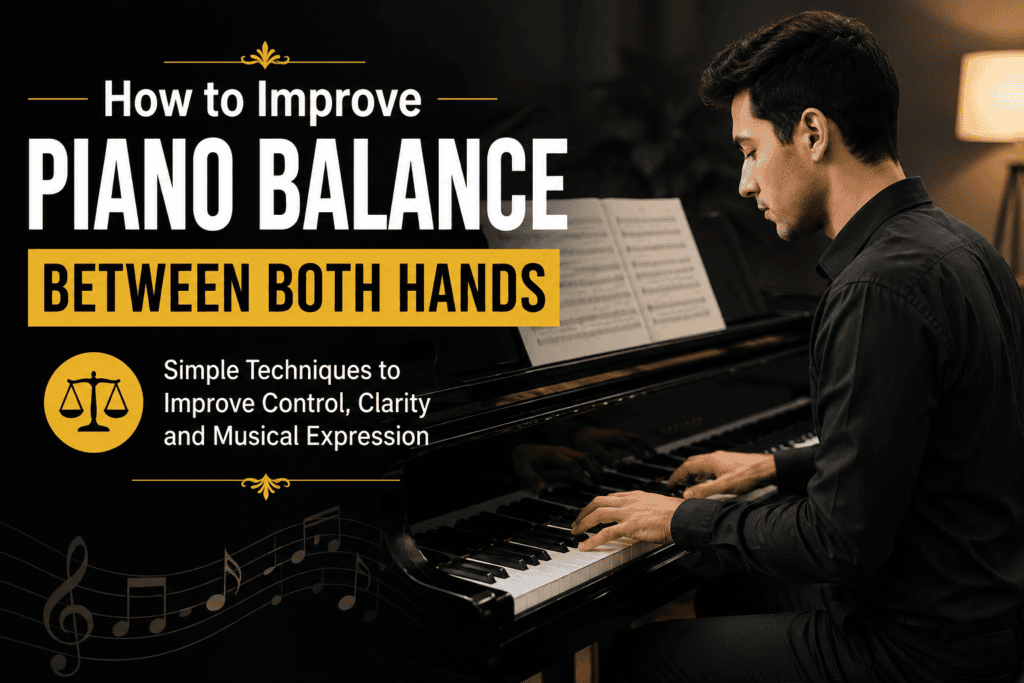
Learning how to improve piano balance between both hands is essential for creating smooth and expressive music. Many pianists struggle because one hand often becomes louder or more dominant than the other, which affects the overall sound quality.
Good balance allows the melody to stand out while the accompaniment supports it naturally, making your playing sound more professional and controlled.
How to Improve Piano Balance Between Both Hands
Understanding how to improve piano balance between both hands starts with developing control over dynamics. Each hand plays a different role, and learning to manage volume and touch is key.
For example:
Right hand usually plays melody (louder)
Left hand supports with chords (softer)
Balancing these roles creates clarity in music.
Tips on How to Improve Piano Balance Between Both Hands
Hand balance is not just about volume—it’s about musical expression.
When balanced properly:
The melody becomes clear
The accompaniment doesn’t overpower
The music sounds polished
Without balance, even correct notes can sound messy.
Train Your Hands Separately First
One of the best ways to improve control is to practice each hand alone.
Play the melody hand with expression
Practice accompaniment softly
Focus on dynamics in each hand
This builds awareness before combining both hands.
Practice at a Slow Tempo
Speed makes balance harder.
To master how to improve piano balance between both hands, start slow:
Active listening helps correct imbalance instantly.
Use Dynamic Control Exercises
Practicing dynamics improves hand balance.
Try this:
Play melody loud, accompaniment soft
Switch roles for control practice
Experiment with different volumes
This strengthens finger control and sensitivity.
Focus on Finger Strength and Control
Weak finger control can cause imbalance.
To improve:
Practice scales with varied dynamics
Use finger exercises
Control pressure on each key
Stronger control leads to better balance.
Common Mistakes to Avoid
❌ Playing both hands at the same volume ❌ Ignoring melody emphasis ❌ Practicing too fast ❌ Not listening carefully
Avoiding these mistakes will improve your sound significantly.
Tips to Improve Piano Balance Between Both Hands
To get better results:
Keep your wrist relaxed
Use lighter touch for accompaniment
Emphasize melody notes
Practice consistently
These small adjustments make a big difference.
How The Mystic Keys Helps Students
At The Mystic Keys, we train students to develop balance through:
Guided practice techniques
Dynamic control exercises
Personalized feedback
Structured lessons
This helps students play more musically and confidently.
👉 Explore more music courses at The Mystic Keys to start your piano journey with the right foundation.
Conclusion
Mastering how to improve piano balance between both hands takes time, but it is essential for expressive playing. With slow practice, active listening, and dynamic control, you can create a clear and balanced sound.
👉 Balanced hands create beautiful music.
For more information and exciting resources about learning music, visit our website at The Mystic Keys. For more music content and exciting offers follow us on
Learning music is rarely a straight line. Music improvement can happen gradually, with some days feeling incredibly rewarding while others make even a simple chord, scale, rhythm, or vocal exercise seem unexpectedly difficult. Because progress often happens in small, almost unnoticeable steps, musicians may not always realize just how much they have improved over time.
The interesting part is that musical growth is not always measured by how quickly you learn a new song. In fact, some of the most meaningful signs of improvement happen quietly. You may begin to hear mistakes more clearly, play with less effort, recover faster when something goes wrong, or understand music in a way that once seemed confusing.
So, how can you tell whether you are improving faster than you realize? Let’s look at some of the clearest signs.
You Make Fewer Mistakes Without Thinking About It
One of the earliest signs of musical improvement is that things begin to feel more automatic.
At first, playing a chord progression, finding the right piano keys, following a rhythm, or remembering lyrics may require intense concentration. You might consciously think about every finger movement or every note. However, with regular practice, those movements gradually become more natural.
You may suddenly notice that you are playing a familiar section without stopping to think about every individual note. Your fingers seem to know where to go, and your attention becomes available for other things.
That shift is important because it shows that your brain and body are building musical patterns. Instead of constantly thinking about how to play, you are beginning to focus on how the music should sound.
Music Improvement | You Can Hear Your Own Mistakes More Clearly
This might sound strange, but noticing more mistakes can actually be a sign of progress.
When you are just beginning, you may play a wrong note or sing slightly out of tune without realizing it. Your ears have not yet developed enough awareness to identify every difference between what you intended to produce and what actually happened.
As your musical ear improves, those differences become easier to recognize. You might suddenly notice that a chord sounds slightly wrong, your rhythm is rushing, your singing is a little sharp, or your guitar tone is not quite as clean as you expected.
Although this can sometimes feel frustrating, it is actually a major step forward. Your ears are becoming more accurate, and better listening is one of the foundations of becoming a stronger musician.
You Need Less Time to Learn Something You Have Already Practiced
Another powerful sign of improvement is faster learning.
Perhaps a particular rhythm took several practice sessions to understand a few months ago. Now, you may be able to pick up something similar within a much shorter time. A chord progression that once seemed complicated might now feel surprisingly familiar.
This happens because you are no longer starting from zero. Your previous practice has created patterns that your brain can recognize and reuse.
Consequently, every new piece of music becomes an opportunity to build on what you already know. Progress starts becoming cumulative rather than repetitive.
Music Improvement | You Recover Faster From Mistakes
Perfect performances are not the only sign of musical ability. Knowing what to do after making a mistake is equally important.
Imagine that you are playing a song and accidentally miss a chord. Earlier in your learning journey, you might have stopped completely, gone back to the beginning, and tried again. With improvement, however, you may continue playing and rejoin the music at the next opportunity.
That ability shows developing musical control.
More importantly, it means you are learning to stay connected to the rhythm instead of allowing one mistake to interrupt the entire performance. Eventually, you begin to understand that a mistake does not have to become a breakdown.
Music Improvement | Your Rhythm Feels More Natural
Rhythm is one of those musical skills that can improve gradually without you immediately noticing.
In the beginning, you may need to consciously count beats while playing. Keeping a steady tempo can feel difficult, especially when changing chords, playing unfamiliar patterns, or singing while accompanying yourself.
Over time, however, the beat begins to feel more natural. You may find yourself tapping along automatically, maintaining a steadier tempo, or playing a rhythmic pattern without constantly counting in your head.
That internal sense of timing is a significant milestone. It means the rhythm is moving from something you consciously calculate toward something you naturally feel.
Music Improvement | You Can Play and Listen at the Same Time
As musicians become more comfortable with their instrument, their attention becomes less divided.
Instead of concentrating entirely on getting the notes right, you can begin listening to the sound while you are playing. You notice whether the performance feels too fast, too loud, too soft, uneven, or emotionally flat.
This is where technique starts becoming musical expression.
For example, a pianist may begin noticing the difference between simply playing the correct notes and actually shaping a phrase. A guitarist may become more aware of dynamics and tone. A singer may start listening to pitch, breath, pronunciation, and emotional delivery simultaneously.
That kind of awareness is a strong indication that your musical skills are developing quickly.
You Understand Music Instead of Just Memorizing It
There is a big difference between remembering what to play and understanding why you are playing it.
Initially, you might memorize a song by remembering a sequence of movements. However, as your understanding grows, you begin recognizing patterns such as chord progressions, scales, intervals, rhythmic structures, song forms, and repeated musical ideas.
Suddenly, learning becomes easier because you can predict what is likely to come next.
For instance, once you understand common chord progressions, a new song may not feel completely unfamiliar. You start recognizing relationships instead of treating every song as an entirely new set of information.
That is a major form of musical growth because knowledge begins supporting technique.
You Are Becoming More Comfortable With Slow Practice
Fast playing can feel impressive, but slow practice often reveals real improvement.
When you are developing quickly, you may become more comfortable slowing a difficult section down rather than constantly trying to play it at full speed. This allows you to listen carefully, correct mistakes, improve coordination, and build consistency.
Eventually, you understand that playing slowly is not the opposite of progress. It is often one of the fastest ways to build reliable technique.
Once the movement becomes accurate and comfortable, increasing the tempo becomes much easier.
You Can Play Something Without Constantly Looking at Your Hands
For instrumentalists, this can be a particularly exciting milestone.
At the beginning, your eyes may constantly move between the instrument and your fingers. You need visual confirmation before making almost every movement.
With practice, your hands begin developing a stronger sense of position. You can find familiar chords, keys, or patterns with less visual assistance.
As a result, you can pay more attention to the music itself. You may even begin looking ahead at what comes next rather than watching every movement you make.
That growing independence between your eyes and hands is a clear sign that your technique is becoming more secure.
Music Improvement | You Become More Curious About Music
Improvement is not only about technical ability. Your relationship with music changes too.
You may start listening more carefully to songs you previously heard casually. Suddenly, you notice the bass line, harmony, vocal phrasing, guitar tone, drum patterns, or production choices.
Perhaps you begin wondering why one chord sounds emotional, why a particular rhythm makes a song feel energetic, or how a singer controls their voice.
That curiosity matters because it turns practice into exploration. Instead of simply completing exercises, you start wanting to understand music more deeply.
Music Improvement | You Feel Less Afraid of Difficult Sections
A challenging piece may still be difficult, but your reaction to difficulty can change dramatically.
Earlier, seeing a complicated passage might make you think, “I can’t play this.” After gaining experience, your first thought may become, “This is difficult, but I can break it down.”
That change in mindset is one of the strongest indicators of progress.
You begin dividing difficult music into smaller sections, slowing it down, identifying the specific problem, and working through it systematically. Rather than being intimidated by the entire piece, you know how to approach the challenge.
In other words, you are not only becoming a better musician; you are becoming better at learning music.
You Need Less Repetition to Remember Familiar Skills
Repetition is essential when learning music, but improvement changes the kind of repetition you need.
A beginner may need to repeat a chord progression many times before remembering it. Later, a similar pattern may become familiar after only a few attempts.
Your memory is becoming more efficient because your brain is connecting new information with previously learned patterns.
Therefore, if you notice that songs, scales, chords, or exercises are staying in your memory longer, do not overlook it. Stronger musical memory can significantly accelerate future learning.
Music Improvement | Your Playing Starts Sounding More Like You
Perhaps the most exciting sign of improvement is developing your own musical personality.
At first, your main goal is usually accuracy. You want to play the correct notes, chords, rhythms, and lyrics. Gradually, however, you start making choices about dynamics, phrasing, tone, timing, articulation, and expression.
Two musicians can play exactly the same song while making it sound completely different.
When your playing begins to reflect your own choices rather than simply reproducing instructions, you are moving beyond basic technique. You are developing musical identity.
You Notice Progress Even When You Are Not Practicing Every Skill Directly
One fascinating aspect of musical learning is that skills often transfer.
Practicing scales can improve finger control. Rhythm exercises can improve your playing in songs. Ear training can improve your ability to learn melodies. Chord knowledge can help you understand unfamiliar songs more quickly.
Because these skills are connected, improvement in one area can quietly strengthen another.
You might therefore find that something suddenly feels easier even though you have not practiced that exact skill recently. Your overall musical foundation is becoming stronger.
You Enjoy the Process More
Finally, one of the most meaningful signs of improvement is that practice starts feeling less like a task and more like an experience.
You may still have difficult days. You may still make mistakes, struggle with certain techniques, or feel frustrated by slow progress. However, there is a growing sense of satisfaction in figuring things out.
Instead of asking only, “How quickly can I finish this song?” you begin asking, “What can I discover from this?”
That change can make a huge difference because consistent improvement comes from staying engaged with the process.
Final Thoughts
At The Mystic Keys, we believe musical progress is not always obvious. Sometimes, it is hidden in small changes: recovering from mistakes faster, hearing pitch more accurately, understanding rhythms more naturally, remembering patterns more easily, or feeling less nervous when approaching something difficult.
You might not notice these changes from one practice session to the next. However, when you compare your playing with where you were a few months ago, the difference can become much clearer. Every practice session, lesson, and new challenge contributes to your overall musical growth.
Most importantly, do not measure improvement only by how many songs you can play. Listen to how you play them, how quickly you learn, how confidently you solve problems, and how naturally you respond to music. With the right guidance and consistent practice, even small improvements can gradually lead to a stronger and more confident musician.
If several of these signs sound familiar, there is a good chance you are improving faster than you think. Keep practicing, keep listening, and keep challenging yourself with The Mystic Keys—because sometimes the biggest musical breakthroughs happen quietly, before you even realize they are happening.
For more information and exciting resources about learning music, visit our website at The Mystic Keys. For more music content and exciting offers follow us on
Learning a musical instrument is often described as a creative activity, but behind every confident performance is a significant amount of discipline. Students need to practice regularly, repeat difficult passages, correct mistakes, remember instructions, and continue working even when progress feels slow. Over time, these habits help students develop better discipline and understand how consistent effort produces meaningful results.
Unlike activities where improvement may happen simply through participation, musical development requires active practice. A student cannot expect to master a difficult piano passage, guitar chord progression, violin technique, drum rhythm, or vocal exercise simply by attending lessons. Progress happens between lessons, when students return to their instruments and apply what they have learned.
This is one of the reasons music education can teach valuable habits beyond music itself. Students learn to manage their time, set goals, concentrate on specific tasks, accept correction, and remain patient with long-term progress. These skills can influence how they approach other areas of learning and personal development.
Music Requires Consistent Practice
One of the first lessons music teaches is that improvement depends on consistency.
A student may have an excellent lesson one week, but if they do not practice afterward, much of what they learned can become difficult to remember.
Regular practice keeps skills active and allows new techniques to become more comfortable.
Small Habits Create Strong Discipline
Students do not need to practice for several hours every day to develop discipline.
A short, focused daily routine can be highly effective.
Even fifteen or twenty minutes of intentional practice teaches students to make time for an important goal instead of waiting until they feel motivated.
Over time, practice becomes part of their routine.
Music Teaches Students to Follow a Routine
Discipline becomes easier when an activity has a consistent place in the day.
Students who practice at approximately the same time each day begin to develop a predictable routine.
They learn that progress does not depend entirely on whether they feel like practicing.
Routine Reduces Procrastination
A student who has a clear practice routine spends less time deciding when to begin.
The activity becomes a normal part of the day, much like homework, exercise, or other responsibilities.
This simple habit can teach students how routines support long-term goals.
Learning Music Requires Patience
Musical progress is rarely immediate.
A student may spend several days working on a difficult chord change or musical passage before it becomes comfortable.
This teaches an important lesson: not every worthwhile result happens quickly.
Students Learn to Stay with Difficult Tasks
When a student continues practicing despite temporary frustration, they develop patience.
They begin to understand that difficulty is not necessarily a reason to stop.
This mindset can be valuable in academic learning, sports, creative work, and many other areas of life.
Music Teaches Goal Setting
Learning an instrument naturally creates goals.
A beginner might want to learn a simple song.
Later, they may want to perform in front of others, complete an examination, master a difficult technique, or learn a more advanced piece.
Each goal gives practice a clear purpose.
Small Goals Make Progress Measurable
Instead of focusing only on a large goal, students can break it into smaller steps.
They might learn four measures today, improve a chord transition tomorrow, and work on dynamics later in the week.
This teaches students how large goals can be achieved through manageable actions.
A rhythm pattern may need to be played until it becomes automatic.
At first, repetition can feel boring.
Students Learn That Repetition Has a Purpose
Over time, students begin to recognize that repetition is how skills become reliable.
They learn that mastery is often the result of doing simple things correctly many times.
This is one of the strongest lessons music can teach about discipline.
Music Teaches Delayed Gratification
Many musical goals require patience.
A student may want to perform an advanced song but first needs to learn scales, chords, rhythm, technique, and simpler repertoire.
They cannot always skip directly to the final result.
Effort Comes Before Achievement
Music teaches students that some rewards become more meaningful because they required sustained effort.
Finally performing a difficult piece can feel especially satisfying because the student remembers how challenging it was at the beginning.
This experience reinforces the value of persistence.
Performing Builds Self-Control
Performance requires preparation and concentration.
A student may feel nervous before playing in front of others, but they must learn to remain focused on the music.
They need to continue even if they make a small mistake.
Students Learn to Manage Pressure
Performances provide opportunities to practice staying calm, recovering from mistakes, and maintaining focus.
These experiences can strengthen emotional control and confidence.
Music Teaches Time Management
Students often have multiple responsibilities.
Schoolwork, family activities, sports, hobbies, and music lessons all compete for time.
Learning an instrument encourages students to think about when practice can fit into their schedule.
Practice Teaches Prioritization
A student may discover that twenty minutes of focused practice after school is more effective than repeatedly postponing practice until late at night.
This helps them understand how planning and prioritization can make busy schedules more manageable.
Discipline Does Not Mean Practicing Without Enjoyment
Discipline is sometimes misunderstood as forcing yourself to do something unpleasant every day.
Music shows that discipline and enjoyment can exist together.
Students can practice songs they love while still working on technical exercises.
Enjoyment Makes Discipline Sustainable
When students genuinely enjoy music, they are more likely to maintain their practice habits.
A good teacher can also balance structured learning with songs and activities that keep students motivated.
The goal is to build a routine that is both productive and enjoyable.
Teachers Help Develop Musical Discipline
A supportive teacher can make a significant difference in how students approach practice.
Teachers provide structure, explain techniques, set appropriate goals, and offer feedback.
They can also adjust the learning process when a student becomes frustrated or loses motivation.
Guidance Creates Accountability
Knowing that a teacher will review their progress can encourage students to practice more consistently.
At the same time, good teachers help students gradually become independent learners who understand how to organize their own practice.
Music Encourages Long-Term Thinking
Musical development is measured in months and years rather than days.
A student may not notice a major difference after one practice session, but the results of consistent work can become obvious after several months.
Students Learn to Think Beyond Immediate Results
This long-term perspective is valuable because many important goals in life require sustained effort.
Music provides students with a practical example of how small actions accumulate over time.
Discipline Becomes a Musical Habit
Eventually, many students stop thinking of practice as a task they have to force themselves to complete.
They simply pick up their instrument because it has become part of their routine.
This is one of the strongest forms of discipline: turning a positive behavior into a habit.
Habits Reduce Dependence on Motivation
Motivation can change from day to day.
Habits provide consistency even when motivation is low.
Music helps students experience this difference firsthand.
How Parents Can Encourage Musical Discipline
Parents can support healthy practice habits without turning music into a source of pressure.
A consistent practice time, a quiet space, encouragement, and recognition of progress can all help.
Focus on Effort Rather Than Perfection
Instead of asking only whether a child played perfectly, parents can ask what they learned or what they improved.
Praising consistent effort helps children understand that progress comes from practice rather than natural ability alone.
Conclusion
Developing better discipline through music happens naturally through the everyday requirements of learning an instrument. Regular practice, repetition, concentration, goal setting, patience, accountability, and performance preparation all teach students how consistent effort can lead to meaningful results. These lessons extend far beyond music because they help students understand how habits, persistence, and focused effort contribute to long-term achievement.
The goal is not to make students practice endlessly. It is to help them develop a healthy relationship with practice and learning. When students learn to set realistic goals, work through challenges, accept feedback, and celebrate gradual progress, they develop better discipline in a way that feels purposeful rather than forced.
Music therefore becomes more than an extracurricular activity. It becomes an opportunity to learn how to commit to something, work through difficulty, manage time, and continue improving. Those habits can remain valuable long after a student has finished a particular song or moved on to a new musical challenge.
At The Mystic Keys, our personalized Music Lessons Online help students develop strong musical foundations alongside effective practice habits, concentration, confidence, and discipline. With one-on-one guidance from experienced teachers, students can learn at their own pace while building the consistent habits needed for long-term musical growth.
For more information and exciting resources about learning music, visit our website at The Mystic Keys. For more music content and exciting offers follow us on
Learning music involves much more than remembering a series of notes. Musicians constantly use their memory to recall melodies, rhythms, chords, lyrics, finger positions, musical patterns, and entire pieces. Over time, this continuous mental training can strengthen several types of memory and improve the way the brain processes and retrieves information. This is one reason musician memory skills are often associated with regular musical training and practice.
When a pianist remembers a long passage without looking at the sheet music, a guitarist recalls a chord progression, or a singer remembers an entire song, several areas of the brain are working together. Musicians are not simply memorizing information. They are learning to connect what they hear, see, feel, and perform.
The benefits of musical memory can extend beyond performing. Regular music practice also requires concentration, pattern recognition, listening, coordination, and repetition. These abilities can support learning in other areas as well, making music an especially valuable form of mental training.
Music Requires Constant Memory Use
Almost every part of learning an instrument involves memory.
A beginner may first memorize a few notes or chords. As their skills develop, they remember scales, chord progressions, rhythms, songs, techniques, and musical structures.
A more advanced musician may perform an entire piece from memory while simultaneously controlling expression, dynamics, rhythm, and technique.
Musicians Memory Skills
Musical performance involves several forms of memory, including:
Auditory memory
Visual memory
Muscle memory
Working memory
Long-term memory
Pattern recognition
These systems work together to help musicians recall and perform music accurately.
Auditory Memory Becomes Stronger
Musicians spend a significant amount of time listening.
They learn to recognize pitches, intervals, melodies, chord qualities, rhythms, and subtle changes in sound.
This repeated listening develops auditory memory—the ability to remember and recognize sounds.
Listening Helps Musician Memory Skills
A musician may hear a melody once and later reproduce part of it on an instrument.
With training, the connection between hearing and remembering becomes stronger.
This is particularly useful for singers and instrumentalists who learn music by ear.
Musical Patterns Make Information Easier to Remember
Musicians rarely memorize individual notes as completely separate pieces of information.
When information is organized into meaningful groups, it becomes easier to remember.
This principle is not limited to music.
The brain naturally looks for patterns because patterns provide structure and make complex information easier to process.
Music provides constant opportunities to practice this ability.
Muscle Memory Supports Musical Recall
When musicians practice the same movement repeatedly, their bodies become increasingly familiar with it.
A pianist may play a scale without consciously thinking about every finger.
A guitarist can change between familiar chords almost automatically.
A drummer can perform a practiced rhythm while focusing on another part of the music.
Repetition Creates Automatic Responses
This is often described as muscle memory, although the memory itself involves the nervous system and brain rather than the muscles independently remembering.
Repeated practice strengthens the neural pathways involved in a movement.
This allows familiar actions to require less conscious attention.
Working Memory Is Constantly Used
Working memory allows us to temporarily hold and manipulate information.
Musicians use it continuously.
While playing, a musician may remember the previous measure, anticipate the next phrase, follow the current rhythm, and monitor the sound being produced.
Music Trains Mental Coordination
Playing an instrument often requires several pieces of information to be managed simultaneously.
This makes musical practice a demanding mental activity.
Over time, regular practice can help musicians become more comfortable handling multiple streams of information at once.
Learning Music Strengthens Concentration
Memory and concentration are closely connected.
If you cannot maintain attention, remembering musical information becomes much more difficult.
Musicians need to remain focused while practicing, rehearsing, reading music, and performing.
Focus Supports Better Recall for Musician Memory Skills
When musicians concentrate carefully during practice, they create stronger associations between the notes, movements, sounds, and musical structure.
This makes later recall easier.
Memorizing Music Requires Active Learning
Simply repeating a piece from beginning to end is not always the most effective way to memorize it.
Musicians often use active strategies such as analyzing the structure, identifying chord progressions, singing melodies, practicing sections separately, and recalling passages without looking at the music.
Understanding Improves Memory
When musicians understand why a passage works, they have more information to use when remembering it.
For example, recognizing that several measures follow a familiar chord progression can make the passage easier to recall than memorizing every note independently.
Music Connects Hearing, Sight, and Movement
One unique feature of musical learning is the combination of multiple senses.
A pianist may read a note, hear its pitch, press a key, and feel the movement of the hand almost simultaneously.
A violinist sees the music, hears the pitch, controls the bow, and adjusts finger placement.
A drummer reads rhythmic information while coordinating multiple limbs.
Multiple Connections Strengthen Recall
When information is connected through several sensory and motor pathways, musicians have more ways to access the same information.
This can make musical recall highly efficient with practice.
Regular Practice Strengthens Long-Term Memory
Memory improves through repeated retrieval.
When a musician learns a piece and returns to it regularly, the information becomes increasingly familiar.
Over time, the piece can move from something that requires conscious concentration to something that feels almost automatic.
Spaced Practice Is Valuable For Musician Memory Skills
Instead of trying to memorize an entire piece in one long session, revisit it across multiple days.
This gives your brain repeated opportunities to retrieve the information.
Short, consistent practice can therefore be particularly useful for building reliable musical memory.
Why Musicians Can Remember Long Pieces
A long piece of music may contain hundreds or thousands of individual notes.
Yet experienced musicians can remember entire compositions.
How?
They do not necessarily memorize every note as an isolated event.
They recognize larger structures such as phrases, sections, chord progressions, patterns, repetitions, and musical themes.
Structure Makes Large Pieces Manageable
Once a musician understands the architecture of a composition, the amount of information that needs to be consciously recalled becomes much more manageable.
This is similar to remembering a story by its chapters rather than trying to memorize every word individually.
Improvisation Also Trains Memory
Improvisation may seem like creating music without memory, but it actually depends on previously learned patterns.
Musicians draw on scales, chords, rhythms, melodies, stylistic patterns, and techniques they have practiced before.
Experience Builds a Musical Vocabulary
The more patterns musicians learn, the more possibilities they have available when improvising.
This musical vocabulary becomes a form of stored knowledge that can be recalled quickly during performance.
Singing Can Strengthen Musical Memory
Singing is another powerful way to connect sound with memory.
When singers learn a song, they remember melody, rhythm, lyrics, phrasing, breathing, and expression.
Singing a melody before playing it can also help instrumentalists develop stronger auditory awareness.
Use Your Voice as a Memory Tool
Even instrumentalists can benefit from quietly singing or humming difficult melodies.
It strengthens the connection between what they hear and what they play.
Music Practice Can Improve Memory Strategies
Musicians learn different ways to memorize information.
They may use repetition, visualization, listening, physical movement, pattern recognition, association, and mental rehearsal.
These strategies can also be useful outside music.
Musicians Memory Skills
Over years of practice, musicians become familiar with breaking large tasks into smaller sections and gradually combining them.
This approach can make challenging information easier to manage.
Memory and Performance Confidence
Strong musical memory can also improve confidence.
A performer who knows the music thoroughly is less dependent on sheet music and less likely to panic after a small mistake.
This does not mean memorization eliminates nervousness.
However, familiarity provides a stronger foundation during performance.
Confidence Comes from Preparation
The more securely the music is remembered, the more attention the musician can devote to expression, communication, and connection with the audience.
How Beginners Can Develop Better Musical Memory
You do not need to be an advanced musician to begin training your memory.
Recall yesterday’s practice before opening the sheet music.
Challenge Your Memory Gradually
Do not try to memorize an entire complicated piece immediately.
Start with a few measures.
Once you can recall them reliably, add another section.
Gradual challenges make memory training more manageable and rewarding.
Avoid Relying Completely on Sheet Music
Musician Memory Skills is an incredibly valuable learning tool, but musicians should also develop the ability to remember what they are playing.
Occasionally close the music after practicing a passage and see how much you can recall.
Test Yourself Through Retrieval
Active recall is more demanding than simply rereading the music.
That challenge is exactly what makes it useful.
If you forget something, return to the score, review it, and try again.
The Role of Sleep and Rest
Practice is only part of memory development.
Rest is also important.
The brain continues processing and consolidating learned information after practice, including during sleep.
Don’t Practice Until Exhaustion
Long sessions are not always better.
If concentration has disappeared, taking a break can be more productive than continuing to repeat mistakes.
A combination of focused practice and adequate rest supports more effective learning.
Music Is Mental Training as Well as Physical Training
When people think about music lessons, they often focus on physical skills.
They think about finger movements, breathing, bowing, or striking drums.
But music is also a demanding mental activity.
Musicians listen, analyze, remember, anticipate, coordinate, and make decisions constantly.
Every Practice Session Challenges the Brain
This combination of physical and cognitive activity is one reason music learning can be such a rich form of mental training.
Conclusion
Developing strong musician memory skills is a natural part of learning music. Musicians constantly train auditory memory, working memory, long-term recall, pattern recognition, concentration, and motor coordination as they learn and perform. By remembering melodies, rhythms, chord progressions, movements, and musical structures, they build connections between what they hear, see, think, and physically perform.
The key is consistent and active practice. Rather than simply repeating songs, try recalling sections from memory, analyzing patterns, singing melodies, practicing without the score, and revisiting material over several days. These habits make musical learning more effective while gradually strengthening your ability to remember and perform music confidently.
At The Mystic Keys, our personalized Music Lessons Onlinehelp students develop musical memory alongside technique, rhythm, ear training, music theory, and performance skills. With one-on-one guidance from experienced teachers, students can build strong musical foundations while developing the confidence and skills needed for lifelong learning.
For more information and exciting resources about learning music, visit our website at The Mystic Keys. For more music content and exciting offers follow us on
There comes a point in almost every musician’s journey when learning music stops feeling exciting and starts feeling frustrating. You may practice the same passage repeatedly without seeing improvement. A song that seemed easy when you first heard it may suddenly feel impossible to play. You might compare yourself with other musicians and wonder why they seem to progress faster. At that moment, you may seriously consider whether you should quit learning music.
Before making that decision, take a step back. Struggling does not necessarily mean that you are failing. In many cases, frustration is simply a normal part of learning something deeply. Musical progress is rarely a straight line. There are periods when improvement is obvious and periods when you feel as though nothing is changing. Both are part of the process.
The musician you want to become is often built during the moments when progress feels slowest. Instead of immediately giving up, it can be worth changing your approach, reducing the pressure you place on yourself, and remembering why you started learning music in the first place.
Why Learning Music Sometimes Feels Difficult
Music combines several skills at the same time.
You may need to read notation, remember notes, coordinate your hands, maintain rhythm, listen carefully, control your technique, and express emotion.
At the beginning, every one of these skills requires conscious attention.
Over time, many of them become automatic.
Difficulty Does Not Mean Lack of Talent
If something feels difficult, it does not automatically mean you are not musical.
It may simply mean that your brain and body have not developed the necessary coordination yet.
Think about learning to ride a bicycle. The first attempts require concentration and can feel uncomfortable. Eventually, the movements become natural.
Music works in a similar way.
Progress Is Not Always Visible
One of the most frustrating parts of learning an instrument is that progress can sometimes happen beneath the surface.
You may practice a difficult passage for several days without noticing a major improvement.
Then, suddenly, something clicks.
Your fingers move more naturally.
Your rhythm becomes steadier.
You remember the notes more easily.
Your Brain Is Still Learning Dont Quit Learning Music
Even when improvement is not immediately obvious, repetition is helping your brain build stronger connections.
This is why abandoning practice too quickly can be frustrating.
Sometimes you are closer to a breakthrough than you realize.
Stop Comparing Your Journey to Someone Else's
Social media makes comparison particularly difficult.
You may watch a skilled pianist perform a complicated piece, a guitarist play an impressive solo, or a singer hit difficult high notes and wonder why you cannot do the same.
Remember that you are seeing the result, not the process.
You are not seeing all the hours of practice, mistakes, lessons, failed performances, and repetition that came before that performance.
Compare Yourself With Your Past Self
A healthier question is:
“Can I do something today that I could not do three months ago?”
Maybe you can now play a song.
Maybe you can change chords more smoothly.
Maybe you can maintain rhythm for longer.
Maybe you feel less nervous when performing.
Those improvements matter.
The Plateau Is Part of Learning
Many musicians experience periods where progress appears to stop.
This is often called a learning plateau.
You continue practicing, but your playing seems almost unchanged.
It can be tempting to assume that you have reached your limit.
You probably have not.
Plateaus Often Come Before New Growth
A plateau may mean that your current practice routine needs adjustment.
You may need new exercises, different repertoire, better technique, or feedback from a teacher.
Instead of interpreting a plateau as failure, treat it as a signal to reassess your approach.
You May Not Need to Quit—You May Need to Change How You Practice
ometimes the problem is not music itself.
It is the way you are learning.
If you repeat the same mistake every day, frustration will naturally increase.
Instead, identify exactly what is causing difficulty.
Is the tempo too fast?
Is the fingering uncomfortable?
Are you struggling with rhythm?
Do you understand the theory behind the passage?
Are you practicing for too long and becoming mentally tired?
Change the Method Before Giving Up
A small change in practice strategy can completely change your experience.
Slow down.
Break the piece into smaller sections.
Practice each hand separately.
Use a metronome.
Record yourself.
Ask for feedback.
Sometimes a different approach is all you need.
Don't Expect Every Practice Session to Be Amazing
Not every practice session will feel productive.
Some days you will play beautifully.
Other days you may make mistakes you thought you had already overcome.
This is completely normal.
Your energy, concentration, sleep, mood, and environment can all affect how you play.
One Bad Session Does Not Define Your Ability
Do not judge your entire musical journey based on one difficult day.
Step away if necessary.
Come back later.
Often, a short break allows your mind and body to reset.
Remember Why You Started
When learning becomes frustrating, return to your original reason for starting.
Maybe you always wanted to play piano.
Maybe you dreamed of singing confidently.
Maybe you wanted to play guitar with friends.
Maybe music helped you relax.
Maybe you wanted to perform for your family.
Your Original Reason Still Matters
Technical progress is important, but enjoyment is also a valid reason to make music.
You do not need to become a professional musician for learning music to have value.
Music can simply be something that brings meaning and enjoyment to your life.
Focus on One Small Goal
Large goals can feel overwhelming.
“I want to become an excellent pianist” is inspiring but difficult to measure.
Instead, create smaller goals.
Learn one song.
Master one chord progression.
Improve one scale.
Memorize eight measures.
Practice one rhythm.
Small Goals Create Momentum
Every completed goal provides evidence that you are moving forward.
These small achievements can restore motivation when the larger journey feels overwhelming.
Give Yourself Permission to Learn Slowly
There is no universal timeline for learning music.
Some people progress quickly in the beginning.
Others need more time.
Your learning speed can also change depending on your schedule and circumstances.
Slow Progress Is Still Progress
Taking longer does not make your achievement less valuable.
In fact, musicians who learn patiently often develop a deeper understanding of technique and musicality.
The important thing is to continue moving forward.
Once you understand the reason behind your frustration, you can make a better decision.
You may discover that you do not actually want to quit music.
You simply want learning to feel enjoyable again.
Give Yourself Another Thirty Days
Instead of making a permanent decision during a frustrating period, create a short-term experiment.
Give yourself another month.
Change your practice routine.
Choose easier repertoire.
Work with a teacher.
Set smaller goals.
Record your progress.
Then evaluate how you feel.
A Month Can Change Your Perspective
Sometimes a small amount of consistent effort is enough to move past a frustrating stage.
You may discover that the problem you were ready to quit over is no longer a problem.
Conclusion
If you are thinking about quitting learning music, remember that frustration does not mean your journey is over. Difficult passages, slow progress, mistakes, plateaus, and moments of self-doubt are normal parts of becoming a musician. You do not have to master everything immediately, and you certainly do not have to compare your progress with someone else’s.
Before you give up, consider changing your approach. Slow down. Set smaller goals. Practice consistently. Take breaks when necessary. Choose music you genuinely enjoy. Listen to your progress instead of focusing only on your weaknesses. Most importantly, remember why you started.
Sometimes the moment when you feel like quitting is the moment when you need patience rather than a permanent decision. The skill you are struggling with today may eventually become the part of music you enjoy the most.
At The Mystic Keys, our personalized Music Lessons Online provide students with one-on-one guidance, structured learning, recordings for practice and revision, and experienced teachers who can adapt lessons to individual goals and abilities. Whether you are a complete beginner or have been learning for years, the right support can make your musical journey more enjoyable, focused, and rewarding.
For more information and exciting resources about learning music, visit our website at The Mystic Keys. For more music content and exciting offers follow us on
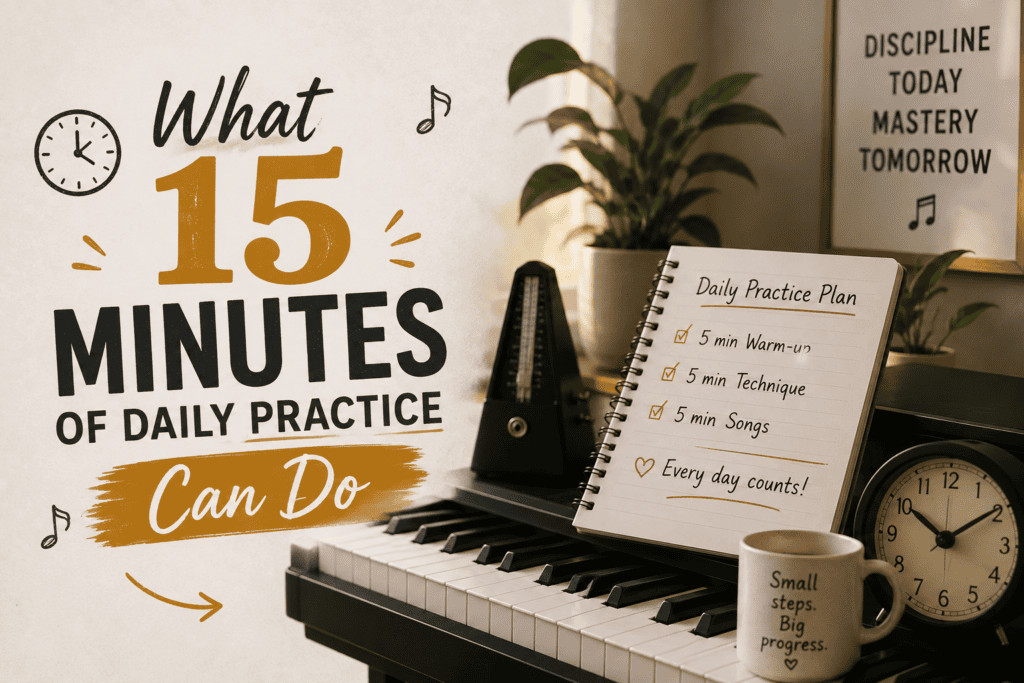
Many aspiring musicians believe they need an hour or more every day to make meaningful progress. While longer practice sessions can certainly be useful, they are not the only way to improve. 15 minutes of daily practice can create significant progress when those minutes are focused, consistent, and used intentionally. Whether you are learning piano, guitar, violin, ukulele, drums, or vocals, a short daily routine can help develop stronger habits and keep your musical skills moving forward.
The biggest advantage of a short practice session is consistency. Practicing for fifteen minutes every day gives your brain and body frequent opportunities to repeat important musical movements. Instead of allowing several days to pass between practice sessions, you continually reinforce what you have learned. Over time, these small sessions can add up to hours of purposeful practice without feeling overwhelming.
A fifteen-minute routine will not replace every type of extended practice, especially when preparing for performances or working on advanced repertoire. However, it can be an extremely effective foundation for beginners, busy adults, students, and anyone who struggles to find large blocks of free time.
Why 15 Minutes of Daily Practice Matters
The most important part of practice is not always its duration. The quality and frequency of practice matter enormously.
A short session gives you a manageable target. Instead of thinking, “I need to practice for an hour,” you can simply tell yourself that you need to focus for fifteen minutes.
This makes it easier to begin.
Consistency Builds Musical Habits
When practice becomes part of your daily routine, you no longer need to rely entirely on motivation.
You begin to associate a particular time or part of your day with music.
That habit can become one of your greatest advantages as a musician.
Even when you are busy, fifteen minutes feels achievable.
Small Sessions Strengthen Muscle Memory
Musical movements become more natural through repetition.
A pianist repeats finger patterns. A guitarist practices chord changes. A violinist works on bow control. A drummer repeats rhythmic movements. A singer coordinates breathing, pitch, and vocal placement.
Frequent repetition helps these movements become increasingly familiar.
Repetition Makes Technique More Automatic
When you practice a skill regularly, your brain becomes better at recalling the movement.
This does not mean that every repetition is automatically productive. Practicing incorrectly can reinforce poor habits.
The goal is to use your short sessions for accurate, controlled repetition.
Fifteen Minutes Can Improve Your Technique
A short session can be dedicated entirely to one technical goal.
For example, a pianist might spend fifteen minutes working on scales and finger independence.
A guitarist might practice chord transitions.
A violinist might focus on bowing.
A drummer could work on a basic sticking pattern.
A vocalist might practice breathing and pitch exercises.
15 Minutes of Daily Practice Focus on One Technical Skill
You do not need to practice everything in every session.
Choosing one specific technical goal allows you to concentrate more deeply.
Over several days, you can rotate through different skills while continuing to make progress.
Daily Practice Improves Rhythm
Rhythm is fundamental to almost every form of music.
Even a short daily session can help improve your sense of timing.
Use a metronome or backing track and practice simple rhythmic patterns.
Focus on keeping the beat steady rather than trying to play complicated patterns immediately.
A Steady Beat Builds Confidence
When your internal sense of timing becomes stronger, you feel more comfortable playing with other musicians.
You also become less dependent on stopping and restarting when something goes wrong.
Short Practice Can Improve Musical Memory
Regular repetition helps you remember songs, scales, chord progressions, melodies, and exercises.
If you learn something on Monday and do not return to it until the following weekend, you may spend much of your practice time remembering what you previously learned.
Daily practice reduces that gap.
Frequent Review Strengthens Recall
Even a few minutes spent reviewing yesterday’s material can help keep it fresh.
This is particularly useful when learning longer pieces.
Instead of waiting until you forget a section, revisit it regularly.
Fifteen Minutes Can Improve Finger Coordination
Coordination is one of the biggest challenges for beginners.
Playing an instrument often requires different parts of the body to perform different movements simultaneously.
Short, focused sessions allow you to work on these movements without becoming physically or mentally exhausted.
15 Minutes of Daily Practice Start Slowly
If a coordination exercise is difficult, slow it down.
Accuracy should come before speed.
Fifteen minutes of careful practice can be more valuable than an hour of rushed repetition.
Short Practice Sessions Reduce Overwhelm
One reason people avoid practicing is that the idea of a long session feels intimidating.
A large practice goal can create procrastination.
A fifteen-minute goal feels much more manageable.
Make Practice Easy to Start
Tell yourself that you only need to practice for fifteen minutes.
Once you begin, you may naturally continue if you have the time and energy.
But even if you stop after fifteen minutes, you have still completed your daily goal.
This approach removes much of the psychological resistance surrounding practice.
Use the First Few Minutes for Review
A short practice session should have a clear structure.
The first few minutes can be used to review something you already know.
Play a familiar scale.
Review yesterday’s chords.
Sing a familiar warm-up.
Play a simple rhythm.
This gives your hands and mind time to settle into the instrument.
Review Creates Continuity
Starting with familiar material connects today’s session with previous practice.
It also gives you an opportunity to notice whether something has become easier.
Spend the Middle of the Session on One Challenge
After warming up, use the majority of your practice time for the area that needs the most attention.
Perhaps there is one difficult measure in your piano piece.
Maybe one guitar chord transition keeps causing problems.
Perhaps a particular vocal phrase is consistently out of tune.
Work specifically on that challenge.
Target the Problem Instead of Repeating the Whole Piece
You do not always need to play an entire song from beginning to end.
Sometimes the fastest way to improve is to isolate the difficult section and repeat it correctly.
Focused practice makes short sessions much more productive.
End With Something You Enjoy
The final few minutes can be dedicated to something enjoyable.
Play a favorite song.
Review a familiar melody.
Improvise.
Sing along with your instrument.
Experiment with a rhythm.
This helps create a positive association with practice.
Enjoyment Encourages Consistency
Music should not feel like a punishment.
When you finish your practice session feeling satisfied, you are more likely to return to the instrument the next day.
Fifteen Minutes Can Build Confidence
Confidence develops through evidence.
Every time you successfully complete a practice goal, you prove to yourself that you can improve.
Maybe you finally play a chord transition without stopping.
Maybe you perform a scale more smoothly.
Maybe you remember a melody without looking at the music.
These small victories matter.
Progress Becomes Visible Over Time
The improvement from one fifteen-minute session may seem tiny.
But after several weeks, the difference can become noticeable.
This is why consistency is so powerful.
Practice Is More Effective When It Has a Goal
Simply sitting with an instrument for fifteen minutes does not guarantee improvement.
You need to know what you are trying to accomplish.
Before beginning, choose one or two realistic goals.
These observations can help guide future practice.
Fifteen Minutes Is Especially Useful for Busy Musicians
Students, working adults, parents, and other busy learners may not have an hour available every day.
That does not mean music needs to disappear from their routine.
A short practice session can fit before work, after school, during a break, or in the evening.
Consistency Beats Waiting for the Perfect Time
If you constantly wait for a completely free hour, practice may become irregular.
Fifteen minutes gives you a realistic alternative.
The goal is to keep music moving forward, even during busy periods.
What 15 Minutes Can Become Over Time
Fifteen minutes may sound small, but daily practice adds up.
In one week, fifteen minutes each day becomes more than an hour and a half of focused practice.
Over a month, it becomes several hours of consistent musical work.
The real value is not only the total number of minutes. It is the repeated contact with your instrument.
Small Efforts Create Long-Term Results
A musician who practices briefly but consistently can develop stronger habits than someone who practices for a long time only occasionally.
The important question is not, “How long can I practice today?”
It is, “What useful improvement can I make today?”
A Simple 15-Minute Practice Routine
A practical routine could look like this:
Minutes 1–3: Warm up and review something familiar.
Minutes 4–10: Focus on one specific technical or musical challenge.
Minutes 11–13: Apply the skill to a song or exercise.
Minutes 14–15: Play something enjoyable and review what improved.
This structure can be adapted to almost any instrument.
Adjust the Routine to Your Goals
A vocalist may spend more time warming up.
A drummer may focus on rhythmic coordination.
A pianist may work on a difficult passage.
A guitarist may practice chord transitions.
The structure should support your current needs rather than follow a rigid formula.
Don't Underestimate the Power of Consistency
There will also be days when you struggle.
That is normal.
The goal is not to make every session perfect.
The goal is to maintain the habit.
Keep Showing Up
Musical growth is the result of many practice sessions working together.
One day may improve your rhythm.
Another may improve your technique.
Another may strengthen your memory.
Eventually, these improvements combine to create a much more confident musician.
Conclusion
15 minutes of daily practice may seem like a small commitment, but it can have a meaningful impact when used consistently and purposefully. Short sessions can strengthen muscle memory, improve rhythm, reinforce musical memory, develop coordination, build confidence, and help you maintain a regular connection with your instrument.
The key is not to spend those fifteen minutes playing randomly. Set a clear goal, focus on one important skill, practice slowly and accurately, and finish with something enjoyable. Over time, these small daily sessions become a powerful habit that supports long-term musical growth.
You do not need to wait until you have an entire afternoon available to become a better musician. Sometimes, fifteen focused minutes are enough to move your playing forward.
At The Mystic Keys, our personalized Music Lessons Online help students develop effective practice routines alongside technique, rhythm, musical expression, and performance skills. With one-on-one guidance from experienced teachers, you can learn how to make every practice session count and build steady progress toward your musical goals.
For more information and exciting resources about learning music, visit our website at The Mystic Keys. For more music content and exciting offers follow us on
Starting to learn an instrument is exciting. Whether you are picking up a piano, guitar, violin, ukulele, drums, or beginning vocal training, the first few weeks can feel like a mixture of excitement, curiosity, and uncertainty. You may wonder how quickly you should progress, how often you should practice, or whether struggling with certain techniques means you are not naturally musical. The truth is that almost every beginner experiences these questions. Understanding a few important principles from the beginning can make the entire learning journey more enjoyable and productive. These beginner musician tips can help you build realistic expectations, develop healthy practice habits, and stay motivated as your skills grow.
Learning music is not simply about memorizing notes or copying someone else’s movements. It is a gradual process of developing coordination, listening, rhythm, technique, musical understanding, and confidence. Some skills may develop quickly, while others require considerably more repetition. When beginners understand this process, they are less likely to become discouraged by temporary difficulties.
The most important thing to remember is that becoming a musician is a journey rather than a race. You do not need to become excellent immediately. You need to build strong foundations, practice consistently, learn from mistakes, and continue enjoying the music you are creating.
1. Progress Takes Time
One of the first things every beginner musician should understand is that musical progress rarely happens overnight.
You may learn a few chords during your first lesson or play a simple melody after several practice sessions, but becoming comfortable with an instrument takes much longer. Your fingers, ears, brain, and sense of rhythm all need time to work together.
It is completely normal to find certain techniques difficult at first.
Don’t Compare Your Beginning to Someone Else’s Experience
It is easy to watch an experienced musician perform and assume that they learned everything quickly.
What you see is the result of years of practice.
Comparing your first few months with someone else’s years of experience can make your own progress seem slower than it really is.
Instead, compare yourself with your previous abilities.
If you can play a chord progression today that was difficult last month, you are progressing.
If you can maintain a rhythm for longer than you could before, you are progressing.
If you can recognize notes more easily, you are progressing.
Beginner Musician Tips Small Improvements Matter
Musical development is often made up of many small improvements that eventually create major changes.
Do not underestimate the value of learning one new chord, improving one difficult transition, or playing one phrase more accurately.
These small achievements become the foundation for advanced playing.
2. Practice Consistency Matters More Than Long Sessions
One of the most important beginner musician tips is to develop a consistent practice routine.
Many beginners believe that practicing for two or three hours once a week is better than practicing for twenty minutes every day.
In most situations, regular focused practice is more useful.
Your brain and muscles need repeated exposure to musical movements. Frequent practice strengthens coordination and helps techniques become more natural.
Short Practice Sessions Can Be Effective
You do not always need a large amount of free time.
None of these things mean you cannot become a good musician.
Mistakes Show You What to Practice
Instead of becoming frustrated by mistakes, treat them as information.
If you repeatedly make the same error, identify why it happens.
Perhaps the tempo is too fast.
Maybe the fingering is uncomfortable.
Maybe you have not memorized the transition.
Perhaps you are not hearing the pitch clearly.
Once you understand the problem, you can work directly on it.
Beginner Musician Tips Slow Down When Necessary
One of the best ways to correct mistakes is to slow down.
Playing slowly gives your brain enough time to coordinate the movement correctly.
Once the passage becomes reliable, gradually increase the speed.
Accuracy should come before speed.
4. Technique and Musicality Need to Grow Together
Another important lesson for beginners is that technical ability is only one part of being a musician.
Learning scales, chords, finger exercises, rhythm patterns, and other technical skills is valuable.
However, music is ultimately about communication.
You are not simply pressing keys, moving fingers, striking drums, or changing chords.
You are creating sound with purpose.
Beginner Musician Tips Learn to Listen While You Play
Developing your ears from the beginning can dramatically improve your musicianship.
Listen to your tone.
Listen to your rhythm.
Listen to whether your notes are in tune.
Listen to how loudly or softly you are playing.
Listen to how your part fits with other instruments.
This awareness helps transform technical practice into musical practice.
Expression Matters Even at the Beginner Level
You do not need advanced technique to start developing expression.
A beginner can already practice playing softly and loudly, shaping a phrase, maintaining steady rhythm, and communicating emotion.
These habits will become increasingly important as your technical abilities grow.
5. Enjoyment and Patience Are Essential
The final lesson is perhaps the most important: enjoy the process.
Learning music can sometimes feel challenging, especially when progress seems slow.
There may be days when your playing feels worse than it did the day before.
That is normal.
Musical learning is not always a straight upward line.
Find Music You Love
One of the best ways to stay motivated is to learn songs and styles that genuinely interest you.
If you love pop music, learn pop songs.
If you enjoy classical music, explore classical repertoire.
If worship music inspires you, learn worship songs.
If you enjoy rock, jazz, folk, or film music, let those interests influence your learning.
Enjoyment gives practice a purpose.
Patience Creates Long-Term Progress
There will always be another technique to learn and another challenge to overcome.
Instead of expecting immediate perfection, focus on steady improvement.
The musician you become six months from now will be shaped by the habits you develop today.
Building a Strong Foundation as a Beginner Musician
These five principles work together.
Progress takes time, so patience is necessary.
Consistency improves skills, so regular practice matters.
Mistakes provide valuable information, so you should not fear them.
Technique and musicality develop together, so listening is essential.
Enjoyment keeps you motivated, so choose music that inspires you.
When these ideas become part of your learning routine, you create a much stronger foundation for long-term musical growth.
Learn the Fundamentals Properly
Beginners sometimes want to skip basic exercises because they seem too simple.
However, fundamentals eventually become the skills that support advanced playing.
Good posture, correct technique, rhythm, listening, finger control, breath support, and basic music theory may not always feel exciting, but they make future learning easier.
A strong foundation prevents many technical problems later.
Why Learning with a Teacher Can Help
Self-learning can be useful, especially with the huge amount of educational material available today.
However, a teacher can provide something that videos and tutorials cannot always provide: personalized feedback.
A teacher can identify technical problems early, adjust exercises according to your ability, and help you understand why something is difficult.
Personalized Guidance Saves Time
Instead of spending weeks repeating an ineffective technique, students can receive specific corrections and practical exercises.
A good teacher also helps create realistic goals.
This is particularly valuable for beginners who may not yet know what they should practice or how to organize their sessions.
Don't Be Afraid to Perform
Performance can feel intimidating for beginners, but small performance opportunities can build confidence.
You do not need to perform on a large stage.
Start by playing for a family member, friend, teacher, or small group.
As your comfort increases, you can explore larger performance opportunities.
Performance Teaches You to Trust Your Preparation
Playing for others introduces a different kind of focus.
You learn to continue after mistakes, maintain rhythm under pressure, and communicate with an audience.
These experiences are valuable parts of becoming a complete musician.
Conclusion
These five beginner musician tips can help you approach your musical journey with realistic expectations and a positive mindset. Remember that progress takes time, consistent practice is more valuable than occasional marathon sessions, mistakes are part of learning, technique should develop alongside musicality, and enjoyment is essential for staying motivated.
You do not need to be naturally gifted to begin learning music. You need curiosity, patience, regular practice, and a willingness to keep improving. Every experienced musician was once a beginner who had to learn the first chord, first scale, first rhythm, or first song.
The most important step is simply to keep going. Learn something new, practice it carefully, listen closely, accept your mistakes, and celebrate your progress. With the right habits and guidance, your first steps can become the foundation for a rewarding lifelong relationship with music.
At The Mystic Keys, students can develop their musical skills through personalized Music Lessons Online, with experienced teachers providing structured guidance, individual attention, and practical feedback. Whether you are starting with piano, guitar, vocals, violin, drums, ukulele, or another instrument, the right learning environment can help you build strong foundations and enjoy every stage of your musical journey.
For more information and exciting resources about learning music, visit our website at The Mystic Keys. For more music content and exciting offers follow us on