Learning how to improve hand synchronization on the piano is one of the biggest challenges for beginners and even intermediate players. Coordinating both hands to play different notes, rhythms, and patterns at the same time can feel overwhelming at first.
However, with the right techniques and consistent practice, hand synchronization becomes easier and more natural. At The Mystic Keys, we focus on helping students develop strong coordination so they can play smoothly and confidently.
What Is Hand Synchronization on the Piano?
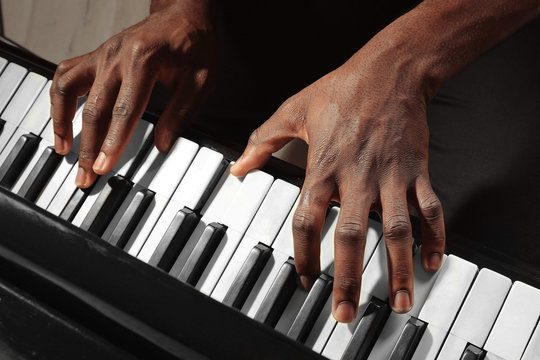
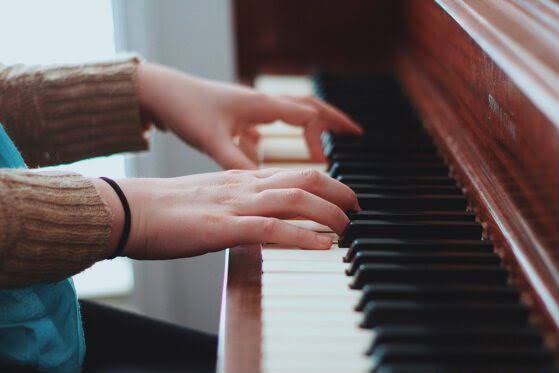
Hand synchronization means both hands working together in perfect timing, even when they are playing different parts.
For example:
Left hand plays chords
Right hand plays melody
To sound good, both must stay in rhythm and coordination.
How to Improve Hand Synchronization on the Piano
Understanding how to improve hand synchronization on the piano helps you:
Without synchronization, even simple songs can sound messy.
Tips on How to Improve Hand Synchronization on the Piano
One of the most effective ways to learn how to improve hand synchronization on the piano is to practice each hand alone.
✅ Steps:
Practice right hand until comfortable
Practice left hand separately
Focus on accuracy and rhythm
Once both hands are strong individually, combining them becomes easier.
Practice Slowly for Better Hand Synchronization on Piano
Speed is not important in the beginning.
To master how to improve hand synchronization on the piano:
Start at a slow tempo
Focus on timing
Gradually increase speed
Slow practice builds strong coordination.
Use a Metronome for Hands Synchronization
A metronome helps you stay in time.
It:
Keeps both hands aligned
Improves rhythm
Builds consistency
Practicing with a metronome is essential for synchronization.
Break the Music into Small Sections
Trying to play the entire piece at once can be difficult.
Instead:
Divide into small parts
Practice one section at a time
Repeat until smooth
This makes synchronization manageable.
Count Out Loud While Playing
Counting helps your brain stay organized.
For example:
“1-2-3-4” while playing
Match both hands to the count
This improves timing and coordination.
Focus on Problem Areas
Identify where your hands go out of sync.
Then:
Practice that section repeatedly
Slow it down
Fix mistakes step by step
Targeted practice gives faster results.
Develop Muscle Memory
Repetition is key.
The more you practice:
The more natural movements become
Hands start working together automatically
Consistency builds strong muscle memory.
Common Mistakes to Avoid
❌ Playing too fast too soon ❌ Skipping hands-separate practice ❌ Ignoring rhythm ❌ Practicing without focus
Avoiding these mistakes will improve your progress.
How The Mystic Keys Helps Students
At The Mystic Keys, we help students master coordination through:
Structured practice methods
Step-by-step learning
Focus on rhythm and timing
Personalized feedback
This ensures steady improvement in hand synchronization.
👉 Explore more music courses at The Mystic Keys to start your piano journey with the right foundation.
Conclusion
Learning how to improve hand synchronization on the piano takes patience, but it is completely achievable. By practicing slowly, using a metronome, and focusing on coordination, you can develop smooth and confident playing.
At The Mystic Keys, we believe: 👉 “Strong coordination creates beautiful music.”
For more information and exciting resources about learning music, visit our website at The Mystic Keys. For more music content and exciting offers follow us on