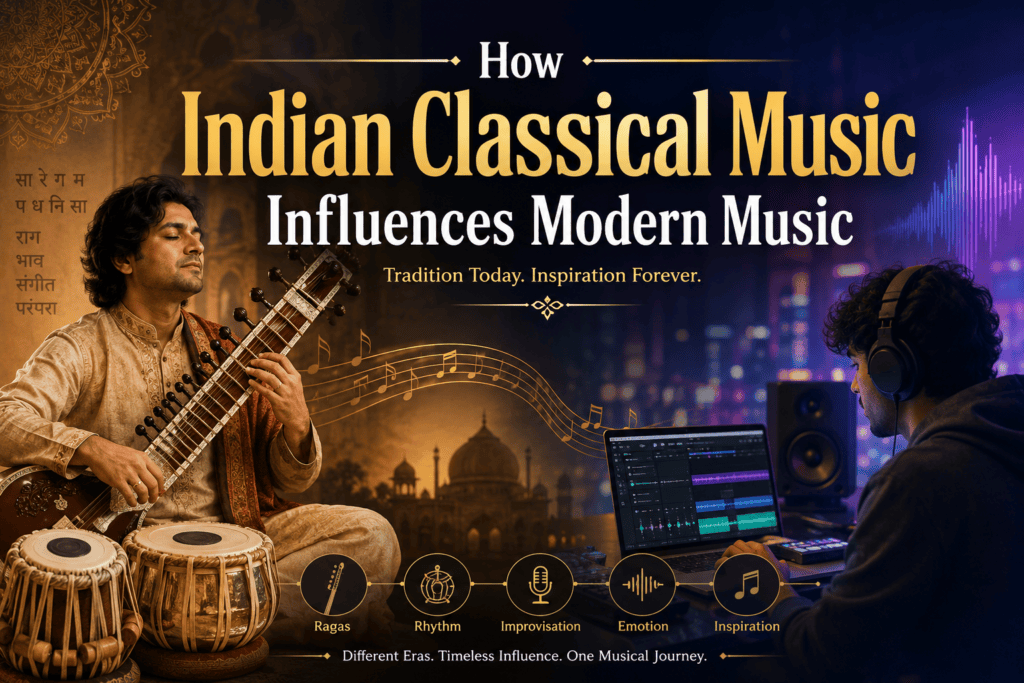
How Hindustani Classical Music Influences Modern Music
Music has constantly evolved by borrowing ideas from different traditions, and one of the strongest influences on today’s music is Hindustani classical music. Understanding how Indian Classical Music influences modern music helps us appreciate the depth, creativity, and emotional expression found in many contemporary songs. From Bollywood hits to fusion projects, jazz collaborations, and even electronic music, Hindustani classical elements continue to inspire musicians around the world.
In this article, we’ll explore how this ancient musical tradition shapes today’s music and why it remains relevant for aspiring musicians.
What Is Hindustani Classical Music?
Hindustani classical music is one of the two major traditions of Indian classical music, primarily practiced in North India. It has developed over centuries through the contributions of legendary musicians and teachers.
Unlike many modern compositions, Hindustani classical performances allow artists to express creativity while staying within the structure of a specific raga and tala.
How Hindustani Classical Music Shapes Modern Melodies
One of the biggest examples of how Indian Classical Music influences modern music is through melody.
Many composers use ragas as the foundation for creating memorable tunes. While modern songs may simplify these ragas, their emotional character often remains intact.
Popular genres influenced by ragas include:
Bollywood music
Independent Indian music
Devotional songs
Fusion music
Instrumental compositions
The emotional richness of ragas helps composers create songs that resonate with listeners.
Why Hindustani Classical Music Ragas Inspire Today's Composers
Ragas are more than scales—they are complete melodic systems with unique moods and expressions.
Modern composers frequently adapt ragas to create songs that sound fresh while maintaining classical beauty.
Some benefits of using ragas include:
Strong emotional connection
Rich melodic possibilities
Memorable musical phrases
Cultural authenticity
This is one of the clearest examples of how Hindustani classical music influences modern music today.
Improvisation Builds Creative Freedom
Improvisation is one of the defining features of Hindustani classical music.
Instead of simply repeating written notes, musicians develop melodies spontaneously while respecting the raga.
Modern musicians benefit from improvisation by improving:
Musical creativity
Stage confidence
Listening skills
Musical communication
Performance versatility
Jazz musicians, fusion artists, and live performers often use improvisational ideas inspired by Hindustani music.
Rhythm and Tala Shape Musical Structure
Another important way how Hindustani classical music influences modern music is through rhythm.
Traditional talas provide sophisticated rhythmic patterns that inspire composers and percussionists.
Popular rhythmic concepts include:
Cyclic rhythm
Syncopation
Complex time patterns
Rhythmic improvisation
Many contemporary drummers and producers borrow these rhythmic concepts to create unique grooves.
Vocal Techniques Enhance Modern Singing
Many successful singers train in Hindustani classical music before entering commercial music.
Classical vocal training develops:
Better pitch accuracy
Breath control
Vocal flexibility
Ornamentation
Stronger voice projection
These skills allow singers to perform confidently across multiple genres, including film music, pop, and devotional songs.
Bollywood Music Draws Inspiration from Hindustani Classical Music
Even contemporary Bollywood songs often include subtle classical influences that enhance their emotional appeal.
Fusion Music Combines Tradition with Innovation
Fusion music demonstrates perfectly how Hindustani classical music influences modern music across the globe.
Artists combine Hindustani music with:
Jazz
Rock
Electronic music
Western classical music
World music
These collaborations introduce Indian musical traditions to international audiences while creating exciting new sounds.
Instrumental Music Continues the Classical Legacy
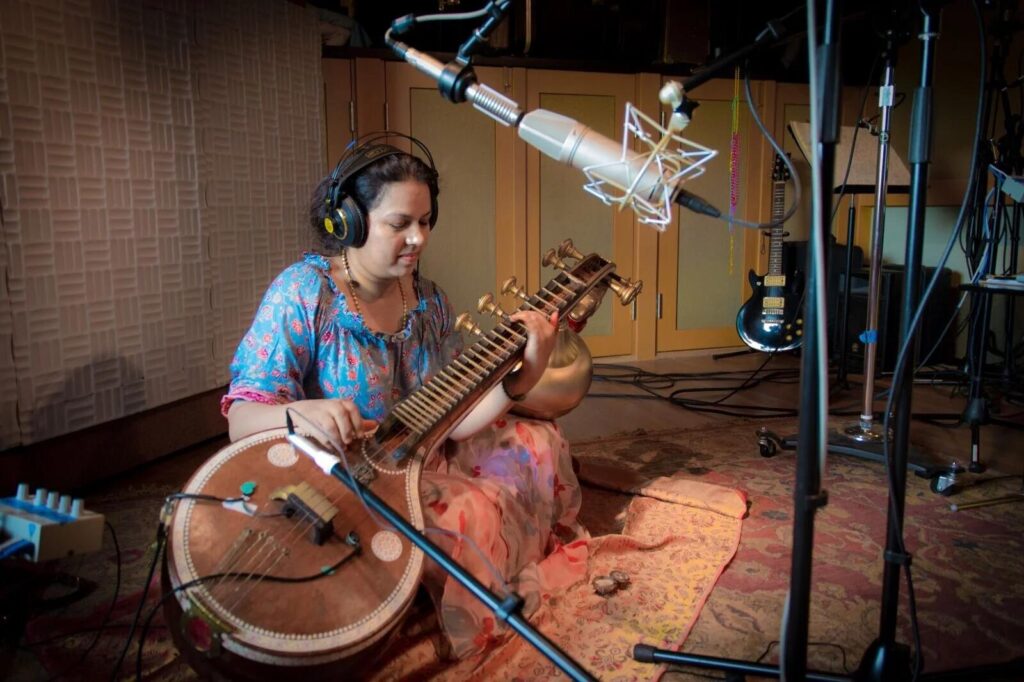
Traditional instruments remain popular in modern productions.
Common instruments include:
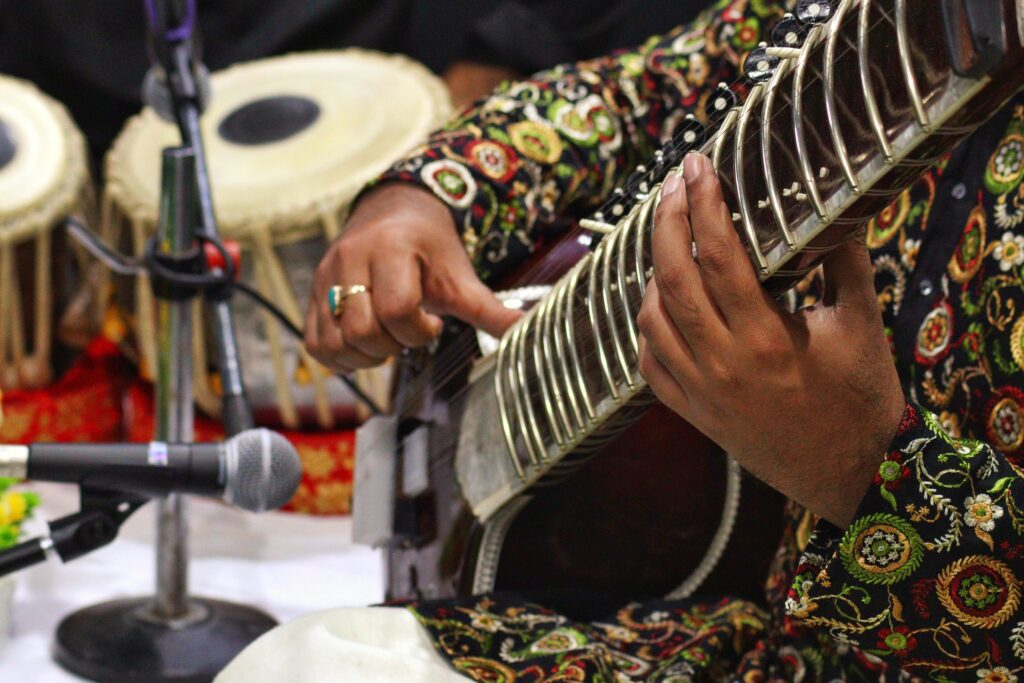
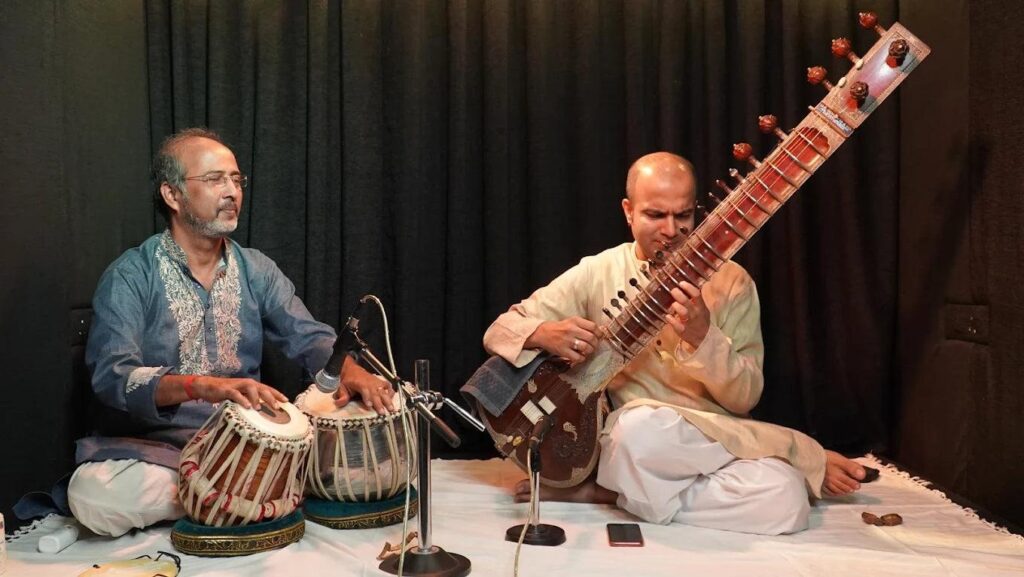
Sitar
Sarod
Santoor
Bansuri
Tabla
Harmonium
These instruments add warmth, authenticity, and distinctive textures to modern compositions.
Why Musicians Should Learn Hindustani Classical Music
Learning Hindustani classical music offers long-term benefits regardless of your preferred genre.
Students develop:
Strong musical foundation
Better ear training
Improved rhythm
Creative improvisation
Emotional expression
Greater performance confidence
Whether you want to perform pop, jazz, worship music, or film songs, classical training strengthens every aspect of musicianship.
How Beginners Can Start Learning Hindustani Classical Music
Starting your classical music journey is easier than many people think.
Here are a few tips:
Learn basic swaras (Sa, Re, Ga, Ma, Pa, Dha, Ni).
Practice alankars daily.
Begin with beginner-friendly ragas.
Develop rhythm using simple talas.
Learn from an experienced music teacher.
Practice consistently with a tanpura or shruti app.
Record your practice sessions to monitor progress.
Regular practice builds confidence and creates a strong musical foundation.
Understanding how Hindustani classical music influences modern music reveals why this centuries-old tradition continues to shape today’s musical landscape. From ragas and improvisation to rhythmic patterns and vocal techniques, Hindustani classical music enriches countless modern genres.
Whether you’re a beginner or an experienced musician, learning Hindustani classical music can improve your creativity, technical skills, and overall musical expression. Its timeless principles continue to inspire artists worldwide, proving that tradition and innovation can beautifully coexist.
Intersted in learning music with us? Register now
For more information and exciting resources about learning music, visit our website at The Mystic Keys. For more music content and exciting offers follow us on