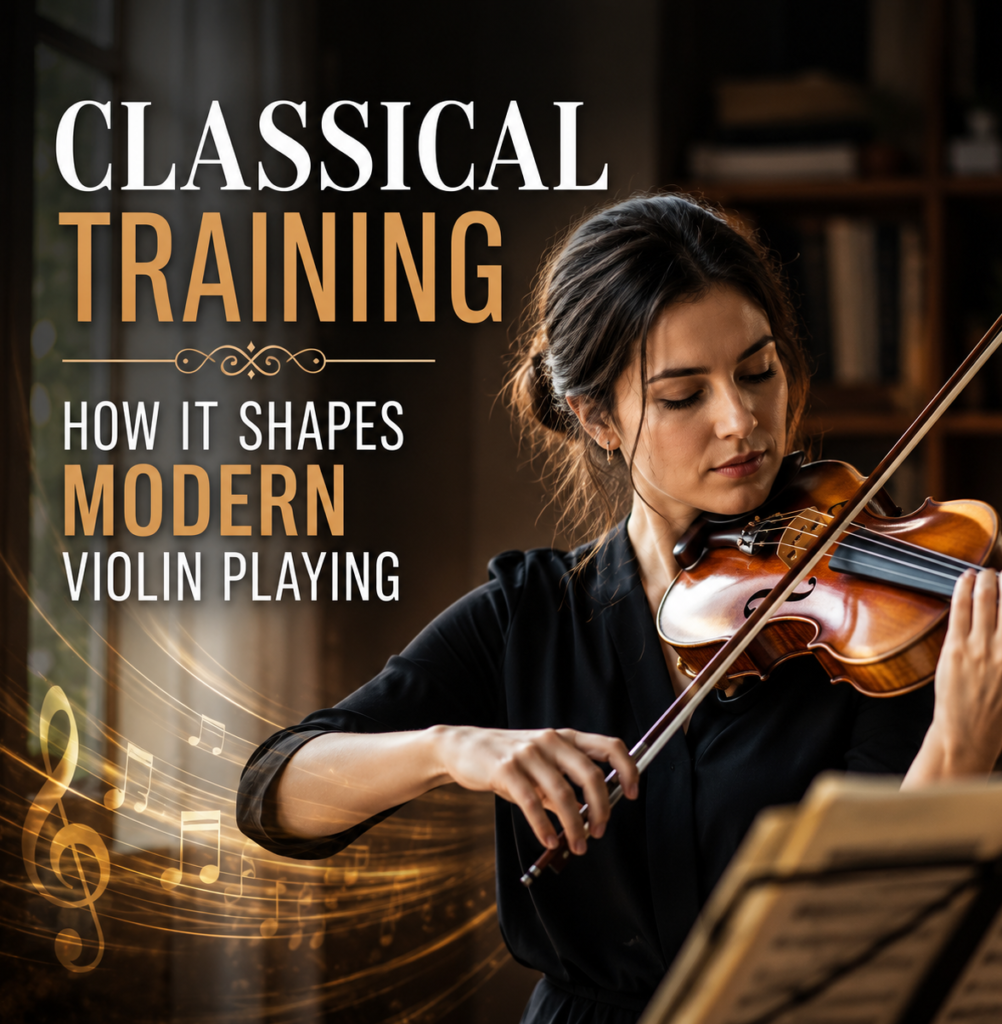
Classical Training | How It Shapes Modern Violin Playing
The violin has remained one of the most expressive and versatile instruments for centuries. While musical styles have evolved dramatically, the foundation of exceptional violin playing continues to be rooted in classical training. From concert halls and orchestras to film scores, contemporary bands, and social media performances, classically trained violinists consistently demonstrate a level of control, musicality, and confidence that sets them apart.
Today, many aspiring musicians dream of performing modern genres such as pop, jazz, rock, cinematic music, or even creating viral violin covers online. However, mastering these styles becomes significantly easier when built upon a strong classical foundation. Rather than restricting creativity, classical training develops the technical precision and artistic understanding needed to explore virtually any musical direction.
This is why professional violinists often recommend beginning with classical techniques before branching into other genres. The skills acquired through structured learning continue to benefit musicians throughout their musical journey, regardless of the style they ultimately choose to pursue.
In this article, we will explore how classical training shapes modern violin playing and why it remains one of the most valuable investments for every aspiring violinist.

The Foundation of Proper Technique
Every accomplished violinist relies on a solid technical foundation. Classical training introduces students to correct posture, balanced hand positions, controlled bow grip, and efficient body movement from the very beginning. These fundamentals may seem simple at first, yet they influence every aspect of future playing.
Without proper technique, players often develop habits that limit their progress. Poor posture can reduce comfort during longer practice sessions, while incorrect bowing may lead to uneven tone production. Similarly, weak left-hand positioning can make advanced passages unnecessarily difficult.
Classical instruction focuses on developing these essential skills gradually and consistently. Instead of rushing toward difficult pieces, students learn how every movement contributes to producing a beautiful sound.
As a result, modern violinists who receive classical training often perform with greater ease, improved endurance, and increased confidence. Their technique allows them to focus on musical expression instead of constantly correcting physical mistakes.

Classical Training and Superior Bow Control
One of the greatest strengths of classical violin education is the attention given to bow technique. Since the bow produces the violin’s voice, controlling it effectively becomes essential for expressive playing.
Students spend considerable time learning how to distribute bow weight evenly, maintain consistent speed, and apply appropriate pressure. Although these exercises may initially appear repetitive, they develop remarkable precision over time.
Consequently, modern violinists can easily adapt their sound to different musical genres. A gentle lyrical melody requires an entirely different bow approach than an energetic pop arrangement or an intense cinematic soundtrack.
Moreover, advanced bowing techniques such as legato, staccato, spiccato, martelé, and détaché become valuable tools for musical storytelling. Rather than sounding mechanical, performances become expressive and emotionally engaging because the player understands how to shape every phrase.
Therefore, classical bow training provides flexibility that extends far beyond traditional repertoire.
Building Accurate Intonation
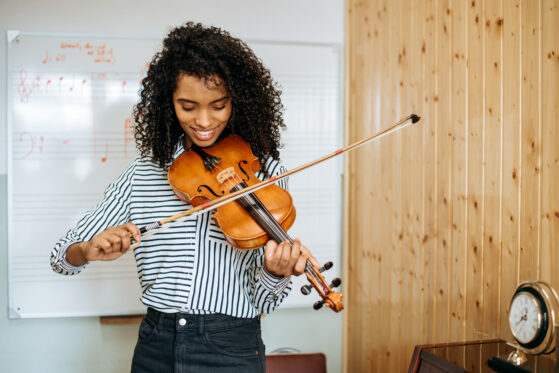
Unlike instruments with fixed keys, the violin demands exceptional pitch accuracy. Every note depends entirely on finger placement, making intonation one of the most challenging aspects of learning the instrument.
Classical training places significant emphasis on developing a reliable ear alongside accurate finger positioning. Students regularly practice scales, arpeggios, interval exercises, and listening drills that gradually strengthen pitch recognition.
Over time, these exercises create strong muscle memory while simultaneously sharpening listening skills. Instead of guessing note positions, violinists begin to instinctively recognize when something sounds perfectly in tune.
This ability becomes particularly valuable in modern performances where violinists frequently collaborate with singers, bands, backing tracks, or recording software. Accurate intonation ensures that every performance sounds polished, whether played live or captured in the studio.
Furthermore, confident pitch control allows musicians to experiment freely without worrying about inconsistent tuning.

Classical Training for Stronger Rhythm and Timing
Great violin playing involves far more than playing the correct notes. Equally important is the ability to perform with precise rhythm and consistent timing.
Classical education incorporates rhythm exercises from the earliest lessons. Students learn to count carefully, follow different time signatures, understand note values, and perform with steady tempo.
Gradually, these rhythmic skills become second nature. Instead of struggling to stay on beat, violinists develop an internal sense of timing that supports every performance.
This becomes especially important when playing modern music. Pop songs, jazz ensembles, worship bands, orchestras, and recording sessions all demand rhythmic accuracy. Even slight timing inconsistencies can affect the overall performance.
As a result, classically trained musicians often transition smoothly into ensemble playing because they possess the rhythmic discipline required to perform confidently alongside others.
Classical Training and Musical Expression
Technical ability alone does not create memorable performances. Music becomes meaningful when players communicate emotion through their interpretation.
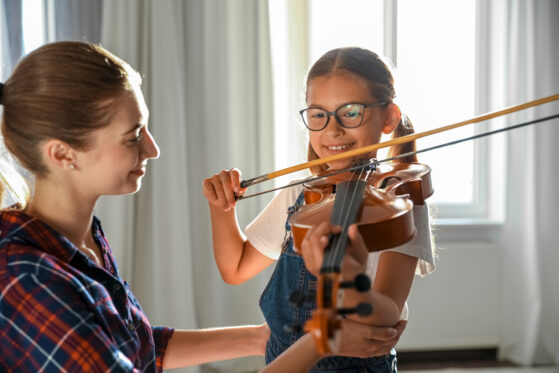
Classical training introduces students to dynamics, phrasing, articulation, vibrato, tempo changes, and expressive shaping. Rather than simply playing notes, violinists learn how composers intended the music to breathe and evolve.
Eventually, these expressive techniques become natural. Instead of focusing only on accuracy, musicians begin making artistic decisions that enhance every performance.
Interestingly, these same expressive skills elevate modern music as well. Whether performing an emotional movie theme, a heartfelt worship song, or a popular chart hit, violinists who understand phrasing and dynamics create performances that resonate deeply with listeners.
Consequently, audiences experience not only technical excellence but also genuine musical emotion.
Encouraging Strong Practice Habits
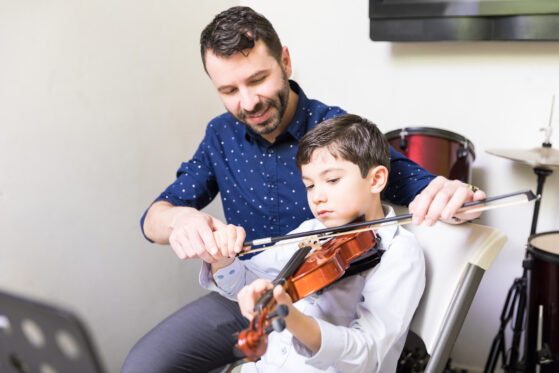
Consistent progress rarely happens by accident. Classical education teaches students how to practice with purpose rather than simply repeating pieces from beginning to end.
Lessons often include structured warm-ups, technical exercises, scale practice, sight-reading, and repertoire development. Each section serves a specific purpose in building long-term improvement.
Over time, students become more disciplined and efficient in their practice routines. They learn to identify weaknesses, solve technical challenges, and set achievable goals for each session.
This organized approach continues to benefit musicians long after formal lessons. Whether preparing for auditions, concerts, recordings, or online performances, effective practice habits allow violinists to improve steadily while avoiding frustration.
Ultimately, disciplined practice becomes one of the greatest advantages gained through classical training.
Classical Training for Better Sight-Reading Skills
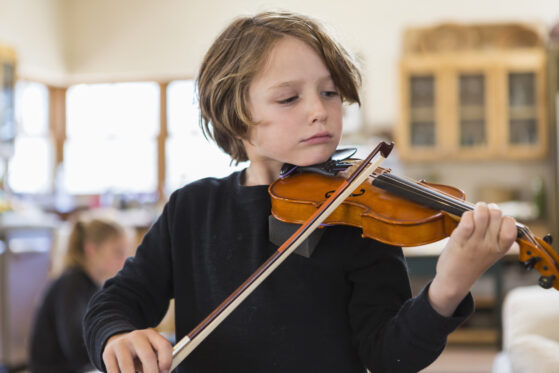
Modern violinists frequently encounter unfamiliar music. Whether joining an orchestra, accompanying a choir, recording studio sessions, or collaborating with other musicians, the ability to read music quickly is invaluable.
Classical training develops sight-reading gradually through consistent exposure to increasingly complex notation. Students learn to recognize rhythms, key signatures, accidentals, dynamics, articulations, and phrasing while maintaining steady performance.
Consequently, reading music becomes less intimidating over time. Instead of decoding every note individually, experienced players recognize larger musical patterns almost instantly.
This skill saves valuable rehearsal time and increases versatility. Musicians who read confidently can accept a wider range of performance opportunities because they adapt more efficiently to new repertoire.
Classical Training Develops Discipline and Patience
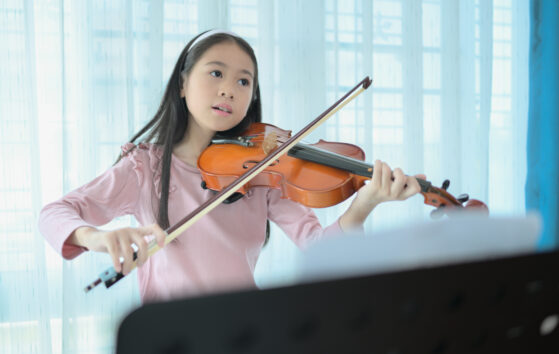
Learning the violin requires dedication, persistence, and realistic expectations. Progress often occurs gradually rather than overnight.
Classical training reinforces the importance of patience by encouraging students to master each skill before advancing to more difficult material. Although this process may seem demanding, it produces consistent and lasting improvement.
Along the way, students also develop resilience. Difficult passages become opportunities to refine technique rather than reasons to become discouraged.
Eventually, this mindset extends beyond music itself. The discipline required for regular practice, thoughtful preparation, and continuous improvement often influences academic, professional, and personal growth as well.
Therefore, classical violin education nurtures valuable life skills alongside musical development.

Providing a Gateway to Every Musical Genre
One common misconception is that classical training limits creativity. In reality, the opposite is true.
Because classical education develops comprehensive technical skills, violinists gain the freedom to explore countless musical styles with confidence. Many successful performers who specialize in pop, jazz, folk, country, film music, worship, or fusion first established their technique through classical study.
Once the fundamentals become second nature, adapting to different genres becomes significantly easier. Players can focus on learning stylistic nuances instead of struggling with basic technique.
Additionally, improvisation becomes more accessible because musicians possess a stronger understanding of scales, harmony, rhythm, and musical structure.
For this reason, classical training acts as a launching pad rather than a limitation.

Supporting Modern Performance Opportunities
The music industry has changed dramatically in recent years. Today’s violinists perform not only on traditional stages but also on streaming platforms, social media, virtual collaborations, recording sessions, and international online concerts.
Despite these evolving opportunities, the expectations for quality remain high. Audiences appreciate performers who produce a beautiful tone, play accurately, and communicate emotion effectively.
Classical training equips musicians with exactly these qualities. Whether recording a cinematic cover for YouTube, performing live with a worship team, collaborating remotely with international artists, or entertaining audiences through short-form content, the underlying skills remain the same.
As technology continues to reshape musical careers, a strong classical background enables violinists to adapt confidently to new performance environments while maintaining professional standards.
Why Classical Training Never Goes Out of Style
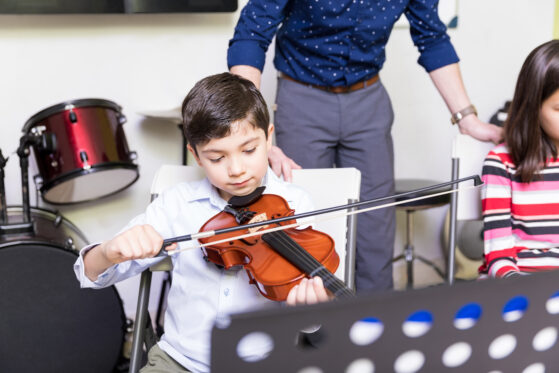
Musical trends will continue to evolve, yet the core principles of excellent violin playing remain remarkably consistent. Beautiful tone, accurate intonation, expressive phrasing, rhythmic precision, and confident technique are timeless qualities appreciated across every genre.
Although modern music introduces fresh sounds and innovative performance styles, these innovations are most effective when supported by strong fundamentals. Classical education provides that essential framework while encouraging lifelong musical growth.
Instead of viewing classical training as an old-fashioned tradition, today’s musicians increasingly recognize it as a powerful tool for creative freedom. Every lesson strengthens skills that remain useful regardless of changing musical preferences or career goals.
Conclusion
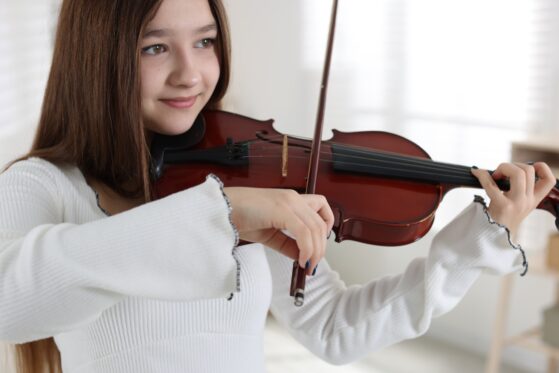
Classical training does far more than prepare violinists to perform traditional repertoire. It establishes the technical accuracy, musical understanding, discipline, and artistic confidence needed to thrive in today’s diverse musical landscape. From mastering bow control and intonation to developing expressive phrasing and reliable practice habits, every aspect of classical education contributes to becoming a more complete musician.
Moreover, these foundational skills make learning modern genres smoother, collaborations more rewarding, and performances more compelling. Rather than limiting creativity, classical training expands musical possibilities by giving violinists the confidence to explore new styles with precision and expression. For students seeking to build these essential skills, Violin Lessons Online offer a structured and flexible way to learn from experienced instructors while progressing at their own pace.
Whether your goal is to perform in an orchestra, play contemporary worship music, record cinematic covers, collaborate with modern bands, or simply enjoy making music, investing in classical violin training is one of the most effective ways to build lasting musicianship. At The Mystic Keys, students receive personalized guidance that helps them develop a strong classical foundation while preparing them to confidently explore a wide range of musical styles. A strong foundation not only supports current abilities but also opens the door to endless opportunities for growth and artistic expression.
For more information and exciting resources about learning music, visit our website at The Mystic Keys. For more music content and exciting offers follow us on
Facebook, Instagram, YouTube, LinkedIn, Twitter, Pinterest, and Threads.