A Parent's Guide to Enrolling Your Child in Music Lessons
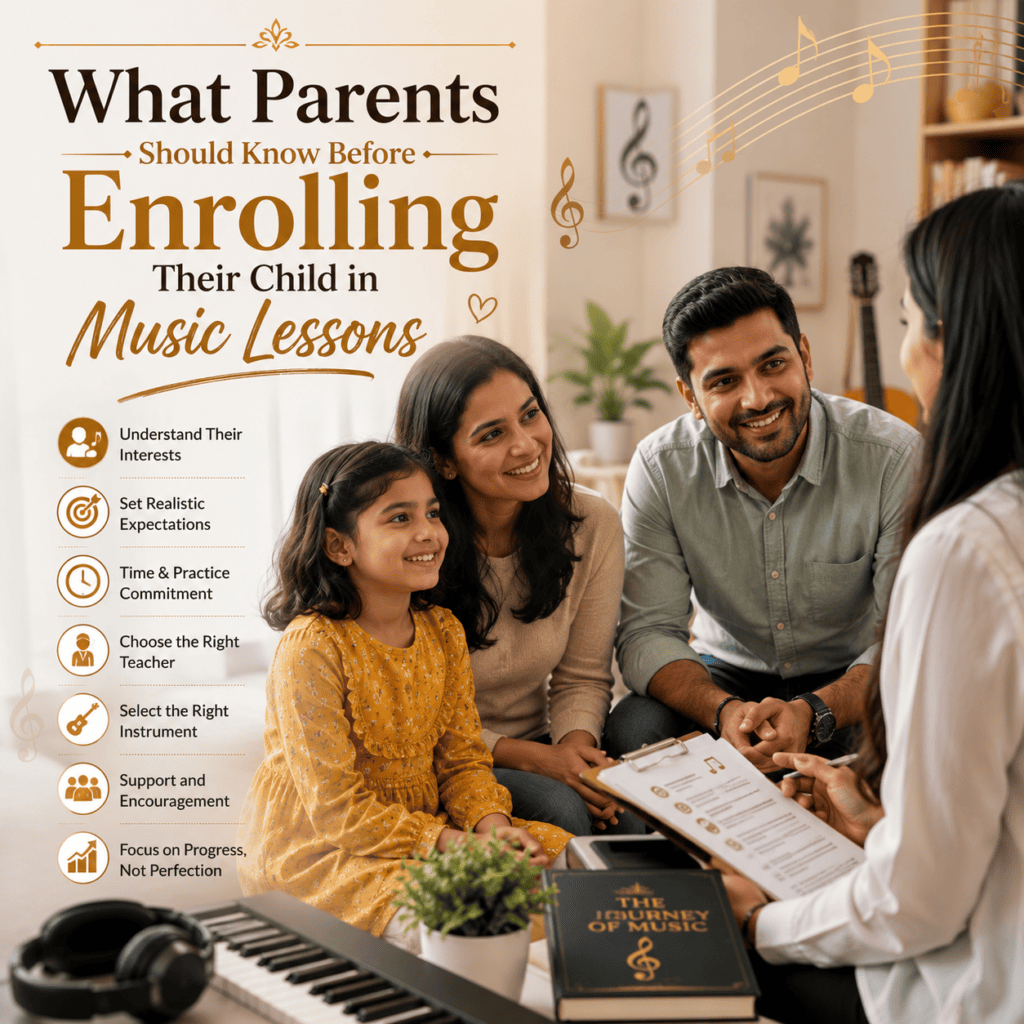
Enrolling your child in music lessons is an exciting step that can positively shape their future. Enrolling Your Child in Music Lessons is about much more than learning to play an instrument or sing—it provides children with opportunities to develop creativity, discipline, confidence, communication skills, and emotional intelligence. However, choosing the right music program involves more than simply selecting an instrument or finding the nearest teacher.
Every child has a unique personality, learning style, and pace of development. Understanding what to expect before enrolling your child in music lessons can help parents make informed decisions and create an enjoyable learning experience. Whether your child dreams of becoming a performer or simply wants to explore music as a hobby, the right foundation makes all the difference.
Why Enrolling Your Child in Music Lessons Is Worth the Investment
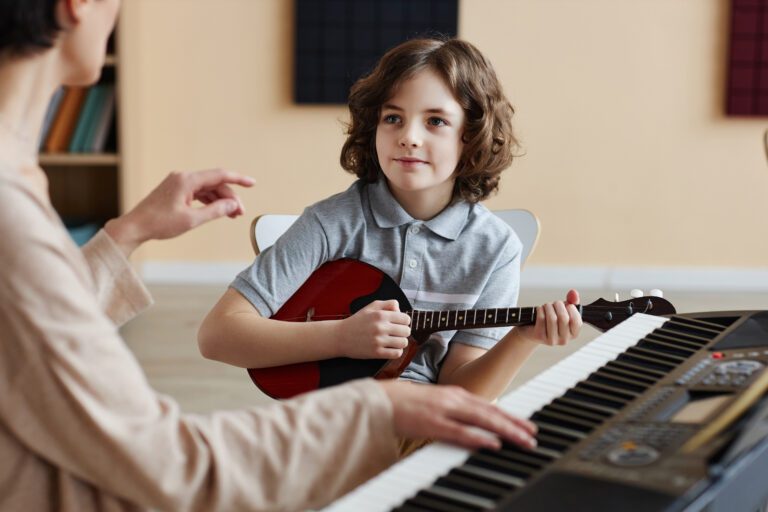
Music education offers lifelong benefits that extend well beyond the classroom.
The benefits of enrolling your child in music lessons extend far beyond learning to play an instrument. As children develop their musical skills, they also improve their ability to concentrate, solve problems, and work patiently toward long-term goals. Enrolling Your Child in Music Lessons helps build valuable life skills that support success both inside and outside the classroom.
Some of the long-term benefits include:
- Improved academic performance
- Better coordination and motor skills
- Increased confidence
- Enhanced creativity
- Stronger communication skills
- Greater emotional awareness
- Better discipline and responsibility
These skills continue benefiting children throughout school, college, and adulthood.
Understand Your Child’s Interest
One of the biggest mistakes parents make is choosing an instrument based on their own preferences rather than their child’s interests.
Some children naturally enjoy singing, while others are fascinated by the piano, guitar, violin, or drums.
Before enrolling your child, spend time exploring different musical instruments together. Watch performances, listen to different genres of music, or allow them to try beginner lessons.
When children feel involved in the decision, they are more motivated to learn and practice consistently.
What to Expect When Enrolling Your Child in Music Lessons
Learning music is a journey rather than a destination.
Every child learns at a different pace.
Some may quickly understand rhythm, while others need more time to develop finger coordination or reading skills.
Parents should remember that progress often comes gradually.
Instead of asking, “Why haven’t they learned more?” focus on celebrating small improvements.
Every new song, chord, rhythm, or technique is an important milestone.
Choosing the Right Instrument
Not every instrument suits every child.
Several factors influence the best choice, including:
- Age
- Physical development
- Musical interests
- Personality
- Attention span
- Learning goals
For example:
- Piano provides an excellent foundation for understanding music theory.
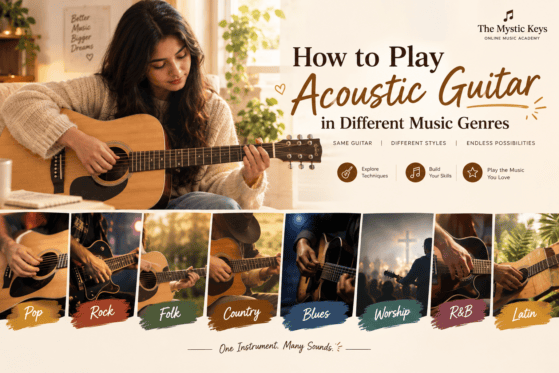
- Guitar is ideal for children interested in contemporary music.
- Violin develops excellent listening skills and discipline.
- Drums improve rhythm and coordination.
- Vocals encourage confidence and emotional expression.
Allow your child to explore different options before making a final decision.
Choosing the Right Teacher When Enrolling Your Child in Music Lessons
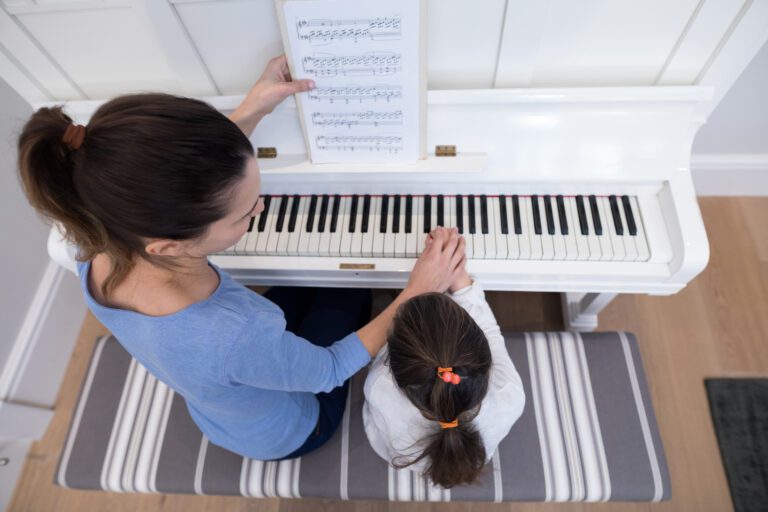
The teacher plays one of the most important roles in your child’s musical journey.
An experienced instructor understands how to motivate children while adapting lessons to different learning styles.
A good music teacher should be:
- Patient
- Encouraging
- Experienced
- Organized
- Friendly
- Supportive
Children learn best when they feel comfortable asking questions and making mistakes.
The right teacher builds confidence while making lessons enjoyable.
One-on-One or Group Lessons?
Many parents wonder which option is better.
Both have their advantages.
One-on-One Lessons
Personalized instruction allows teachers to focus entirely on the student’s progress.
Benefits include:
- Individual attention
- Faster improvement
- Customized lesson plans
- Flexible learning pace
- Immediate feedback
Group Lessons
Group settings help children:
- Socialize
- Work as a team
- Learn from classmates
- Build confidence performing with others
Consider your child’s personality before choosing the lesson format.
Creating Realistic Expectations When Enrolling Your Child in Music Lessons
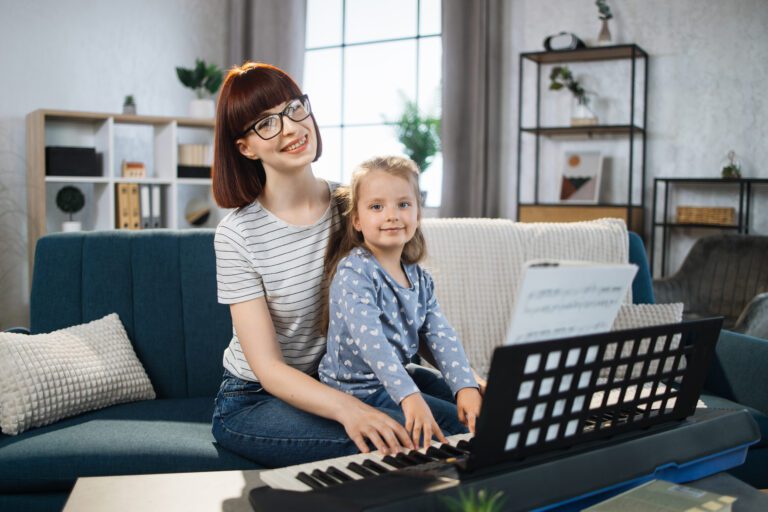
Every child’s musical journey is unique. Some children progress quickly, while others need more time to build confidence and master new techniques. The purpose of child music lessons is not to create instant experts but to encourage steady growth, enjoyment, and a positive attitude toward learning.
Rather than expecting perfection, focus on consistency.
Regular practice—even for short periods—is far more effective than occasional long practice sessions.
Building a Positive Practice Routine After Enrolling Your Child in Music Lessons
Practice should become a natural part of your child’s daily schedule.
A consistent routine helps children develop discipline without feeling overwhelmed.
Helpful tips include:
- Practice at the same time each day.
- Keep sessions short for younger children.
- Remove distractions.
- Celebrate progress.
- End each practice session positively.
The goal is to make practice enjoyable rather than stressful.
Encouraging Your Child After Enrolling Them in Music Lessons
Children perform better when they feel supported.
Avoid comparing your child with siblings or other students.
Instead, encourage them by recognizing their individual progress.
Simple phrases like:
- “You played that much better today.”
- “I’m proud of how hard you’re practicing.”
- “You’re improving every week.”
can significantly boost motivation.
Positive encouragement builds confidence far more effectively than criticism.
Music Lessons Teach More Than Music
Many parents initially enroll their children simply to learn an instrument.
Soon they discover that music lessons teach valuable life skills.
Children gradually develop:
- Patience
- Responsibility
- Discipline
- Problem-solving
- Creativity
- Confidence
- Emotional expression
- Goal setting
These qualities support success both inside and outside the classroom.
Don't Worry About Making Mistakes
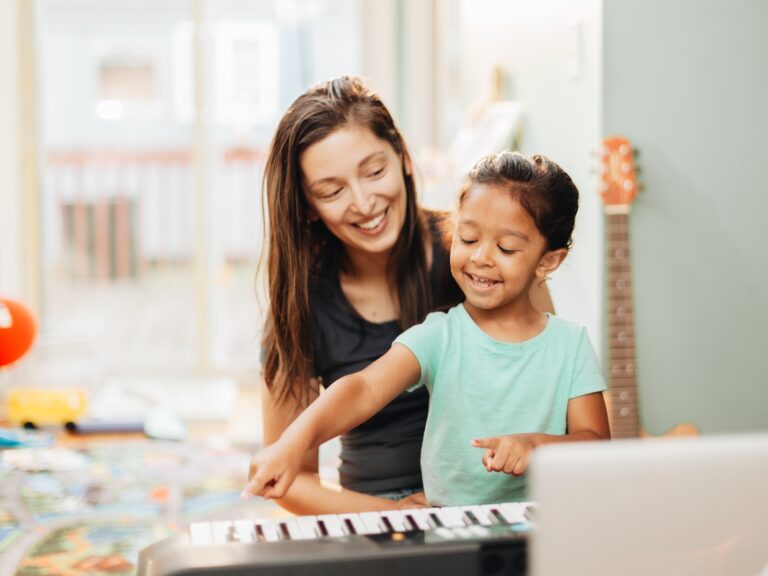
Mistakes are an essential part of learning.
Every musician—beginner or professional—continues learning through trial and error.
Children should understand that mistakes help them improve rather than define their ability.
Supportive teachers encourage students to view every mistake as an opportunity to learn something new.
This mindset builds resilience and confidence over time.
Make Music Part of Everyday Life
Children remain motivated when music becomes part of their daily environment.
Parents can encourage this by:
- Listening to music together.
- Watching live performances.
- Singing during family activities.
- Exploring different musical styles.
- Celebrating musical achievements.
These experiences help children develop a deeper appreciation for music.
Be Patient During Difficult Phases
Every child experiences periods where motivation decreases.
A difficult song or busy school schedule may temporarily reduce enthusiasm.
Rather than forcing progress, encourage consistency.
Sometimes simply reducing practice time for a few days while maintaining routine is enough to restore motivation.
Patience is often the key to long-term success.
Child Music Lessons
Children feel motivated when their efforts are recognized.
Celebrate milestones such as:
- Learning a new song.
- Completing a music book.
- Performing in a recital.
- Practicing consistently.
- Mastering a difficult technique.
Celebrations don’t need to be elaborate.
Simple praise and encouragement often have the greatest impact.
Online Music Lessons Can Be an Excellent Choice
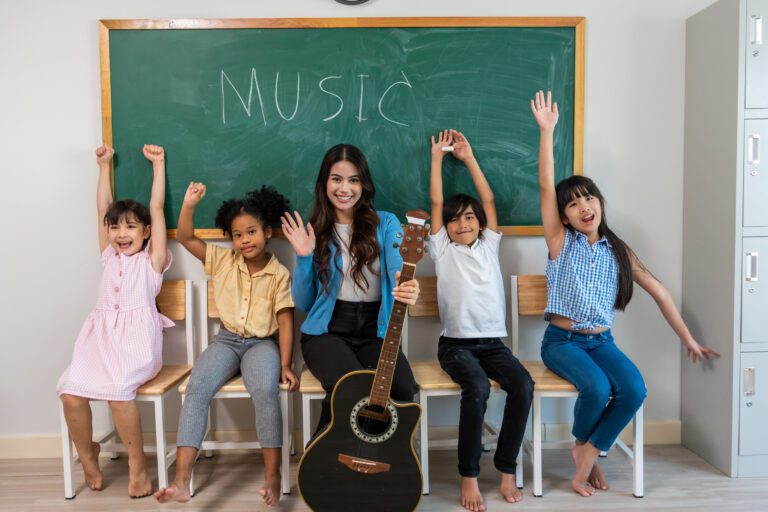
Online learning has made quality music education accessible from anywhere.
Professional online lessons offer:
- Flexible scheduling
- Personalized instruction
- Comfortable learning from home
- Access to experienced teachers
- Recorded lessons for revision
Many children feel more relaxed learning in familiar surroundings, which can improve confidence and participation.
Parents Are Part of the Learning Journey
Parents play a vital role in helping children succeed in child music lessons. Showing interest in what your child learns, celebrating small achievements, and encouraging regular practice creates a supportive environment that keeps children motivated throughout their musical journey.
Ask questions like:
- What did you learn today?
- Can you play your new song for me?
- Which part was the most enjoyable?
Showing genuine interest encourages children to stay motivated and continue improving.
Choosing the Right Music School
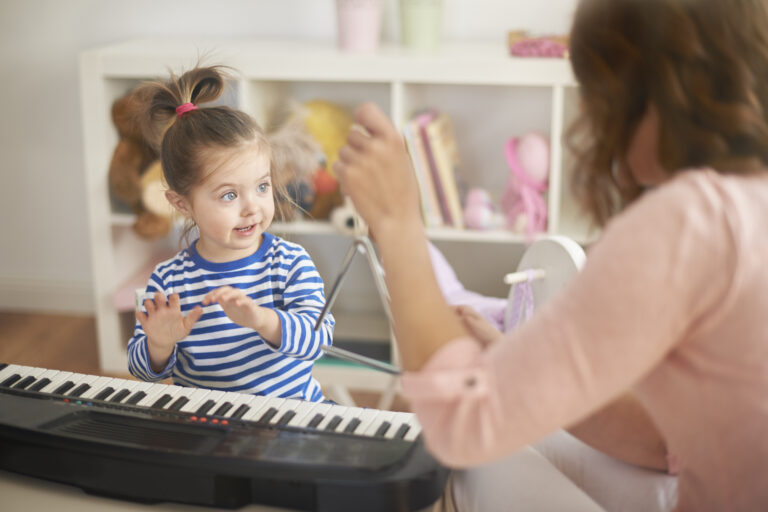
Choosing the right child music lessons is about more than simply selecting an instrument. It’s about finding a learning environment where your child feels encouraged, supported, and excited to grow. When lessons are tailored to a child’s interests and abilities, they are more likely to stay motivated and develop a lifelong love for music.
Look for a music school that offers:
- Experienced and qualified instructors
- Personalized learning plans
- Flexible scheduling
- Structured curriculum
- Performance opportunities
- Positive learning environment
- Regular progress updates
A supportive music school creates an environment where children feel inspired to learn and grow.
Setting Long-Term Goals
Music is a lifelong skill.
The most successful child music lessons focus on developing the whole child rather than simply teaching songs or techniques. With the right guidance and consistent encouragement, children gain confidence, creativity, discipline, and valuable life skills that continue benefiting them long after each lesson ends.
Others simply enjoy playing for personal relaxation.
Every musical journey is valuable because it develops confidence, creativity, and lifelong learning habits.
Conclusion
Choosing child music lessons is one of the most rewarding investments parents can make in their child’s future. With the right teacher, realistic expectations, consistent encouragement, and a positive learning environment, music becomes much more than an extracurricular activity. It helps children develop confidence, discipline, creativity, communication skills, and a lifelong love for learning.
At The Mystic Keys, we offer personalized one-on-one online music lessons designed to help children learn at their own pace while building strong musical foundations. Whether your child wants to learn piano, guitar, vocals, violin, drums, ukulele, or Indian classical music, our experienced instructors are committed to making every lesson engaging, enjoyable, and inspiring.
For more information and exciting resources about learning music, visit our website at The Mystic Keys. For more music content and exciting offers follow us on
Facebook, Instagram, YouTube, LinkedIn, Twitter, Pinterest, and Threads.