Why Music Lessons Build Confidence
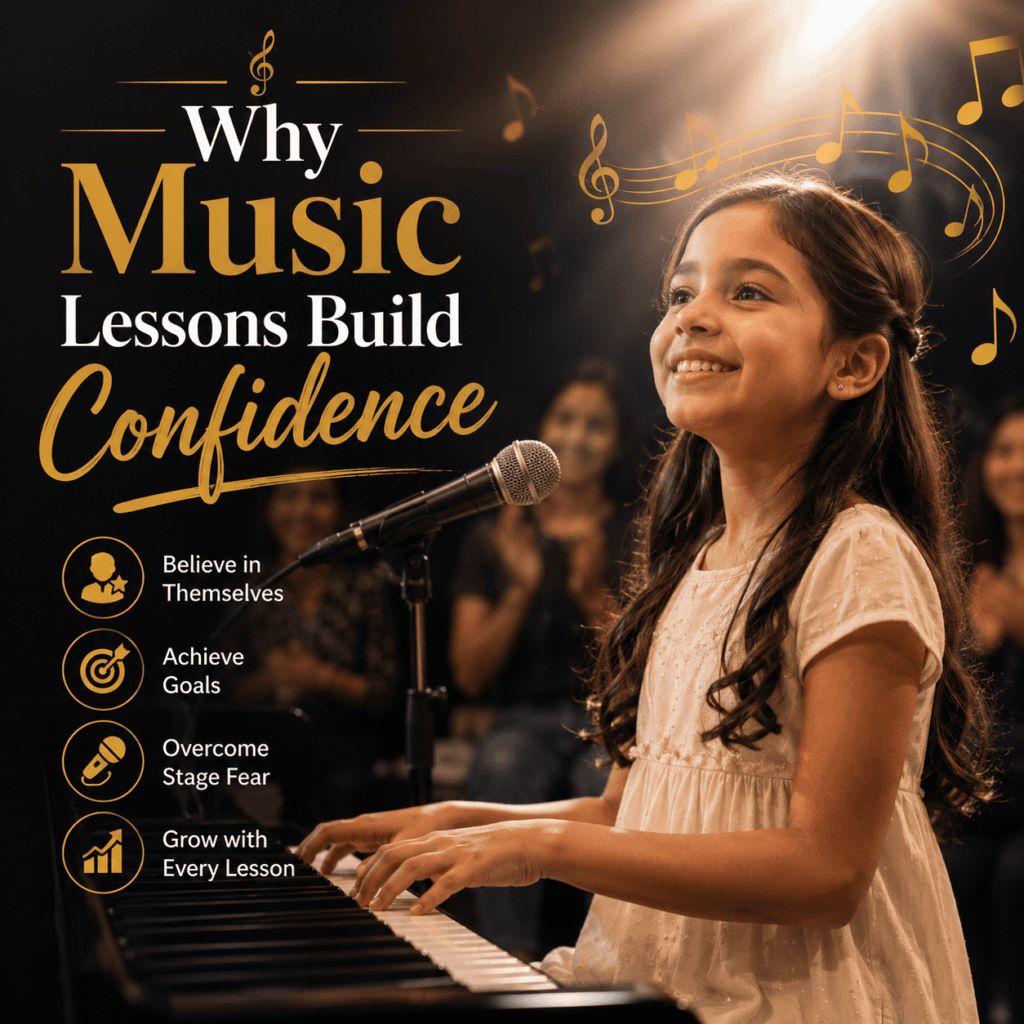
Why Music Lessons Build Confidence
Confidence is one of the most valuable qualities anyone can develop, and surprisingly, music is one of the most effective ways to build it. Whether a child is learning piano for the first time or an adult is taking vocal lessons, music lessons build confidence by encouraging consistent growth, celebrating small achievements, and teaching students to overcome challenges with determination.
Learning music is much more than mastering notes or rhythms. It helps students believe in their abilities, express themselves freely, and face new situations with courage. Every lesson becomes an opportunity to improve not only as a musician but also as a more confident individual.
If you’ve ever wondered why so many parents encourage their children to learn music or why adults return to music later in life, confidence is one of the biggest reasons.
Confidence Begins with Small Victories
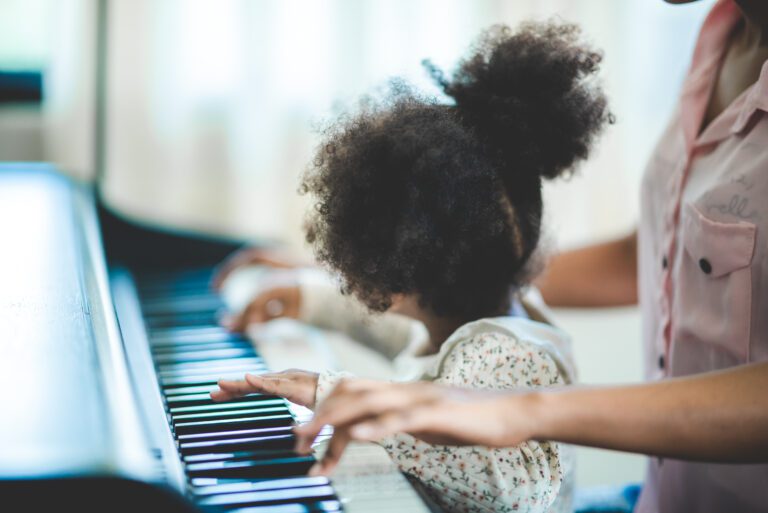
Every musician starts as a beginner.
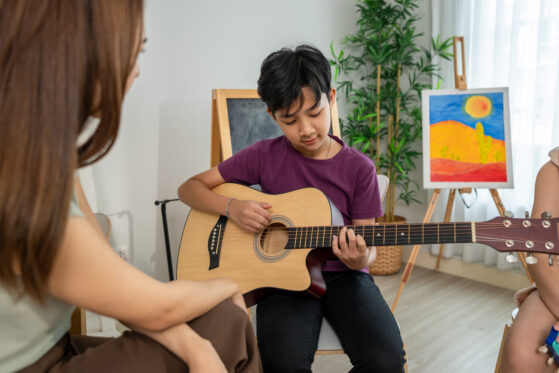
The first lesson may involve learning how to hold an instrument, identify musical notes, or sing a simple melody. At first, these tasks may seem challenging, but each small success creates a feeling of accomplishment.
Playing an entire song for the first time, keeping a steady rhythm, or correctly reading sheet music gives students proof that they are capable of learning something new.
These small victories gradually replace uncertainty with confidence.
Instead of worrying about what they cannot do, students begin focusing on how much they have already achieved.
Learning Through Practice Builds Self-Belief
One of the greatest reasons music lessons build confidence is because students experience the rewards of consistent effort.
Unlike activities that provide instant results, music requires patience and regular practice.
Students quickly discover that:
- Every practice session leads to improvement.
- Mistakes become learning opportunities.
- Difficult pieces become easier over time.
- Success comes through consistency rather than perfection.
This teaches an important life lesson—hard work produces meaningful results.
As students notice their progress week after week, they develop genuine confidence in their own abilities.
Overcoming Challenges Creates Stronger Individuals
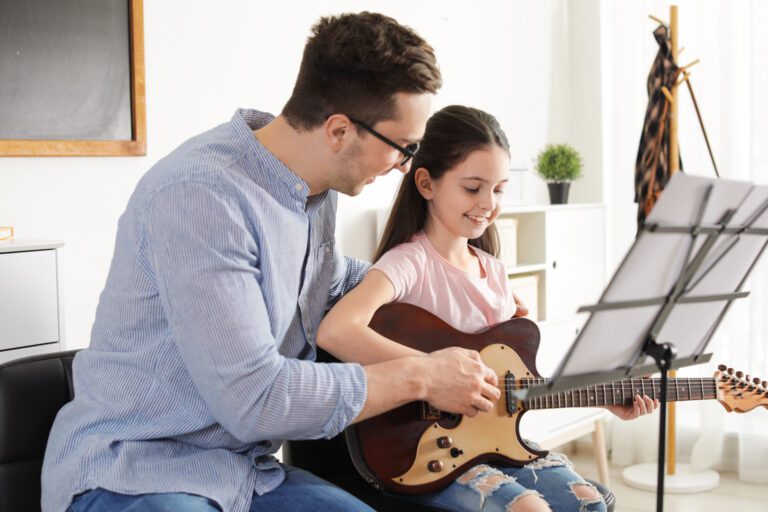
Every musician faces obstacles.
A difficult rhythm, a challenging chord progression, or a complex vocal exercise can feel frustrating at first.
Rather than giving up, students learn to break larger challenges into smaller, manageable steps.
Each obstacle they overcome strengthens their resilience.
Over time, they begin approaching other challenges in school, work, and everyday life with the same positive mindset.
Music Encourages a Growth Mindset
Many beginners believe they simply aren’t “musical.”
However, experienced teachers know that musical ability develops through learning and practice.
Music lessons help students understand that improvement comes from:
- Consistency
- Patience
- Positive feedback
- Regular practice
- Persistence
This mindset changes how students approach challenges.
Instead of saying, “I can’t do this,” they begin saying, “I can’t do this yet.”
That small change in thinking has a lasting impact on confidence.
Performing Helps Students Believe in Themselves
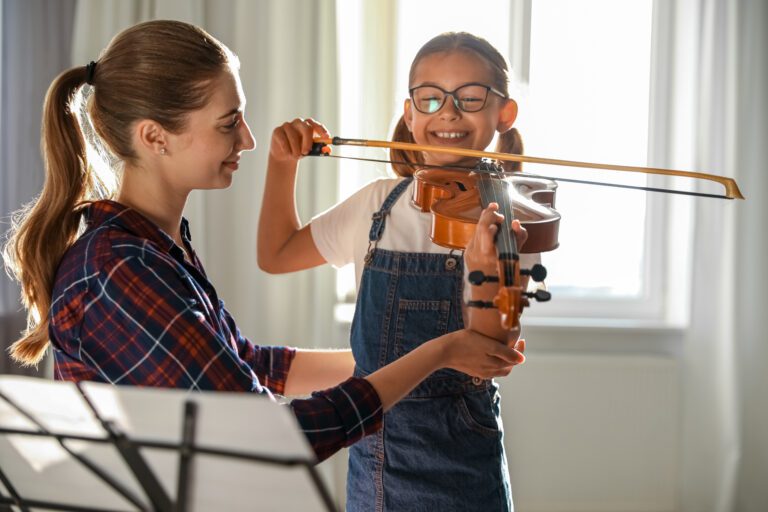
For many students, performing in front of others is both exciting and nerve-racking.
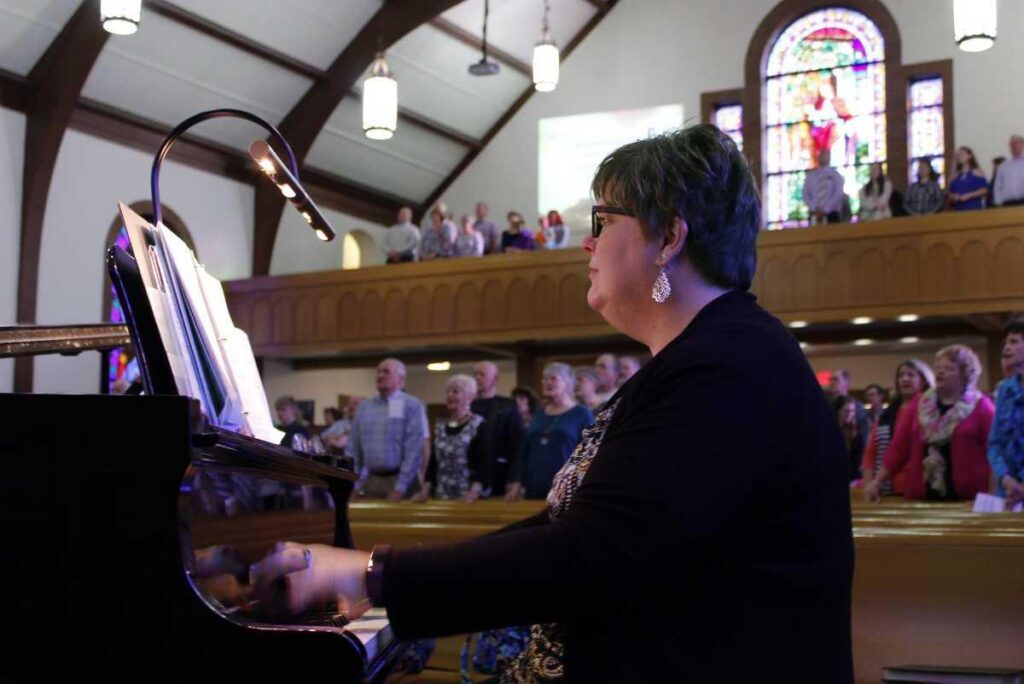
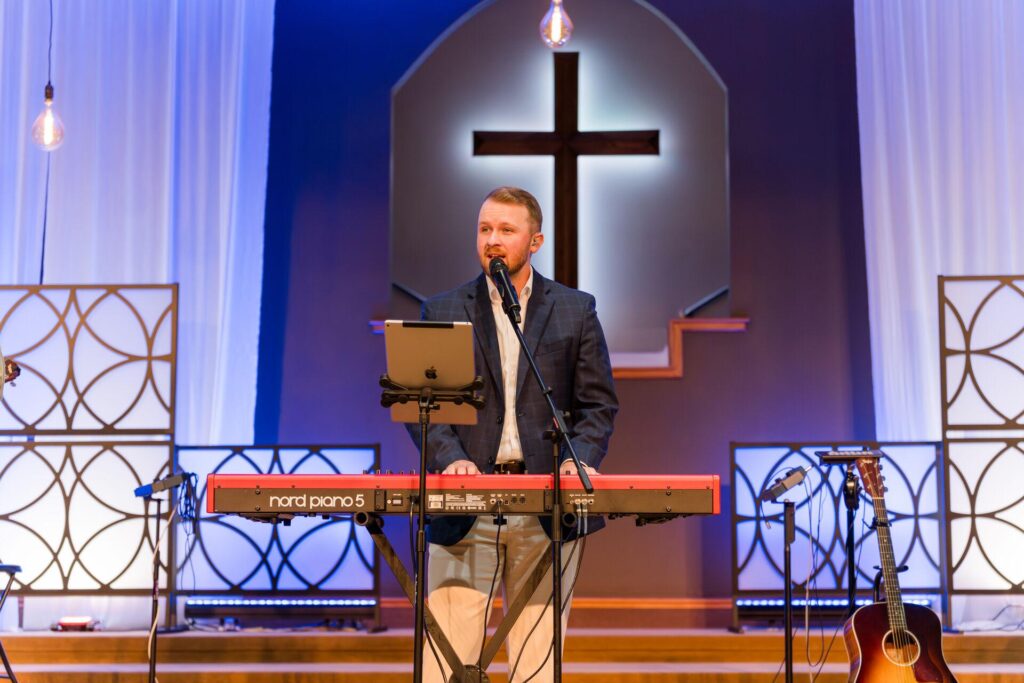
Whether it’s playing for family, participating in a recital, singing at school, or joining a worship team, every performance becomes an opportunity to grow.
Although nervousness is natural, each successful performance helps students realize they are capable of doing things they once thought were impossible.
Standing on stage teaches courage.
Receiving applause reinforces effort.
Together, these experiences build lasting confidence.
Music Lessons Build Confidence by Reducing Fear of Mistakes
One of the biggest barriers to confidence is the fear of making mistakes.
Music teachers understand that mistakes are a natural part of learning.
Instead of criticizing errors, they guide students toward improvement.
Students gradually learn to:
- Accept mistakes without fear.
- Correct themselves independently.
- Keep trying after setbacks.
- Enjoy the learning process.
Eventually, mistakes stop feeling like failures and become stepping stones toward success.
Better Communication Through Music
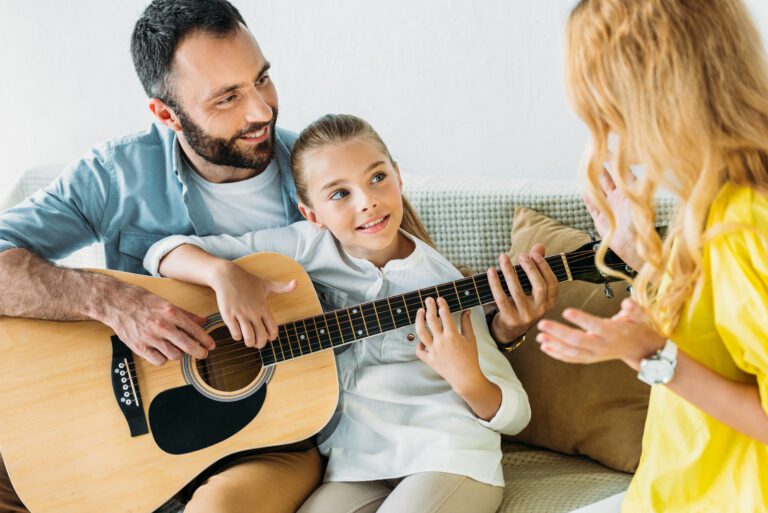
Music allows people to communicate emotions in powerful ways.
Students learn how to express happiness, excitement, peace, sadness, and hope through their performances.
As they become more comfortable expressing themselves musically, they also become more confident in everyday communication.
This often improves:
- Classroom participation
- Public speaking
- Presentations
- Conversations
- Leadership skills
Learning to express ideas confidently becomes much easier after developing confidence through music.
Music Helps Children Develop Independence
As students gain experience, they begin taking ownership of their learning.
They practice independently, solve musical problems, and set personal goals.
This independence is incredibly rewarding.
Children begin trusting their own abilities instead of relying entirely on others for guidance.
Knowing they can overcome challenges on their own builds confidence that extends far beyond music lessons.
Discipline Creates Confidence
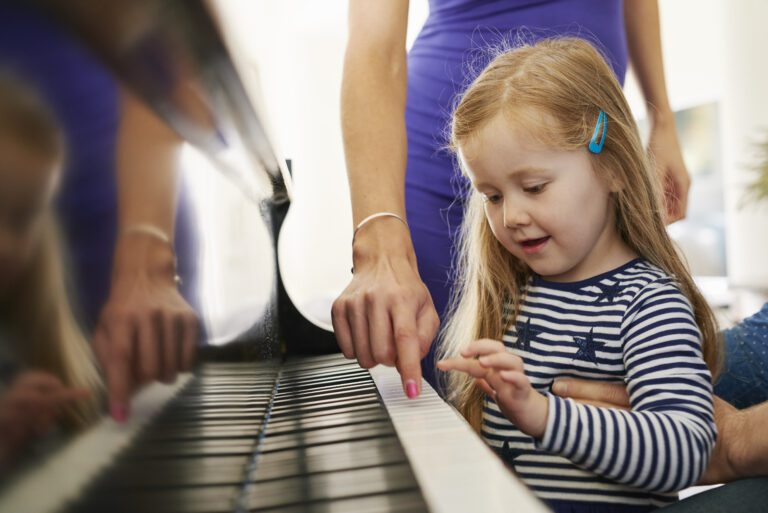
Confidence doesn’t only come from talent.
It also comes from preparation.
Music teaches students the importance of:
- Regular practice
- Time management
- Responsibility
- Commitment
- Self-discipline
When students know they have prepared well, they naturally feel more confident during lessons and performances.
These habits also help them succeed in academics, sports, and future careers.
Music Builds Social Confidence
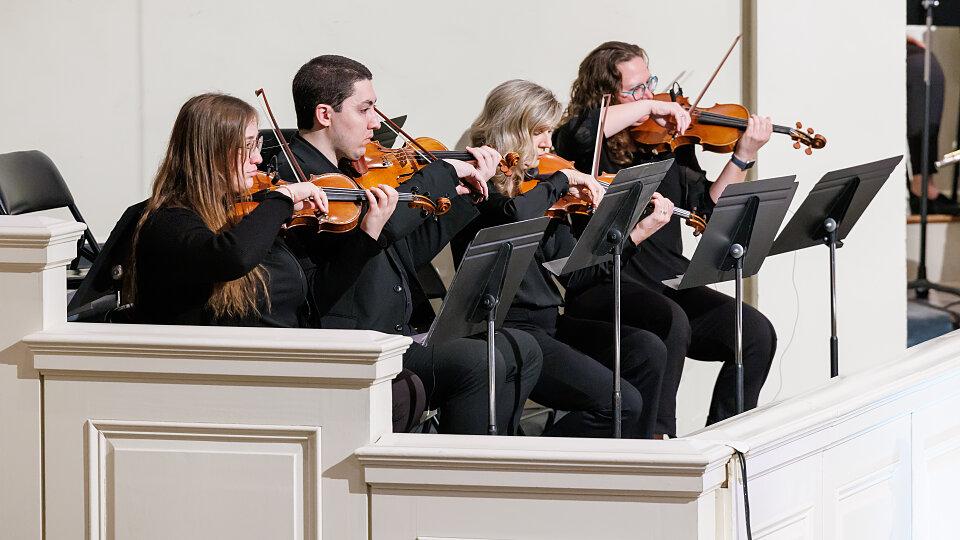
Many music programs include opportunities to perform or collaborate with others.
Students participate in:
- Group lessons
- Choirs
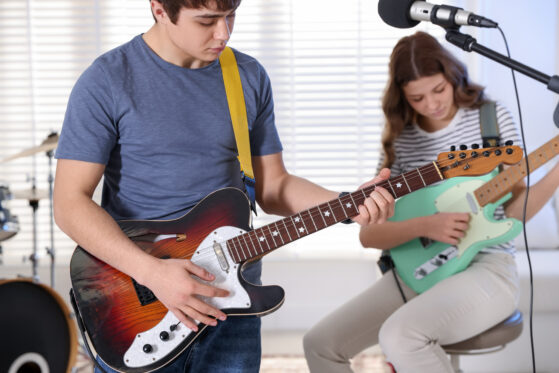
- Bands
- Ensembles
- Music workshops
Working together teaches cooperation, respect, listening, and teamwork.
Children who were once shy often become more comfortable interacting with classmates because music gives them a shared purpose.
Positive Feedback Motivates Students
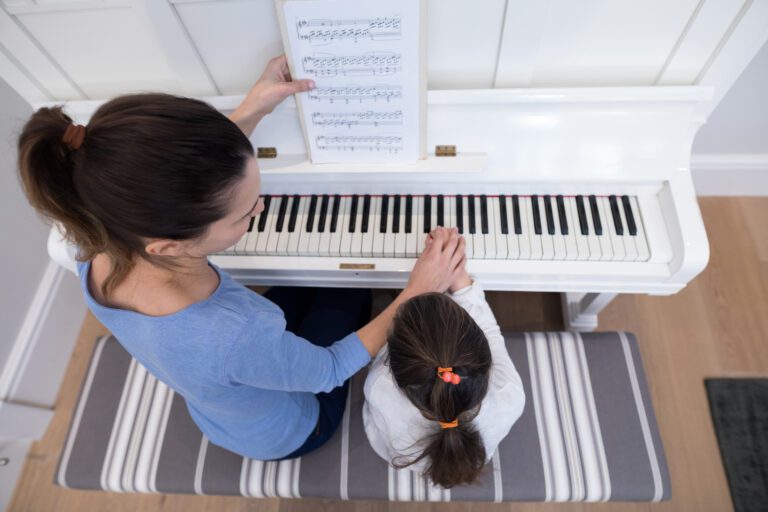
Encouragement plays an important role in building confidence.
A supportive teacher recognizes effort as much as achievement.
Simple words of encouragement such as “You’re improving” or “That sounded much better today” motivate students to continue learning.
Positive reinforcement helps students believe they are capable of succeeding.
Over time, they become less dependent on praise from others and begin recognizing their own progress.
Music Lessons Build Confidence in Teenagers
Teenage years often bring self-doubt and increased social pressure.
Music provides teenagers with a healthy environment where they can develop skills, express emotions, and discover their strengths.
Whether performing in front of an audience or mastering a challenging song, every achievement reinforces self-belief.
Music also gives teenagers a creative outlet that helps reduce stress while improving emotional well-being.
Adults Can Build Confidence Too
It’s never too late to learn music.
Many adults hesitate because they believe they’ve missed their opportunity.
However, music lessons prove that learning has no age limit.
Every new song learned, every chord mastered, and every performance completed reminds adults that they are still capable of learning, growing, and achieving new goals.
For many adult learners, music becomes one of the most rewarding confidence-building experiences of their lives.
Parents Play an Important Role
Parents have a significant influence on how children develop confidence through music.
Supporting a child’s musical journey doesn’t require musical knowledge.
Instead, parents can:
- Celebrate effort instead of perfection.
- Encourage regular practice.
- Attend performances.
- Create a positive learning environment.
- Avoid comparing children with others.
Simple encouragement helps children enjoy learning while building healthy confidence.
Choosing the Right Teacher Makes All the Difference
A good music teacher doesn’t simply teach songs.
They inspire confidence.
The best instructors create lessons that are:
- Encouraging
- Patient
- Structured
- Personalized
- Enjoyable
Students who feel supported are more willing to ask questions, try new techniques, and challenge themselves.
This positive learning environment allows confidence to grow naturally.
Confidence Beyond the Music Room
Perhaps the greatest benefit of learning music is that confidence extends into every area of life.
Students often become more confident when:
- Speaking in public
- Leading school projects
- Meeting new people
- Trying new activities
- Solving difficult problems
- Setting ambitious goals
Music teaches students that success comes through dedication, patience, and perseverance.
Those lessons remain valuable long after the music lesson ends.
Why Music Is a Lifelong Confidence Builder
Unlike temporary confidence boosts, music develops lasting self-belief.
Every lesson reinforces important qualities such as discipline, resilience, communication, creativity, and determination.
As students continue learning, they become more willing to embrace challenges and trust their own abilities.
Whether they continue music professionally or simply enjoy it as a lifelong hobby, the confidence gained through music continues to benefit them for years to come.
Conclusion
It’s easy to understand why music lessons build confidence in children, teenagers, and adults alike. Every lesson provides opportunities to overcome challenges, celebrate progress, and discover new strengths. Along the way, students develop resilience, discipline, communication skills, and the self-belief needed to succeed in many areas of life.
At The Mystic Keys, our personalized one-on-one online music lessons are designed to help students build not only exceptional musical skills but also the confidence to perform, express themselves, and achieve their goals. Whether you’re interested in piano, guitar, vocals, violin, drums, ukulele, or Indian classical music, our experienced instructors are here to support every step of your musical journey.
For more information and exciting resources about learning music, visit our website at The Mystic Keys. For more music content and exciting offers follow us on
Facebook, Instagram, YouTube, LinkedIn, Twitter, Pinterest, and Threads.