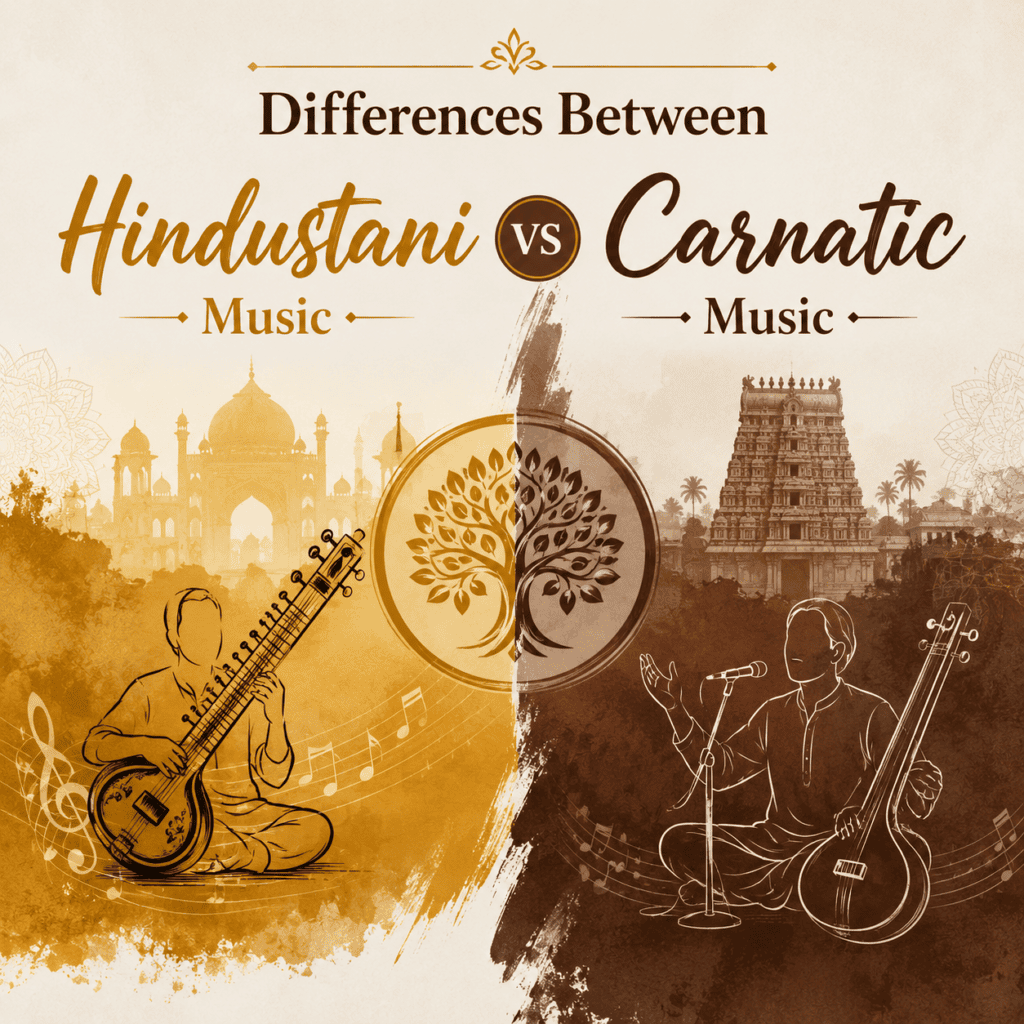
Differences Between Hindustani and Carnatic Music
Indian classical music is one of the world’s oldest and most respected musical traditions. While it shares a common foundation, it has evolved into two major systems: Hindustani music and Carnatic music. Many beginners are curious about the differences between Hindustani and Carnatic music before deciding which style to learn.
Although both traditions use ragas, talas, and classical techniques, they differ in history, presentation, improvisation, compositions, and performance style. Understanding these differences helps students appreciate the richness of Indian classical music while choosing the learning path that best suits their interests.
In this guide, we’ll explore the major distinctions between Hindustani and Carnatic music in a simple and beginner-friendly way.
Understanding the Differences Between Hindustani and Carnatic Music
The primary differences between Hindustani and Carnatic music lie in their evolution and regional influences.
Hindustani music developed in North India and was influenced by Persian and Mughal musical traditions over several centuries. Carnatic music, on the other hand, evolved mainly in South India and has preserved many traditional elements of ancient Indian classical music.
Despite these differences, both systems are deeply rooted in Indian musical heritage.
Origins of Hindustani and Carnatic Music
The two traditions share common origins in ancient Indian music but gradually developed into separate systems.
Hindustani Music
Hindustani music flourished in North India under royal patronage. Over time, Persian influences introduced new styles, instruments, and performance techniques.
Carnatic Music
Carnatic music developed primarily in South India and remained closely connected to devotional traditions. Many famous compositions are dedicated to Hindu deities and continue to be performed today.
These historical developments explain many of the differences between Hindustani and Carnatic music seen today.
Differences Between Hindustani and Carnatic Music in Performance Style
One of the most noticeable differences is the overall style of performance.
Hindustani Music
Performances often begin with a slow, meditative introduction known as the Alap. The music gradually develops before moving into rhythmic compositions.
The emphasis is on exploring the mood of the raga with great freedom.
Carnatic Music
Carnatic performances usually follow a structured format. Singers move through carefully organized compositions while incorporating improvisation at specific points.
The performances tend to be faster, more intricate, and rhythmically complex.
Ragas in Hindustani and Carnatic Music
Both traditions are built around ragas, but they approach them differently.
In Hindustani music, a single raga may be explored extensively over a long period through improvisation.
In Carnatic music, ragas are expressed through structured compositions along with improvisational sections such as alapana, neraval, and kalpana swaras.
These approaches highlight important differences between Hindustani and Carnatic music while showcasing the beauty of each tradition.
Tala Systems in Both Traditions
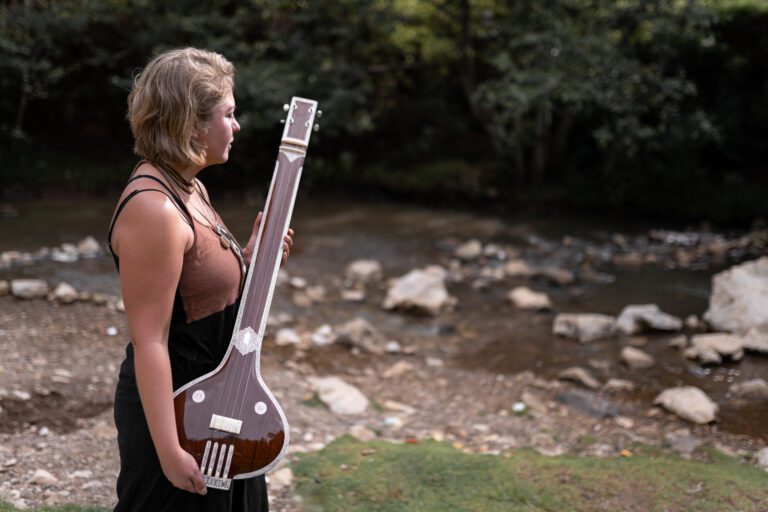
Rhythm plays an essential role in both systems.
Hindustani Music
Popular talas include:
- Teentaal
- Ektaal
- Jhaptaal
- Rupak
Carnatic Music
Common talas include:
- Adi Tala
- Rupaka Tala
- Misra Chapu
- Khanda Chapu
Carnatic rhythm often involves greater mathematical complexity and intricate rhythmic calculations.
Improvisation Creates Unique Musical Experiences
Improvisation is important in both styles but differs significantly.
Hindustani Improvisation
The performer spends considerable time gradually unfolding the raga through slow melodic exploration.
This creates a calm and immersive musical experience.
Carnatic Improvisation
Carnatic musicians improvise using techniques such as:
- Raga Alapana
- Neraval
- Kalpana Swaras
- Ragam Tanam Pallavi
These sections demonstrate both creativity and technical mastery.
Differences Between Hindustani and Carnatic Music Instruments
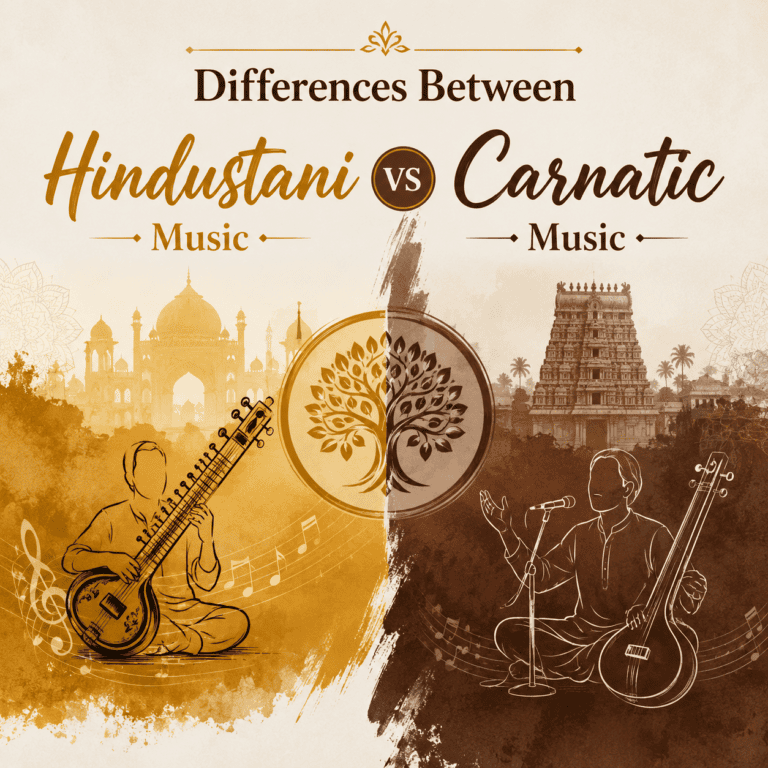
Both traditions use unique instruments alongside some shared ones.
Hindustani Instruments
- Sitar
- Sarod
- Bansuri
- Santoor
- Tabla
- Harmonium
Carnatic Instruments
- Veena
- Violin
- Mridangam
- Ghatam
- Kanjira
- Morsing
Although the violin is widely used in Carnatic music today, its playing style differs considerably from Western violin performance.
Vocal Style in Hindustani and Carnatic Music
Vocal techniques also distinguish the two traditions.
Hindustani singing emphasizes long, flowing phrases with gradual ornamentation.
Carnatic singing often features faster note patterns, intricate gamakas, and highly detailed compositions.
Both styles demand excellent breath control, pitch accuracy, and years of dedicated practice.
Famous Composers
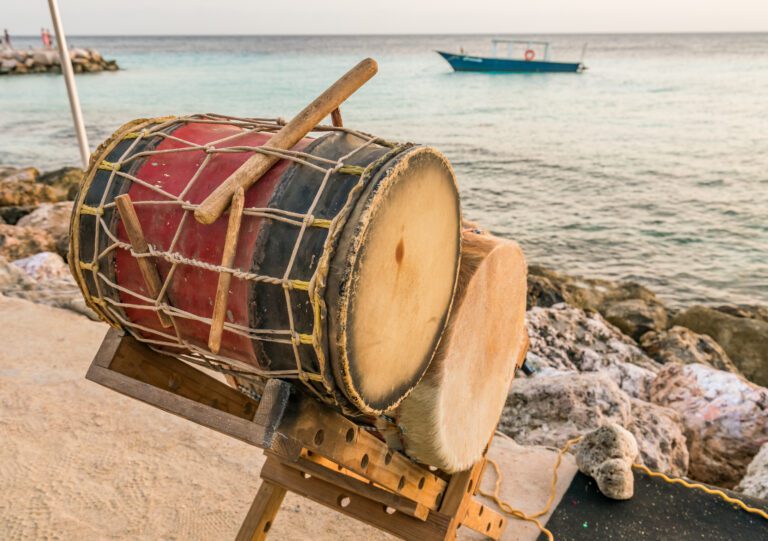
Several legendary composers shaped these traditions.
Hindustani Music
- Tansen
- Amir Khusrau (historically influential)
- Bade Ghulam Ali Khan
- Bhimsen Joshi
Carnatic Music
- Saint Tyagaraja
- Muthuswami Dikshitar
- Syama Sastri
- Purandara Dasa
Their compositions continue to inspire students and professional musicians around the world.
Which Style Is Easier for Beginners?
There is no single answer.
Some students find Hindustani music easier because of its gradual melodic development.
Others enjoy the structured learning path offered by Carnatic music.
The best choice depends on:
- Musical interests
- Learning goals
- Preferred teaching style
- Regional traditions
- Personal inspiration
Many students even choose to study both traditions over time.
Similarities Between Hindustani and Carnatic Music
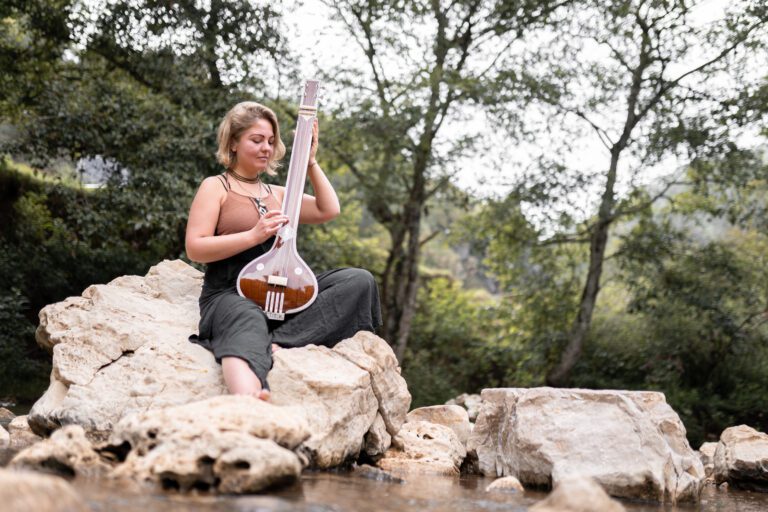
While understanding the differences between Hindustani and Carnatic music is important, it is equally valuable to recognize what they share.
Both traditions:
- Use ragas and talas
- Require disciplined practice
- Emphasize improvisation
- Develop vocal technique
- Preserve India’s rich musical heritage
- Encourage lifelong learning
These shared principles unite Indian classical music despite stylistic differences.
Choosing the Right Classical Music Journey
When selecting a learning path, students should consider their interests rather than popularity.
If you enjoy expressive, expansive improvisation and gradual melodic development, Hindustani music may appeal to you.
If you prefer structured compositions, rhythmic complexity, and intricate melodic patterns, Carnatic music could be an excellent choice.
Trying introductory lessons in both styles can also help you decide which tradition resonates with you.
Conclusion
Understanding the differences between Hindustani and Carnatic music helps beginners appreciate the beauty and diversity of Indian classical music. Although the two traditions differ in performance style, improvisation, rhythm, compositions, and historical development, both offer rewarding musical journeys filled with creativity and lifelong learning.
Whether you choose Hindustani music or Carnatic music, consistent practice and expert guidance are the keys to success. Each tradition provides a strong musical foundation, deep cultural heritage, and endless opportunities for artistic growth.
At The Mystic Keys, students can learn Indian classical music through personalized online lessons guided by experienced instructors who help build strong musical skills in a supportive and structured learning environment.
For more information and exciting resources about learning music, visit our website at The Mystic Keys. For more music content and exciting offers follow us on
Facebook, Instagram, YouTube, LinkedIn, Twitter, Pinterest, and Threads.