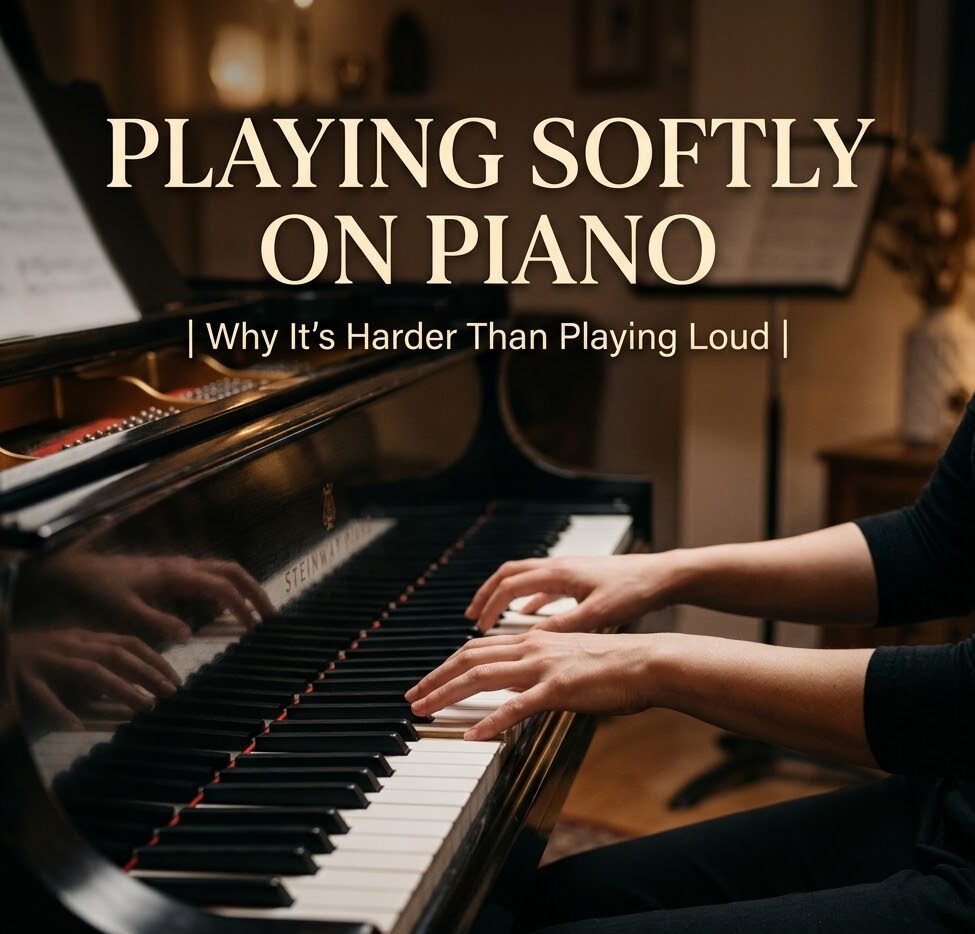
Playing Softly on Piano | Why It's Harder Than Playing Loud
Many beginner pianists assume that playing softly is easier than playing loudly. After all, pressing the keys with less force seems like it should require less effort. Yet, as students progress in their musical journey, they often discover the opposite. Playing Softly on Piano is a skill that demands remarkable control, precision, and musical awareness. Producing a beautiful, controlled soft sound can be one of the most challenging aspects of piano playing, even for experienced musicians.
Professional pianists spend years refining their touch, learning how to create delicate tones that remain expressive and clear. While loud playing can be achieved by simply applying more energy, soft playing demands precision, control, and deep musical awareness. It is not merely about reducing volume; it is about maintaining quality, emotion, and consistency at lower dynamics.
Understanding why soft playing is difficult can help pianists approach practice more effectively and develop a more refined musical voice.
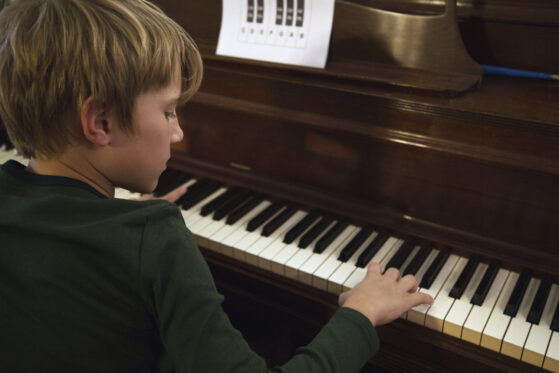
Playing Softly on Piano vs. Simply Playing Quietly
At first glance, the two concepts may seem identical. However, there is an important distinction between playing quietly and playing softly.
Playing quietly often means reducing the volume without much thought to tone quality. The result may sound weak, hesitant, or uneven. Playing softly, on the other hand, involves intentionally producing a gentle sound while preserving clarity, beauty, and expression.
Listeners can immediately hear the difference. A well-executed soft passage feels controlled and purposeful. Every note remains present, even at a low volume. Rather than disappearing into silence, the music continues to communicate emotion and meaning.
This level of control requires a pianist to carefully manage every movement of the fingers, hands, and arms.
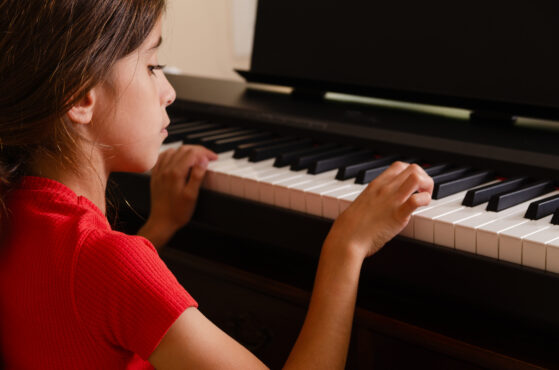
Why Loud Playing Feels Easier
When a pianist wants to play louder, the solution appears straightforward. More weight, greater key speed, and increased energy naturally create a stronger sound. Minor inconsistencies are often less noticeable because the overall volume masks small imperfections.
Furthermore, the physical sensation of loud playing can feel more natural. Larger movements provide clear feedback to the body, making it easier to judge the amount of force being used.
Soft playing removes this margin for error. Every tiny movement becomes significant. Slight differences in finger pressure can cause notes to sound uneven, and any lack of control becomes immediately apparent.
As a result, passages that seem simple at a moderate volume may become surprisingly difficult when played softly.
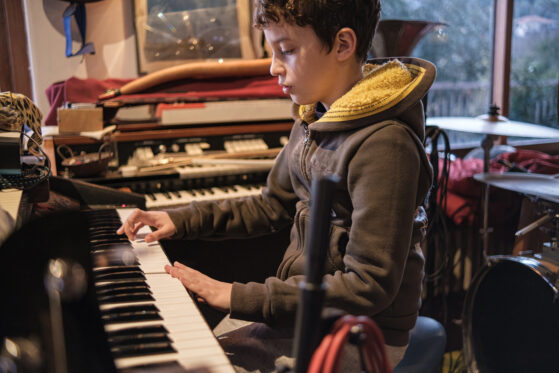
The Finger Control Required for Playing Softly on Piano
One of the primary reasons soft playing is difficult lies in the level of finger control required.
At lower dynamics, pianists cannot rely on force to produce a satisfying sound. Instead, they must develop the ability to control the exact speed at which each key is pressed. Even a small variation can dramatically affect the tone and volume of a note.
Consider a passage consisting of several repeated notes. When played loudly, slight differences may go unnoticed. When played softly, however, unevenness becomes obvious. Some notes may suddenly stand out while others disappear.
Developing consistent finger control takes patience and careful practice. Over time, students learn how to guide the keys with precision rather than simply striking them.

The Importance of Listening More Carefully
Soft playing demands heightened listening skills.
Many pianists focus heavily on the physical aspect of playing, paying attention to finger placement and technique. Yet successful soft playing depends equally on the ability to hear subtle differences in sound.
Every note must be evaluated for its volume, tone, and balance. The pianist must constantly adjust to ensure that melodies remain clear and accompanying voices do not overpower them.
Because the sound is quieter, imperfections become easier to detect. A note played slightly too loudly can disrupt an entire phrase. Likewise, inconsistent balance between the hands can alter the musical character of a passage.
For this reason, experienced pianists often describe soft playing as an exercise in active listening. The ears become just as important as the fingers.
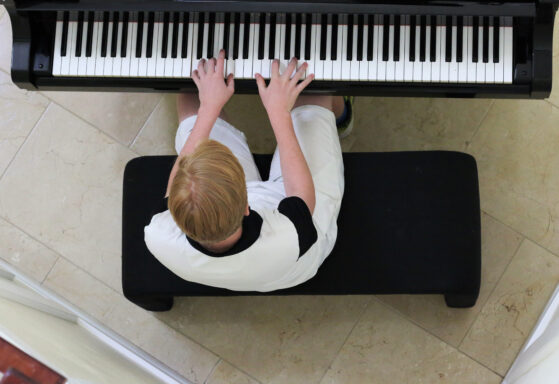
Maintaining Musical Expression at Low Volumes
Another common challenge involves preserving expression while playing softly.
Many students associate emotion with dramatic dynamics and powerful sound. Consequently, when they attempt to play quietly, the music can become flat or lifeless. The focus shifts entirely to reducing volume, causing phrasing and musical shape to disappear.
True soft playing is still expressive. A gentle melody can convey tenderness, intimacy, sadness, or reflection. These emotions emerge through careful shaping of phrases, subtle changes in tone, and thoughtful timing.
Instead of relying on volume alone, pianists learn to communicate through nuance. This ability often distinguishes advanced musicians from beginners.
As audiences listen, they are drawn into the performance not because the music is loud, but because it remains emotionally compelling even at its quietest moments.
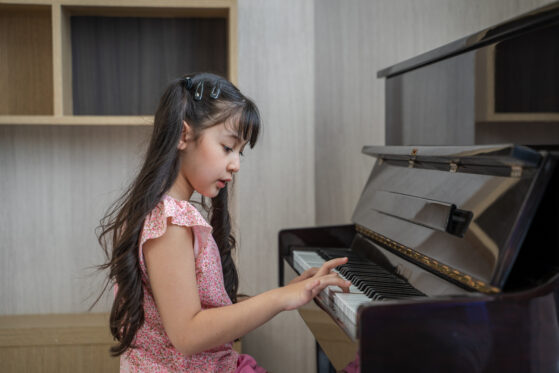
The Role of Relaxation When Playing Softly on Piano
Many players unintentionally create tension when trying to play softly.
The desire to control every movement can lead to stiff fingers, rigid wrists, and tight shoulders. Ironically, this tension often makes soft playing more difficult. The resulting sound may become uneven, harsh, or disconnected.
Relaxation allows the body to move naturally while maintaining control. A flexible hand and arm help produce a smoother tone and greater consistency.
Achieving this balance requires awareness. Too much tension restricts movement, while too little control can cause inaccuracies. Skilled pianists learn to combine relaxation with precision, creating a sound that feels effortless yet intentional.
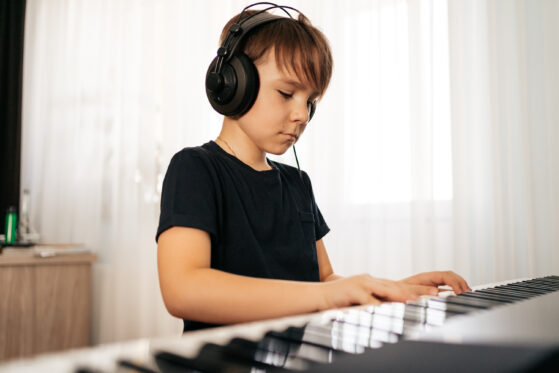
Why Playing Softly on Piano Reveals Technical Weaknesses
Soft dynamics often act as a magnifying glass for piano technique.
Weak fingers, uneven touch, poor hand coordination, and inconsistent rhythm become far more noticeable when the volume is reduced. During louder passages, these issues may remain hidden. Once the music becomes delicate, every flaw is exposed.
This reality explains why many teachers encourage students to practice pieces softly. The process reveals areas that need improvement and encourages greater technical discipline.
Although challenging, this type of practice can significantly accelerate musical growth. Students begin to develop a deeper understanding of touch, balance, and control.
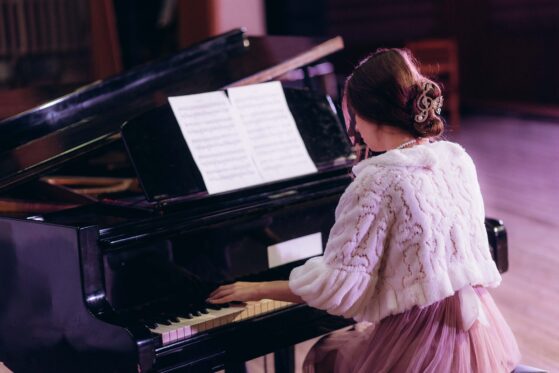
Learning from the Great Composers
Many of the most beautiful moments in piano literature occur at soft dynamic levels.
Composers such as Frédéric Chopin, Claude Debussy, and Ludwig van Beethoven frequently used delicate passages to create atmosphere, emotion, and contrast.
These sections are often among the most memorable parts of their works. A whispering melody can sometimes leave a stronger impression than a thunderous climax.
Studying such music teaches pianists that softness is not a limitation. Instead, it is a powerful artistic tool capable of expressing profound emotion.

Practical Tips for Improving Your Ability to Play Softly on Piano
Improving soft playing requires consistent and mindful practice. Slow practice can be particularly beneficial because it allows greater attention to touch and tone quality. Recording practice sessions also helps identify uneven notes that may go unnoticed while playing.
Another effective approach involves practicing scales and simple exercises at very low dynamic levels. This develops control without the added complexity of challenging repertoire. Equally important is learning to listen carefully to every note and maintaining relaxation throughout the process.
Progress may seem gradual at first, but the benefits become evident over time. Increased control at soft dynamics often improves overall piano technique as well.
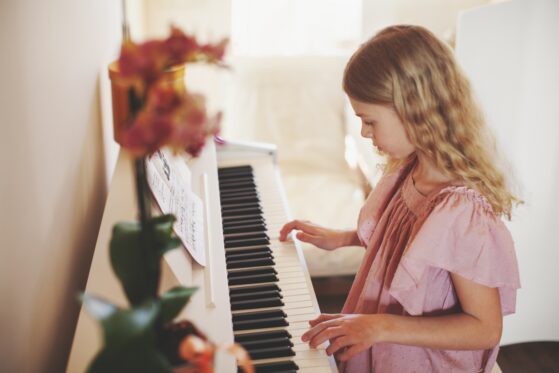
Mastering the Art of Playing Softly on Piano
Playing softly on the piano is far more complex than simply reducing volume. It requires refined finger control, careful listening, physical relaxation, and a deep understanding of musical expression. While loud playing relies heavily on energy, soft playing depends on precision and subtlety.
For many pianists, mastering soft dynamics becomes one of the most rewarding aspects of musical development. The ability to create a beautiful, expressive sound at the quietest levels demonstrates true control over the instrument. Through consistent practice and guidance, students can gradually develop the touch and sensitivity needed to bring these delicate musical moments to life.
At The Mystic Keys, students are encouraged to explore every aspect of piano playing, including the art of creating expressive soft dynamics. Such skills not only enhance technical ability but also deepen musical understanding.
Ultimately, the softest notes often reveal the greatest artistry. When a pianist can captivate an audience without relying on volume, they have discovered one of the piano’s most powerful forms of expression. Whether learning in person or through Piano Lessons Online, developing this level of control can transform the way music is performed and experienced.
For more information and exciting resources about learning music, visit our website at The Mystic Keys. For more music content and exciting offers follow us on
Facebook, Instagram, YouTube, LinkedIn, Twitter, Pinterest, and Threads.