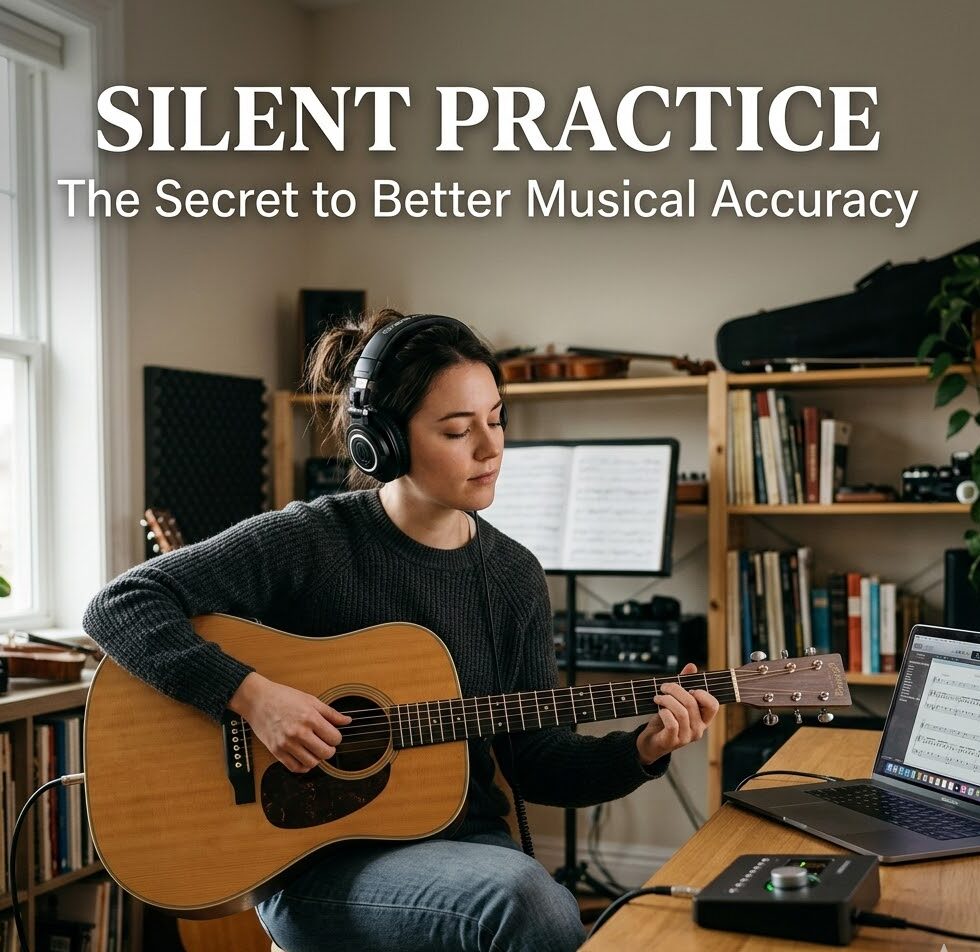
Silent Practice | The Secret to Better Musical Accuracy
Silent Practice | The Secret to Better Musical Accuracy
Every musician dreams of playing with confidence, precision, and consistency. Whether performing on stage, leading worship, recording in a studio, or simply practicing at home, accuracy remains one of the most valuable musical skills. Yet many musicians spend most of their practice time focused on speed, volume, or repetition while overlooking a surprisingly powerful technique that can dramatically improve their playing: silent practice.
At first glance, practicing without producing sound may seem counterintuitive. After all, music is meant to be heard. However, some of the most effective improvements in timing, coordination, note accuracy, and muscle control often happen when musicians temporarily remove sound from the equation. Silent practice encourages the brain and body to work together more intentionally, helping players identify weaknesses that might otherwise go unnoticed.
As a result, musicians who regularly incorporate silent practice into their routine often discover that their performances become cleaner, more controlled, and far more reliable.
Why Accuracy Matters More Than Speed in Silent Practice
Many students naturally associate progress with playing faster. While speed can be impressive, it is accuracy that forms the foundation of excellent musicianship. A fast performance filled with missed notes, uneven rhythm, and inconsistent dynamics rarely sounds polished.
Accuracy affects every aspect of musical performance. It influences timing, articulation, finger placement, coordination, and expression. Without a strong foundation of precision, even advanced pieces can sound unstable.
Because of this, experienced teachers frequently encourage students to slow down and focus on control before attempting to increase tempo. Silent practice supports this process by removing distractions and forcing musicians to pay closer attention to every movement they make.
Understanding Silent Practice
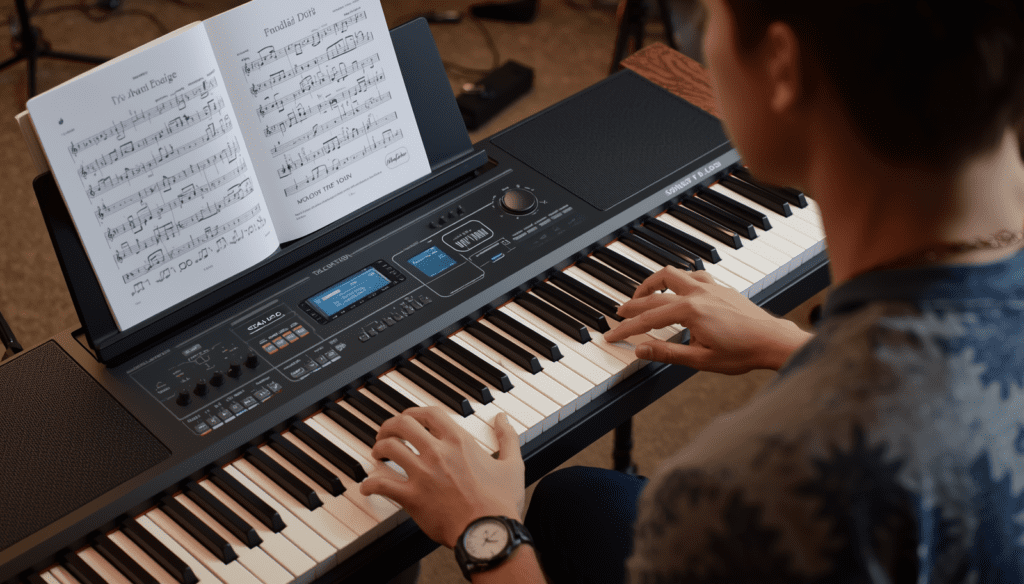
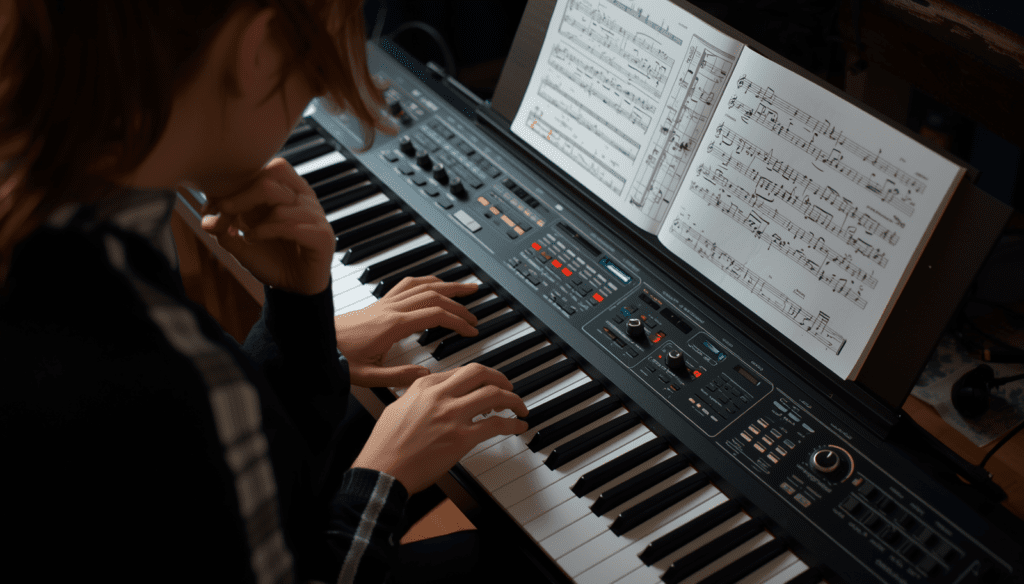
Silent practice involves rehearsing musical passages without producing their normal sound. For pianists, this may mean lightly pressing keys without fully depressing them or mentally practicing away from the instrument. Guitarists can work through finger placements and chord transitions without strumming. Vocalists may silently visualize phrasing, breathing patterns, and lyric delivery.
The purpose is not to replace traditional practice. Instead, silent practice acts as a complementary method that strengthens awareness and precision.
When sound is removed, the mind becomes more attentive to physical movements. Finger positioning, hand coordination, posture, and transitions suddenly become easier to observe. Musicians begin noticing small inefficiencies that are often hidden when attention is focused entirely on the sound being produced.
Consequently, silent practice helps transform unconscious habits into deliberate actions.

How Silent Practice Improves Muscle Memory
Every musical skill depends on muscle memory. Repeated movements gradually become automatic, allowing performers to focus on interpretation rather than mechanics. The challenge, however, is that repetition alone does not guarantee improvement. Incorrect movements repeated many times simply create stronger mistakes.
Silent practice slows the learning process enough for musicians to carefully examine each motion before it becomes ingrained. Rather than rushing through a piece, players can concentrate on executing every movement correctly.
This deliberate approach allows the brain to establish cleaner neural pathways. Over time, those accurate patterns become natural and dependable during actual performance.
Furthermore, silent repetition often reduces the tension that accompanies fast playing. Since there is less pressure to produce immediate musical results, musicians can focus on relaxed and efficient movements that support long-term development.
Developing Better Rhythmic Control
One of the most overlooked benefits of silent practice is its impact on rhythm. Many performance mistakes originate not from wrong notes but from inconsistent timing.
Without relying on sound, musicians must internally maintain the pulse of the music. This strengthens rhythmic awareness and develops a stronger sense of internal timing.
Imagine working through a difficult passage while counting every beat mentally. Each movement must align with the intended rhythm even though no sound confirms success. Such practice challenges the brain to become the primary source of timing rather than depending solely on auditory feedback.
As internal rhythm becomes stronger, performances often become more stable and confident. Players are less likely to rush through difficult sections or slow down unexpectedly during challenging passages.
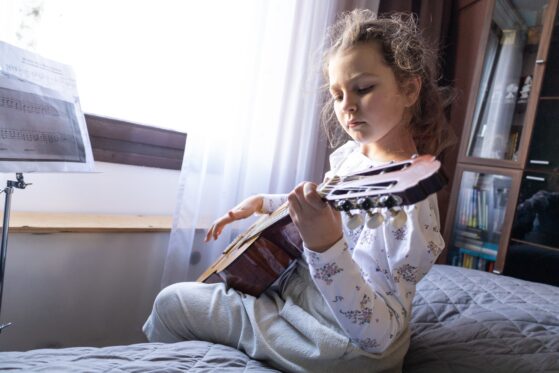
Silent Practice for Stronger Mental Focus
Modern musicians face countless distractions during practice sessions. Phones, notifications, background noise, and wandering thoughts can easily interrupt concentration.
Silent practice creates an environment that naturally encourages deeper focus. Since there is no sound to evaluate, attention shifts toward observation and awareness. Every movement becomes intentional.
This heightened concentration trains musicians to remain mentally engaged for longer periods. Instead of simply playing through pieces repeatedly, they learn to think actively about technique, rhythm, phrasing, and coordination.
Over time, this ability to maintain focus becomes valuable during performances, rehearsals, and recordings where sustained concentration is essential.

Revealing Hidden Technical Weaknesses
Many technical issues remain concealed when musicians practice at full volume or performance tempo. Sound can sometimes mask inefficient movements, poor finger preparation, or uneven coordination.
Silent practice exposes these weaknesses in a surprisingly effective way.
When a pianist silently moves through a passage, for example, every finger movement becomes visible. Delayed finger preparation, unnecessary hand motion, and awkward transitions are much easier to identify. Similar benefits apply to guitarists working on chord changes or drummers refining stick movements.
Once these weaknesses become visible, they can be corrected before they develop into larger problems. This process ultimately leads to cleaner and more efficient technique.
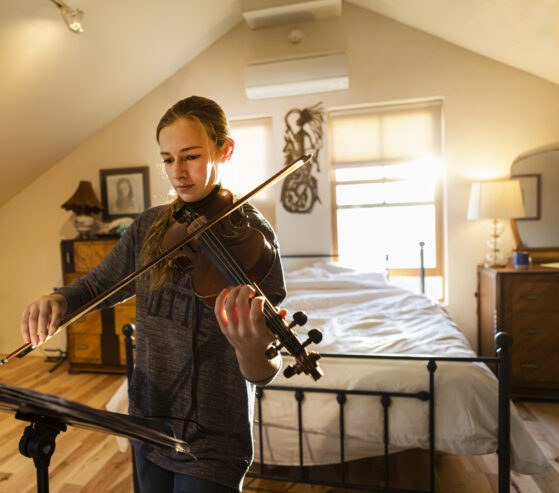
The Role of Mental Practice in Silent Practice
Silent practice is not limited to physical movement. Mental rehearsal can be equally powerful.
Research in sports and performance psychology has repeatedly shown that visualization activates many of the same neural pathways used during physical execution. Musicians can benefit from this principle by mentally rehearsing pieces away from their instruments.
A performer might visualize every note, finger movement, dynamic change, and phrase while sitting quietly. The brain effectively practices the performance even though no physical sound is produced.
Because of this, mental practice becomes especially useful during travel, breaks, or situations where access to an instrument is limited. Many professional musicians use visualization techniques to reinforce difficult passages and prepare for important performances.
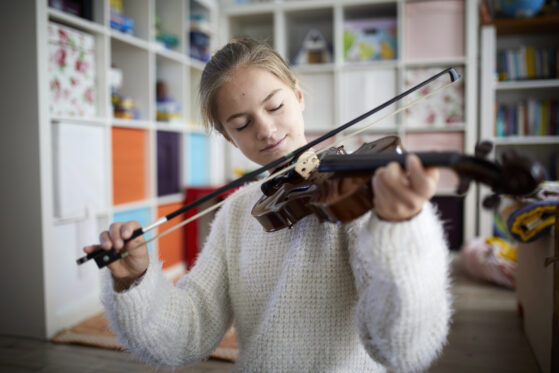
Why Professionals Use Silent Practice
Silent practice is not merely a beginner’s exercise. Advanced musicians frequently use it to refine complex passages and improve consistency.
Professional performers understand that accuracy depends on awareness. Whenever a difficult section feels unreliable, slowing down and practicing silently often reveals the source of the problem.
In addition, silent practice helps prevent mindless repetition. Rather than playing a challenging section dozens of times without improvement, musicians can carefully analyze each movement and make meaningful adjustments.
This deliberate approach often produces faster progress than simply increasing the number of repetitions.
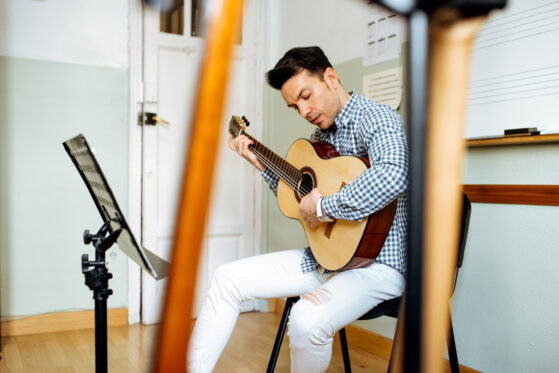
Incorporating Silent Practice Into Your Daily Routine
Adding silent practice to a practice session does not require major changes. Even five to ten minutes can produce noticeable benefits over time.
A useful strategy is to begin with silent work before playing normally. Spend a few minutes focusing on finger movements, transitions, rhythm, and posture. Afterward, perform the same passage with sound and compare the results.
Another effective approach involves alternating between silent and audible practice. Difficult sections can be rehearsed silently to build accuracy and then played normally to reinforce musical expression.
Consistency matters more than duration. Small amounts of focused silent practice performed regularly often yield better results than occasional long sessions.
Final Thoughts
Musical growth is not always about practicing more. Often, it is about practicing smarter. Silent practice offers a unique opportunity to slow down, observe carefully, and build the precision that every musician needs.
By improving muscle memory, strengthening rhythmic control, increasing concentration, and revealing technical weaknesses, silent practice lays the groundwork for more accurate and confident performances. Although it may seem simple, this often-overlooked technique can become one of the most powerful tools in a musician’s development.
The next time a challenging passage refuses to cooperate, resist the temptation to play it louder or faster. Instead, try removing the sound altogether. You may discover that silence holds the key to greater musical accuracy. At The Mystic Keys, we encourage musicians to explore thoughtful practice techniques that build both confidence and long-term musical excellence.
For more information and exciting resources about learning music, visit our website at The Mystic Keys. For more music content and exciting offers follow us on
Facebook, Instagram, YouTube, LinkedIn, Twitter, Pinterest, and Threads.