


How Worship Teams Can Rehearse More Efficiently
Introduction
An effective worship service begins long before the musicians step onto the stage. Behind every well-coordinated worship performance is a team that understands its responsibilities, communicates clearly, and prepares together. However, worship team rehearsals can sometimes become unnecessarily long or unproductive when musicians arrive unprepared, song arrangements are unclear, or too much time is spent correcting individual mistakes.
Learning how to rehearse more efficiently can help worship teams make better use of their time while improving musical quality and teamwork. The goal is not simply to finish rehearsals faster but to ensure that every practice session has a clear purpose and contributes to a more meaningful worship experience.
Whether you are a worship leader, vocalist, instrumentalist, or music director, developing an organised rehearsal routine can make a significant difference.
In this guide, we explore practical ways worship teams can improve rehearsal efficiency, strengthen communication, and prepare for smoother worship performances.
1. Why Efficient Worship Team Rehearsals Matter
Worship team rehearsals are essential for preparing musicians and singers to perform together. They provide an opportunity to understand song arrangements, coordinate transitions, practise harmonies, and develop a unified musical sound.
However, rehearsals are most effective when everyone understands what needs to be accomplished.
Efficient worship team rehearsals offer several benefits:
Better time management: Musicians spend less time figuring out arrangements during practice.
Improved coordination: Singers and instrumentalists become more familiar with their individual roles.
Stronger musical performance: Consistent preparation improves timing, rhythm, dynamics, and transitions.
Greater confidence: Team members feel more comfortable when they understand the songs and arrangements.
Reduced stress: A clear rehearsal structure prevents last-minute confusion.
Better teamwork: Musicians learn to listen to one another and work towards a shared musical goal.
An organised rehearsal also allows worship teams to focus on the purpose of the music rather than becoming distracted by avoidable technical problems.
2. Plan Worship Team Rehearsals in Advance
One of the simplest ways to improve rehearsal efficiency is to plan everything before the team meets.
Without a clear plan, musicians may spend valuable time deciding which songs to practise, discussing arrangements, or searching for the correct versions of tracks.
A little preparation can prevent these interruptions.
Create a Rehearsal Schedule
The worship leader or music director should prepare a schedule outlining the songs and sections that need attention.
A simple rehearsal plan might include:
Opening prayer and team briefing.
Reviewing the song list.
Practising individual songs.
Working on difficult musical sections.
Rehearsing transitions between songs.
Running through the complete set.
Final feedback and announcements.
Having a schedule helps everyone understand how the rehearsal will progress.
Share the Song List Early
Send the song list to all team members several days before rehearsal whenever possible.
Include important details such as:
Song titles and original artists.
Keys and tempos.
Reference recordings.
Chord charts or sheet music.
Special instructions about introductions, endings, and transitions.
When musicians receive this information in advance, they can practise independently and arrive better prepared.
3. Encourage Individual Preparation Before Worship Team Rehearsals
A group rehearsal should not be the first time musicians become familiar with the songs.
Every team member has a responsibility to prepare their part before coming together.
Individual preparation allows the group to spend more time improving the overall performance instead of learning basic notes and rhythms together.
Preparation for Worship Instrumentalists
Instrumentalists should understand their musical responsibilities before rehearsal.
Pianists and keyboard players should practise chord progressions, introductions, transitions, and accompaniment patterns. They should also understand when to support the melody and when to create space for vocals.
Guitarists should review chord shapes, strumming patterns, picking techniques, and rhythmic variations. Worship guitarists should also understand how to use effects such as delay and reverb without overcrowding the arrangement.
Drummers should practise the grooves, fills, tempo changes, and dynamic variations required for each song. They should pay attention to how their playing supports the overall energy of the worship team.
Bass players should become familiar with the chord progression and practise creating a steady rhythmic foundation that works with the drums and other instruments.
Preparation for Worship Vocalists
Vocalists should practise their melodies, harmonies, lyrics, and breathing techniques before rehearsals.
They should also understand:
Which sections require lead vocals.
Where backing vocals enter.
When harmonies change.
Which lines require stronger or softer delivery.
Where to pause or allow instrumental sections.
Individual preparation makes group vocal rehearsals more productive and helps singers blend more naturally.
4. Use a Clear Structure During Worship Team Rehearsals
An organised rehearsal should have a beginning, middle, and end.
Instead of jumping randomly between songs or repeatedly practising the same sections, follow a structure that addresses the team’s most important needs.
Start With a Brief Team Discussion
Begin with a short discussion about the worship set.
The worship leader can explain the purpose of the song selection, identify challenging sections, and communicate any changes to the arrangements.
This ensures that everyone is working towards the same musical direction.
Practise the Most Difficult Sections First
Not every part of a song requires the same amount of attention.
Some sections may already sound polished, while others may need additional work.
Focus on challenging areas such as:
Unfamiliar chord progressions.
Vocal harmonies.
Instrumental introductions.
Sudden dynamic changes.
Transitions between songs.
Addressing difficult sections early prevents them from becoming a source of confusion later.
Finish With a Complete Run-Through
Once individual sections have been practised, perform the entire worship set without unnecessary interruptions.
This helps the team understand how the songs connect and whether the overall arrangement feels consistent.
5. Improve Communication Between Worship Team Rehearsals
Communication is one of the most important elements of successful worship team rehearsals.
Even talented musicians can struggle when they do not understand the leader’s instructions or know when musical changes are happening.
Clear communication helps everyone remain coordinated.
Establish Simple Musical Cues
Worship leaders and music directors should use consistent cues to communicate changes.
These may include:
Hand signals for starting or stopping.
Visual cues for repeating a chorus.
Signals for dynamic changes.
Clear instructions for instrumental breaks.
Cues for transitioning into the next song.
Eye contact to communicate important musical moments.
When the entire team understands these signals, performances become smoother and more controlled.
Encourage Open Communication
Team members should feel comfortable asking questions when something is unclear.
For example, a guitarist might need clarification about a chord change, while a vocalist may need to confirm the harmony arrangement.
Addressing these questions during rehearsal prevents mistakes during the actual service.
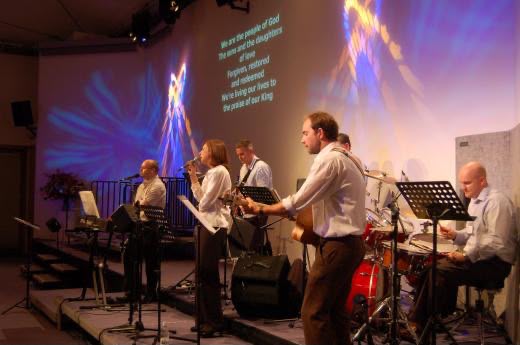
6. Practise Song Transitions and Arrangements of Worship Team Rehearsals
A worship set is more than a collection of individual songs. The way one song moves into another can influence the overall flow of the service.
Poorly planned transitions may create awkward pauses, unexpected changes in tempo, or confusion among musicians.
Plan Transitions Between Songs
Decide in advance how each song will connect to the next.
Consider:
Whether the next song begins immediately.
Whether a keyboard or guitar will provide an instrumental transition.
Whether the tempo changes.
Whether the next song requires a different musical key.
Whether the worship leader will speak between songs.
Practising these details helps the team avoid unnecessary interruptions.
Pay Attention to Dynamics
Dynamics play an important role in worship music.
A song may begin softly, gradually build in intensity, and finish with a powerful chorus. Every musician should understand how their part contributes to these changes.
For example:
Keyboard players can use sustained chords to create atmosphere.
Guitarists can introduce rhythmic patterns gradually.
Drummers can build energy through controlled percussion.
Bass players can maintain a steady foundation.
Vocalists can adjust their delivery to match the musical intensity.
The objective is to create a balanced arrangement in which every instrument supports the song.
7. Use Technology to Make Worship Team Rehearsals More Efficient
Technology can simplify preparation and help worship teams stay organised.
Instead of relying entirely on verbal instructions or handwritten notes, teams can use digital tools to share arrangements, recordings, and rehearsal information.
Share Digital Song Resources
Create a shared folder containing:
Song recordings.
Chord charts.
Sheet music.
Lyrics.
Vocal harmony guides.
Rehearsal recordings.
This allows team members to access the required material whenever they need it.
Use Metronomes and Recording Tools
A metronome can help musicians practise songs at the correct tempo and improve rhythmic consistency.
Recording rehearsals can also be useful. Team members can listen to their performances afterwards and identify areas that need improvement.
For example, a vocalist may notice that their harmony is too prominent, while a drummer may recognise that certain fills are disrupting the song’s flow.
Consider Worship Planning Applications
Digital worship planning tools can help teams organise song lists, share arrangements, manage schedules, and communicate updates.
The most useful tool is one that makes preparation easier rather than adding unnecessary complexity.
8. Focus on Listening and Musical Balance for Worship Team Rehearsals
A common challenge during worship rehearsals is that musicians concentrate too much on playing their own parts.
However, effective ensemble playing requires listening to everyone else.
Every instrument and vocal part contributes to the overall sound.
Avoid Overplaying
Musicians should understand that more notes do not necessarily create a better arrangement.
For example, a pianist does not need to play continuously when the vocalist is delivering an important line. Similarly, a guitarist should avoid filling every available space with additional riffs.
Leaving musical space can make a worship arrangement sound more expressive and balanced.
Develop Better Ensemble Awareness
Encourage team members to listen carefully to:
The lead vocalist.
Backing vocal harmonies.
The rhythm section.
Instrumental melodies.
Changes in dynamics.
The overall sound of the group.
This helps musicians understand when to lead, when to support, and when to remain quiet.
9. Make Vocal Harmony Practice a Priority for Worship Team Rehearsals
Vocal harmonies can add depth and richness to worship music, but they require careful preparation and coordination.
When singers are unfamiliar with their individual parts, harmonies may sound inconsistent or overpower the lead melody.
Assign Clear Vocal Roles
Before rehearsal, decide who will sing the lead melody and who will perform backing harmonies.
Each vocalist should understand their assigned part.
Practise Harmonies Separately
Begin by allowing singers to practise their individual harmony lines.
Once everyone is comfortable, combine the parts gradually.
This helps vocalists recognise their notes without relying entirely on the lead singer.
Work on Blending
Good vocal harmony depends on balance.
Singers should pay attention to pitch accuracy, pronunciation, volume, breathing, and tone quality.
The aim is to create a unified sound rather than having each vocalist compete for attention.
10. Manage Worship Team Rehearsals Time Effectively
Long rehearsals are not always productive rehearsals.
Worship teams should focus on achieving specific musical goals rather than spending unnecessary time repeating sections that are already prepared.
Set Time Limits for Each Song
Allocate a reasonable amount of time to each song based on its difficulty.
For example, a familiar song may need only a short review, while a new arrangement may require more detailed practice.
Avoid Unnecessary Interruptions
Keep unrelated conversations, phone distractions, and lengthy discussions to a minimum.
If an issue requires a longer discussion, the worship leader can address it separately after the rehearsal.
Take Short Breaks When Necessary
Musicians and vocalists may become less focused during lengthy practice sessions.
Short breaks can help everyone maintain concentration, especially during demanding rehearsals.
End With Clear Feedback
Before finishing, briefly discuss what went well and what needs improvement.
Give specific feedback rather than general comments.
For example, instead of saying, “The second song needs more work,” explain whether the issue involves timing, vocal balance, transitions, or dynamics.
Specific feedback gives team members something practical to work on before the next rehearsal.
11. Common Worship Team Rehearsals Mistakes to Avoid
Even experienced worship teams can develop habits that make rehearsals less productive.
Here are some common mistakes to avoid.
1. Arriving unprepared
When musicians have not reviewed the songs beforehand, the group spends valuable time learning basic arrangements.
2. Practising without a clear plan
Unstructured sessions can lead to repeated discussions and unfinished songs.
3. Ignoring transitions
Focusing only on individual songs can leave the team unprepared for changes between them.
4. Playing too loudly
Musicians who do not listen to one another may create an unbalanced sound.
5. Neglecting vocal harmonies
Unpractised backing vocals can make an otherwise strong performance sound inconsistent.
6. Overcomplicating arrangements
Adding unnecessary fills, effects, and musical variations can distract from the melody and message.
7. Avoiding constructive feedback
Without clear feedback, the same mistakes may continue from one rehearsal to another.
Recognising these habits can help worship leaders create a more organised and supportive rehearsal environment.
12. Create a Weekly Worship Team Rehearsals Routine
Consistency is essential for maintaining a prepared and confident worship team.
A weekly routine allows musicians to understand their responsibilities and manage preparation around their other commitments.
Here is an example of a simple weekly schedule:
| Day | Preparation activity |
|---|---|
| Monday | Share the song list, keys, tempos, and resources |
| Tuesday | Individual practice for instrumentalists |
| Wednesday | Vocal melody and harmony preparation |
| Thursday | Group rehearsal and arrangement review |
| Friday | Review difficult sections and transitions |
| Saturday | Final run-through and sound check |
| Sunday | Worship service and performance |
The schedule can be adjusted depending on the team’s availability and service requirements.
The most important thing is to ensure that preparation happens throughout the week rather than being left entirely to the final rehearsal.
How The Mystic Keys Can Help Worship Musicians Improve Their Skills
At The Mystic Keys, we understand that effective worship music requires more than knowing how to play an instrument or sing a song. Musicians need a strong understanding of rhythm, harmony, dynamics, musical expression, and ensemble coordination. Our online music lessons help aspiring worship musicians develop these essential skills through structured guidance and personalised learning. Whether you want to improve your worship piano accompaniment, develop your guitar techniques, strengthen your vocal abilities, or gain greater confidence performing with a worship team, The Mystic Keys provides learning opportunities designed to support your musical growth. With guidance from experienced music educators, students can build stronger foundations and become more confident, expressive, and versatile musicians.
Conclusion
Efficient worship team rehearsals are built on preparation, communication, teamwork, and consistent practice.
When musicians understand their roles, receive song arrangements in advance, practise independently, and listen carefully to one another, rehearsals become more focused and productive.
The goal is not simply to play every song perfectly. It is to develop a unified team that performs with confidence, musical understanding, and a shared purpose.
By creating a structured rehearsal routine and focusing on continuous improvement, worship teams can make better use of their time and prepare for more meaningful worship experiences.

For more information and exciting resources about learning music, visit our website at The Mystic Keys. For more music content and exciting offers follow us on
Facebook, Instagram, YouTube, LinkedIn, Twitter, Pinterest, and Threads,