
Worship Auditions | How to Prepare for Worship Team Success
Joining a worship team is about far more than showcasing musical talent. Worship auditions are not simply opportunities to display technical skills; they allow churches and worship leaders to identify musicians and vocalists who can serve with humility, lead others into meaningful worship, and contribute positively to the team’s spiritual and musical culture. More importantly, a worship audition gives you the chance to demonstrate not only your musical abilities but also your readiness to become part of a ministry that exists to glorify God.
Many aspiring worship musicians feel nervous before auditions. Questions such as “Am I good enough?”, “What songs should I prepare?”, or “What if I make mistakes?” are completely natural. Fortunately, thoughtful preparation can replace uncertainty with confidence. The more intentionally you prepare, the more comfortable and authentic you’ll feel when the audition day arrives.
Whether you’re auditioning as a vocalist, guitarist, pianist, drummer, bassist, or another instrumentalist, understanding what worship leaders expect can significantly improve your chances of success. This guide explores practical preparation strategies while highlighting the spiritual mindset that every worship team member should cultivate.

Understanding the Purpose of Worship Auditions
Before practicing scales or memorizing songs, it’s important to understand why churches conduct worship auditions in the first place. Contrary to popular belief, auditions are not designed merely to identify the most technically advanced musicians. Instead, they help leaders determine whether a person can faithfully serve the congregation while working well within a team.
A worship leader is evaluating several qualities simultaneously. Musical competence is certainly one aspect, but reliability, teachability, communication, and spiritual maturity often carry equal or even greater importance. Someone with exceptional technical skills but a poor attitude may not be the right fit, whereas a musician who plays with consistency, humility, and a servant’s heart often becomes a valuable long-term member of the ministry.
Furthermore, every church has its own worship style, expectations, and culture. Some congregations emphasize contemporary worship, while others incorporate traditional hymns or blended arrangements. Understanding these differences allows you to prepare more effectively and demonstrates your genuine interest in serving that particular ministry.
Rather than approaching the audition as a performance competition, view it as the beginning of a conversation about how your gifts can support the church’s mission.
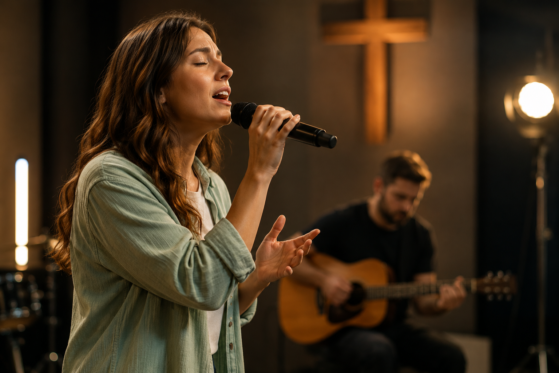
Build a Strong Foundation Through Consistent Practice
Preparation begins long before the audition date. Consistent practice develops the confidence and control needed to perform comfortably under pressure.
Instead of practicing only your favorite songs, focus on strengthening the essential skills that worship music requires. Timing, chord transitions, rhythm, dynamics, and musical sensitivity are all crucial components of effective worship leading. A technically simple worship song can become challenging if the tempo fluctuates or if transitions are inconsistent.
Equally important is practicing with a metronome or backing tracks. Worship teams frequently perform with click tracks, in-ear monitors, or structured arrangements. Becoming comfortable with steady timing ensures that you can integrate smoothly into the group’s musical flow.
As your preparation progresses, dedicate time to playing or singing complete songs without stopping after mistakes. This habit develops endurance and teaches you how to recover gracefully during live worship, where stopping is never an option.
Regular practice sessions, even if they are shorter, generally produce better results than occasional marathon rehearsals.
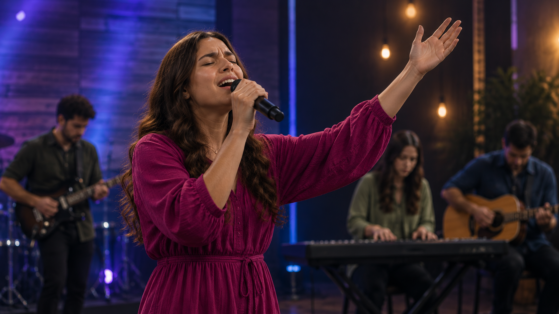
Learning the Church’s Worship Style Before Worship Auditions
Every worship team has a unique musical identity. Therefore, becoming familiar with the church’s worship style is one of the smartest ways to prepare.
Spend time watching recent worship services online if recordings are available. Pay attention to song selection, arrangements, transitions, instrumentation, vocal harmonies, and overall atmosphere. Notice whether the team prefers energetic contemporary worship, reflective acoustic sets, gospel influences, or traditional hymn arrangements.
Beyond the music itself, observe how worship leaders interact with the congregation. Some encourage active participation through spontaneous moments, while others follow carefully structured services. Understanding these patterns helps you adapt naturally during the audition.
Research also demonstrates respect for the ministry. When auditioners already understand the church’s musical direction, leaders can focus more on evaluating their suitability rather than explaining basic expectations.

Preparing Your Songs Thoroughly for Worship Auditions
Many churches provide audition songs in advance, while others ask applicants to choose their own worship pieces. Regardless of the format, thorough preparation is essential.
Begin by learning the song structure completely. Verses, choruses, bridges, instrumental sections, and endings should feel natural rather than memorized at the last minute. Confidence grows significantly when you no longer need to think about what comes next.
In addition, pay close attention to dynamics. Worship music often moves between quiet, intimate moments and powerful, expressive sections. Demonstrating sensitivity to these changes shows musical maturity and an understanding of how worship songs communicate emotion.
Vocalists should focus on accurate pitch, clear diction, breathing technique, and emotional expression. Instrumentalists, meanwhile, should prioritize clean execution, consistent rhythm, and tasteful accompaniment instead of excessive improvisation.
Remember that simplicity often serves worship more effectively than complexity. Playing fewer notes with confidence usually creates a stronger impression than attempting difficult passages that compromise consistency.

Focusing on Musical Teamwork During Worship Auditions
One of the biggest differences between solo performance and worship ministry is the emphasis on collaboration.
During an audition, leaders want to see whether you can support the entire team rather than dominate the musical experience. Listening carefully to others becomes just as important as playing or singing your own part.
Dynamic balance plays a major role here. Strong musicians know when to step forward and when to create space for others. A guitarist doesn’t need to fill every silence, and a vocalist doesn’t need to sing every harmony at maximum volume.
Likewise, following musical direction demonstrates professionalism. If the worship leader asks for a softer approach, a different rhythm, or another key, responding positively reflects flexibility and maturity.
Successful worship teams function because each member serves the collective sound rather than individual recognition.
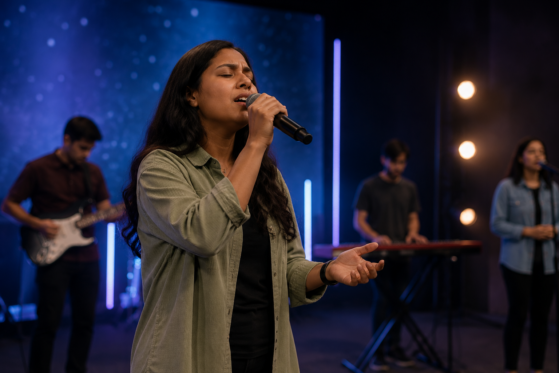
Develop the Right Spiritual Mindset
Technical preparation alone cannot replace spiritual readiness. Worship ministry is ultimately about leading people closer to God, making personal spiritual growth an essential part of the preparation process.
Spend time praying before your audition. Ask God for peace, wisdom, humility, and the ability to serve faithfully regardless of the outcome. Reading Scripture and maintaining regular devotional time can also help align your heart with the true purpose of worship.
Humility should remain central throughout the process. Although it’s natural to hope for success, remember that ministry opportunities exist to serve others rather than to gain recognition.
At the same time, trust that every experience contributes to your growth. Even if an audition doesn’t lead to immediate placement, valuable lessons often emerge that strengthen future opportunities.
A heart focused on worship rather than personal achievement naturally creates a more authentic musical expression.
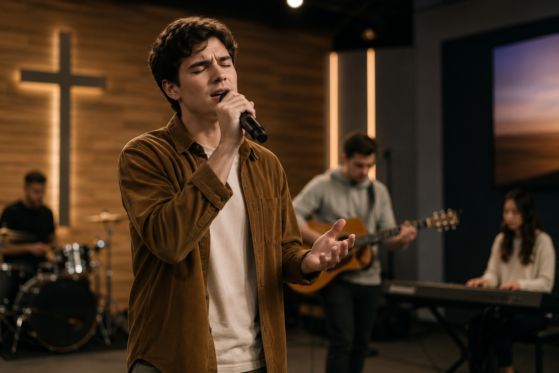
Handling Nerves with Confidence During Worship Auditions
Feeling nervous before an audition is completely normal. Even experienced worship musicians occasionally experience performance anxiety.
Preparation is one of the most effective ways to reduce nervousness. Confidence grows naturally when your songs have been rehearsed thoroughly and your skills have been developed consistently.
Breathing exercises before performing can also calm physical tension. Taking slow, controlled breaths helps regulate both focus and vocal stability.
Instead of concentrating on potential mistakes, direct your attention toward serving through music. This simple shift in perspective often reduces anxiety because the emphasis moves away from personal performance and toward ministry.
Small mistakes rarely determine the outcome of an audition. Maintaining composure after an error often leaves a stronger impression than attempting to perform flawlessly.

Demonstrate Reliability and Professionalism
Churches value dependable team members just as much as skilled musicians. Reliability influences long-term ministry far more than a single impressive performance.
Arriving early for the audition demonstrates respect for everyone’s time. Bringing necessary equipment, having music organized, and being prepared to begin promptly also reflects professionalism.
Communication matters throughout the process. Answering questions honestly, listening attentively, and responding respectfully create a positive impression that extends beyond musical ability.
Equally important is maintaining a teachable attitude. Worship leaders appreciate individuals who welcome constructive feedback and demonstrate a genuine willingness to grow.
Professional conduct, combined with consistent preparation, often distinguishes successful candidates from equally talented musicians.

Continuing to Grow After Worship Auditions
The audition itself is only one step in a much longer journey of musical and spiritual development.
If you receive positive news, continue practicing diligently and remain committed to serving faithfully. Joining a worship team brings ongoing opportunities to learn new songs, develop stronger musicianship, and build meaningful relationships within the ministry.
Should the outcome not meet your expectations, avoid becoming discouraged. Many accomplished worship musicians have experienced unsuccessful auditions before eventually finding the right place to serve. Constructive feedback can reveal valuable areas for improvement that might otherwise go unnoticed.
Growth requires patience, persistence, and a willingness to keep learning. Every rehearsal, every church service, and every musical experience contributes to becoming a stronger worship musician.
Ultimately, success is measured not only by acceptance into a worship team but also by continual faithfulness in using your gifts to honor God.

Conclusion
Preparing for a worship audition involves much more than mastering songs or refining technical skills. It requires intentional practice, careful research, spiritual preparation, and a genuine desire to serve alongside others. Musical excellence certainly enhances your confidence, yet humility, reliability, and teamwork often leave the deepest impression on worship leaders.
As you prepare, remember that every rehearsal is an opportunity to grow both as a musician and as a worshipper. Focus on developing your skills, strengthening your faith, and approaching the audition with confidence rooted in preparation rather than perfection. Consistent guidance from experienced mentors can also make a significant difference in building both your musical abilities and your confidence.
Regardless of the result, every audition represents another step in your musical and spiritual journey. Continue learning, remain teachable, and trust that God will open the right opportunities at the right time. Whether you’re preparing for your first worship audition or looking to strengthen your skills for future opportunities, The Mystic Keys is committed to helping aspiring worship musicians and vocalists develop the musical excellence, confidence, and servant-hearted mindset needed to thrive in worship ministry. When talent is combined with dedication, character, and the right guidance, lasting success in worship ministry naturally follows.
For more information and exciting resources about learning music, visit our website at The Mystic Keys. For more music content and exciting offers follow us on
Facebook, Instagram, YouTube, LinkedIn, Twitter, Pinterest, and Threads.