
Why Slow Practice Is Essential for Violin Players
Every violinist dreams of playing difficult pieces with confidence, speed, and beautiful tone. Watching experienced performers glide effortlessly through challenging compositions often inspires beginners to achieve the same level of excellence as quickly as possible. As a result, many students believe that practicing at a fast tempo is the best way to improve. While this approach may feel productive, it often leads to inconsistent rhythm, incorrect finger placement, poor bow control, and unnecessary tension. One of the most valuable habits every musician can develop is slow practice for violin players, a method that allows every technical and musical skill to grow naturally before increasing speed.
Learning the violin is a journey that requires patience, consistency, and attention to detail. Every note demands accurate finger placement, controlled bow movement, proper posture, careful listening, and musical expression. Trying to master all these elements at full speed usually causes mistakes that become difficult to correct later. helping them build confidence while strengthening the foundation needed for advanced playing. Professional violinists continue to practise slowly throughout their careers because they understand that speed is the result of accuracy, not the other way around.
Why Slow Practice for Violin Players Builds Strong Fundamentals
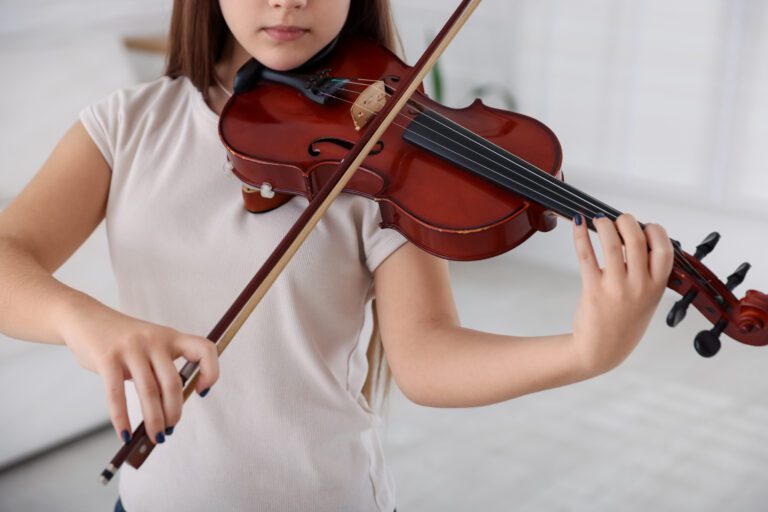
Every accomplished violinist begins with strong fundamentals rather than fast performances. Proper posture, relaxed shoulders, correct bow hold, accurate finger placement, and balanced hand coordination are the building blocks of successful violin playing. Without these essentials, even talented students struggle when they attempt advanced techniques or challenging repertoire.
Slow practice for violin players provides the time needed to examine every detail of these fundamentals. Students can observe their posture, adjust their bow angle, listen carefully to each note, and ensure every movement feels comfortable. This attention to detail prevents poor habits from developing and creates a strong technical foundation that supports long-term improvement. Instead of rushing through exercises, violinists learn to value quality over quantity, resulting in more consistent progress and greater confidence.
Developing Good Playing Habits
Developing good habits early makes future learning much easier. Practicing slowly allows violinists to repeat correct movements until they become automatic. Over time, these habits improve overall technique and reduce the need to relearn incorrect movements. Students who develop disciplined practice routines often progress faster than those who constantly rush through their lessons.
How Slow Practice for Violin Players Improves Finger Accuracy
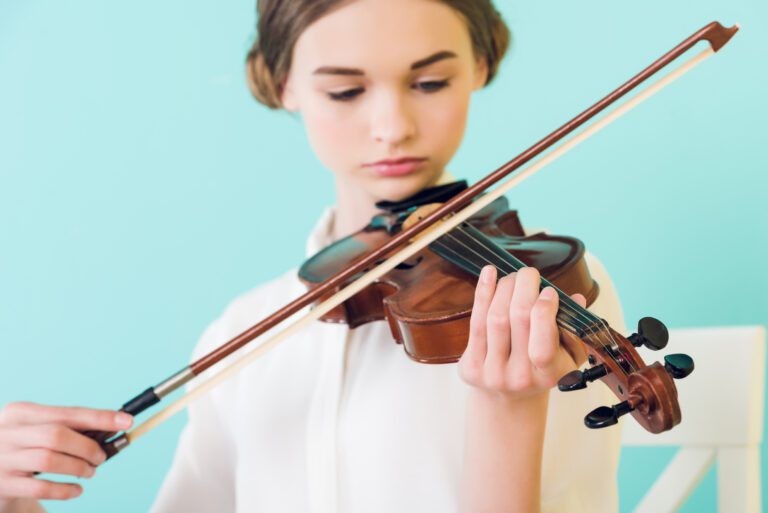
The violin is unique because it has no frets to guide finger placement. Every note depends entirely on the player’s accuracy. Even the smallest mistake can affect intonation and make a performance sound out of tune. One of the greatest advantages of slow practice for violin players is that it gives students enough time to hear every note clearly and adjust their fingers before moving forward.
Instead of guessing where the fingers should land, violinists learn to listen actively.
Strong intonation is built through careful listening rather than speed. Slow practice trains violinists to recognize pitch differences immediately and make small corrections before mistakes become habits. This disciplined approach leads to cleaner performances and a richer overall sound.
Strengthens Intonation
Strong intonation is built through careful listening rather than speed. Slow practice trains violinists to recognize pitch differences immediately and make small corrections before mistakes become habits. This disciplined approach leads to cleaner performances and a richer overall sound.
Slow Practice for Violin Players Strengthens Bow Control
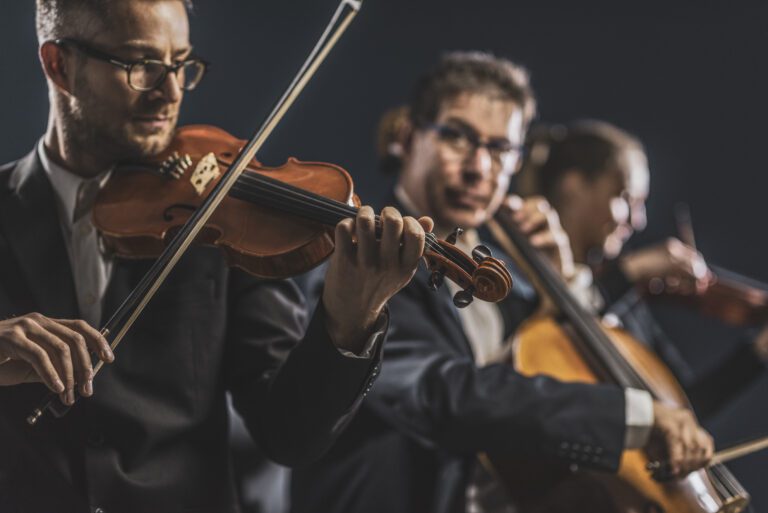
The bow is responsible for producing the violin’s voice, making bow control one of the most important skills a violinist can develop. Smooth bow changes, even tone production, balanced pressure, and controlled bow speed all require careful coordination between the hands and arms. When students practice too quickly, these details are often overlooked.
Slow practice for violin players allows musicians to observe every bow movement carefully. They can maintain a straight bow, produce a consistent tone, and control dynamics more effectively. As their confidence grows, they begin to create smoother phrases and more expressive performances. Strong bow control also reduces unnecessary tension, helping violinists play comfortably during longer practice sessions and performances.
Building Tone Quality
Beautiful tone is not created by chance. It develops through careful repetition and consistent attention to bow placement, pressure, and movement. Slow practice encourages students to listen critically to their sound and make gradual improvements that become noticeable over time.
Builds Reliable Muscle Memory
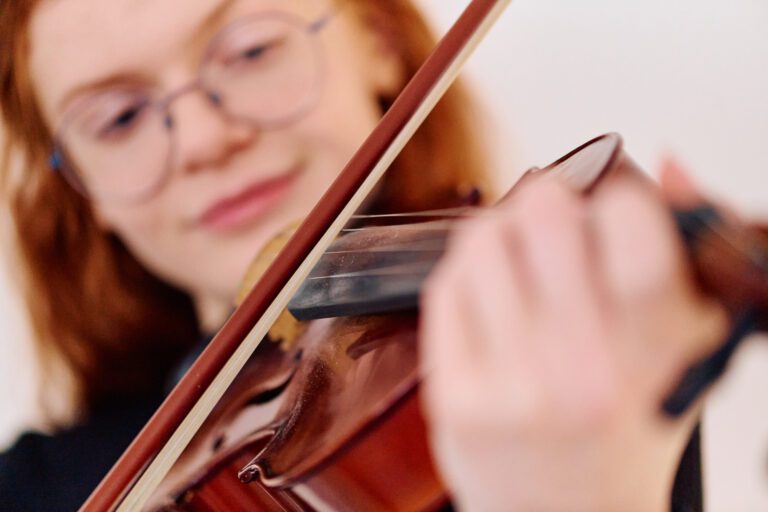
Every correct repetition strengthens the connection between the brain and the muscles. This process, known as muscle memory, allows violinists to perform difficult passages naturally without thinking about every individual movement. However, muscle memory only becomes reliable when correct movements are repeated consistently.
With slow practice for violin players, each repetition reinforces proper technique instead of mistakes. Students gradually develop confidence because their fingers and bow begin to respond automatically. Whether shifting positions, changing strings, or performing scales, reliable muscle memory makes playing smoother, more accurate, and less stressful.
Why Professional Violinists Believe
Many students assume that experienced violinists always practice at performance speed. In reality, professional musicians spend a significant amount of their practice time working slowly. Before concerts, recordings, or examinations, they reduce the tempo of difficult passages to refine every technical detail.
This method helps professionals identify hidden mistakes, improve consistency, and prepare with confidence. Their example demonstrates that slow practice for violin players is not just a beginner’s exercise but a lifelong habit that supports continuous improvement. No matter how advanced a musician becomes, slowing down remains one of the most effective ways to achieve musical excellence.
Conclusion
Slow practice for violin players is one of the most powerful techniques for building lasting musical success. It improves finger accuracy, strengthens bow control, develops reliable muscle memory, enhances intonation, and encourages expressive playing. More importantly, it teaches patience, discipline, and attention to detail—qualities that every successful violinist relies on throughout their musical journey. While fast playing may seem impressive, true confidence comes from mastering the fundamentals at a comfortable tempo before gradually increasing speed.
At The Mystic Keys, our experienced instructors help students develop effective practice habits through personalized Violin Lessons Online. With one-on-one guidance, structured lesson plans, and regular feedback, students learn how to practice efficiently, improve consistently, and perform with confidence. By embracing every student can build a strong technical foundation and enjoy steady musical growth for years to come.
For more information and exciting resources about learning music, visit our website at The Mystic Keys. For more music content and exciting offers follow us on
Facebook, Instagram, YouTube, LinkedIn, Twitter, Pinterest, and Threads.