
Why Choir Competitions Are Important for Developing Young Musicians
Introduction
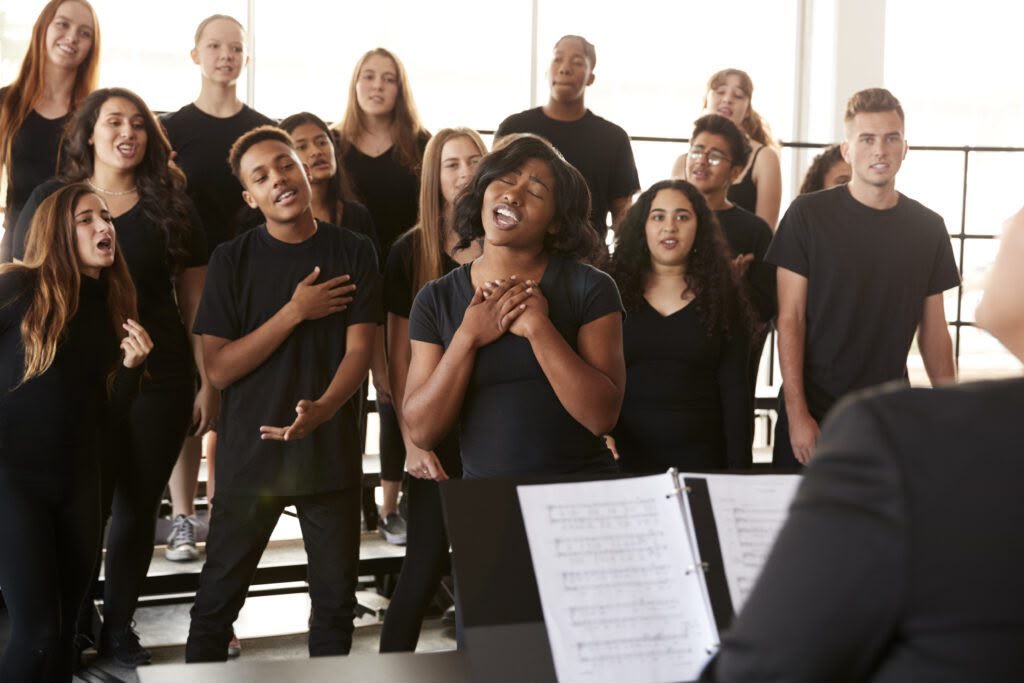
Music education plays an important role in helping children and teenagers develop creativity, confidence, and self-expression. While regular singing practice helps students improve their vocal abilities, participating in competitions can provide additional opportunities to grow as musicians. This is why understanding why choir competitions are important for developing young musicians is valuable for students, parents, and music educators.
Choir competitions bring young singers together to perform, collaborate, and learn from other musical groups. They encourage students to work toward shared goals, improve their vocal techniques, and become more comfortable performing in front of an audience.
Beyond winning awards, these experiences can teach young musicians valuable lessons about preparation, teamwork, discipline, and personal growth. In this article, we explore the benefits of choir competitions and how they can support a young musician’s musical journey.

1. Why Choir Competitions Are Important for Developing Young Musicians’ Confidence
One of the most noticeable benefits of choir competitions is the opportunity to develop confidence through performance.
For many young singers, performing in front of an audience can feel intimidating. They may worry about forgetting lyrics, singing the wrong notes, or making mistakes in front of others. Regular rehearsals help prepare them, but performing in a competition gives students the opportunity to apply their skills in a real setting.
As students participate in more performances, they can gradually become more comfortable standing on stage, projecting their voices, and presenting music to an audience.
How competitions build confidence
Help students become familiar with performing in public.
Encourage them to trust their preparation and vocal abilities.
Teach them to manage nervousness before going on stage.
Encourage them to perform with greater expression and confidence.
Confidence does not develop overnight. Every rehearsal, performance, and competition can become a learning experience that helps young singers feel more prepared for future musical opportunities.
2.Why Choir Competitions Are Important for Improving Vocal Skills
Choir competitions encourage students to pay closer attention to the technical aspects of singing.
When preparing for a competition, singers often work carefully on pitch accuracy, rhythm, pronunciation, breathing, and vocal balance. They must learn their individual parts while understanding how those parts fit into the overall arrangement.
This focused preparation can help students develop stronger musical habits.
Developing better vocal control
Young singers can work on breathing steadily, producing clear tones, and maintaining accurate pitch throughout a song. They also learn to pronounce lyrics clearly so that the audience can understand the message of the music.
Strengthening rhythm and timing
Choir members must follow the conductor and stay together as a group. They learn to observe conducting gestures, recognize entrances, and maintain the correct tempo.
Understanding harmony
Singing in a choir often requires students to perform different notes at the same time. Competitions motivate them to listen carefully to the other vocal sections instead of concentrating only on their own melody.
Over time, these skills can contribute to a stronger musical foundation and more polished performances.
3.Why Choir Competitions Are Important for Teaching Teamwork
A choir is built on cooperation. Unlike a solo performance, where one musician carries the entire musical part, a choir depends on many singers working together.
This is another reason choir competitions are important for developing young musicians. Students learn that the success of the group depends on every member contributing to the shared performance.
Learning to listen to others
Choir members need to hear the voices around them and adjust their singing to maintain a balanced sound. They must avoid overpowering their section and learn to blend their voices with the group.
Working toward a common goal
Preparing for a competition requires everyone to learn the music, attend rehearsals, and follow the conductor’s guidance.
When students understand that their preparation affects the entire choir, they begin to recognize the importance of responsibility and cooperation.
Respecting different abilities
Not every singer learns at the same speed. Some students may find harmony difficult, while others may need more practice with rhythm or pronunciation.
Working together can teach young musicians patience, encouragement, and respect for different learning needs.
These lessons extend beyond music and can support positive relationships in school, extracurricular activities, and everyday life.

4.Why Choir Competitions Are Important for Building Discipline
Successful choir performances require preparation. Students cannot rely on last-minute practice if they want to perform a challenging piece confidently.
Competitions give young musicians a clear goal to work toward. This can encourage them to establish regular practice routines and take rehearsals more seriously.
How competitions encourage discipline
Students learn to prepare their vocal parts before rehearsals.
They develop the habit of reviewing difficult sections.
They become more aware of attendance and punctuality.
They learn to follow instructions from their conductor.
They understand that improvement requires patience and repetition.
A competition also helps students recognize the connection between preparation and performance.
When they hear the difference between an unrehearsed passage and one they have practiced carefully, they can better understand the value of consistent effort.
These habits can be useful in other areas of learning, including schoolwork, sports, and personal projects.
5.Why Choir Competitions Are Important for Motivation
Competition can motivate young musicians to challenge themselves and improve their abilities. Preparing for an event gives students something specific to work toward and can make rehearsals feel more purposeful.
However, the most valuable lessons come when competition is treated as an opportunity to learn rather than simply a race to win.
Learning from other choirs
Watching other groups perform exposes students to different musical styles, interpretations, and approaches to singing.
They may notice how another choir manages dynamics, performs harmonies, pronounces lyrics, or creates an engaging stage presence.
These observations can inspire students to explore new techniques and think more critically about their own performances.
Setting personal goals
Instead of focusing only on the final ranking, students can set goals such as:
Singing more accurately.
Maintaining better timing.
Improving vocal blend.
Memorizing lyrics more confidently.
Performing with greater expression.
When young musicians measure success through personal improvement as well as group achievement, competitions can become a healthier and more rewarding experience.
6.Why Choir Competitions Are Important for Managing Stage Anxiety
Stage nervousness is common among performers, especially those who are still developing their musical confidence.
Choir competitions give students opportunities to practice performing under pressure in a structured environment. With preparation and supportive guidance, they can learn strategies for managing nervousness.
Preparing before the performance
Knowing the music well can reduce uncertainty. Students should rehearse their parts, understand the song structure, and practice entering confidently at the correct moment.
Using breathing techniques
Slow, comfortable breathing before a performance can help students settle themselves and prepare to sing. Singers should also learn how to breathe naturally while performing rather than holding their breath when nervous.
Focusing on the music
Instead of concentrating on the possibility of making mistakes, students can focus on the lyrics, the conductor’s gestures, and the musical message they want to communicate.
Learning to recover from mistakes
Even experienced performers make mistakes. Competitions can teach young musicians to continue singing, listen carefully, and rejoin the group when necessary.
The aim is not to eliminate nervousness completely. It is to help students develop the skills and confidence to perform even when they feel a little nervous.
7.Why Choir Competitions Are Important for Developing Listening Skills
Good musicians do more than produce the correct notes. They listen carefully and respond to the music around them.
Choir competitions encourage young singers to develop active listening skills because each performance requires coordination between different vocal sections.
Students learn to recognize whether their section is too loud, whether the harmony is balanced, and whether the group is following the conductor’s tempo.
Understanding dynamics
Dynamics describe changes in musical volume. Students learn to sing softly during gentle passages and increase their intensity when the arrangement calls for a fuller sound.
Recognizing musical phrasing
Phrasing involves shaping a musical line so that it sounds natural and expressive. Singers learn where to breathe, how to connect phrases, and how to communicate the emotion of a song.
Improving pitch awareness
Listening to other sections helps students understand how their notes fit into the harmony. This can support pitch accuracy and strengthen their ability to maintain their individual vocal parts.
These skills help students become more attentive musicians, whether they continue singing in a choir or later explore solo singing and instrumental performance.
8.Why Choir Competitions Are Important for Musical Expression
Choir competitions are not only about technical accuracy. They also give students opportunities to communicate the meaning and emotion of a song.
A technically correct performance may still feel flat if singers do not understand the music they are performing. Expression helps transform the notes into a more engaging musical experience.
Students can develop their expressive abilities by exploring:
The meaning and emotion of the lyrics.
Changes in volume and intensity.
Appropriate articulation and pronunciation.
The mood and style of the composition.
Facial expression and confident stage presence.
Different musical pieces may require different approaches. A gentle song might call for a restrained, warm sound, while an energetic piece may require stronger articulation and greater rhythmic intensity.
By exploring these differences, young musicians learn that musical expression involves thoughtful choices rather than simply singing louder or adding unnecessary movements.

9.How Choir Competitions Help Young Musicians Develop Leadership
Choir competitions can also create opportunities for young musicians to develop leadership skills.
Students may take responsibility for helping their sections prepare, supporting classmates during rehearsals, or assisting with performance arrangements.
Section leaders, for example, can help other singers learn their parts and encourage the group to remain focused during practice.
These responsibilities teach students to communicate clearly, lead by example, and contribute positively to a team.
Even students who do not hold formal leadership roles can develop responsibility by preparing their music, following the conductor, and supporting their fellow singers.
Learning to take responsibility for one’s contribution is an important part of becoming a dependable musician.
10.Why Choir Competitions Are Important for Learning From Feedback
Feedback is essential for musical improvement. During competition preparation, conductors and music teachers may identify areas that need attention, such as unclear diction, uneven rhythm, poor balance, or inconsistent pitch.
Students learn that constructive feedback is not a personal criticism. It is information that can help them improve.
Turning feedback into progress
Young musicians can benefit from learning to:
Listen carefully to instructions.
Ask questions when they do not understand something.
Identify specific areas for improvement.
Practice challenging sections patiently.
Recognize improvements after applying feedback.
Competition results and judges’ comments can also provide useful insights, depending on the event’s format.
The important thing is to help students understand that feedback should guide their next steps rather than define their worth as musicians.
11. How Choir Competitions Help Young Musicians Build Friendships
Choir competitions often involve shared rehearsals, travel, preparation, and the excitement of performing together.
These experiences can help young singers build friendships and feel connected to a wider musical community.
Students may meet other choirs, discover new songs, and learn how different groups approach rehearsals and performances.
Working toward a shared goal can also strengthen relationships within the choir. Members learn to encourage one another, celebrate progress, and support teammates when performances feel challenging.
For many students, the memories of preparing and performing together can become an important part of their musical journey, regardless of the final competition result.
12. Why Choir Competitions Are Important Beyond Winning Awards
Not every choir wins a competition, and not every performance goes exactly as planned. These experiences can provide valuable opportunities for personal growth when adults respond with encouragement and perspective.
Learning from success
Winning can be exciting, but it should also encourage students to recognize the teamwork, preparation, and commitment that contributed to the result.
Learning from disappointment
If the choir does not receive the result it hoped for, students can review their performance and identify areas for improvement.
They can also learn to congratulate other groups, appreciate different musical strengths, and recognize that rankings do not capture every aspect of a performance.
Keeping music enjoyable
The pressure to win should never overshadow the joy of singing. Teachers, parents, and conductors can help by celebrating effort, progress, cooperation, and musical expression alongside awards.
A positive approach helps students maintain motivation and develop a healthier relationship with competition.
13. How Parents and Music Teachers Can Support Young Choir Members
Adults play an important role in ensuring that choir competitions are constructive experiences for children and teenagers.
Parents and teachers can support young musicians by creating an environment where learning matters as much as achievement.
Encourage preparation without excessive pressure
Help students maintain a realistic practice schedule, but avoid making them feel that their value depends on winning.
Celebrate small improvements
Recognize progress in pitch, rhythm, confidence, and teamwork. These achievements matter even when they do not result in an award.
Provide constructive feedback
Focus on specific, manageable improvements rather than criticizing the entire performance.
Support rest and vocal health
Young singers need adequate rest, hydration, and sensible vocal warm-ups. Avoid encouraging them to strain their voices or sing through discomfort.
Make space for enjoyment
Remind students that music is also about creativity, connection, and self-expression. Enjoying the process can help them stay engaged for years to come.
When adults balance encouragement with realistic expectations, competitions can become more positive learning experiences.
14. How The Mystic Keys Helps Young Musicians Develop Their Skills
At The Mystic Keys, structured music education can help young learners build the musical foundations they need to participate confidently in performances and group activities.
Developing musicians benefit from guided practice, consistent feedback, and opportunities to strengthen their technical and expressive abilities.
With the right learning approach, students can work toward improving:
Rhythm and timing.
Listening and pitch awareness.
Musical expression and dynamics.
Confidence in performing.
Consistent practice habits.
Understanding of musical structure.
These skills can support students who participate in choir competitions, school performances, worship groups, or other musical activities.
At The Mystic Keys, the goal is to help learners develop their abilities step by step, build confidence, and enjoy the process of becoming more capable musicians.

Conclusion
Understanding why choir competitions are important for developing young musicians means looking beyond trophies and rankings. Competitions can help young singers improve vocal technique, build confidence, strengthen teamwork, develop discipline, and learn to respond constructively to feedback.
They also introduce students to different musical styles and give them opportunities to express themselves in front of an audience.
However, the greatest value of a choir competition comes from the learning experience itself. When students are encouraged to focus on preparation, cooperation, progress, and enjoyment, competitions can become meaningful milestones in their musical development.
Every performance is an opportunity to learn, every rehearsal builds a skill, and every shared musical experience helps young musicians grow.
For more information and exciting resources about learning music, visit our website at The Mystic Keys. For more music content and exciting offers follow us on
Facebook, Instagram, YouTube, LinkedIn, Twitter, Pinterest, and Threads.