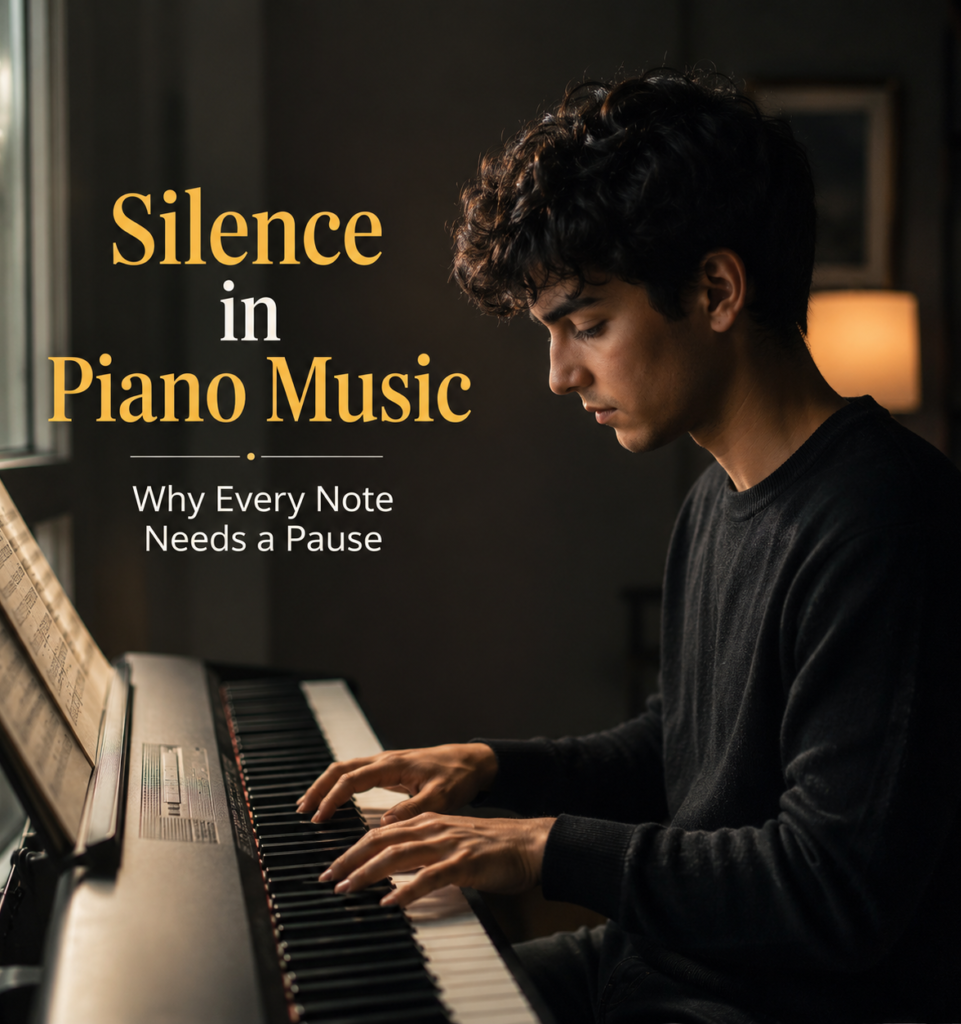
Silence in Piano Music | Why Every Note Needs a Pause
Musicians often describe music as the art of sound, yet some of its greatest beauty emerges during moments of silence in piano. Every memorable melody, emotional performance, and breathtaking composition depends not only on the notes a pianist plays but also on the pauses between them. Although beginners may overlook these brief moments of silence, skilled pianists use them to add expression, emotion, and meaning to every performance.
Many students begin learning the piano with the belief that playing more notes means creating better music. As they progress, however, they discover that music is not simply a continuous stream of sound. Instead, it is a carefully balanced conversation between sound and silence. Just as a speaker pauses to let an important idea sink in, a pianist allows silence to give meaning to every phrase.
Without pauses, even the most beautiful melody can become overwhelming. Notes begin to blend together, emotions lose their clarity, and listeners struggle to follow the musical story. Silence creates contrast, provides direction, and allows every note to shine with greater purpose.
Understanding the importance of silence is one of the defining steps in a pianist’s musical journey. It transforms playing from a mechanical sequence of notes into expressive storytelling.
The Hidden Power of Silence in Piano
When people listen to piano music, their attention naturally goes to the melodies, harmonies, and rhythms. Rarely do they think about the rests written into the score. Yet these silent moments are intentionally placed by composers for a reason.
Imagine reading a book without commas, periods, or paragraphs. Every sentence would run into the next, making the story exhausting to read. Music works in much the same way. Silence functions as punctuation, separating musical ideas and helping listeners understand where one phrase ends and another begins.
A carefully placed pause gives the ear time to absorb what has just been heard. It also creates anticipation for what comes next. Instead of interrupting the music, silence becomes part of the music itself.
This balance between sound and stillness is what gives piano performances their emotional depth. The pauses may last only a fraction of a second, but their effect can linger much longer.
Silence Creates Emotional Impact
One of the greatest strengths of piano music is its ability to express emotion without using words. Joy, sadness, excitement, hope, nostalgia, and peace can all be communicated through carefully chosen notes. Yet these emotions often become far more powerful because of the silence surrounding them.
Consider the moment before the final chord of a moving performance. That brief pause builds expectation. The audience instinctively leans in, waiting to hear what comes next. When the final note finally arrives, its impact feels stronger because silence prepared the listener for it.
Similarly, a pause after an emotional phrase allows the feeling to settle. Rather than rushing into the next section, the music gives listeners time to reflect. This simple technique makes performances feel more natural and emotionally authentic.
Professional pianists understand that silence is not empty space. Instead, it is filled with emotion, anticipation, and meaning.

Musical Phrasing and Silence in Piano
Every melody is made up of musical phrases, much like sentences in spoken language. Each phrase has its own beginning, development, and conclusion. Silence helps define these musical thoughts.
Without proper pauses, phrases lose their identity. Everything begins to sound connected in ways that were never intended by the composer. As a result, listeners may struggle to recognize the shape of the melody.
Experienced pianists think beyond individual notes. They focus on entire musical ideas, allowing each phrase to breathe before beginning the next. This breathing effect makes performances feel expressive rather than mechanical.
Learning to phrase correctly requires patience. Students often discover that playing fewer notes at the right time can be far more effective than playing every note as quickly as possible.

How Silence in Piano Builds Musical Tension
Some of the most exciting moments in piano music occur just before an important musical event. Instead of filling every second with sound, composers often create suspense by introducing silence.
This technique keeps listeners engaged because the brain naturally expects a continuation. The temporary absence of sound increases curiosity and heightens emotional involvement.
Film composers frequently rely on this principle. Before a dramatic scene reaches its climax, the music may suddenly become quieter or stop altogether. The silence makes the audience anticipate something significant. Once the music returns, its emotional effect becomes much stronger.
The same principle appears throughout classical piano works, contemporary compositions, and even popular music.
Great Composers Understood the Value of Silence
History provides countless examples of composers who treated silence as an essential musical element rather than an empty gap.
In the works of Ludwig van Beethoven, dramatic pauses often increase the emotional intensity of a passage. These moments create surprise and keep listeners emotionally invested.
Frédéric Chopin frequently used silence to enhance lyrical expression. His piano pieces often feel as though they are breathing naturally, allowing every phrase to unfold gracefully.
Meanwhile, Claude Debussy embraced silence to create atmosphere and subtle beauty. His music often feels spacious, inviting listeners to appreciate both the sounds and the spaces between them.
Although each composer had a unique musical language, they all recognized that silence could communicate as effectively as sound.
Why Beginners Often Ignore Silence
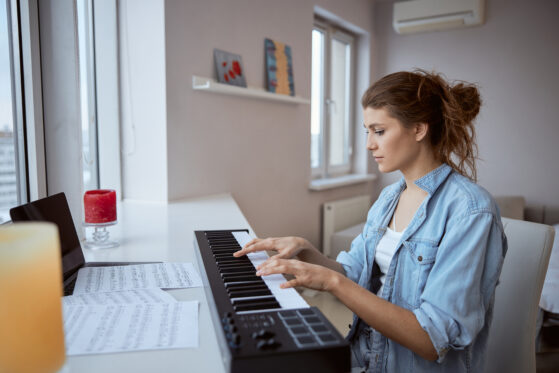
New piano students usually focus on hitting the correct keys at the correct time. Their attention naturally stays on producing sound rather than appreciating moments without sound.
As a result, rests are sometimes shortened or skipped entirely. Players may rush from one measure to the next because silence feels uncomfortable. They worry that stopping will interrupt the performance.
In reality, ignoring rests changes the music itself. The rhythm becomes uneven, phrases lose their shape, and emotional expression disappears.
Developing comfort with silence requires practice. Over time, students learn that a well-observed rest is just as important as a perfectly played note.
How Silence in Piano Improves Rhythm and Timing
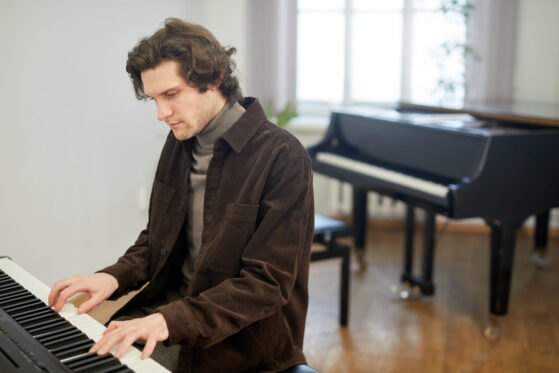
Rhythm is not created only by notes. It is also shaped by the duration of rests.
Every pause contributes to the steady pulse of the music. Removing or shortening those rests changes the rhythmic structure and can make even familiar pieces sound awkward.
Practicing with a metronome helps students recognize that silence has a measurable length. A quarter rest occupies the same amount of time as a quarter note. Both deserve equal attention.
Once this concept becomes natural, performances become more balanced and rhythmically accurate.
Listening Is Just as Important as Playing
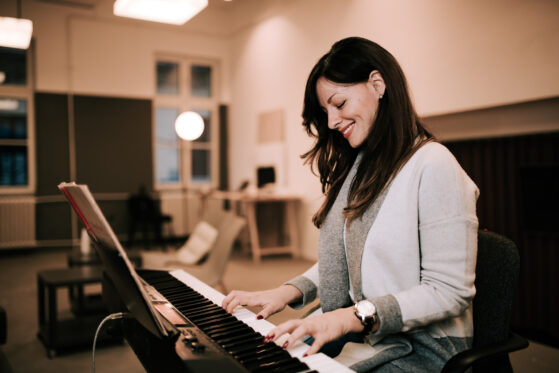
Many people assume piano playing is mainly about finger movement. In reality, careful listening is equally important.
A skilled pianist pays close attention to how each note fades into silence. Instead of immediately preparing for the next note, they remain aware of the natural decay of the sound.
This habit develops greater musical sensitivity. Players begin noticing resonance, dynamics, phrasing, and emotional flow more clearly.
Active listening also improves interpretation. Rather than simply reproducing written notes, musicians learn to shape each performance with intention and expression.
How Silence in Piano Gives Music Room to Breathe
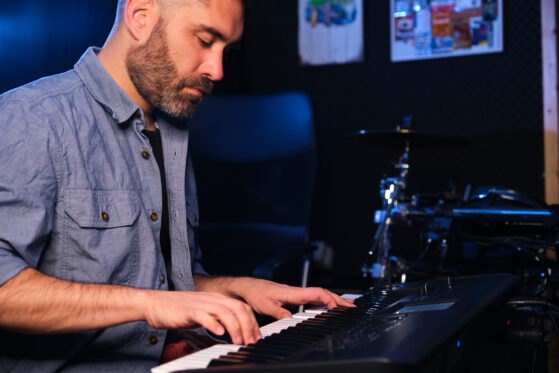
Breathing is essential in singing because it supports healthy vocal production and expressive phrasing. Surprisingly, pianists benefit from thinking in a similar way.
Although they do not use breath to create sound, they can imagine musical breathing while performing. Natural pauses help prevent phrases from feeling rushed or forced.
This approach creates a more relaxed performance style. The music flows smoothly because each phrase has space to begin, develop, and conclude before another starts.
Listeners often describe these performances as expressive, elegant, or deeply moving, even if they cannot explain exactly why.
Practicing Silence in Piano as a Skill
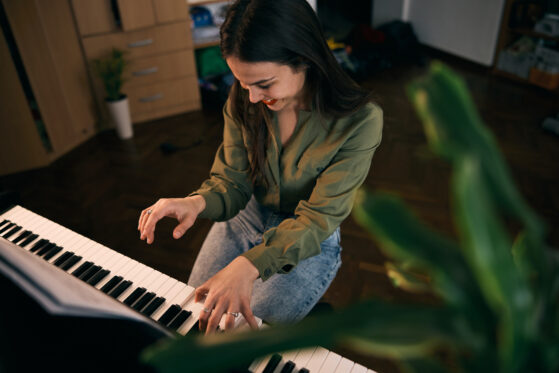
Silence is not something that automatically appears in a performance. Like scales, articulation, and dynamics, it requires deliberate practice.
Students can begin by paying close attention to every rest written in the score. Counting carefully prevents pauses from becoming shorter than intended.
Recording practice sessions also provides valuable insight. Listening back often reveals whether phrases are being rushed or whether silence is receiving enough attention.
Another effective exercise involves mentally hearing the music during each rest instead of treating it as empty time. This keeps the musical flow alive while respecting the composer’s intentions.
With consistent practice, silence gradually becomes a natural part of performance rather than something that feels uncomfortable.

The Audience Experiences Silence Too
Silence affects listeners just as much as performers.
During a thoughtful piano performance, audiences often become completely still. They are not simply waiting for the next note—they are experiencing the emotional weight of the pause.
These shared moments create a unique connection between performer and listener. Instead of feeling like an interruption, silence becomes part of the communication taking place through music.
The most memorable performances often leave audiences sitting quietly for a moment before applauding. That final silence speaks volumes about the emotional journey they have just experienced.
Learning to Appreciate Silence in Piano Music
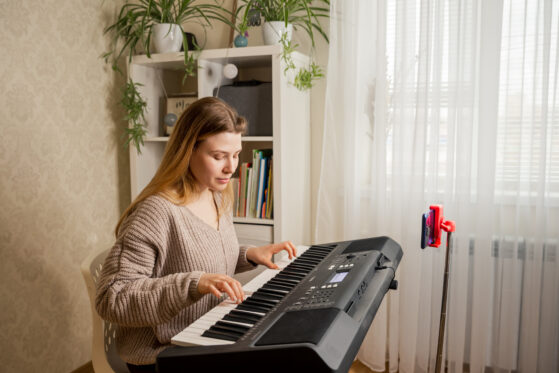
As pianists mature, they begin to understand that musical expression extends beyond pressing keys accurately. Every note exists within a larger musical landscape shaped by rhythm, phrasing, dynamics, and silence.
Developing an appreciation for pauses changes the way musicians practice, perform, and listen. Pieces become more expressive because every phrase has room to breathe and every emotional moment has time to resonate.
Eventually, silence stops feeling like the absence of music. Instead, it becomes one of music’s most expressive voices.

Final Thoughts
The piano creates remarkable beauty, but musicians unlock its true magic by balancing sound with silence. Every pause adds meaning, shapes emotion, and guides listeners through the musical journey. Instead of treating rests as empty moments, composers and performers use them to let the music breathe, reflect, and create deeper emotional connections.
Whether you are taking your first piano lessons or refining advanced repertoire, embracing silence can transform the way you play. While technical accuracy remains essential, expressive performances require much more than playing the correct notes. You create truly memorable music by knowing when to play, how to shape each phrase, and—perhaps most importantly—when to let the music rest in silence. At The Mystic Keys, students are encouraged to develop not only technical skills but also the musical sensitivity needed to appreciate these subtle moments.
The next time you sit at the piano, listen as carefully to the quiet moments as you do to the notes beneath your fingers. As you become more aware of those pauses, you may discover that some of the most powerful moments in your performance are the ones your audience never actually hears. If you’re looking to deepen your understanding of expression and musicality, Piano Lessons Online can help you build the confidence to bring every note—and every pause—to life.
For more information and exciting resources about learning music, visit our website at The Mystic Keys. For more music content and exciting offers follow us on
Facebook, Instagram, YouTube, LinkedIn, Twitter, Pinterest, and Threads.