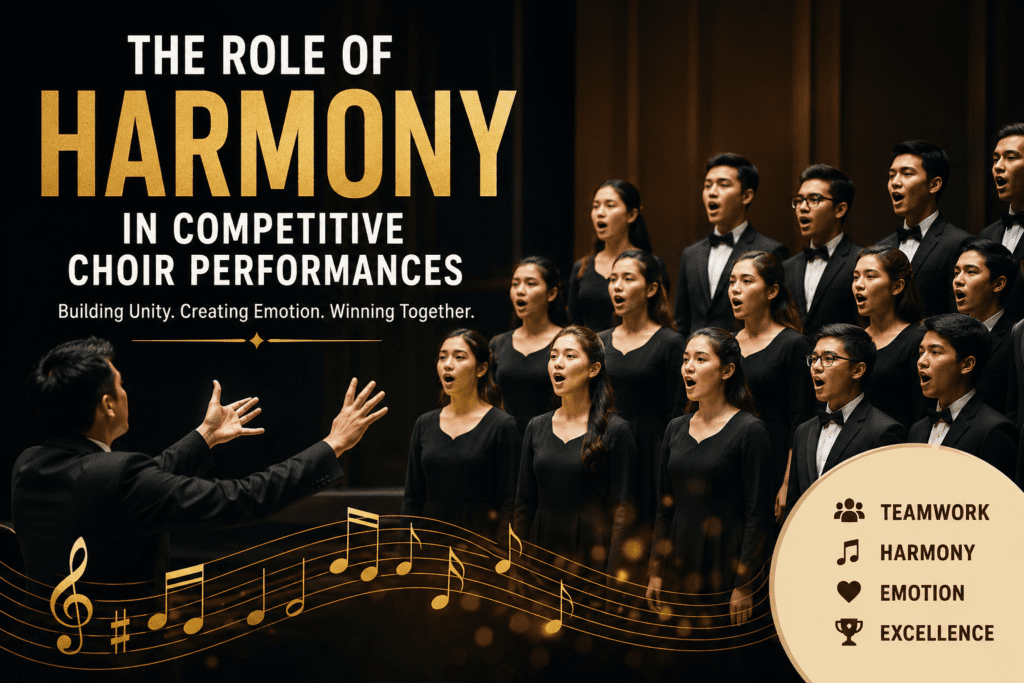
The Role of Harmony in Competitive Choir Performances
In the world of choral music, harmony is far more than simply singing different notes together. It is the foundation that gives a choir richness, emotion, balance, and musical depth. The Role of Harmony in Competitive Choir Performances becomes especially important because harmony often separates an average choir from an award-winning ensemble.
Whether in school choir competitions, church choir festivals, university choral events, or international music contests, judges pay close attention to how well voices blend and support one another. A choir with excellent harmony creates a unified sound that captivates audiences and communicates the emotional message of the music effectively. The Role of Harmony in Competitive Choir Performances is clearly visible when choirs demonstrate balance, pitch accuracy, and emotional expression on stage.
Harmony reflects teamwork, discipline, listening skills, and musical understanding. Every singer contributes not only their own vocal line but also supports the entire ensemble. When harmony is executed beautifully, the choir sounds powerful, polished, and emotionally moving. Understanding the Role of Harmony in Competitive Choir Performances helps choirs improve both their musical quality and overall stage presentation.
This blog explores the Role of Harmony in Competitive Choir Performances, why it matters, how choirs develop strong harmonic skills, common mistakes to avoid, and practical ways to improve choir harmony for competitions.
What is the Role of Harmony in Competitive Choir Performances?
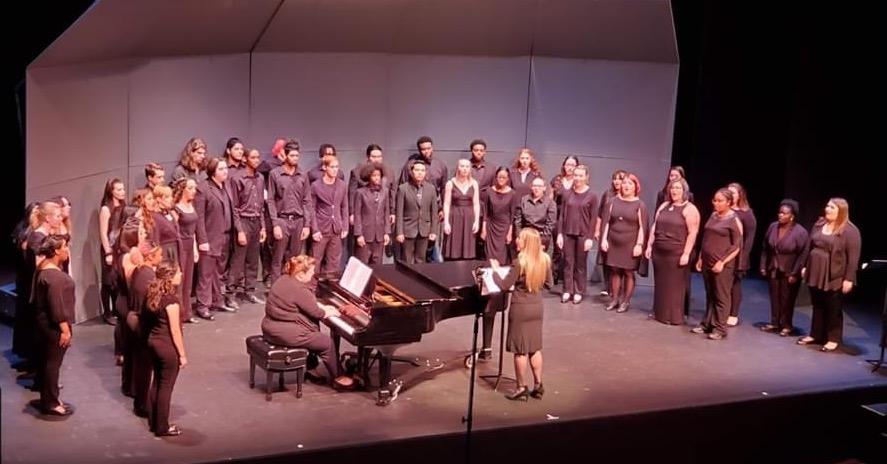
Harmony in choir singing refers to the combination of different musical notes sung simultaneously to create a pleasing and balanced sound. Unlike solo singing, where one melody dominates, choir music depends on multiple voice parts working together.
Most choirs are divided into four main vocal sections:
- Soprano – higher female voices
- Alto – lower female voices
- Tenor – higher male voices
- Bass – lower male voices
Together, these sections form what is commonly called SATB harmony. Each section sings different notes that complement one another while supporting the main melody.
Good harmony creates:
- Richness in sound
- Emotional expression
- Musical texture
- Dynamic contrast
- Depth and resonance
Without harmony, choir music can sound flat and incomplete. In competitions, harmony becomes the heart of the choir’s overall performance quality.
Why the Role of Harmony in Competitive Choir Performances Matters
1. Harmony Creates Musical Depth
One of the primary reasons harmony is essential is because it adds emotional and musical depth to a performance. A single melody may sound beautiful, but layered harmonies create a fuller and more expressive sound.
In competitions, choirs often perform complex arrangements that rely heavily on harmonic textures. Judges evaluate whether the choir can maintain clarity while delivering rich harmonies.
Strong harmony allows music to:
- Build tension and release
- Convey emotion effectively
- Highlight musical phrasing
- Create dramatic impact
When harmony is balanced correctly, audiences experience a more immersive and emotionally powerful performance.
2. Harmony Demonstrates Teamwork
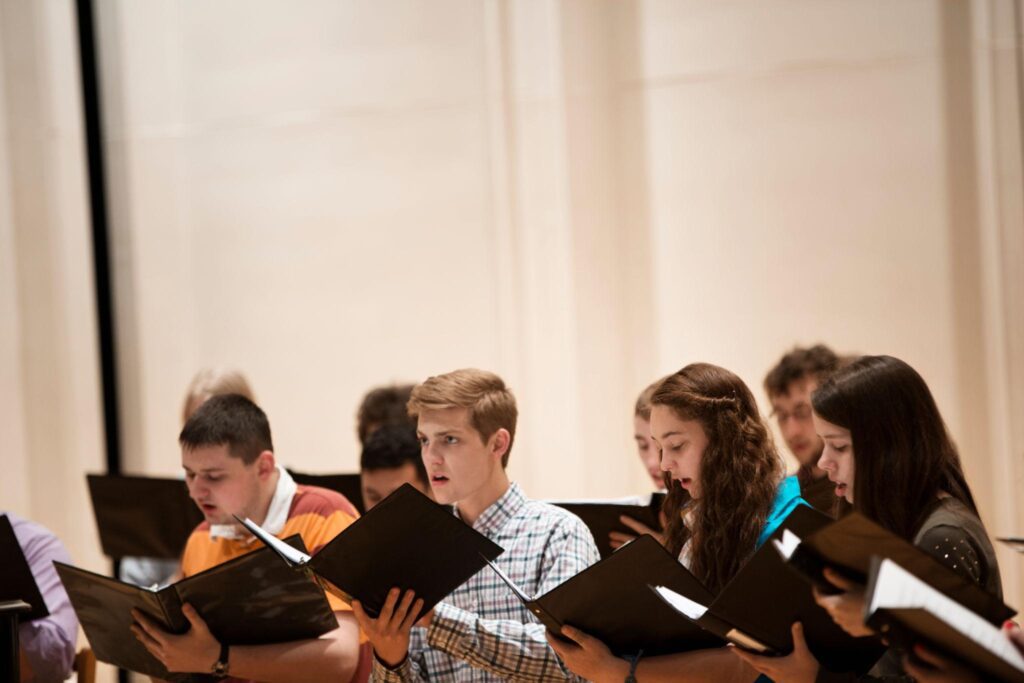
Competitive choir singing is not about individual voices standing out. It is about singers working together as one unified ensemble.
Harmony requires:
- Careful listening
- Cooperation
- Vocal discipline
- Awareness of balance
Each singer must adjust their tone, volume, and pitch to blend with others. This teamwork is one of the qualities judges look for during competitions.
A choir that performs with unity shows professionalism and musical maturity.
3. Harmony Improves Overall Sound Quality
Harmony directly influences the tonal quality of a choir. Well-balanced harmonies create warmth, resonance, and clarity.
When harmony is poor, performances may suffer from:
- Pitch problems
- Clashing notes
- Uneven balance
- Harsh vocal textures
A choir with strong harmonic control sounds polished and refined, making a stronger impression on judges and audiences alike.
4. Harmony Enhances Emotional Expression
Music communicates emotions, and harmony plays a major role in shaping those emotions.
Different harmonies can create feelings of:
- Joy
- Peace
- Tension
- Excitement
- Sadness
- Hope
In competitive performances, emotional communication is extremely important. Judges often reward choirs that not only sing accurately but also connect emotionally with the audience.
Beautiful harmony helps bring lyrics and musical storytelling to life.
Key Elements Behind the Role of Harmony in Competitive Choir Performances
Vocal Blending
Blending means matching voices so that no single singer dominates the sound. A well-blended choir sounds unified and smooth.
Good vocal blending requires:
- Similar vowel shapes
- Balanced tone
- Controlled volume
- Consistent pronunciation
Choirs with excellent blending create seamless harmonies that sound natural and cohesive.
Pitch Accuracy
Pitch accuracy, also called intonation, is one of the most important aspects of harmony.
If singers drift off pitch:
- Harmonies become unstable
- Chords lose clarity
- The performance sounds unprofessional
Competitive choirs spend significant rehearsal time improving pitch through:
- Ear training
- Scale exercises
- Section rehearsals
- Listening exercises
Strong pitch control ensures harmonies remain clean and balanced throughout the performance.
Dynamic Balance
Dynamic balance refers to controlling volume levels between sections.
For example:
- Sopranos should not overpower altos
- Tenors should blend with basses
- Melody lines should remain clear
Balanced dynamics help harmonies sound controlled and expressive rather than chaotic.
Listening Skills
Listening is one of the most overlooked choir skills.
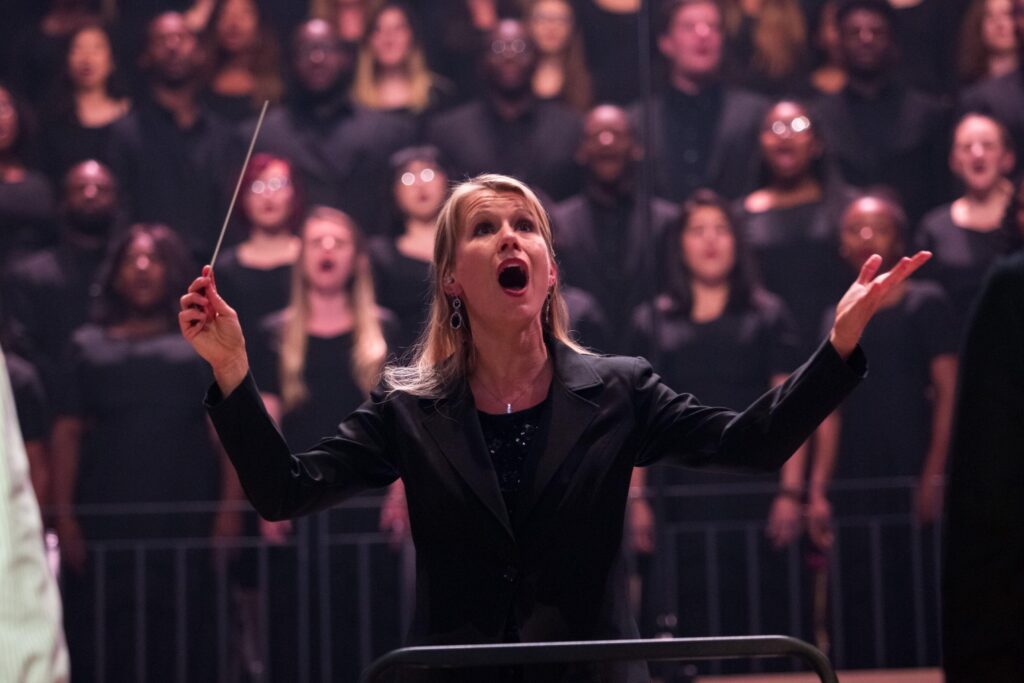
Great choir singers constantly listen to:
- Their own pitch
- Other vocal sections
- The conductor
- Overall ensemble balance
Without active listening, harmony becomes difficult to maintain.
Competitive choirs train singers to become aware of the complete choir sound rather than focusing only on their individual part.
Breath Support and Control
Breath support affects tone stability and harmony quality.
Proper breathing helps singers:
- Sustain notes evenly
- Maintain pitch accuracy
- Blend smoothly
- Produce consistent tone
Weak breath control often leads to unstable harmonies and vocal fatigue during performances.
Common Mistakes Affecting the Role of Harmony in Competitive Choir Performances
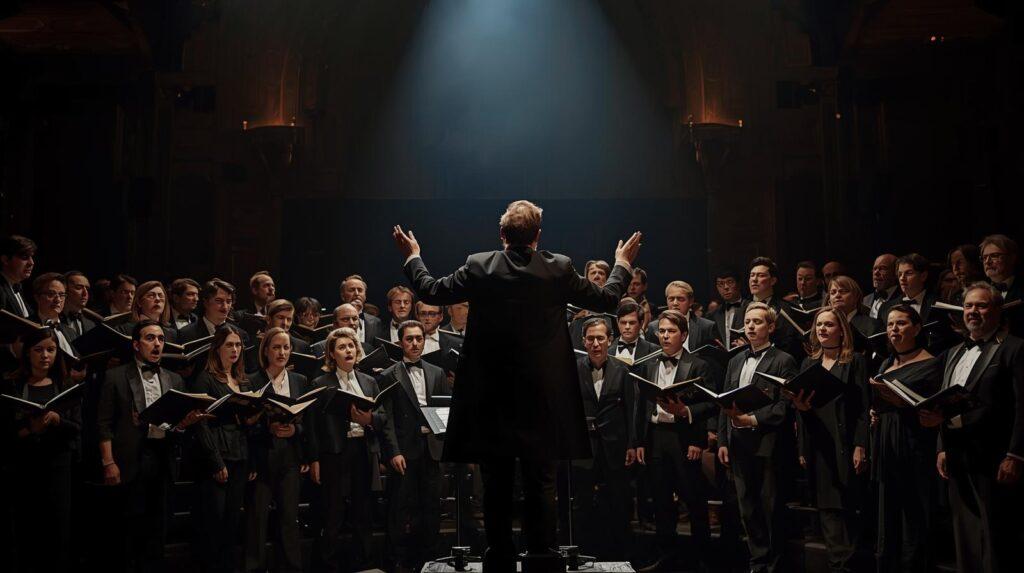
Even talented choirs can struggle with harmony issues during competitions.
Overpowering Voices
Sometimes individual singers sing too loudly, disrupting ensemble balance.
This can:
- Cover weaker sections
- Distort harmonies
- Reduce blending quality
Choirs must learn controlled singing rather than forcing volume.
Pitch Drifting
Pitch drifting occurs when sections slowly sing sharper or flatter over time.
Common causes include:
- Nervousness
- Poor breath support
- Lack of listening
- Vocal fatigue
Consistent rehearsal and ear training help reduce pitch drifting.
Poor Section Balance
Some choir sections naturally dominate due to stronger voices or larger numbers.
If one section becomes too strong:
- Harmonies lose clarity
- Melodies become hidden
- Musical texture becomes uneven
Conductors must carefully balance sections during rehearsals.
Lack of Synchronization
Harmony is not only about notes; timing matters equally.
Poor synchronization can cause:
- Delayed entrances
- Unclear chord changes
- Weak musical phrasing
Competitive choirs practice precise timing to maintain clean harmonic transitions.
How Choirs Improve the Role of Harmony in Competitive Choir Performances
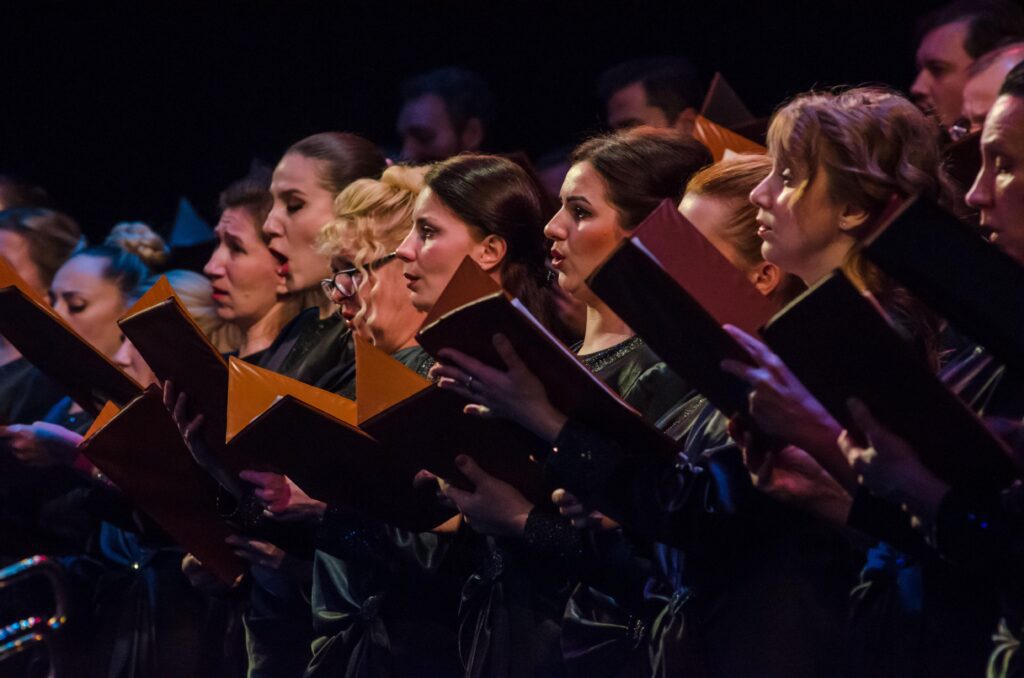
Sectional Rehearsals
Many choirs divide rehearsals by sections:
- Sopranos rehearse separately
- Altos rehearse separately
- Tenors and basses rehearse separately
This allows singers to:
- Learn notes accurately
- Strengthen confidence
- Fix harmonic issues
Sectional rehearsals build a stronger foundation before combining the full choir.
Ear Training Exercises
Ear training helps singers recognize intervals and harmonic relationships.
Common exercises include:
- Singing scales
- Interval recognition
- Chord identification
- Call-and-response exercises
Improved listening skills lead to more accurate harmony.
Recording and Reviewing Practice Sessions
Recording rehearsals allows choirs to identify:
- Pitch problems
- Balance issues
- Timing inconsistencies
- Weak harmonies
Listening back objectively helps singers improve more effectively.
Conducting Techniques
The conductor plays a major role in shaping choir harmony.
Conductors guide:
- Dynamics
- Tempo
- Balance
- Expression
- Entrances and cutoffs
A skilled conductor helps unify the choir into a cohesive musical ensemble.
Consistent Vocal Warm-Ups
Warm-ups prepare singers physically and vocally before rehearsals or performances.
Effective warm-ups improve:
- Breath support
- Pitch control
- Resonance
- Vocal flexibility
Healthy voices contribute significantly to stable harmony.
How Judges Evaluate the Role of Harmony in Competitive Choir Performances
Choir competition judges often use detailed scoring systems to evaluate performances.
Harmony is usually assessed through:
Are the notes consistently in tune?
Do all sections blend naturally together?
Is the choir producing a rich and healthy sound?
Does the harmony support emotional expression?
Are chord transitions clean and synchronized?
Choirs with refined harmony often score highly because harmony affects nearly every aspect of choral performance.
The Emotional Role of Harmony in Competitive Choir Performances
One of the most beautiful aspects of choir singing is the emotional impact harmony creates.
When voices blend perfectly:
- Audiences feel connected
- Lyrics become more meaningful
- Music becomes memorable
Harmony transforms technical singing into artistic storytelling.
In many successful choir performances, audiences may not fully understand the technical aspects of harmony, but they deeply feel its emotional effect.
That emotional connection is what makes competitive choir performances truly unforgettable.
The Role of Discipline and Practice in Choir Harmony
Excellent harmony does not happen by accident. It requires:
- Discipline
- Patience
- Repetition
- Teamwork
Choirs spend countless hours refining:
- Pitch
- Dynamics
- Blending
- Timing
- Expression
The strongest competitive choirs understand that harmony is built through consistent dedication and collaboration.
Technology and the Role of Harmony in Competitive Choir Performances
Modern choirs increasingly use technology to improve harmony.
Helpful tools include:
- Pitch-training apps
- Digital rehearsal tracks
- Virtual section practice recordings
- Audio analysis software
These tools help singers practice more effectively outside regular rehearsals.
Technology has become an important part of modern competitive choir preparation.
Harmony is the foundation of every successful competitive choir performance. It creates musical richness, emotional depth, balance, and unity within the ensemble. More importantly, harmony reflects the teamwork and discipline that define outstanding choral singing.
In choir competitions, judges listen carefully for clean intonation, smooth blending, balanced dynamics, and expressive musical interpretation. A choir that masters harmony stands out not only for technical excellence but also for its ability to emotionally connect with audiences.
Developing strong harmony requires patience, careful rehearsal, active listening, and consistent vocal training. From sectional practices to ear training and conductor guidance, every aspect of choir preparation contributes to stronger harmonic performance.
For students and musicians looking to improve their musical understanding and vocal coordination, professional Piano Lessons Online can also help strengthen ear training, pitch recognition, rhythm control, and overall musicality — essential skills for successful choir performances and harmony development.
Ultimately, harmony is more than singing different notes together. It is the art of many voices becoming one. And in the world of competitive choir performances, that unity is what transforms music into something truly powerful and unforgettable.
Intersted in learning music with us? Register now
For more information and exciting resources about learning music, visit our website at The Mystic Keys. For more music content and exciting offers follow us on
Facebook, Instagram, YouTube, LinkedIn, Twitter, Pinterest, and Threads.