Music Training in Canada During School Holidays
School holidays in Canada offer children a welcome break from their regular academic schedules, giving them more time to relax, explore their interests, and enjoy activities beyond the classroom. Whether it is the long summer vacation, winter break, March Break, or shorter school holidays throughout the year, these periods provide an excellent opportunity to discover new hobbies and develop valuable skills. For parents exploring music training in Canada, school holidays are an ideal time to introduce children to musical learning, allowing them to develop creativity, explore different instruments, and build musical confidence while making their free time more meaningful.
While holidays are often associated with travel, outdoor activities, and entertainment, they can also become a wonderful time to nurture creativity and artistic expression. Learning an instrument, improving vocal abilities, or exploring music theory allows children to engage their minds in a different way without the pressures of regular schoolwork. With flexible learning options and personalised instruction, music lessons can easily become part of a child’s holiday routine.
Why School Holidays Are an Ideal Time to Learn Music
During the school term, children often balance classroom lessons, homework, examinations, extracurricular activities, and other responsibilities. As a result, finding enough time to pursue music consistently can sometimes be challenging. School holidays provide a refreshing change, allowing young learners to dedicate more attention to activities they genuinely enjoy.
With fewer academic commitments, children can approach music lessons at a comfortable pace. They have more opportunities to practise, revisit challenging techniques, and develop a better understanding of musical concepts. Instead of rushing through lessons after a busy school day, they can enjoy the learning process and gradually build their abilities.
Moreover, holiday learning does not have to feel like an extension of school. Music offers a creative environment where children can experiment with sounds, explore different musical styles, and express themselves freely. This balance between structured learning and creative exploration makes music education an excellent addition to school holidays.
Making the Most of Summer Holidays with music training in Canada
Summer holidays in Canada are among the longest breaks in the academic calendar. With several weeks away from regular classroom routines, children have an opportunity to explore interests that may receive less attention during the school year.
Enrolling in music classes in Canada during this period can help children develop a consistent musical routine while exploring their creative interests. Learning piano, guitar, violin, drums, or vocals allows beginners to become familiar with their chosen instrument without feeling overwhelmed by school responsibilities. Those who already have some musical experience can use the additional time to strengthen their technique, improve their rhythm, and explore more challenging pieces.
Furthermore, summer music lessons can help maintain a healthy balance between relaxation and productive activities. Rather than spending the entire holiday on screens or passive entertainment, children can engage in something that stimulates creativity and provides a sense of achievement. By the time school resumes, they may have developed new musical abilities and greater confidence in their performance.

Winter Break and March Break | Exploring Music training in Canada
Although summer gets considerable attention, shorter school holidays in Canada also offer time for musical development. Winter break, with its Christmas and New Year celebrations, is a wonderful time to explore music.
Seasonal songs and Christmas carols make learning more enjoyable. Children learning piano or guitar can practise familiar festive tunes, while vocal students can improve their pitch, breathing, and singing techniques. Connecting lessons with holiday celebrations also makes practice more engaging.
Similarly, March Break is a great opportunity to start music lessons or work towards specific goals. Students can revisit musical concepts, improve their techniques, or prepare for examinations. With flexible scheduling, they can continue learning while enjoying their holidays.
How Music Supports Children’s Overall Development
Music education offers benefits that extend well beyond learning to play an instrument or sing a song. It encourages children to develop important skills that can support their academic, personal, and social growth.
Learning music involves listening carefully, recognising patterns, understanding rhythm, remembering musical sequences, and coordinating different movements. These activities encourage concentration, patience, and problem-solving abilities. As children progress from simple exercises to more complex musical pieces, they learn the importance of consistency and gradual improvement.
Equally important is the role music plays in emotional development. Children often find music to be a natural outlet for expressing their feelings and creativity. Playing a favourite melody or singing a familiar song can provide a sense of enjoyment and accomplishment. Over time, performing music can also help them become more comfortable expressing themselves in front of others.
Another valuable aspect is the development of discipline and independence. Regular practice teaches children to set small goals, manage their time, and take responsibility for their progress. These habits can positively influence other areas of their lives, including their academic routines.

Choosing the Right Music training in Canada During School Holidays
Once parents decide to introduce music education during the holidays, choosing the right course becomes important. Every child has different interests, preferences, and experience levels. Selecting a course that matches their personality makes learning more enjoyable.
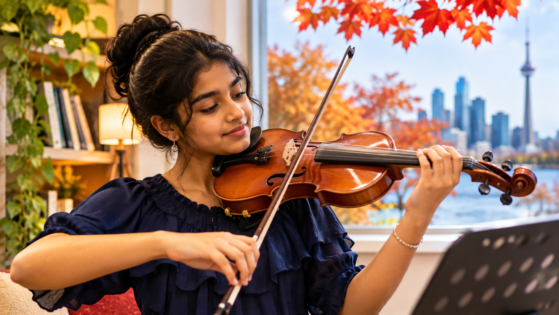
Piano and keyboard lessons help children understand melodies and harmony. Guitar introduces them to chords and contemporary music, while violin develops classical techniques and expressive playing. Children who enjoy rhythm may find drums especially engaging.
Vocal training helps young learners improve pitch, breathing, singing techniques, and confidence. Those interested in Indian music can explore Hindustani or Carnatic vocals, while others may prefer Western vocals.
Music theory, notation, and aural training further strengthen their musical foundation and understanding.
Above all, learning should be enjoyable. Parents should consider their child’s interests rather than choosing a course based only on popularity. When children enjoy music, they are more likely to stay motivated and make steady progress.

The Advantages of Online One-on-One Music Lessons for Canadian Students
With busy family schedules, travel plans, and varying holiday arrangements, attending in-person classes may not always be convenient. Online music education provides a flexible alternative, allowing children across Canada to continue learning from the comfort of their homes.
Through live online lessons, students can interact directly with experienced music instructors, receive individual attention, and work on their musical goals. Unlike a general group session, one-on-one instruction allows the teacher to understand each learner’s strengths, identify areas that need improvement, and adjust the lesson according to their progress.
This personalised approach is particularly beneficial for beginners who may need additional guidance when learning basic techniques. At the same time, experienced students can receive more focused instruction to refine their performance and prepare for graded examinations.
Another advantage is scheduling flexibility. Families can coordinate lesson timings around vacations, family commitments, and other holiday activities. Since students can attend lessons from home, there is no need to spend additional time travelling to a music school.
Additionally, online learning makes quality music education accessible to students living in different Canadian cities and communities, including those who may not have specialised music instructors nearby.

Preparing Children for Trinity, ABRSM and Other Music Examinations
For students in Canada who wish to pursue music more seriously, school holidays offer an excellent opportunity to strengthen their musical foundation and work towards recognised qualifications. Professional music training can help young learners develop technical abilities, musical understanding, and performance skills through a structured learning approach. International examination boards such as Trinity College London and ABRSM provide established learning pathways for students interested in developing their musical abilities and progressing through graded examinations.
During school holidays, students can dedicate additional time to practising examination pieces, improving sight-reading, strengthening their understanding of music theory, and developing aural skills. With guidance from a qualified music instructor, they can identify areas that require improvement and follow a focused preparation plan suited to their current level. This additional learning time can be particularly useful for students balancing regular schoolwork with music lessons throughout the academic year.
However, quality music training in Canada should extend beyond examination preparation. While graded certifications can provide clear learning goals, building musical confidence, developing proper techniques, and exploring different styles are equally important. Not every holiday needs to revolve around assessments. For some learners, strengthening their fundamentals, mastering a new composition, or improving their instrumental or vocal abilities can be equally rewarding.
A balanced approach to music training ensures that students continue making meaningful progress while developing a genuine and lasting interest in music.

Balancing Music Training in Canada with Holiday Activities
Although school holidays offer more time for learning, children also need opportunities to relax, play, travel, and spend time with family. Music training in Canada should complement their holiday activities rather than become another academic responsibility.
A flexible lesson schedule and short, consistent practice sessions can help children develop their musical skills without feeling pressured. Parents can also encourage music at home through singing, listening to different genres, and exploring instruments together.
The goal is to make music learning enjoyable while allowing children plenty of time to relax and make the most of their holidays.
How Parents Can Encourage a Lasting Interest in Music
Parents play an important role in helping children develop a positive relationship with music. Their encouragement, patience, and involvement can make a significant difference, particularly during the early stages of learning. For families enrolling their children in music classes in Canada, creating a supportive learning environment at home can further strengthen their interest and enthusiasm for music.
Rather than focusing only on how quickly a child progresses, parents should appreciate small achievements. Learning a new chord, playing a melody independently, singing with improved pitch, or completing a challenging exercise are all meaningful milestones.
Providing a comfortable practice space and allowing children to choose music they enjoy can also strengthen their motivation. At the same time, maintaining realistic expectations helps prevent frustration. Every learner develops at a different pace, and consistent encouragement is far more valuable than unnecessary pressure.
Most importantly, children should understand that music is not simply another activity to complete. It is a skill they can enjoy, explore, and develop throughout their lives.

Make This School Holiday a Musical Learning Experience with The Mystic Keys
School holidays are a great time for children to explore new interests, build creative skills, and discover their musical talents. Music education encourages creativity, discipline, self-expression, and personal growth.
At The Mystic Keys, we make learning music enjoyable through personalised instruction. With over 15 years of experience, we offer live online, one-on-one music lessons to students across Canada and worldwide.
Our courses include piano, keyboard, guitar, violin, drums, Western vocals, Hindustani and Carnatic vocals, and ukulele. Experienced instructors provide individual guidance based on each student’s interests and goals. We also support internationally recognised music examinations, including Trinity College London and ABRSM.
Whether your child is a beginner or an experienced learner, our flexible online lessons make music education easy to include in their school holidays.
For more information and exciting resources about learning music, visit our website at The Mystic Keys. For more music content and exciting offers follow us on
Facebook, Instagram, YouTube, LinkedIn, Twitter, Pinterest, and Threads.