Learn a Musical Instrument: Every Child Should
Why Every Child Should Learn at Least One Musical Instrument
Introduction
Every child must Learn a Musical Instrument to explore music, express creativity, and discover new interests. While some children naturally enjoy singing or dancing, learning to play an instrument can introduce them to an entirely new world of sounds, skills, and experiences. Encouraging children to learn a musical instrument is not just about developing musical talent; it is also an opportunity to build confidence, discipline, creativity, and valuable life skills.
Whether a child is interested in the piano, guitar, violin, drums, or another instrument, music education can become a meaningful part of their development. It teaches children to set goals, practise regularly, overcome challenges, and appreciate the satisfaction of making progress.
So, why should every child consider learning at least one musical instrument? Let’s explore the benefits and understand how parents can help children begin their musical journey.
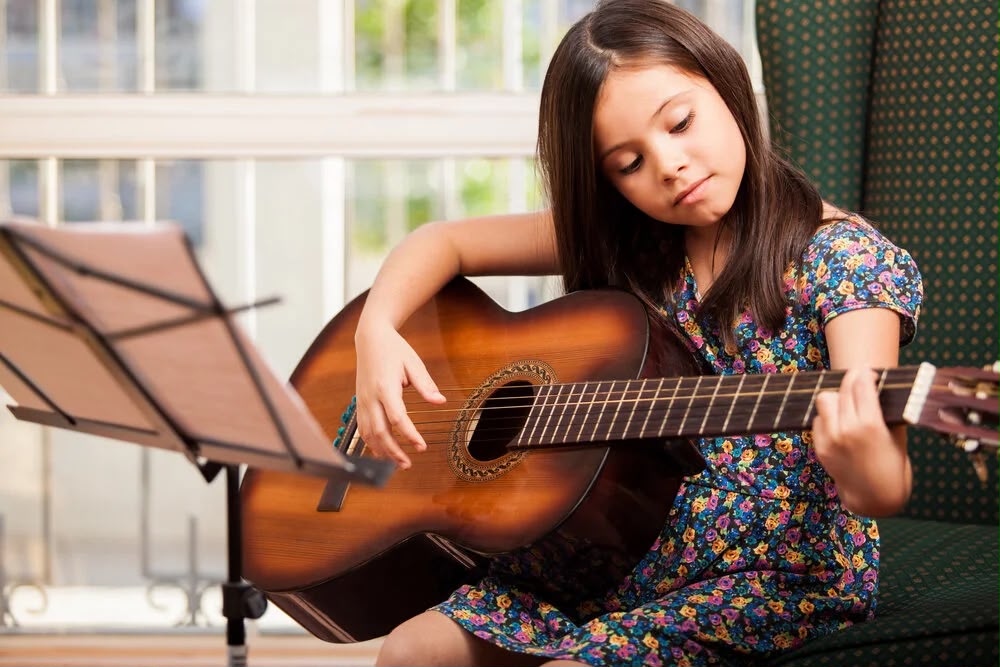
1. Why Every Child Should Learn a Musical Instrument
Learning an instrument offers children more than the ability to play songs. It introduces them to a structured yet creative activity where they can explore their interests while developing important skills.
When children learn a musical instrument, they gradually become familiar with rhythm, melody, harmony, musical patterns, and expression. They also learn that improvement comes through patience and regular practice.
A child who begins with simple notes may eventually play complete songs, understand musical notation, and perform confidently in front of others.
Most importantly, music gives children an enjoyable way to learn something new while developing a skill they can continue exploring throughout their lives.
2. How Learning a Musical Instrument Supports Brain Development
One of the most interesting benefits of learning music is the mental engagement involved in playing an instrument.
Children use several skills simultaneously when practising music. They listen to sounds, read notes, coordinate their hands, follow rhythms, and remember musical patterns.
These activities can support different areas of cognitive development.
Learning a Musical Instrument Improves Concentration
Playing an instrument requires children to pay attention to several details at once. They need to follow instructions, recognise notes, maintain rhythm, and notice mistakes.
For example, a child learning piano must often read musical notes while coordinating both hands. A young guitarist needs to remember chord shapes while maintaining a steady strumming pattern.
With regular practice, children get opportunities to develop their ability to focus on a task and work through it carefully.
Learning a Musical Instrument Strengthens Memory Skills
Music involves remembering melodies, rhythms, lyrics, notes, and sequences.
As children learn new songs, they practise recalling musical patterns and applying previously learned techniques.
This can provide valuable memory-training opportunities that complement their everyday learning experiences.
Learning a Musical Instrument Develops Problem-Solving Skills
Children sometimes struggle with difficult passages, unfamiliar rhythms, or complicated finger movements.
Instead of giving up, they learn to identify what is going wrong and try different ways to improve.
For example, a piano student may practise a difficult section slowly before gradually increasing the speed. This encourages patience, observation, and problem-solving.
3. Learning a Musical Instrument Builds Discipline and Patience
One of the most valuable lessons music teaches children is that progress takes time.
A child cannot usually master an instrument after just a few lessons. They need to practise basic techniques, repeat exercises, correct mistakes, and gradually develop their abilities.
This process helps children understand the importance of consistency.
Regular Music Practice Builds Good Habits
When children follow a practice routine, they learn to make time for an activity and complete small tasks regularly.
Even 15–20 minutes of focused practice can help reinforce what they have learned during their lessons.
Over time, this routine can encourage responsibility and a more organised approach to learning.
Learning an Instrument Teaches Patience
Some musical techniques take longer to develop than others. A beginner guitarist may struggle with chord transitions, while a young violinist may need time to develop bow control.
Children gradually understand that mistakes are part of the learning process.
Rather than expecting immediate results, they learn to appreciate small improvements and keep working towards their goals.
4. How Learning a Musical Instrument Builds Children’s Confidence
Confidence develops when children recognise their abilities and realise what they can achieve through effort.
Learning an instrument provides many opportunities for these experiences.
A child may initially feel nervous about playing a simple melody. However, after practising and receiving encouragement, they may become comfortable performing the same piece independently.
Performing Music Encourages Self-Confidence
Playing in front of parents, teachers, friends, or an audience can help children become more comfortable presenting their abilities.
School concerts, music recitals, and group performances give young learners opportunities to share their progress.
These experiences can gradually help them feel more confident in different situations.
Small Musical Achievements Create Motivation
Completing a first song, learning a new chord, or playing a difficult rhythm correctly can feel like a major achievement.
Recognising these milestones encourageschildren to continue learning and take on new challenges.

5. Learning a Musical Instrument Encourages Creativity and Self-Expression
Music is not only about following notes and instructions. It is also a form of creative expression.
As children become familiar with their instruments, they begin exploring different melodies, rhythms, sounds, and musical styles.
Children Discover Their Own Musical Interests
Some children may enjoy classical piano, while others prefer energetic guitar music, film soundtracks, worship music, or contemporary songs.
Learning an instrument allows them to discover what they enjoy and develop their own musical preferences.
Music Provides an Outlet for Emotions
Children do not always find it easy to express their feelings through words.
Music can offer another way to communicate emotions through melody, rhythm, and dynamics.
For example, a child may enjoy playing a gentle piano piece when they want a calm activity or exploring energetic drum patterns when they feel excited.
This makes music a meaningful creative outlet during childhood.
6. How Learning a Musical Instrument Develops Coordination Skills
Playing an instrument involves physical movement as well as listening and thinking.
Children gradually learn to coordinate different movements while maintaining rhythm and musical accuracy.
Piano Develops Hand Coordination
Piano students often learn to use both hands independently while following musical notation.
They may begin with simple melodies before progressing to pieces that require more complex coordination.
Guitar Develops Finger Control
Guitar lessons introduce children to finger placement, chord shapes, strumming, and picking techniques.
These activities encourage controlled hand and finger movements.
Drums Develop Rhythm and Body Coordination
Drumming requires children to coordinate their hands and feet while maintaining a steady beat.
They learn to recognise rhythmic patterns and perform different movements simultaneously.
Each instrument offers its own physical challenges, allowing children to develop coordination through enjoyable musical activities.
7. Learning a Musical Instrument Encourages Social Skills and Teamwork
Although children can practise instruments independently, music also creates opportunities for social interaction.
Group lessons, school bands, orchestras, and musical ensembles teach children how to work with others towards a shared goal.
Playing Music Together Teaches Teamwork
When children participate in group performances, they learn to listen to other musicians, follow a conductor or group leader, maintain timing, and respect everyone’s contribution.
They begin to understand that a successful performance depends on cooperation.
Music Helps Children Build Friendships
Music classes and group activities bring together children who share similar interests.
They can learn from one another, exchange ideas, practise together, and celebrate each other’s progress.
These shared experiences can make music education more enjoyable and socially rewarding.
8. How Learning a Musical Instrument Can Support Emotional Well-Being
Childhood involves many new experiences, expectations, and changes. Having an enjoyable activity outside academic responsibilities can help children maintain a healthy balance.
Music provides an opportunity to focus on something creative and personally meaningful.
Music Can Become a Relaxing Activity
Playing a familiar melody or practising a favourite song can offer children a pleasant break from their daily routine.
Many children enjoy the feeling of concentrating on music and creating something with their own hands.
Music Encourages Emotional Awareness
Different musical styles and compositions can communicate different moods and feelings.
As children explore music, they can begin recognising how tempo, dynamics, and melody influence the emotional character of a piece.
This can encourage curiosity about emotions and different forms of expression.
9. Which Musical Instrument Should Children Learn First?
Choosing the right instrument is an important step in a child’s musical journey.
There is no single instrument that is best for every child. The right choice depends on their interests, age, physical readiness, and the type of music they enjoy.
Here are some popular options.
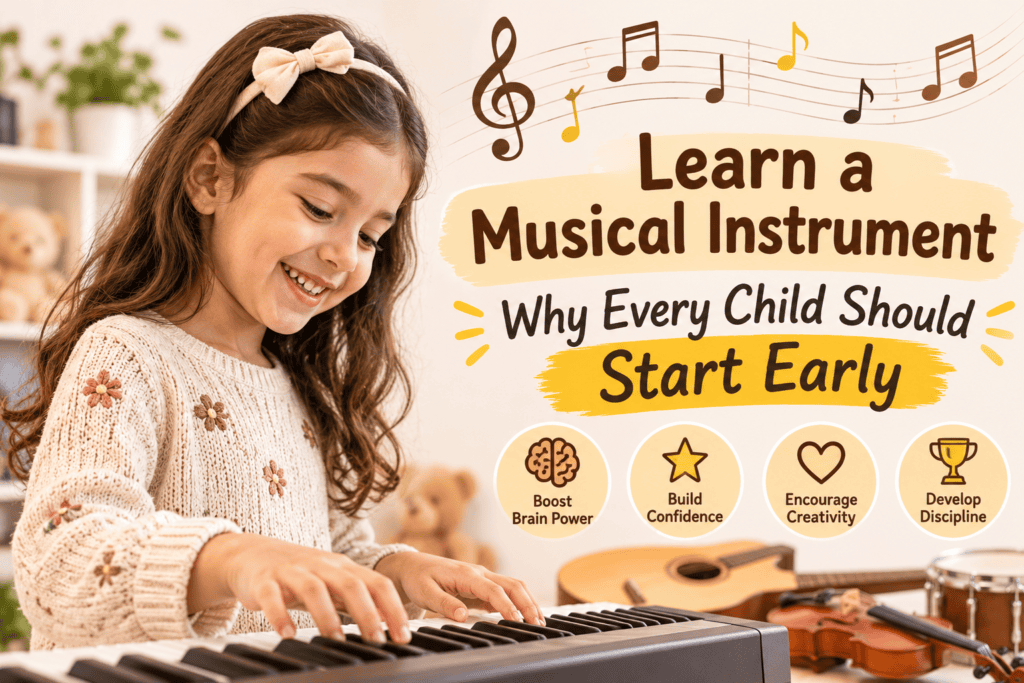
Piano and Keyboard for Beginners
<text> </text>
The piano is often a suitable starting point for children because its keyboard layout makes musical notes and patterns easy to see.
Young learners can begin with simple melodies, basic rhythms, and finger exercises before progressing to chords and more advanced pieces.
Piano lessons can also introduce children to music theory in a practical way.
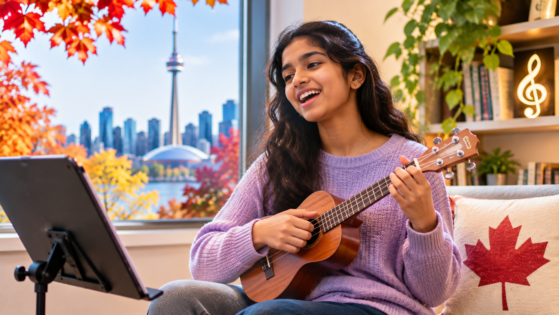
Guitar for Young Music Enthusiasts
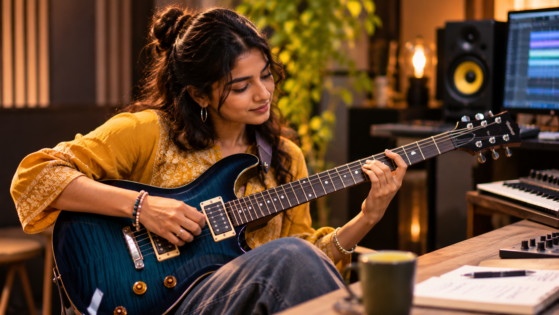
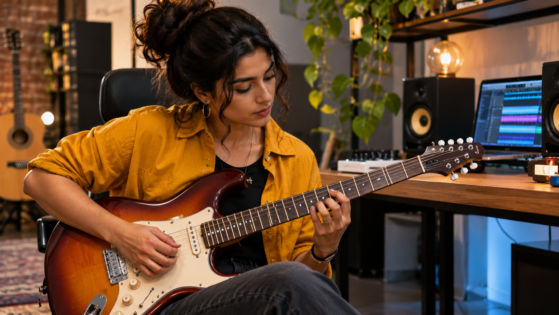
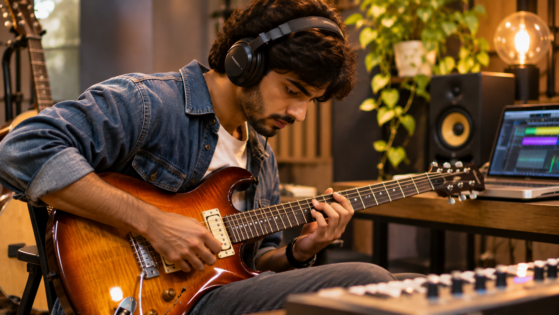
Children who enjoy singing along to songs or listening to contemporary music may find the guitar exciting.
Beginner guitar lessons usually cover basic chords, strumming patterns, finger placement, and simple songs.
The instrument is available in different sizes, so parents can explore options suitable for their child’s age and comfort.
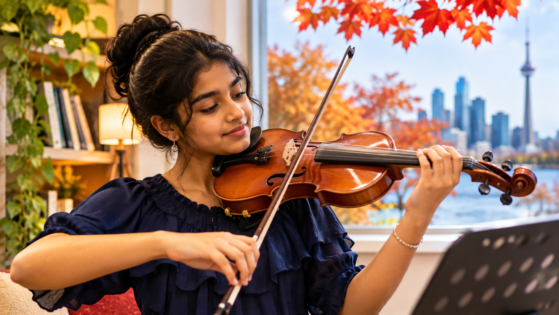
Violin for Children Interested in Classical Music
The violin can be a rewarding choice for children who enjoy classical and orchestral music.
Beginners learn posture, bow handling, finger placement, and basic melodies.
Although developing good technique takes patience, structured lessons can help children progress gradually.
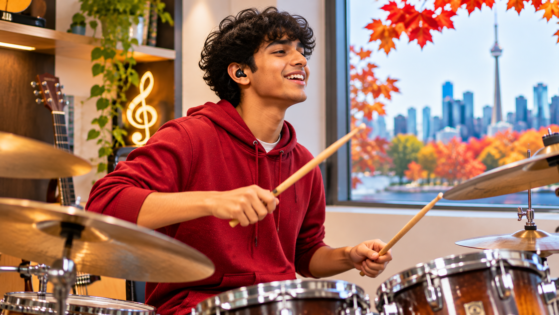
Drums for Children Who Love Rhythm
Children who enjoy beats and energetic music may be drawn to drums.
Drum lessons introduce basic rhythms, coordination, sticking techniques, and timing.
They can also explore different musical styles as their skills develop.
Singing and Vocal Training
Children who enjoy singing can benefit from structured vocal lessons.
These lessons can introduce healthy singing habits, pitch accuracy, breathing techniques, rhythm, and musical expression.
Vocal training can also complement learning an instrument.
10. How Parents Can Encourage Children to Learn a Musical Instrument
Parents play an important role in making music education a positive experience.
Children are more likely to enjoy learning when they feel supported rather than pressured to achieve immediate results.
Here are a few practical ways parents can encourage their musical development.
Let Children Explore Their Interests
Allow children to listen to different types of music and explore instruments before making a decision.
A child who genuinely enjoys the instrument they are learning may feel more motivated to practise.
Choose Age-Appropriate Music Lessons
Look for teachers and programmes that understand the needs of young learners.
Lessons should introduce musical concepts gradually, with activities that are suitable for the child’s age and skill level.
Create a Comfortable Practice Space
A quiet and comfortable area at home can help children concentrate during practice.
Keep their instrument, music books, and other learning materials easily accessible.
Encourage Regular but Manageable Practice
Young learners do not need extremely long practice sessions.
Short, consistent sessions can help them build familiarity with their instrument without feeling overwhelmed.
Celebrate Progress Instead of Expecting Perfection
Avoid focusing only on mistakes or comparing your child with other learners.
Recognise their effort, celebrate improvements, and encourage them to enjoy the learning process.
11. Why Structured Music Lessons Matter for Children
While children can explore music independently, structured lessons provide guidance that can make learning more effective and enjoyable.
A qualified teacher can introduce the correct techniques, identify areas that need improvement, and help children develop a strong musical foundation.
Good music lessons typically combine:
Rhythm and timing exercises.
Music theory and note reading.
Practical song learning.
Regular feedback and progress evaluation.
A personalised learning approach also helps teachers adapt lessons to a child’s interests and learning pace.
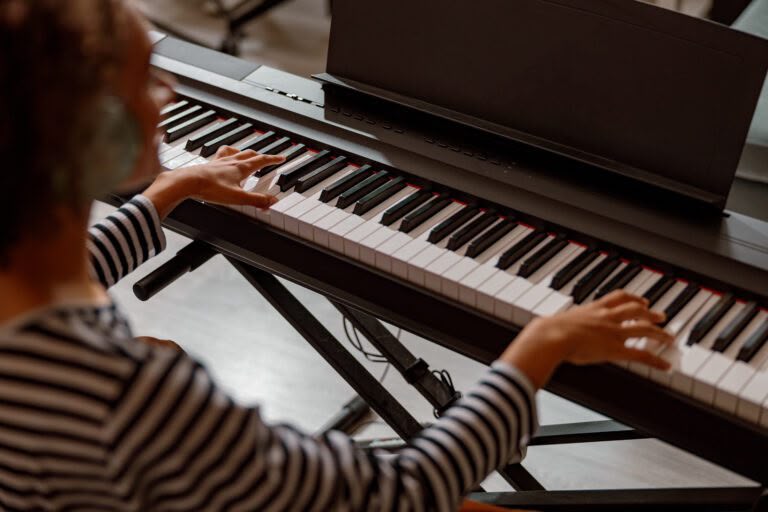
12. Why Choose The Mystic Keys for Children’s Music Lessons?
Finding the right music education programme can make a significant difference to a child’s learning experience.
At The Mystic Keys, children can explore their musical interests through online lessons with internationally certified teachers and personalised guidance.
Whether your child wants to learn piano, guitar, violin, drums, or develop their singing skills, structured lessons can help them build a strong foundation and progress at a comfortable pace.
Online learning also makes music education more accessible for families who prefer the convenience of learning from home.
With the right encouragement and consistent guidance, children can discover the joy of music while developing skills that remain valuable throughout their lives.
Conclusion
Learning a musical instrument can be one of the most rewarding experiences in childhood. It gives children an opportunity to develop creativity, concentration, discipline, confidence, coordination, and social skills while discovering a lifelong interest.
Every child does not need to become a professional musician. The real value lies in the experience of learning, practising, expressing themselves, and enjoying music.
Whether they choose piano, guitar, violin, drums, or another instrument, the journey can begin with one simple step: giving music a place in their lives.
For more information and exciting resources about learning music, visit our website at The Mystic Keys. For more music content and exciting offers follow us on
Facebook, Instagram, YouTube, LinkedIn, Twitter, Pinterest, and Threads,