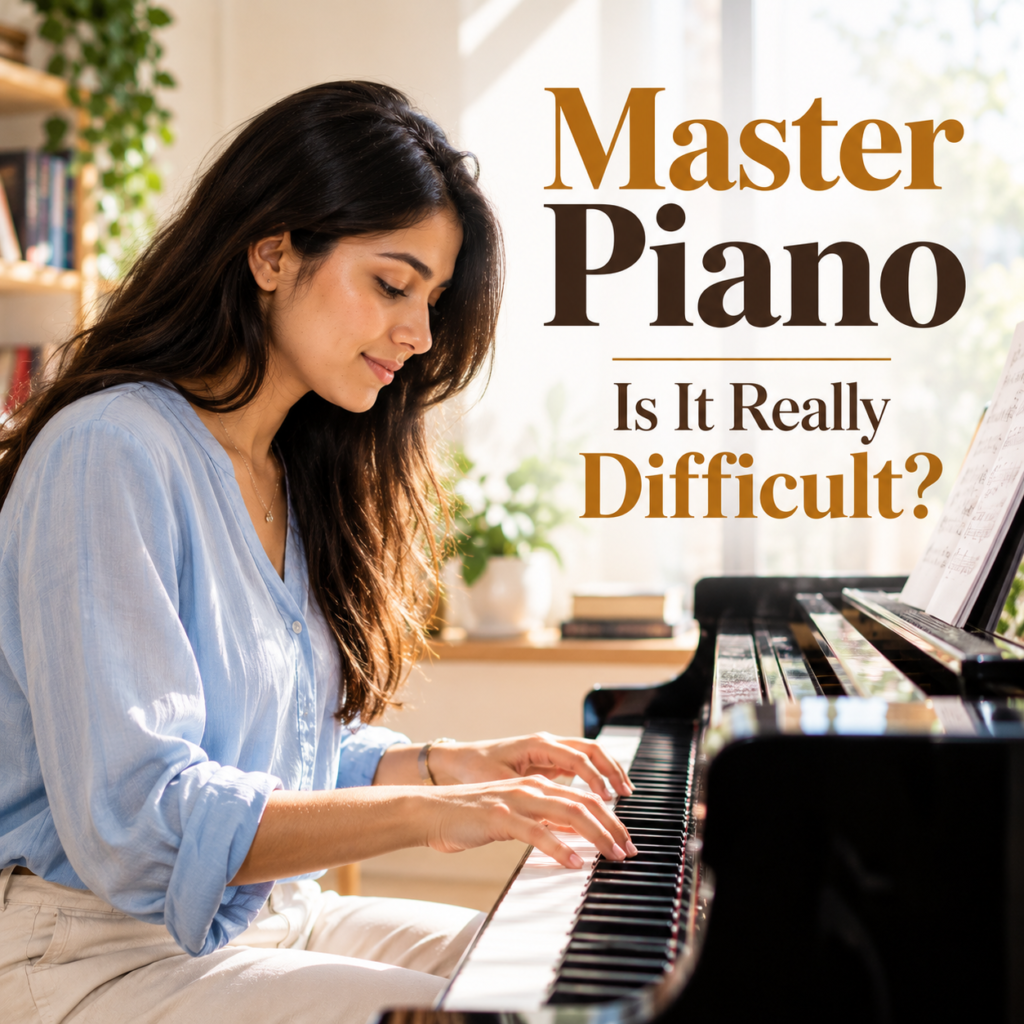
Master Piano | Is It Really Difficult?
But is mastering the piano really that difficult?
The honest answer is: learning the piano is challenging, but it is absolutely achievable with the right approach, consistent practice, and patience. You do not need to be born with extraordinary musical talent to become a confident pianist. Instead, progress comes from understanding the fundamentals, developing good habits, and gradually building your skills.
Whether you are a complete beginner, a parent considering piano lessons for your child, or someone returning to the instrument after years, understanding what makes piano difficult—and what makes it easier—can change the way you approach learning.
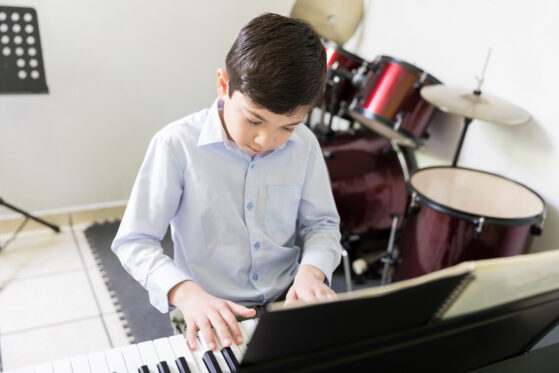
Why Does It Seem So Difficult to Master Piano?
At first glance, the piano can feel overwhelming because several things happen simultaneously. You may need to read music, coordinate both hands, maintain rhythm, remember notes, use the correct fingering, and pay attention to dynamics.
That can certainly feel like a lot.
However, these skills are not expected to develop overnight. A beginner usually learns them gradually, with each new concept building on something already familiar. Once the basic patterns become comfortable, many things that initially required conscious thought begin to happen naturally.
In fact, one of the biggest misconceptions about piano learning is that you have to master everything at once. You don’t. Good piano learning is a step-by-step process.
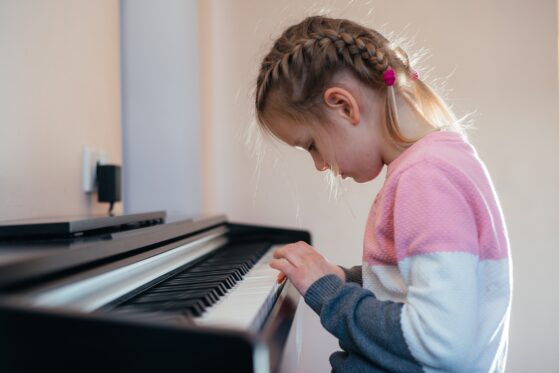
The First Steps Are Usually the Hardest
Starting something new almost always feels more difficult than continuing it. Piano is no exception.
During the early stages, your fingers may feel unfamiliar with the keyboard. Reading notes can seem slow, and coordinating both hands may require considerable concentration. Even playing a simple melody can take several attempts.
With regular practice, though, your brain and fingers gradually begin to work together. You start recognizing notes more quickly, remembering common patterns, and moving around the keyboard with greater confidence.
As a result, the instrument that once seemed complicated starts becoming familiar.
This is why beginners should not judge their musical ability based on their first few weeks. Early difficulty is not a sign that you are bad at piano—it is simply part of learning a new skill.
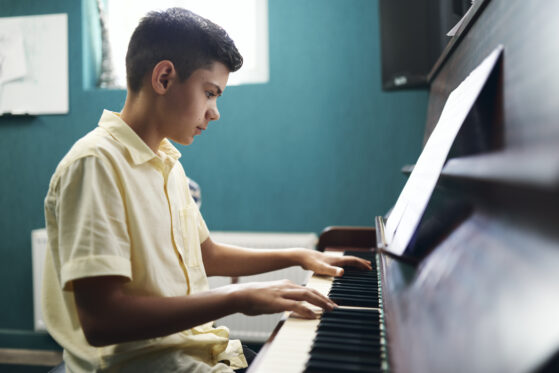
Can You Master Piano by Learning to Read Sheet Music?
Music reading is another area that often worries beginners. At first, the staff, clefs, notes, rests, rhythms, and other symbols can look like an entirely new language.
The good news is that music reading becomes easier through repetition.
Instead of trying to memorize every note individually, students gradually learn to recognize patterns, intervals, scales, chords, and rhythmic structures. Over time, reading music becomes less about decoding every single symbol and more about understanding the musical idea as a whole.
Moreover, learning to read music has a major advantage: it gives you the ability to explore a much wider range of piano pieces independently.
So, while sheet music may seem difficult initially, it is a skill that becomes considerably more comfortable with consistent exposure.
Why Is Playing With Both Hands Challenging?
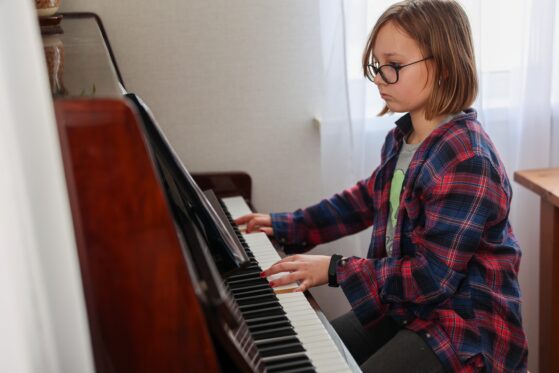
One of the first major challenges for many piano students is coordinating both hands.
The right and left hands often perform different musical roles. One hand may play the melody while the other provides chords or accompaniment. Sometimes both hands may follow completely different rhythms.
Naturally, this can feel confusing at first.
However, coordination develops progressively. Teachers often break a difficult passage into smaller sections, practise each hand separately, and then combine them slowly. This approach allows the brain to understand what each hand needs to do before putting everything together.
Eventually, movements that once demanded intense concentration become more automatic.
That is one of the most rewarding moments in piano learning—you suddenly realize that your hands are doing something that once seemed impossible.
Does Talent Matter When You Want to Master Piano?
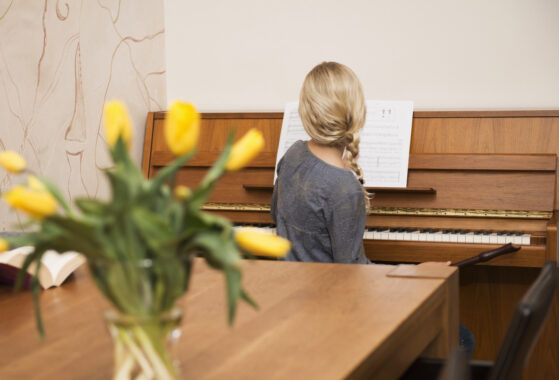
Talent can certainly influence how quickly someone initially picks up certain musical concepts. Nevertheless, it is rarely the deciding factor in long-term piano development.
A student who practices consistently, listens carefully, learns from mistakes, and develops proper technique can make remarkable progress even without considering themselves naturally talented.
In contrast, natural ability without regular practice can quickly reach a limit.
Therefore, instead of asking, “Am I talented enough to learn piano?”, a better question is, “Am I willing to practise consistently and learn patiently?”
That mindset creates a much healthier relationship with music.

How Long Does It Take to Master Piano?
There is no single timeline for learning piano because everyone’s goals are different.
Someone who wants to play simple songs for enjoyment may become comfortable with basic pieces within a relatively short period. Another learner aiming for advanced classical repertoire, examinations, professional performance, or sophisticated improvisation will need considerably more time.
Progress also depends on practice habits, lesson quality, previous musical experience, age, and the complexity of the music being learned.
Rather than focusing entirely on how many months or years it takes, it is more useful to measure progress through small milestones. Playing a complete song, reading a new piece, changing chords smoothly, or performing confidently can all represent meaningful achievements.
Piano mastery is not a race. It is a journey of continuous improvement.
The Importance of Consistent Practice
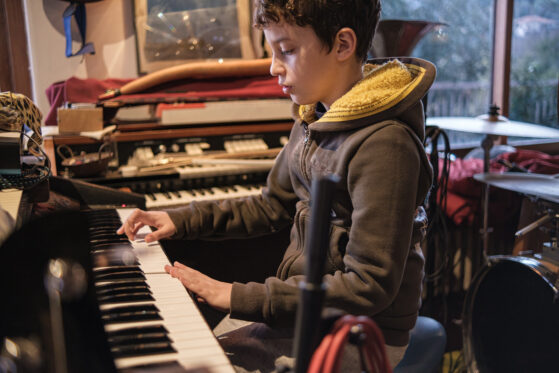
Practice is where much of piano development actually happens.
You do not necessarily need to spend several hours at the piano every day. For many learners, a focused and consistent practice routine is far more effective than occasional long sessions.
Even a short practice session can be valuable when it has a clear purpose. One day might focus on scales and technique, while another could concentrate on rhythm, sight-reading, or a challenging section of a song.
More importantly, practice should not simply mean repeatedly playing a piece from beginning to end. Identifying difficult sections and working on them slowly can often produce much better results.
Over time, these small improvements accumulate.
Why Having a Good Teacher Makes a Difference
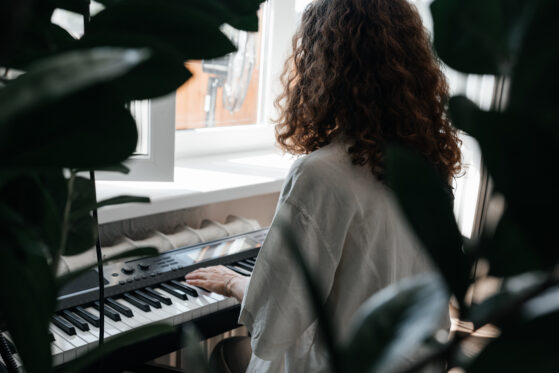
Learning independently is possible, especially with the huge amount of educational content available today. However, having an experienced piano teacher can make the learning process more structured and efficient.
A teacher can identify technical problems before they become habits, explain difficult concepts in a simpler way, select appropriate pieces, and provide encouragement when progress feels slow.
Additionally, personalised lessons allow students to learn at a pace that suits their current ability rather than following a one-size-fits-all approach.
A good teacher does more than teach notes. They help students understand how to practise, how to listen, and how to express themselves through music.

Can Adults Master Piano Too?
Absolutely.
Many adults hesitate to begin piano because they believe they have missed the ideal age for learning. In reality, adults can successfully develop strong piano skills.
Adults often bring useful advantages to learning, including greater patience, clearer goals, and the ability to understand musical concepts intellectually. While children may sometimes develop certain physical coordination skills more quickly, adults can make excellent progress when they practise consistently.
Whether the goal is to play favourite songs, accompany singing, learn classical pieces, or simply enjoy a new hobby, there is no age limit for beginning.
The key is to choose realistic goals and enjoy the process.

What Makes Advanced Piano Playing Difficult?
Learning basic piano skills is only the beginning. As students progress, the instrument becomes more demanding—not necessarily because the notes become impossible, but because the level of musical control increases.
Advanced players must think about phrasing, articulation, dynamics, tone, pedaling, rhythm, interpretation, and emotional expression. A technically correct performance may still sound very different from an expressive one.
At this stage, piano playing becomes less about simply pressing the correct keys and more about communicating an idea or emotion through sound.
That is where true artistry begins.
Mastering Piano Is About More Than Playing the Notes
A pianist can play every note correctly and still give a performance that feels mechanical. On the other hand, a thoughtful performer can make a relatively simple piece sound deeply expressive.
This happens because music involves much more than accuracy.
Touch, timing, dynamics, phrasing, articulation, and pedaling all contribute to the final sound. As students develop these elements, they begin to discover their own musical personality.
Consequently, mastering the piano is not simply about reaching a point where you can play difficult pieces. It is about becoming increasingly capable of making musical choices.
How to Master Piano More Easily and Enjoyably
The learning process becomes much more enjoyable when expectations remain realistic. Trying to master a complicated piece too early can lead to frustration, whereas choosing music that is slightly challenging but still achievable can build confidence.
It also helps to break larger goals into smaller ones. Instead of saying, “I want to become an amazing pianist,” you might begin with, “I want to learn this song,” or “I want to improve my chord changes this month.”
Celebrating these smaller achievements keeps motivation alive.
Most importantly, don’t be afraid of mistakes. Mistakes provide information about what needs more attention. With patience and deliberate practice, the same passage that feels difficult today can become effortless tomorrow.
So, Is Mastering Piano Really Difficult?
Yes—and no.
Piano is undoubtedly a complex instrument, especially when you move toward advanced performance. It requires coordination, musical understanding, technical control, patience, and regular practice.
At the same time, you do not have to master everything to enjoy playing the piano.
Every pianist starts somewhere. The first notes may feel awkward, the first song may take time, and the first performance may not sound exactly as imagined. Yet each practice session builds something.
Eventually, you begin to notice a beautiful change. You stop thinking about every individual finger movement and start thinking about the music itself.
That is when piano playing becomes less about “Can I do this?” and more about “What can I express?”

Final Thoughts
Some days will feel easy, while others may feel frustrating. Progress may sometimes seem invisible, but that does not mean it has stopped. With structured learning, regular practice, and consistent encouragement, even challenging pieces gradually become more manageable.
So, if you have been wondering whether you are capable of learning piano, remember this:
You don’t need to know how to play the piano before you begin. You simply need to begin.
Every pianist you admire once played their first note.
For more information and exciting resources about learning music, visit our website at The Mystic Keys. For more music content and exciting offers follow us on
Facebook, Instagram, YouTube, LinkedIn, Twitter, Pinterest, and Threads.