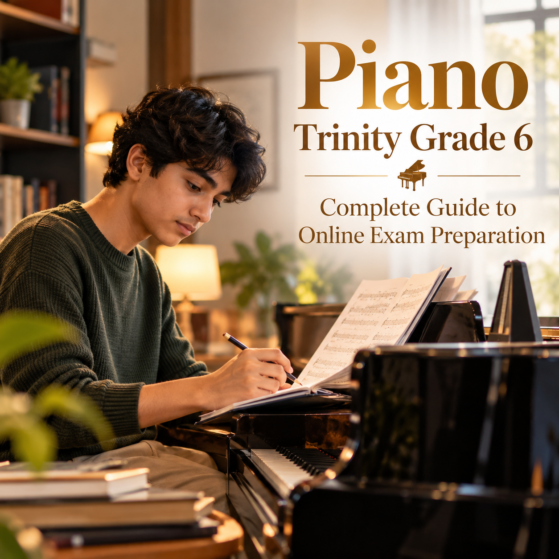
How Music Reading Helps Piano Students Learn Faster and Play Better
Learning the piano is much more than pressing the right keys. Understanding how music reading helps piano students is essential for building a strong musical foundation. One of the most valuable skills every pianist can develop is the ability to read music. Understanding musical notation opens the door to thousands of songs, improves technique, and helps students become independent musicians.
Many beginners wonder whether reading sheet music is really necessary. While it may seem challenging at first, the long-term benefits far outweigh the initial learning curve. In this guide, we’ll explore how music reading helps piano students become more confident, skilled, and expressive musicians, and why this skill is essential for long-term success at the piano.
1. How Music Reading Helps Piano Students Build a Strong Musical Foundation
Learning to read music is similar to learning a new language. Instead of memorizing every song by ear, students understand the meaning behind musical symbols and notes.
A strong foundation in music reading helps piano students:
Identify notes quickly
Understand rhythm and timing
Recognize musical patterns
Learn songs more efficiently
Students who begin reading music early often progress faster because they understand why the music sounds the way it does.
2. How Music Reading Helps Piano Students Learn New Songs Faster
One of the biggest advantages of reading music is the ability to learn unfamiliar pieces without relying on tutorials or memory.
Instead of waiting for someone to demonstrate every note, students can:
Read directly from sheet music
Practice independently
Explore different musical styles
Learn pieces at their own pace
As reading skills improve, learning new songs becomes quicker and much more enjoyable.
3. How Music Reading Helps Piano Students Improve Rhythm and Timing
Reading music teaches students to recognize note values, rests, time signatures, and rhythmic patterns.
Good rhythm allows students to:
Maintain a steady beat
Play with greater accuracy
Perform confidently with others
Develop stronger coordination
These skills become especially valuable when accompanying singers or playing in bands and ensembles.
4. How Music Reading Helps Piano Students Develop Better Finger Coordination
Sheet music encourages students to look ahead while playing, allowing both hands to work together naturally.
Understanding these details helps students perform with emotion instead of simply playing the correct notes.
7. Become Independent Musicians
Perhaps the greatest benefit of reading music is independence.
Instead of depending on video tutorials or teachers for every piece, students can confidently explore:
Classical music
Pop songs
Film music
Jazz
Worship music
Original compositions
Reading music gives piano students the freedom to continue learning throughout their musical journey.
Tips to Improve Music Reading Skills
Like any skill, sight-reading improves with consistent practice.
Here are a few helpful tips:
Practice reading a little every day.
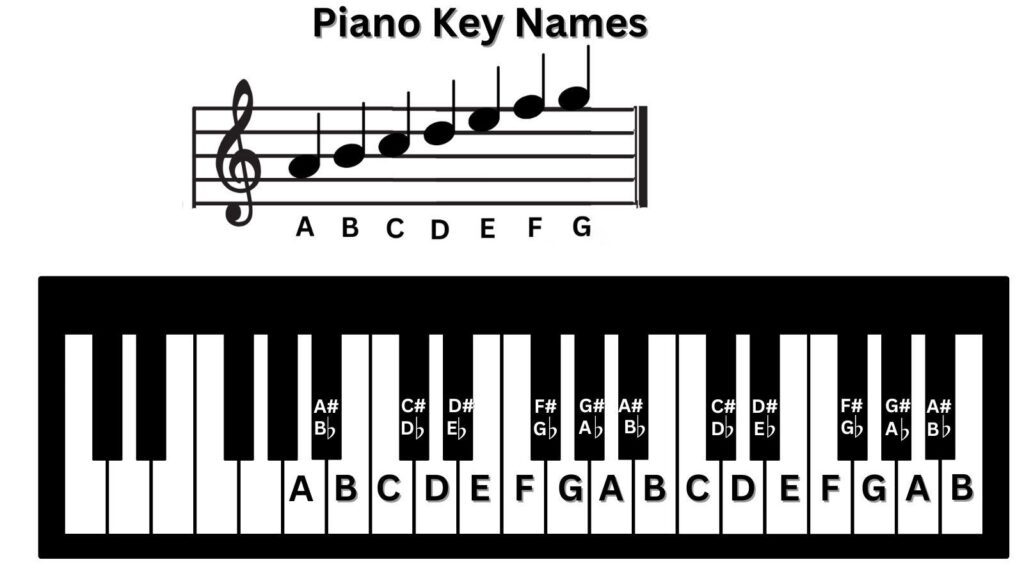
Learn note names on both treble and bass clefs.
Count rhythms aloud while playing.
Start with easy pieces before attempting difficult ones.
Avoid looking at your hands too often.
Practice sight-reading new music regularly.
Small daily improvements lead to significant long-term progress.
Common Mistakes Beginners Should Avoid
Many piano students slow their progress by making these common mistakes:
Memorizing songs without understanding the notation
Skipping rhythm practice
Ignoring dynamics and expression
Practicing too quickly
Reading only one hand at a time for too long
Building good reading habits from the beginning leads to greater confidence and better musicianship.
Understanding how music reading helps piano students reveals why it remains one of the most important skills in piano education. Reading music improves technique, rhythm, confidence, independence, memory, and overall musical understanding.
While learning to read sheet music takes patience and regular practice, it becomes a lifelong skill that allows students to explore any style of music with confidence. Whether you’re a beginner or continuing your piano journey, investing time in music reading will make you a stronger, more versatile pianist.
If you’re ready to build strong music-reading skills with expert guidance, explore our Piano Lessons Online. Our structured lessons help students of all ages develop confidence in reading sheet music, improve piano technique, and progress step by step with experienced instructors. Start your musical journey today and discover how the right training can help you become a confident pianist.
Intersted in learning music with us? Register now
For more information and exciting resources about learning music, visit our website at The Mystic Keys. For more music content and exciting offers follow us on