

Finding the Best Online Music Academy in Asia
Choosing a music academy in Asia can feel overwhelming when so many online programmes offer different instruments, teaching methods, qualifications, and learning experiences. Some students want to learn piano as a hobby, while others want structured guitar lessons, vocal training, Indian classical music, or preparation for international music examinations. The right choice depends on what you want to learn, how you prefer to learn, and the kind of guidance you need to make consistent progress.
Online music education has made it possible for students to learn from teachers beyond their immediate city or country. A student in Singapore can explore Indian classical singing, a learner in India can take piano lessons online, and a working adult in Malaysia can develop guitar skills without travelling to a physical music school.
However, convenience alone does not guarantee a good learning experience. A suitable academy should provide effective teaching, clear learning goals, regular feedback, and a structure that supports progress over time. Rather than assuming that one institution is automatically the best for everyone, it is worth comparing academies according to your musical interests and priorities.
What Makes a Good Music Academy in Asia?
The quality of a music academy depends on more than its course catalogue or website. What matters most is the experience students receive after enrolling.
Look for an academy that offers appropriate teachers, a clear learning pathway, interactive instruction, and practical support between lessons. Students should understand what they are learning, why it matters, and what they need to practise before their next session.
The following factors can help you evaluate different options:
– Qualified and experienced music teachers
– Live lessons with opportunities for individual feedback
– Courses suitable for beginners and advanced learners
– A structured curriculum with clear progression
– Flexible lesson timings across different time zones
– Music theory, listening, and practical technique
– Recorded sessions or learning resources, where available
– Support for graded music examinations, if required
– Transparent fees and lesson policies
– Opportunities to perform or develop practical musicianship
Not every student needs all these features. Someone learning casually may prioritise flexibility and enjoyment, while a student preparing for examinations may need a more structured programme.
Choose an Online Music Academy That Offers Your Preferred Course
The first step is to identify the instrument or musical style you want to learn.
Some online academies specialise in a particular discipline, such as piano or Indian classical vocals. Others offer several instruments and styles within one programme.
For example, Shankar Mahadevan Academy focuses on Indian vocal traditions and related musical courses, while Artium Academy offers live online lessons across Indian classical music, film music, piano, guitar, and Western vocals. Their published programmes illustrate how online music education can serve different musical interests.
The Mystic Keys also offers a broad range of online music courses, including piano, keyboard, acoustic and electric guitar, Western vocals, Hindustani and Carnatic music, violin, drums, ukulele, worship music, and music theory.
A wide selection can be useful if you want to explore different musical disciplines over time. Nevertheless, the number of courses should not be your only consideration. Check the specific teacher, curriculum, and lesson format available for the course you want.
Why Live Lessons Matter When Choosing a Music Academy in Asia
Music is a practical subject. Students need to develop physical coordination, listening skills, timing, pitch accuracy, technique, and musical expression. Watching instructional videos can help, but learners may also need someone to identify mistakes and explain how to correct them.
Live online lessons allow a teacher to listen to a student’s playing or singing, demonstrate techniques, answer questions, and adjust exercises according to the student’s progress.
For example, a piano student might struggle with hand coordination, while a vocalist may need help with pitch accuracy or breath management. Individual feedback allows the teacher to focus on the specific difficulty rather than expecting every student to follow the same pace.
When comparing a music academy in Asia, check whether lessons are live, pre-recorded, or a combination of both. If personal guidance is important to you, confirm how frequently you will interact directly with your teacher.
Look for Personalised Music Lessons
Two students can begin learning the same instrument at the same level but progress differently.
One beginner may understand music notation quickly but need additional time to coordinate both hands. Another may learn songs by ear easily but require more support with rhythm and reading music.
Personalised instruction helps address these differences.
In one-on-one lessons, the teacher can spend more time on challenging passages, adjust the difficulty of exercises, and select repertoire that matches the student’s goals. This can be particularly valuable for children, adult beginners, and learners returning to music after a long break.
The Mystic Keys offers one-on-one and small-group online learning options, with personalised guidance and recorded sessions available for its piano programme.
Before enrolling anywhere, ask how the teacher assesses your current ability and adapts lessons as you improve.
Check Teacher Qualifications and Teaching Experience
A teacher’s experience can significantly influence how a student learns.
Musical ability is important, but effective teaching also requires patience, communication, lesson planning, and an understanding of how skills develop over time. A performer who specialises in advanced repertoire may have different teaching strengths from someone experienced in helping young beginners.
Look for teachers whose background matches your objectives. If you want to learn Carnatic vocals, for example, seek a teacher with appropriate experience in that tradition. If you want to prepare for graded piano examinations, ask about the teacher’s experience with the relevant examination requirements.
The Mystic Keys states that its piano programme includes teachers certified Grade 5 and above by Trinity College London and offers preparation for graded examinations.
Qualifications can be a useful indicator, but they should be considered alongside teaching experience, communication, and the suitability of the learning approach.
Compare Music Academy Options Across Asia
Different online academies may be better suited to different students. These examples illustrate the range of approaches available; they are not a definitive ranking of quality.
Shankar Mahadevan Academy
A potential option for learners interested in Hindustani and Carnatic vocal traditions, structured music courses, and a learning pathway connected to Indian music. Its official website describes online instruction, courses for different levels, and experienced instructors.
Online Music Academy
Artium Academy
Worth considering for learners seeking live one-on-one classes in Indian music, film music, piano, guitar, or Western vocals. Its Singapore programme lists course-specific pricing, flexible scheduling, and a free trial. Confirm the current details for your location and chosen course.
Southeast Asia Music Academy Online
Its published course offerings include topics such as piano, choir rehearsal, and Dalcroze Eurhythmics. It may be relevant to learners seeking specialist music education and professional development courses, rather than only routine individual instrument lessons.
Southeast Asia Music Academy Online
The Mystic Keys
An option for students seeking online music lessons across Western and Indian musical disciplines. Its published offerings include one-on-one instruction, flexible scheduling, recorded sessions, structured courses, and support for graded music examinations.
The most suitable choice depends on the course you want, your location, your preferred teaching style, and the level of support you expect. Compare the actual programme rather than relying only on an academy’s overall reputation.

Consider Time Zones and Flexible Scheduling
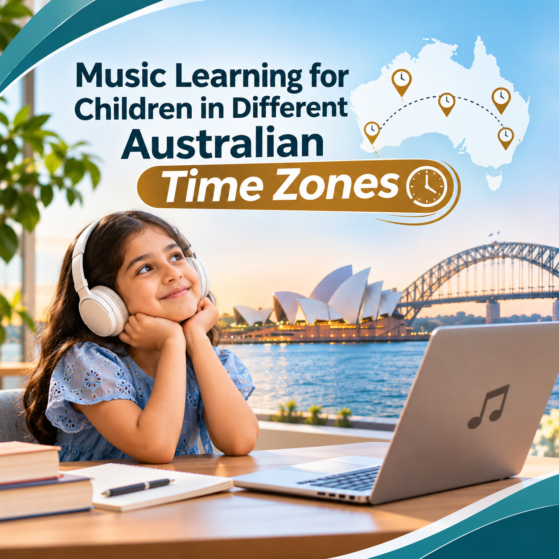
Asia covers a wide range of time zones, and an academy’s location may differ from yours. This matters when you are choosing live lessons.
A class scheduled for early evening in one country may fall during school hours or late at night in another. Before enrolling, confirm the available lesson times in your own time zone.
Also ask how the academy handles holidays, rescheduling, missed sessions, and changes in availability. Flexible scheduling can help students maintain a regular routine, especially when they are balancing music with school, work, or family commitments.
The best schedule is one that allows you to attend consistently and practise between lessons. Even an excellent teacher cannot replace the regular practice needed to develop musical skills.
Does the Music Academy Offer a Structured Curriculum?
A structured curriculum helps students understand how their skills will develop.
For beginners, the early stages may cover posture, instrument familiarity, rhythm, basic technique, and simple songs. Intermediate students may move into more challenging repertoire, scales, chords, music reading, and expressive playing. Advanced learners may focus on interpretation, improvisation, complex harmony, or performance preparation.
A clear progression helps prevent lessons from becoming a random collection of songs and exercises.
Ask whether the academy provides learning goals, regular progress reviews, practice assignments, and a plan for moving to the next level. The exact structure should match the course: a classical examination pathway may look very different from lessons focused on contemporary songs or creative musicianship.
Check Examination and Certification Support
Some learners want to study music for enjoyment, while others have long-term academic or performance goals.
If you are interested in formal examinations, ask which examination boards the academy supports and what preparation is included. Depending on the course, you may want guidance with repertoire, technical exercises, sight-reading, music theory, or performance skills.
The Mystic Keys advertises preparation for Trinity College London and other graded music examinations, while its piano programme also describes preparation for ABRSM examinations.
Before enrolling, confirm the precise examination pathway, eligibility, fees, and whether the examination itself is booked separately. Exam preparation can be valuable, but it is not essential for every learner.
Understand the Fees Before Enrolling
Course fees vary according to the instrument, teacher, lesson duration, class format, and course structure. Some academies charge per session, while others offer packages or term-based programmes.
For an accurate comparison, calculate the cost of the actual teaching time you receive. A lower package price may involve shorter sessions or group lessons, while a higher fee may include individual instruction or additional learning resources.
Ask about registration fees, cancellation policies, trial lessons, learning materials, and any examination charges that may apply.
It is also worth considering the value of the teaching rather than selecting an academy based on price alone. Clear feedback, an appropriate curriculum, and a suitable teacher can make a substantial difference to your learning experience.
Recorded Lessons and Practice Support
Music learning continues between lessons. Students need time to practise, review corrections, and build confidence with the material introduced by their teacher.
Recorded sessions can help learners revisit demonstrations and instructions, particularly when they have forgotten a fingering, chord progression, or practice exercise. Written notes, reference videos, and structured assignments can also support independent practice.
The Mystic Keys describes recorded sessions and personalised learning support among its online course features.
However, recordings should supplement practice rather than replace it. Progress still depends on applying what you learn, identifying difficulties, and asking your teacher for guidance when something remains unclear.
How to Choose the Best Music Academy in Asia for Your Goals
Before making a decision, identify what you want to achieve over the next six to twelve months.
You may want to play your favourite songs, learn to sing confidently, prepare for a graded examination, improve your music theory, or develop skills for a church choir or worship band. Your goal will help determine which academy and teaching format are most suitable.
Next, compare the courses, teachers, schedules, fees, and learning support. If a trial lesson or consultation is available, use it to ask questions and understand the teaching approach before committing to a longer programme.
A useful final check is to ask yourself whether the lessons seem practical, engaging, and appropriate for your current level. The right academy should make it clear what you will learn and how you can continue progressing.
Why Consider The Mystic Keys for Online Music Learning?
For students exploring a music academy in Asia, The Mystic Keys offers an online learning option with courses across several instruments and musical traditions. Its published programme includes piano and keyboard, acoustic and electric guitar, Western vocals, Hindustani and Carnatic music, violin, drums, ukulele, worship music, and music theory.
Its piano programme describes live one-on-one and small-group lessons, flexible scheduling, recorded sessions, personalised instruction, and examination preparation. These features may be useful for learners who want individual feedback while studying from home.
As with any academy, prospective students should confirm teacher availability, fees, time slots, and course details for their particular needs. Comparing these practical details will help you decide whether the programme is a suitable match.
Final Thoughts on Finding a Music Academy in Asia
Finding the right music academy in Asia is about choosing a learning experience that fits your musical goals, schedule, budget, and preferred teaching style. Live instruction, qualified teachers, a structured curriculum, flexible timings, practice resources, and appropriate examination support are all worth considering.
There is no single academy that is automatically the best for every student. A learner interested in Indian classical singing may prioritise different features from someone studying piano, guitar, or Western vocals. The best choice is the one that supports your needs and helps you develop consistently.
The Mystic Keys provides online music education for students who want to explore different instruments and musical styles with structured guidance. If you are ready to begin or continue your musical journey, explore the available courses, discuss your goals with the team, and choose a learning path that works for you.
With the right teacher, consistent practice, and a clear plan, learning music online can become a rewarding part of everyday life.
For more information and exciting resources about learning music, visit our website at The Mystic Keys. For more music content and exciting offers follow us on
Facebook, Instagram, YouTube, LinkedIn, Twitter, Pinterest, and Threads.