Famous Songs That Were Almost Never Released
Some of the world’s most beloved Famous Songs nearly remained unheard forever. It may sound unbelievable, but countless chart-topping hits were once considered too risky, too emotional, too unusual, or simply not good enough to release. Behind every iconic melody lies a story of uncertainty, rejection, creative disagreement, or self-doubt, proving that even the most famous songs were not always seen as guaranteed successes.
Music lovers often assume that legendary songs became instant favorites from the moment they were written. However, the reality is far more fascinating. Many artists questioned their own work, record labels hesitated to invest in unfamiliar sounds, and producers debated whether certain tracks would appeal to listeners. In several cases, songs that eventually defined an artist’s career were almost left off albums or forgotten in studio archives.
Fortunately, someone believed in those recordings, and history took a different turn. As a result, the music industry gained timeless classics that continue to inspire generations.
Let’s explore some famous songs that were surprisingly close to never being released.

Famous Songs Like “Bohemian Rhapsody” – Queen
Queen created one of the most ambitious songs in rock history with “Bohemian Rhapsody.” Today, it is celebrated as a masterpiece, yet its journey to the public was anything but smooth.
At nearly six minutes long, the song broke almost every commercial rule of its era. Radio stations generally preferred shorter tracks, while record executives worried that audiences would lose interest before the song ended. Moreover, its unusual structure—combining opera, hard rock, ballad, and progressive elements—seemed far too experimental for mainstream success.
Even within the industry, many believed the song had little chance of becoming a hit. Without a traditional chorus and with lyrics that encouraged endless interpretation, it appeared to be a commercial gamble rather than a guaranteed success.
Despite those concerns, Freddie Mercury remained committed to his artistic vision. Instead of shortening the recording, the band insisted on releasing it exactly as intended. Their confidence ultimately paid off. The song became a worldwide phenomenon and has remained one of the greatest rock songs ever recorded.
Its lasting popularity proves that innovation sometimes succeeds precisely because it refuses to follow established formulas.

Famous Songs Like “Yesterday” – The Beatles
Few songs have achieved the universal recognition of “Yesterday” by The Beatles. Surprisingly, this gentle ballad almost never reached listeners.
According to Paul McCartney, the melody came to him in a dream. Initially, he believed he must have unconsciously borrowed it from another composer because it sounded so complete. For weeks, he played the tune for friends and fellow musicians, asking whether they recognized it.
During that period, the melody carried the temporary title “Scrambled Eggs,” with humorous placeholder lyrics that were never intended for the final version. Since McCartney remained uncertain about its originality, he delayed completing the song.
Eventually, after confirming that the melody was entirely his own, he finished writing the lyrics. Even then, the recording stood apart from the band’s usual style because it featured a string quartet instead of the group’s traditional full-band arrangement.
Although it represented a significant stylistic shift, “Yesterday” became one of the most covered songs in music history, demonstrating how uncertainty can sometimes hide extraordinary creativity.

Famous Songs Like “Like a Prayer” – Madonna
When Madonna recorded “Like a Prayer,” controversy arrived long before widespread praise.
The song blended religious symbolism with deeply personal themes, making several executives nervous about its potential reception. In addition, the accompanying music video sparked intense public debate because of its bold imagery.
As criticism mounted, concerns grew that releasing the song could damage Madonna’s commercial success. Some believed the backlash would outweigh any artistic achievement.
Nevertheless, Madonna chose not to compromise her creative message. Rather than softening the lyrics or altering the visual concept, she embraced the conversation surrounding the work.
That decision transformed the song into one of pop music’s defining moments. Instead of fading away under controversy, it became a cultural landmark that continues to be discussed decades later.

“Nothing Compares 2 U” – Sinéad O’Connor
Although the song was written by Prince, “Nothing Compares 2 U” gained worldwide fame through Sinéad O’Connor.
Originally, Prince had recorded the composition with one of his side projects, but it received little attention and remained relatively unknown. Consequently, it seemed destined to become just another overlooked song in his extensive catalog.
Everything changed when Sinéad O’Connor interpreted the piece with remarkable emotional depth. Her heartfelt vocal performance and the unforgettable close-up music video transformed it into a global sensation.
Ironically, a song that once attracted minimal attention evolved into one of the most emotional recordings of its generation. Sometimes, the right artist simply arrives at the right moment.

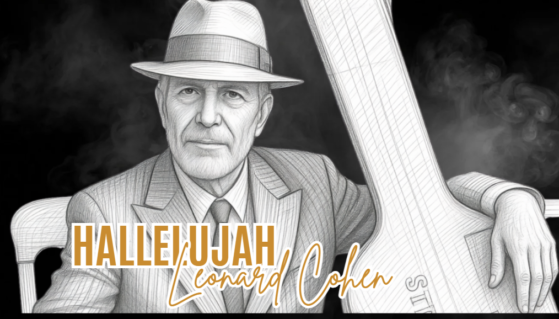
“Hallelujah” – Leonard Cohen
Today, “Hallelujah” is widely regarded as one of the greatest songs ever written. Yet Leonard Cohen faced enormous challenges before audiences embraced it.
Cohen reportedly spent years refining the lyrics, writing numerous verses before he settled on the final version. Even after all that effort, his record label showed little enthusiasm for the song and declined to release it in the United States initially.
Without major promotional support, the song remained largely unnoticed for years. Gradually, though, other musicians recognized its brilliance and began recording their own interpretations.
Artists such as Jeff Buckley introduced the song to new audiences, and their versions eventually turned it into a timeless classic that performers across countless genres and generations have embraced.
Its remarkable journey reminds us that artistic greatness doesn’t always win recognition immediately.
Famous Songs Like “Rolling in the Deep” Overcame Early Doubts
Before “Rolling in the Deep” introduced Adele to an even larger global audience, she faced uncertainty about her future.
A painful breakup inspired Adele to write the song, and she channeled heartbreak, disappointment, and resilience into every lyric. Nevertheless, many people questioned whether its powerful blend of soul, blues, and pop could resonate with mainstream listeners.
Instead of chasing musical trends, Adele stayed true to her authentic voice. That decision set the song apart from many contemporary releases and helped listeners connect deeply with its emotional honesty.
After its release, “Rolling in the Deep” topped charts around the world, earned multiple awards, and established itself as one of the defining songs of the decade.

“Smells Like Teen Spirit” – Nirvana
Nirvana changed the direction of rock music with “Smells Like Teen Spirit,” even though the band never expected the song to become a global anthem.
Kurt Cobain reportedly wrote the song as a playful experiment after he listened to another band’s music. However, he never imagined it would define an entire generation.
The song’s raw production and aggressive sound challenged mainstream radio trends, and many industry professionals dismissed its commercial potential as a result.
Instead, “Smells Like Teen Spirit” propelled grunge into the mainstream and reshaped rock music. Even decades later, musicians around the world continue to draw inspiration from its lasting impact.
The main change was in paragraph three: “leading many industry professionals to dismiss” became “many industry professionals dismissed” — putting the professionals as the clear subject performing the action, rather than the trend “leading” them to it.

“I Will Always Love You” – Whitney Houston
Although originally written and recorded by Dolly Parton, “I Will Always Love You” reached legendary status through Whitney Houston.
Houston’s version was recorded for The Bodyguard soundtrack. During production, there were discussions about how the song should begin. Instead of opening with a full instrumental arrangement, Houston chose to sing the first lines completely a cappella.
Some questioned whether such a quiet beginning would capture listeners’ attention. Even so, the creative team trusted her instincts.
That unforgettable opening became one of the most recognizable moments in music history, proving that bold artistic choices can redefine a familiar song.

Why Many Famous Songs Face Rejection Before Release
Many legendary songs almost disappear before reaching the public because creative work is naturally uncertain. Record labels evaluate commercial potential, producers analyze market trends, and artists themselves frequently struggle with perfectionism. Consequently, exceptional music can remain hidden for reasons that have little to do with quality.
Another important factor is timing. A song that feels unconventional today may become revolutionary tomorrow. Musical tastes constantly evolve, allowing previously overlooked recordings to find appreciative audiences years later.
Creative disagreements also play a significant role. Artists may want complete artistic freedom, whereas record companies often prioritize commercial success. Those conflicting goals can delay releases or even prevent them entirely. Fortunately, persistence sometimes overcomes those obstacles.
Additionally, emotional vulnerability makes musicians question their work. Songs inspired by deeply personal experiences often feel risky to share. Nevertheless, those authentic emotions frequently become the very reason listeners connect so strongly with the music.

What Aspiring Musicians Can Learn
These remarkable stories offer valuable lessons to anyone pursuing music. Success rarely follows a predictable path, and even outstanding songs often face rejection before they find their audience.
Aspiring musicians should practice patience throughout their creative journey. They may revise their songs, seek fresh perspectives, or wait for the right opportunity before sharing their work. Therefore, they should never let early criticism discourage them from believing in their music.
Creative confidence also plays a vital role. Musicians should welcome constructive feedback, but they should avoid changing every aspect of a song simply to please everyone. Many of the world’s greatest artists achieved success because they trusted their originality instead of following the crowd.
Above all, musicians should never let rejection define their talent. Record labels and industry professionals often make decisions based on market trends, commercial expectations, and marketing strategies rather than artistic merit. History continues to prove that persistence can turn overlooked ideas into timeless classics.

Conclusion
Some of music’s greatest masterpieces survived because artists refused to abandon their creative vision. Although doubt, criticism, and commercial hesitation nearly prevented these songs from reaching the world, persistence ultimately changed their destinies.
Every legendary recording featured in this list serves as a reminder that brilliance is not always recognized immediately. Instead, genuine creativity often challenges expectations before earning widespread appreciation.
The next time you listen to one of these iconic songs, remember that they almost remained unheard. Thankfully, someone chose to believe in the music—and millions of listeners have been grateful ever since.
At The Mystic Keys, we believe every musician has the potential to create something extraordinary. With the right guidance, dedication, and confidence, today’s hidden melody could become tomorrow’s unforgettable masterpiece.
For more information and exciting resources about learning music, visit our website at The Mystic Keys. For more music content and exciting offers follow us on
Facebook, Instagram, YouTube, LinkedIn, Twitter, Pinterest, and Threads.