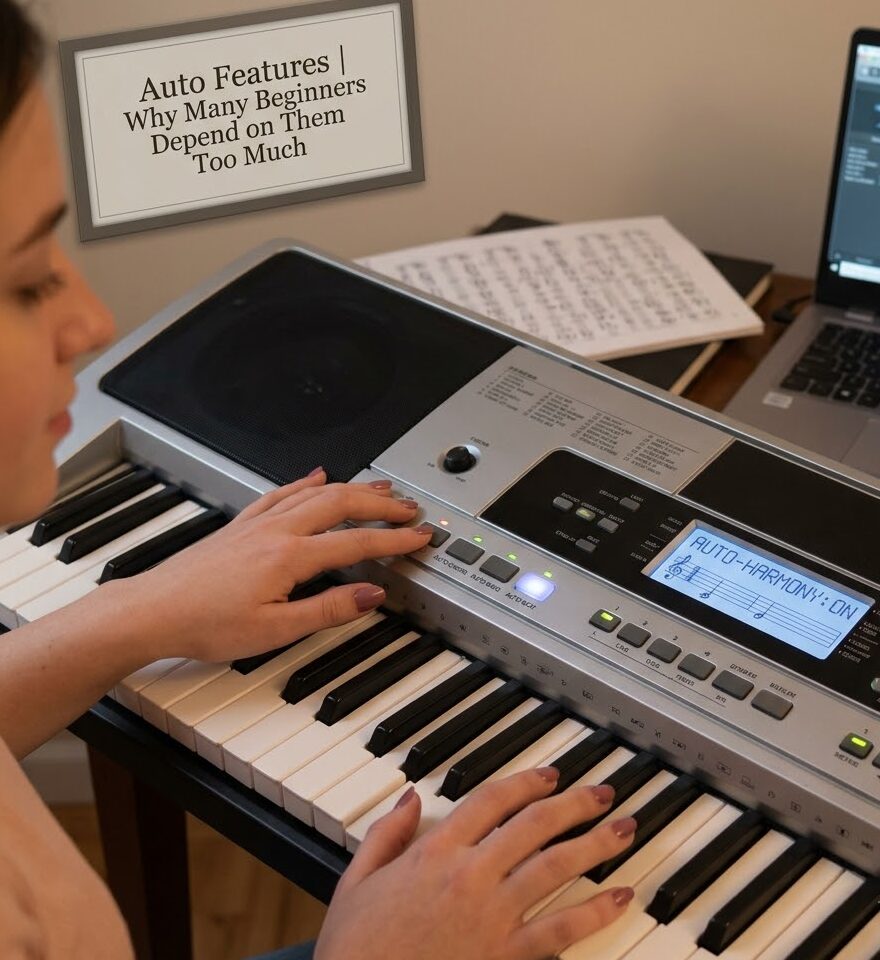
Auto Features | Why Many Beginners Depend on Them Too Much-
Modern electronic keyboards have become incredibly sophisticated. What was once a simple instrument designed to produce piano sounds has evolved into a complete musical workstation equipped with a wide range of Auto Features. From automatic accompaniment and chord recognition to rhythm generators, one-touch settings, and built-in song libraries, these functions allow almost anyone to create music that sounds surprisingly polished within minutes.
These innovations have undoubtedly made keyboards more accessible. For someone who has never played an instrument before, hearing a full band accompany a single finger can be exciting and motivating. Confidence often grows quickly because the instrument produces impressive results even with limited technical knowledge.
Despite these advantages, many beginners gradually become overly dependent on these automatic functions. Instead of learning the fundamentals of musicianship, they begin relying on the keyboard to perform much of the musical work. Although this approach may provide immediate satisfaction, it often slows long-term development and limits genuine musical growth.
Understanding the role of auto features—and knowing when to use them—can make a significant difference in a beginner’s journey.
Auto Features | The Appeal of Automatic Playing Assistance
There is a reason automatic keyboard functions have become so popular. They simplify many aspects of music-making that would otherwise require months or even years of practice.
A beginner can choose a rhythm, select a style, and play a simple chord to produce a complete arrangement featuring drums, bass, strings, and accompaniment. Suddenly, even basic melodies sound rich and professional.
This instant gratification is highly motivating. Instead of feeling overwhelmed by technical exercises, new players experience the joy of making music almost immediately. Early success often encourages learners to spend more time with the instrument, which is certainly a positive outcome.
Furthermore, auto accompaniment introduces students to different musical styles. Exploring rock, jazz, pop, waltz, Latin, or blues rhythms exposes beginners to genres they may never have considered before.
These features are valuable tools. Problems arise only when they become substitutes for actual learning.
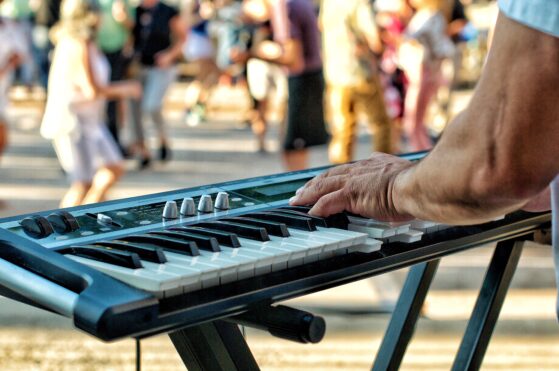
Instant Results Can Delay Real Learning
One of the biggest challenges beginners face is balancing enjoyment with discipline. Automatic functions tend to favor enjoyment because they produce satisfying results almost effortlessly.
Rather than practicing scales, finger coordination, rhythm control, or chord transitions, many learners simply activate accompaniment and focus on triggering the next chord. Since the keyboard fills in most of the musical texture, it becomes easy to overlook technical weaknesses.
As weeks pass, noticeable progress appears to be happening. Songs sound fuller, performances seem more impressive, and confidence increases.
However, beneath that polished sound, essential playing skills may remain underdeveloped.
Eventually, the learner reaches a point where these weaknesses become impossible to ignore. Playing on an acoustic piano, accompanying singers without auto accompaniment, or performing pieces that require independent hand coordination suddenly feels extremely difficult.
The convenience that once seemed helpful now becomes a limitation.
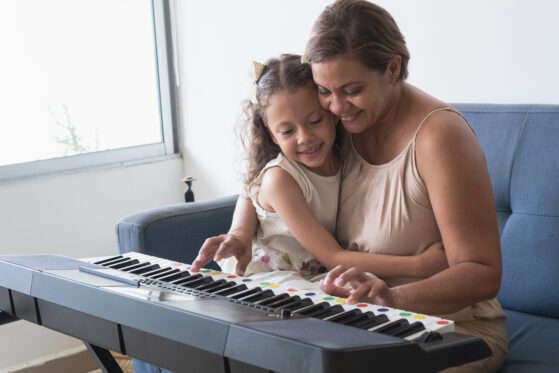
Auto Features Can Limit Finger Development
Keyboard playing requires fine motor control, finger independence, and coordinated movement between both hands.
These abilities develop through consistent practice rather than automatic assistance.
When accompaniment handles bass lines, rhythm patterns, and harmonic movement, beginners often reduce their left hand to pressing simple chord buttons or single keys. Consequently, one hand becomes far more active than the other.
Over time, this imbalance creates habits that are difficult to correct.
Developing equal control in both hands takes patience. Regular exercises, scales, broken chords, and simple two-handed pieces strengthen coordination naturally. Skipping these foundations in favor of automation may save time initially, but it usually demands even greater effort later.
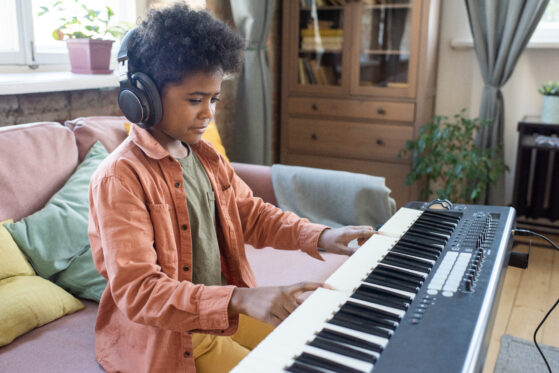
Chord Recognition Is Not the Same as Chord Understanding
Many keyboards recognize chords automatically. Press two or three notes, and the instrument instantly identifies the harmony while generating an appropriate accompaniment.
Although this feature is convenient, recognition should never replace understanding.
Musicians benefit from knowing how chords are constructed, why certain progressions sound pleasing, and how harmony supports melody. Without this knowledge, players may memorize patterns without truly understanding what they are playing.
As a result, improvisation becomes more difficult. Transposing songs into different keys feels confusing. Creating original arrangements also becomes challenging because musical decisions depend entirely on the keyboard’s automatic suggestions.
Learning chord theory provides flexibility that no automatic feature can fully replace.
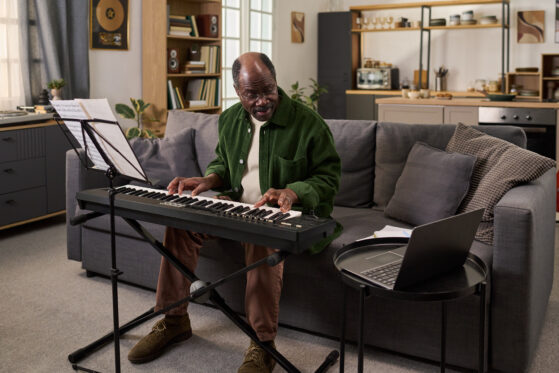
Auto Features Can Hide Timing Problems
Modern keyboards include highly accurate rhythm sections that never lose tempo.
While practicing with these built-in styles can improve consistency, they can also disguise timing issues if learners simply follow the accompaniment without actively developing rhythmic awareness.
Good musicians internalize the beat. They understand subdivisions, accents, syncopation, and tempo changes independently of external support.
Beginners who always rely on automatic rhythms sometimes struggle when asked to play without accompaniment. Keeping a steady tempo suddenly becomes much harder because the rhythm was being supplied externally rather than generated internally.
Practicing occasionally with a metronome or even without accompaniment helps strengthen natural timing skills.
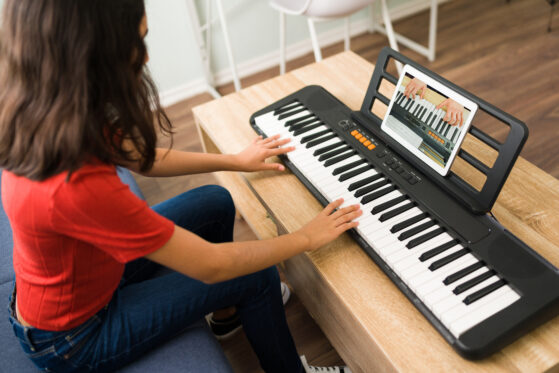
Creativity May Become Limited
Automatic accompaniment provides ready-made musical arrangements.
That convenience is useful for practice and entertainment, yet it can unintentionally reduce creative thinking.
Instead of experimenting with different rhythms, voicings, or accompaniment patterns, beginners may simply browse through preset styles until they find one that sounds acceptable.
Eventually, performances begin to resemble one another because the keyboard makes many musical choices automatically.
Creativity grows when musicians solve problems themselves. Deciding how to accompany a melody, selecting appropriate chord inversions, creating rhythmic variations, and developing personal interpretations all encourage artistic development.
These experiences build originality that preset functions cannot provide.

Auto Features Can Create Misleading Confidence
One of the less obvious consequences of relying heavily on auto features is the possibility of developing false confidence.
A performance may sound impressive because the keyboard contributes multiple instrumental layers, polished rhythms, and sophisticated arrangements.
Listeners naturally hear a complete musical production.
However, if those supporting elements are removed, the underlying keyboard performance may reveal gaps in technique, rhythm, or coordination.
This realization can be discouraging, particularly when students believed they had advanced much further than they actually had.
True confidence comes from knowing that musical ability exists regardless of the instrument’s automatic assistance.
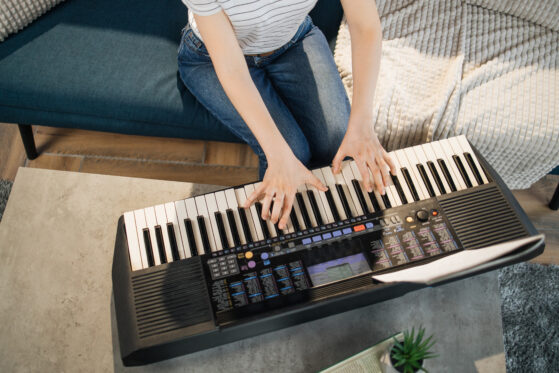
Auto Features Still Have an Important Place
Avoiding automatic functions entirely is neither necessary nor beneficial.
These tools offer tremendous educational value when used appropriately.
For instance, accompaniment styles help students practice staying in time with a band-like setting. Rhythm variations introduce different musical genres. Recording functions allow learners to evaluate their performances objectively. Built-in lessons and backing tracks can also make practice sessions more engaging.
Professional musicians frequently use these features during songwriting, rehearsals, demonstrations, and live performances.
The difference lies in intention.
Experienced players use automation to enhance their music rather than compensate for missing skills.
Building Strong Fundamentals First
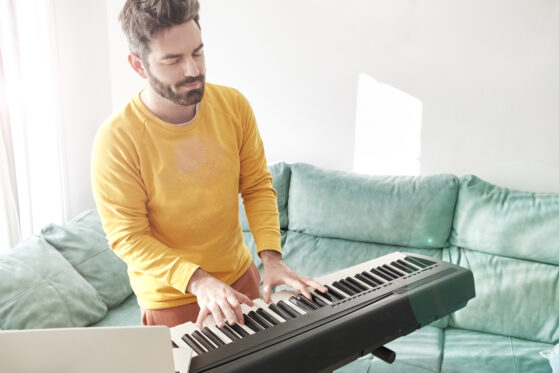
Beginners benefit most when automatic features complement—not replace—traditional practice.
A balanced routine develops both technical ability and musical enjoyment.
Start by spending dedicated time on scales, finger exercises, simple melodies, chord transitions, and rhythm practice without accompaniment. Afterward, use automatic styles to apply those skills in a more enjoyable musical setting.
This approach allows students to experience the best of both worlds.
Gradually, the keyboard becomes a creative partner rather than a musical crutch.
Finding the Right Balance with Auto Features
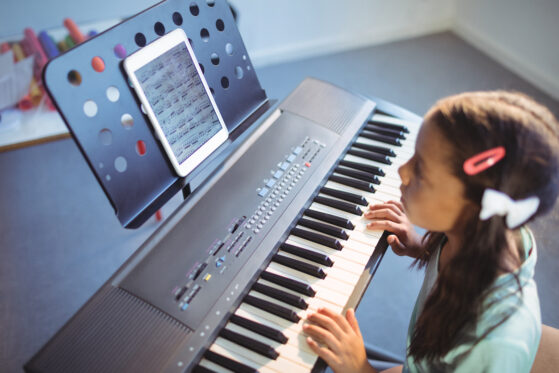
Technology has transformed keyboard playing in remarkable ways. Automatic accompaniment and intelligent performance features have lowered the barriers to making music, inspiring countless beginners to start their musical journey.
Nevertheless, convenience should never replace genuine skill development.
The strongest keyboard players understand theory, maintain solid rhythm, develop independent hand coordination, and build reliable technique before depending heavily on automation. Once these foundations are secure, auto features become powerful creative tools rather than necessities. This balanced approach is exactly what experienced instructors strive to encourage through well-structured Keyboard Classes Online, where students learn to combine technology with solid musicianship.
Ultimately, the goal is not to avoid technology but to master the instrument well enough that it serves your musical ideas instead of defining them. At The Mystic Keys, students are encouraged to view auto features as helpful learning aids rather than shortcuts, allowing them to build lasting skills, perform with greater confidence, and enjoy the freedom that comes from truly understanding the instrument.
For more information and exciting resources about learning music, visit our website at The Mystic Keys. For more music content and exciting offers follow us on
Facebook, Instagram, YouTube, LinkedIn, Twitter, Pinterest, and Threads.