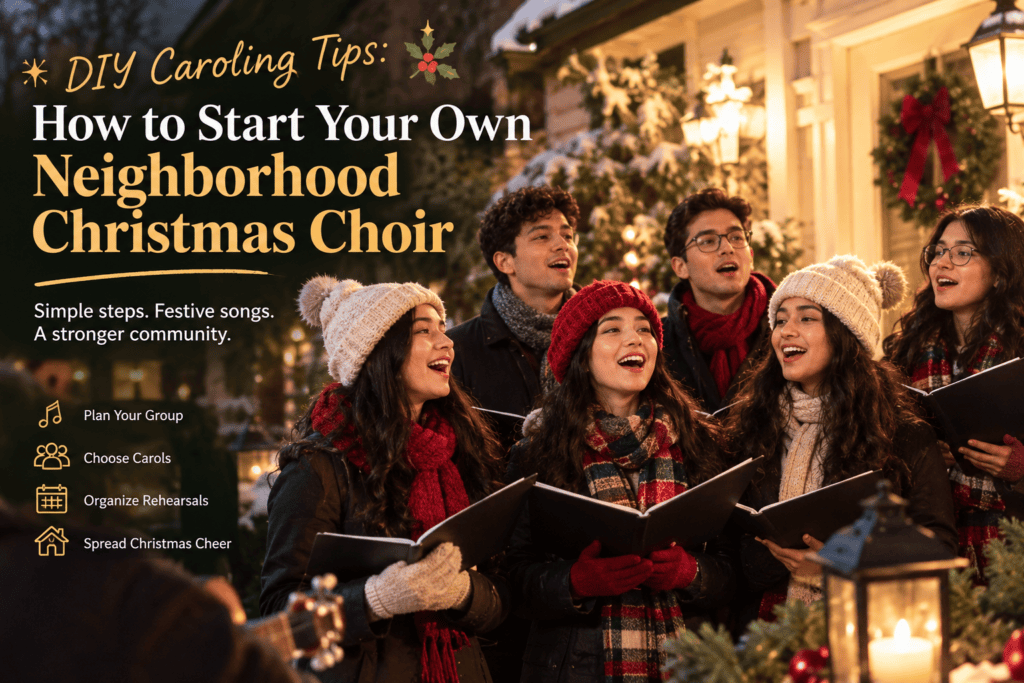
DIY Caroling Tips: How to Start Your Own Neighborhood Christmas Choir
Introduction
Christmas is the perfect time to bring people together through music, and one of the most heartwarming ways to celebrate the season is by starting a neighborhood Christmas choir. With the right DIY caroling tips, you can organize a group of friends, family members, or neighbors to sing festive songs, spread Christmas cheer, and create meaningful memories in your community. You do not need professional singers, expensive equipment, or months of preparation to get started. A little planning, a few familiar carols, and a shared love of music are enough to turn a simple gathering into a memorable Christmas tradition.
Whether you want to organize a small group for your street, bring music to a community gathering, or arrange a special performance for a local care home, this guide will help you plan your own neighborhood Christmas choir from the first invitation to the final song.
Why DIY Caroling Tips Can Help You Start a Christmas Choir
Following practical DIY caroling tips makes it easier to organize your group, choose suitable songs, and prepare everyone for a confident performance. Christmas caroling is not just about singing familiar melodies; it is also about connecting with people and creating a welcoming atmosphere.
Starting a neighborhood choir can help you:
Build stronger community connections: Singing together gives neighbors an opportunity to meet and participate in a shared activity.
Encourage musical confidence: People who have never performed before can discover the joy of singing in a relaxed, supportive environment.
Develop teamwork: Choir members learn to listen to one another, follow a leader, maintain rhythm, and sing together.
Create festive memories: A neighborhood performance can become an annual tradition that families look forward to.
Share the joy of Christmas: Music can brighten someone’s day and make the holiday season feel more connected and meaningful.
The best part is that your choir does not have to be large or musically advanced. A few enthusiastic singers can create a beautiful performance when they prepare together.

1. DIY Caroling Tips for Planning Your Neighborhood Christmas Choir
The first step is deciding what kind of caroling experience you want to create. Having a clear goal helps you invite the right people and organize your rehearsals.
Begin by answering a few basic questions:
Will you sing from house to house, perform in a shared courtyard, or gather in a community space?
How many people would you like to include?
Will the choir sing traditional Christmas carols, contemporary Christmas songs, or a mixture of both?
Will the event last 30 minutes, an hour, or longer?
Do you want to include children, beginner singers, instrumentalists, or all interested neighbors?
For your first event, keep the plan manageable. A short performance with five well-rehearsed songs is often more enjoyable than a long program that requires extensive preparation.
Choose a date that gives everyone enough time to practice. An evening or weekend afternoon in December may work well, depending on your community’s schedule, local weather, and preferred performance setting.
DIY Caroling Tips for Choosing the Right Group Size
You can begin with just four or five people and expand as more neighbors become interested. A small group is easier to coordinate and can work particularly well for a first-time event.
Try to include a mixture of voices and musical abilities. Some people may have choir experience, while others might simply enjoy singing along to their favorite Christmas songs. Both groups can contribute.
Assign a few basic responsibilities:
Choir leader: Introduces each song and helps everyone begin together.
Song coordinator: Selects the carols and prepares the lyrics.
Musical accompanist: Plays guitar, keyboard, or another suitable instrument if needed.
Route coordinator: Plans the stops and keeps the group organized.
Event helper: Helps younger participants and checks that everyone has what they need.
One person can handle more than one responsibility when the group is small.
2. DIY Caroling Tips for Inviting Neighbors to Join Your Christmas Choir
Once you have a basic plan, start inviting people. You can approach neighbors personally, share an invitation in a neighborhood messaging group, put up an approved community notice, or ask friends to invite others.
Explain that the choir is open to beginners and that no previous performance experience is necessary. This reassurance can encourage people who love music but feel nervous about singing in front of others.
Include the following information in your invitation:
The purpose of the event.
The proposed rehearsal dates and performance date.
The expected time commitment.
The type of songs you plan to sing.
Whether participants should bring anything.
The location and any arrangements for children.
You could use a friendly invitation such as:
“Let’s bring our neighborhood together this Christmas through music! We’re starting a small Christmas caroling group and would love for you to join us. No professional singing experience is needed—just bring your festive spirit and a love of Christmas songs!”
Encourage people to respond early so you can estimate the number of singers and prepare suitable song sheets.
3. DIY Caroling Tips for Choosing the Best Christmas Carols
Song selection is one of the most important DIY caroling tips for a successful neighborhood choir. Your music should be recognizable, enjoyable, and suitable for the group’s vocal abilities.
Start with familiar melodies that most participants can learn quickly. You can gradually introduce more challenging songs if your group feels comfortable.
Here are some ideas for your Christmas caroling playlist:
Traditional Christmas Carols
Silent Night: A gentle, reflective song that works beautifully with soft harmonies.
Joy to the World: An uplifting choice for opening a performance.
O Come, All Ye Faithful: Suitable for a fuller group sound.
Hark! The Herald Angels Sing: A lively traditional carol with opportunities for harmony.
Deck the Halls: A cheerful option that encourages audience participation.
We Wish You a Merry Christmas: An excellent closing song that leaves listeners with a festive feeling.
Popular Festive Songs
Depending on your audience and the group’s preferences, you could also include familiar seasonal favorites such as Jingle Bells or Frosty the Snowman.
A balanced setlist might include two upbeat songs, two gentle carols, and one closing song everyone can sing together.
Consider the audience when making your choices. A performance for young children may benefit from playful, energetic songs, while a visit to a senior community might suit familiar traditional carols.
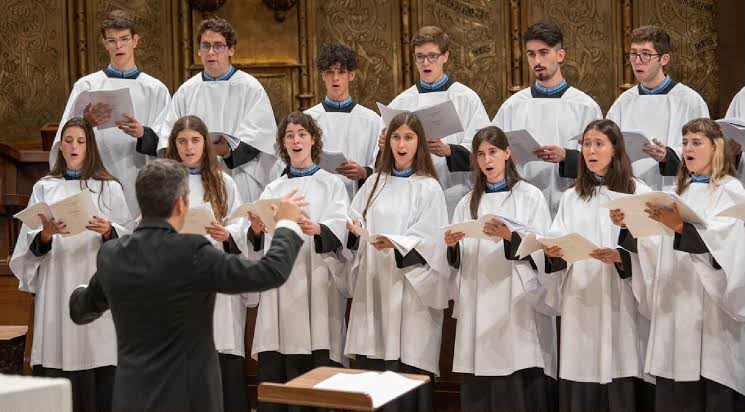
DIY Caroling Tips for Preparing Song Sheets
Never assume that everyone knows every verse of a Christmas song. Prepare printed lyric sheets or a shared digital songbook so participants can follow along without worrying about forgetting words.
Use large, readable text and arrange the songs in the order of the performance. If you are rehearsing with children or beginners, highlight the chorus and mark any repeated sections.
Check that the lyrics and musical materials are appropriate for your intended use. Copyright rules vary by country and by how music is reproduced, arranged, performed, or recorded. Do not assume that a modern arrangement or recording is free to use simply because the song itself is traditional.
4. DIY Caroling Tips for Organizing Fun and Effective Rehearsals
Even a casual neighborhood choir benefits from rehearsal. Practicing together helps singers learn when to begin, how to maintain the tempo, and how to finish each song at the same time.
For a beginner group, one or two short rehearsals may be enough for a simple setlist. More complex songs or multi-part harmonies may require additional practice.
A 45-minute rehearsal could follow this structure:
| Time | Activity |
|---|---|
| 5 minutes | Welcome everyone and warm up the voice |
| 10 minutes | Practice the most familiar carols |
| 10 minutes | Work on difficult lyrics, rhythms, or entrances |
| 10 minutes | Practice starting and ending songs together |
| 5 minutes | Run through the full setlist |
| 5 minutes | Review the event plan and answer questions |
Keep rehearsals positive and focused. If a song feels too difficult, simplify it rather than spending the entire session trying to perfect it.
DIY Caroling Tips for Vocal Warm-Ups
A short vocal warm-up helps singers prepare their voices before performing. Begin with relaxed breathing, gentle humming, and comfortable pitch patterns. Avoid forcing high notes or singing at full volume immediately.
Remind participants to drink water and sing at a comfortable volume. Outdoor singing can be tiring, particularly in cold weather or noisy surroundings.
If someone struggles with a particular melody, allow them to sing more softly until they feel confident. The aim is to help everyone participate, not to turn a friendly community event into a stressful audition.
5. DIY Caroling Tips for Improving Your Christmas Choir’s Sound
You do not need advanced musical training to make your neighborhood Christmas choir sound organized and enjoyable. A few basic techniques can improve the group’s performance considerably.
Begin Every Song Together
Choose one confident singer or musical leader to give the starting note and cue. The leader can nod, raise a hand, or take a visible breath before the group begins.
This simple signal prevents singers from entering at different times.
Keep the Tempo Steady
Choose a comfortable speed for each song. Singing too quickly can make lyrics difficult to understand, while an excessively slow tempo can make an upbeat carol lose its energy.
If you have an instrumentalist, ask them to establish the tempo before the singing begins. Without accompaniment, the choir leader can quietly count the group in.
Add Simple Harmonies
If a few members have more singing experience, invite them to sing a simple harmony on a familiar chorus. The rest of the choir can continue with the main melody.
Avoid introducing too many parts at once. A confident melody with one additional harmony often sounds more polished than several parts that have not been rehearsed.
Pay Attention to Diction and Dynamics
Encourage everyone to pronounce words clearly, especially when singing outdoors. Start gentle songs softly and let the sound grow naturally when the music becomes more uplifting.
These small adjustments help the audience understand the lyrics and connect with the performance.
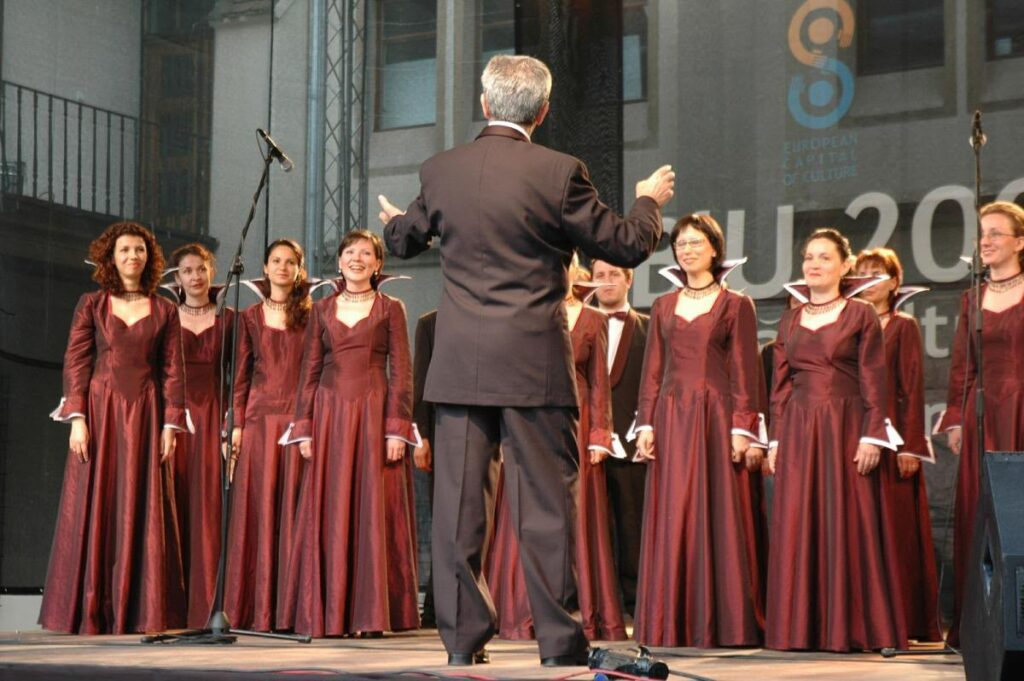
6. Decide Whether to Include Instruments
A neighborhood Christmas choir can sound lovely with voices alone, but an instrument can provide helpful musical support.
Consider these options:
Acoustic guitar: Ideal for simple chord progressions and informal outdoor performances.
Keyboard: Useful for teaching melodies, setting the starting pitch, and supporting harmonies during rehearsals.
Ukulele: A cheerful choice for simple, upbeat songs.
Handbells or small percussion: Can add a festive rhythm when used sparingly.
Choose instruments based on the group’s experience and the performance location. Outdoor conditions, transport, and background noise may make some instruments less practical than others.
If you use an instrument, rehearse with it before the event. The accompaniment should support the singers rather than overpower them.
If no one plays an instrument, do not let that stop you. A well-organized a cappella group can still deliver a warm, memorable performance.
7. Plan a Safe and Enjoyable Caroling Route
Your route determines how smoothly the event runs. Choose a small area that is easy to walk around and does not require participants to travel long distances between stops.
For a first event, consider starting with a handful of households that have already expressed interest. This helps the group become comfortable performing before approaching unfamiliar neighbors.
If you plan to sing door to door, follow these guidelines:
Ask households in advance whether they would welcome a short performance.
Choose a time that is considerate of dinner, rest, and children’s bedtimes.
Keep the group together and use safe pedestrian routes.
Avoid blocking entrances, driveways, footpaths, or roads.
Carry flashlights or use other appropriate visibility aids if walking after dark.
Ensure children remain supervised by responsible adults.
Agree on a meeting point in case anyone becomes separated.
For visits to apartment complexes, churches, hospitals, senior communities, or other managed premises, contact the relevant management team first. Public spaces may also have local rules governing organized performances, amplified sound, and event permissions.
A simple route with a few planned stops is usually better than trying to visit too many homes in one evening.
DIY Caroling Tips for Respecting Every Household
Not everyone celebrates Christmas in the same way, and not everyone will be available or interested in listening. Be gracious if a household declines or does not answer.
Sing from a suitable outdoor area rather than entering someone’s home. Keep each performance brief, and never pressure anyone to participate, donate money, or provide refreshments.
The spirit of caroling is to offer music as a friendly gesture, not to create an obligation for the audience.
8. Make Your Christmas Choir Performance Festive
Once the songs and route are ready, add a few simple details to make the event feel special. You do not need elaborate costumes or expensive decorations.
Consider these ideas:
Choose a simple dress code. Coordinated scarves, festive sweaters, red-and-green accessories, or neutral winter clothing can give the group a unified appearance.
Carry organized songbooks. Place printed lyrics in folders or protective sleeves so singers can easily find the next song.
Prepare a short introduction. Have one person greet each audience and explain that the group has come to share a little Christmas music.
End with a familiar carol. Finish with a cheerful song that people can recognize or sing along with.
Arrange a small get-together afterward. If everyone is comfortable, finish at a prearranged location with refreshments and a chance to celebrate the group’s effort.
If you want to take photographs or record videos, ask participants for permission first. Obtain appropriate parental consent before recording or sharing identifiable images of children, and respect anyone who prefers not to appear.
9. Create an Inclusive Choir for All Ages and Abilities
One of the most rewarding aspects of a neighborhood Christmas choir is that people with different levels of musical experience can participate together.
Children can sing short refrains or help distribute song sheets with adult supervision. Older adults can contribute familiar songs, vocal experience, or musical leadership. Beginners can sing the melody, while experienced singers help with harmonies and cues.
You can also offer non-singing roles. Someone who feels uncomfortable performing might help with the route, welcome listeners, organize materials, or coordinate refreshments.
Make rehearsals welcoming by avoiding criticism or comparisons between singers. Give instructions clearly and allow everyone time to learn the music.
If your group includes people with mobility or accessibility needs, plan suitable locations, rest opportunities, and transport arrangements. An indoor community performance may be a better choice than walking from house to house.
The goal is to make participation enjoyable and accessible rather than expecting everyone to contribute in exactly the same way.
10. Handle Music, Permissions, and Recordings Responsibly
Before the performance, check whether your chosen venue has requirements for organized singing, amplified sound, or public events. Rules vary by location, so confirm them with the venue manager or relevant local authority when necessary.
Music copyright also deserves attention. Traditional carols may have public-domain lyrics or melodies in some jurisdictions, but newer songs, arrangements, sheet music editions, and recordings may still be protected.
If you intend to create a new choral arrangement, livestream the performance, publish a recording, or post a video online, check the relevant permissions and platform requirements. A song being available online does not automatically mean you can reproduce or distribute it freely.
For a private neighborhood gathering, keep the setup simple and focus on songs and materials you are entitled to use.
11. Use This Simple Timeline to Organize Your Caroling Event
A little preparation can prevent last-minute confusion. Use the following timeline as a starting point and adjust it to your group’s size.
| When | What to do |
|---|---|
| 2–3 weeks before | Invite neighbors, choose the date, and decide on a location |
| 1–2 weeks before | Confirm participants, finalize the song list, and prepare lyrics |
| 3–7 days before | Hold a rehearsal and plan the route |
| 1–2 days before | Confirm attendance, check the weather, and review safety arrangements |
| On the day | Gather early, warm up, review the setlist, and begin on time |
| After the event | Thank participants and ask whether they would like to repeat the event next year |
A Sample 45-Minute Neighborhood Caroling Plan
If you are unsure how to structure your first event, try this simple format:
First 5 minutes: Gather everyone, check attendance, and warm up.
Next 5 minutes: Review the song order and remind everyone of the route.
Next 25 minutes: Visit a few prearranged households or perform at a shared community location.
Final 10 minutes: Sing a closing carol, thank the audience, and return to the meeting point.
You can extend the schedule if the group is comfortable and the audience has welcomed a longer performance. Always allow time for safe travel and unexpected delays.
12. Common Mistakes to Avoid When Starting a Christmas Choir
Even a simple caroling event can become difficult if the planning is unnecessarily complicated. Avoid these common mistakes:
Choosing too many songs: A short, familiar playlist is easier to rehearse and more enjoyable for beginners.
Skipping rehearsal: Even experienced singers benefit from practicing entrances, tempo, song order, and endings together.
Making the music too difficult: Start with melodies everyone can follow before introducing harmonies or instrumental arrangements.
Ignoring the audience: Keep performances brief and pay attention to whether people are comfortable listening.
Leaving route planning until the last minute: Confirm locations, walking routes, and any required permissions before the event.
Forgetting practical supplies: Bring lyrics, water, weather-appropriate clothing, and suitable lighting or visibility aids.
Focusing only on perfect singing: A neighborhood choir is about sharing music and building connections. Confidence, enthusiasm, and consideration matter just as much as technical accuracy.
How The Mystic Keys Can Help You Build Your Musical Confidence
Starting a neighborhood Christmas choir can be an excellent opportunity to explore singing, learn new music, and develop your confidence as a performer. If you would like to improve your vocal technique or learn how to support a choir with an instrument, structured music lessons can help you prepare for future performances.
At The Mystic Keys, students can explore music through personalized lessons designed to develop musical understanding, practical skills, and confidence. Whether you are interested in Western vocals, piano and keyboard, or guitar, learning with guidance from internationally certified teachers can help you strengthen the skills that make group music-making more rewarding.
The Mystic Keys supports musical growth through personalised online training, including Worship Piano & Singing Lessons Online, helping learners develop their skills, confidence, and musical expression.
Conclusion: Start Small and Let the Music Bring People Together
Starting a neighborhood Christmas choir does not require a large budget, professional singers, or an elaborate performance plan. With these DIY caroling tips, you can bring neighbors together, select familiar carols, organize simple rehearsals, and create a safe, welcoming musical experience.
Begin with a small group, choose songs everyone enjoys, and make sure each participant feels included. As your confidence grows, you can introduce harmonies, add instruments, or turn your first performance into an annual community tradition.
Above all, remember that the most memorable Christmas choir is not necessarily the one that sings the most difficult music. It is the one that shares the joy of the season, one song and one neighbor at a time.
For more information and exciting resources about learning music, visit our website at The Mystic Keys. For more music content and exciting offers follow us on
Facebook, Instagram, YouTube, LinkedIn, Twitter, Pinterest, and Threads,