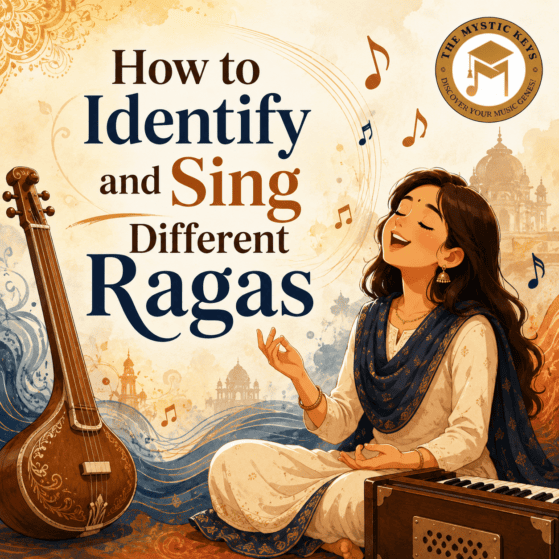
Voice Culture in Hindustani Classical Singing
Voice culture in Hindustani classical singing is an important part of developing a strong, flexible, expressive, and well-controlled voice. Hindustani classical music demands much more than simply singing the correct swaras. A singer needs to maintain pitch, move smoothly between notes, control ornamentation, sustain phrases, manage breath, and express the character of a raga. Developing these abilities requires consistent vocal training and careful attention to technique.
Unlike some forms of singing where vocal power may be the primary focus, Hindustani classical singing requires a delicate balance between strength and control. The voice must be capable of producing a clear tone while remaining flexible enough for meend, gamak, murki, taan, and other forms of melodic expression.
Good voice culture does not mean trying to make every singer’s voice sound the same. Instead, it helps singers understand and develop their natural voice while improving control, stability, resonance, and musical expression.
What Is Voice Culture in Hindustani Classical Singing?
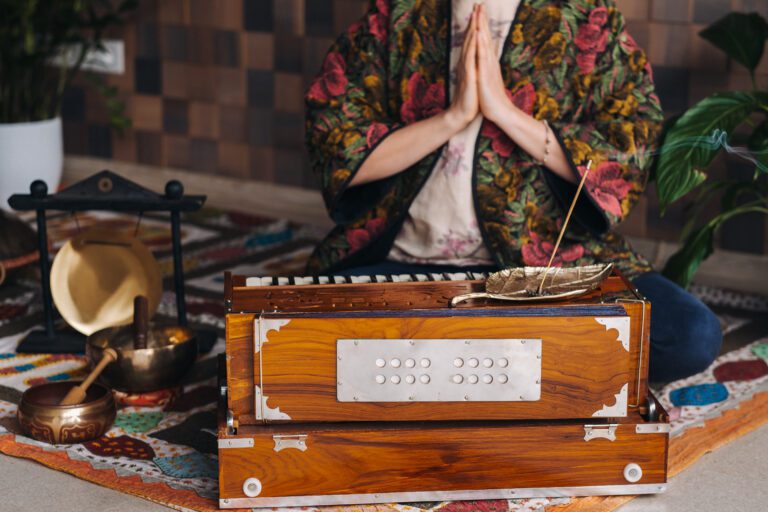
Voice culture refers to the systematic development of the singing voice through appropriate exercises, technique, listening, and regular practice.
In Hindustani classical music, this development is closely connected with swara practice, raga training, breath management, voice placement, and ornamentation.
Voice Culture Is More Than Vocal Warm-Ups
Warm-ups are useful, but voice culture involves much more than singing a few exercises before a lesson.
It includes learning how to:
- Produce a stable tone
- Maintain accurate pitch
- Control airflow
- Move smoothly between swaras
- Develop vocal flexibility
- Strengthen resonance
- Sing comfortably across registers
- Use ornamentation appropriately
- Maintain vocal consistency
The objective is to make the voice a reliable instrument for musical expression.
Why Voice Culture Matters in Hindustani Classical Singing
Hindustani classical music places significant demands on the singer.
A single raga performance can involve extended singing, repeated phrases, improvisation, sustained notes, and intricate melodic movements.
A Trained Voice Gives You Greater Freedom
When basic vocal technique becomes more reliable, you can concentrate more fully on the music.
Instead of worrying about whether you can reach a note or sustain a phrase, you can focus on the raga’s character, phrasing, emotion, and improvisation.
This is one of the most important benefits of consistent voice culture in Hindustani classical singing.
Develop a Stable and Resonant Tone
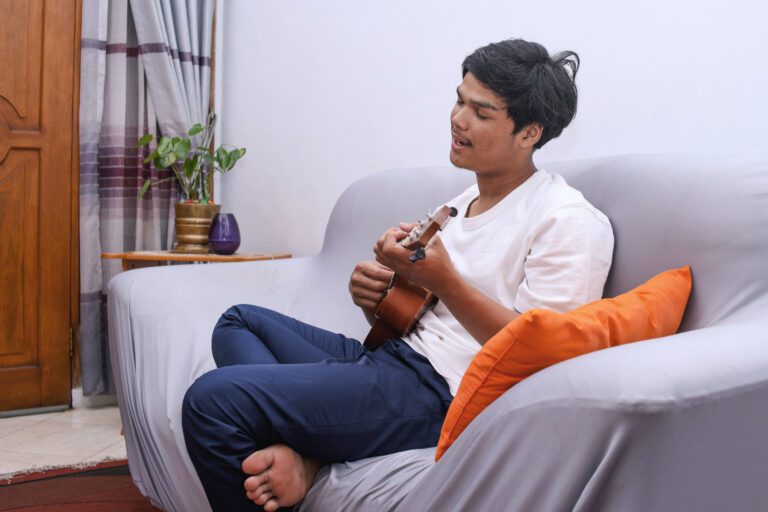
A clear and stable tone is an important foundation for classical singing.
The objective is not necessarily to make the voice extremely loud. A good tone should be controlled, comfortable, and capable of carrying musical expression.
Avoid Forcing the Voice
Trying to produce a powerful sound by pushing from the throat can create unnecessary tension.
Instead, singers should work toward efficient coordination between breathing, vocal fold function, resonance, and posture.
A qualified teacher can help identify inefficient habits before they become deeply established.
Build a Strong Sense of Pitch
Pitch accuracy is fundamental to Hindustani classical singing.
Even a beautifully produced voice will struggle to communicate a raga effectively if the swaras are consistently unstable.
Practice With Sa as Your Reference
Begin your practice by establishing Sa clearly.
Listen carefully to the tanpura.
Sing Sa and return to it frequently while practicing other swaras.
This creates a strong relationship between the voice and the tonal center.
Develop Vocal Flexibility
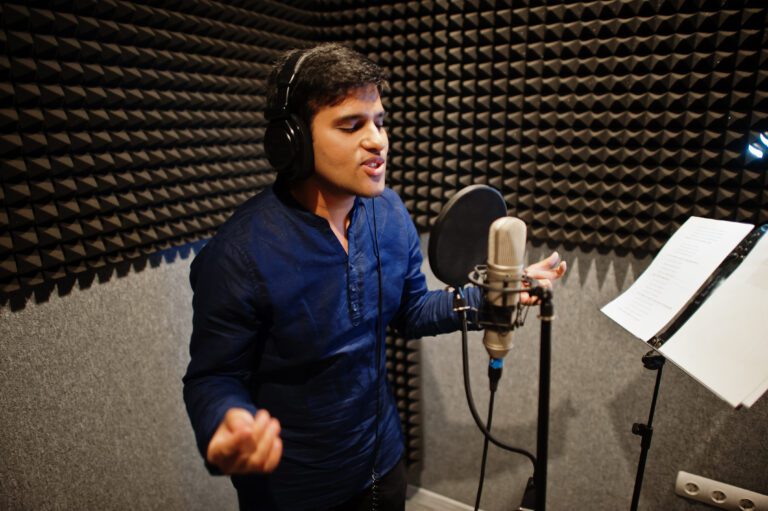
Classical singing requires the voice to move smoothly between notes.
Simple ascending and descending patterns can gradually improve this ability.
Practice Swara Patterns Slowly
Begin with comfortable patterns.
Focus on accuracy rather than speed.
As the movements become easier, gradually increase the complexity.
The goal is to make transitions between swaras feel controlled and natural.
Meend Requires Vocal Control
Meend, or the smooth movement between notes, is an important aspect of Hindustani classical expression.
A singer needs to control the movement rather than simply jumping from one pitch to another.
Practice Connecting Notes
Start with two comfortable swaras.
Sing the movement slowly.
Listen carefully to every part of the transition.
Gradually expand the distance between notes as your control improves.
The exact treatment should always reflect the raga being studied.
Gamak Demands Strength and Control

Gamak involves a more forceful and controlled oscillatory treatment of notes and is used prominently in certain styles and ragas.
Don’t Force Gamak Too Early
Students should not attempt intense gamak without proper guidance.
The voice needs sufficient coordination and strength before demanding exercises are introduced.
A teacher can determine which techniques are appropriate for the student’s current stage.
Murki and Other Fast Ornamentation
Murki involves quick movements between notes and requires precision and flexibility.
Other forms of ornamentation can also require highly coordinated vocal movements.
Accuracy Comes Before Speed
Trying to sing fast ornamentation before the basic notes are secure can result in unclear phrases.
Practice slowly first.
Once the movement is accurate, increase the speed gradually.
Breath Control Supports Classical Singing
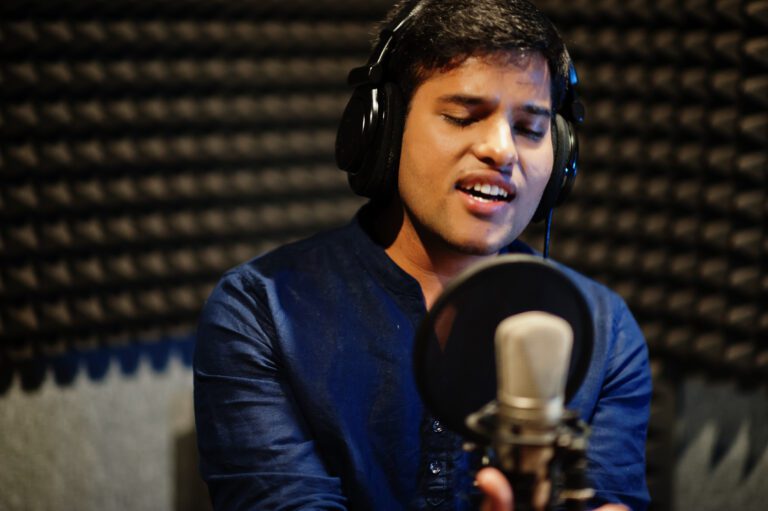
Breath management plays an important role in sustaining long phrases and maintaining vocal stability.
Learn to Use Breath Efficiently
The goal is not to take the largest possible breath.
Instead, singers should learn to coordinate their breath with the musical phrase.
A well-planned breath allows the singer to complete a phrase without unnecessary tension.
Posture Affects Vocal Production
Good posture provides a stable physical foundation for singing.
The body should remain comfortably aligned without unnecessary stiffness.
Keep the Body Relaxed
Avoid lifting the shoulders excessively when inhaling.
Keep the neck comfortable.
Allow the jaw to remain free of unnecessary tension.
A relaxed body makes it easier to coordinate breathing and vocal production.
Jaw and Throat Tension Can Affect Singing

Many beginners unknowingly tighten their jaw, tongue, or throat while attempting difficult notes.
This can restrict vocal freedom.
Monitor Unnecessary Tension
During practice, occasionally check:
- Is the jaw relaxed?
- Are the shoulders free?
- Is the tongue comfortable?
- Is the throat feeling strained?
- Am I pushing the sound?
If a particular exercise consistently causes discomfort, stop and seek guidance rather than forcing through it.
Develop Your Lower and Upper Registers Gradually
Classical singers often need to work across a considerable vocal range.
However, range should be developed progressively.
Don’t Chase High Notes
A high note is not automatically evidence of a strong voice.
Trying to force notes above your comfortable range can create tension and unhealthy habits.
Instead, develop the middle register first and gradually expand upward and downward under appropriate guidance.
Practice With a Tanpura

The tanpura provides the tonal foundation of the practice environment.
Listen While You Sing
Do not simply use the tanpura as background sound.
Listen carefully to the relationship between your voice and the drone.
Check whether your Sa is stable.
Notice how different swaras sit against the tonal center.
This active listening is essential for developing pitch awareness.
Voice Culture and Raga Training Work Together
oice exercises should not become completely separate from musical learning.
Once basic control has been established, exercises can be connected with the raga being studied.
Apply Technique to Musical Phrases
Practice the characteristic movements of the raga rather than singing every exercise mechanically.
This helps you develop technique while also learning the raga’s musical language.
Listening Is Part of Voice Culture

Singing is only one part of becoming a better classical vocalist.
Listening is equally important.
Listen to Experienced Classical Singers
Pay attention to:
- Swara placement
- Phrasing
- Breath points
- Meend
- Ornamentation
- Dynamics
- Tone
- Raga development
Try to understand not just what the singer is doing but why a particular musical choice works.
Record Your Practice
Recording your voice can reveal things you may not notice while singing.
Listen Back Objectively
Check whether your pitch remains stable.
Listen for breathiness, tension, unclear pronunciation, uneven transitions, or changes in tone.
Do not judge yourself harshly.
Use recordings as a way to identify areas for improvement.
Avoid Excessive Vocal Practice

More practice is not always better.
The voice is a physical instrument, and it needs recovery.
Know When to Stop
If you experience persistent pain, significant discomfort, or unusual vocal changes, do not continue forcing the voice.
Seek guidance from a qualified vocal teacher or appropriate healthcare professional when necessary.
Healthy training should prioritize sustainable vocal use.
A Simple Voice Culture Practice Routine
A beginner can create a structured practice session without making it excessively long.
Suggested Routine
5 minutes: Relaxed breathing and posture awareness.
5 minutes: Sa and basic swara practice.
10 minutes: Raga-specific phrases.
5 minutes: Meend or other appropriate ornamentation.
5 minutes: Singing with a tanpura and listening carefully.
The routine should be adapted according to the singer’s level and guidance from their teacher.
The Role of a Teacher in Voice Culture

Classical vocal technique contains many subtle details that can be difficult to evaluate independently.
A teacher can listen to the voice, observe technique, demonstrate appropriate exercises, and identify problems early.
Personalized Guidance Makes Training Safer and More Effective
Not every exercise is suitable for every singer.
A teacher can adjust the practice according to your range, experience, musical goals, and current vocal development.
This is particularly important when learning demanding ornamentation or expanding vocal range.
Conclusion
Voice culture in Hindustani classical singing is a gradual process of developing the voice into a controlled, flexible, expressive musical instrument. It involves much more than warm-ups. Pitch accuracy, breath management, resonance, swara practice, vocal flexibility, posture, ornamentation, listening, and consistent practice all contribute to a strong classical singing foundation.
The most important principle is to develop the voice patiently. Avoid forcing high notes, excessive volume, or complicated ornamentation before your technique is ready. Begin with a stable Sa, practice basic swaras and alankars, listen carefully to the tanpura, and gradually introduce raga-specific movements under appropriate guidance.
With regular practice, the voice can become more stable, flexible, and responsive. More importantly, improved vocal control gives singers greater freedom to explore the nuances of ragas and express music with confidence and individuality.
At The Mystic Keys, personalized Hindustani Classical Vocal Lessons Online help students develop voice culture, swara accuracy, raga understanding, breath control, ornamentation, vocal technique, and musical expression. With individual guidance from experienced teachers, learners can build healthy vocal habits while progressing according to their own level and musical goals.
For more information and exciting resources about learning music, visit our website at The Mystic Keys. For more music content and exciting offers follow us on
Facebook, Instagram, YouTube, LinkedIn, Twitter, Pinterest, and Threads.