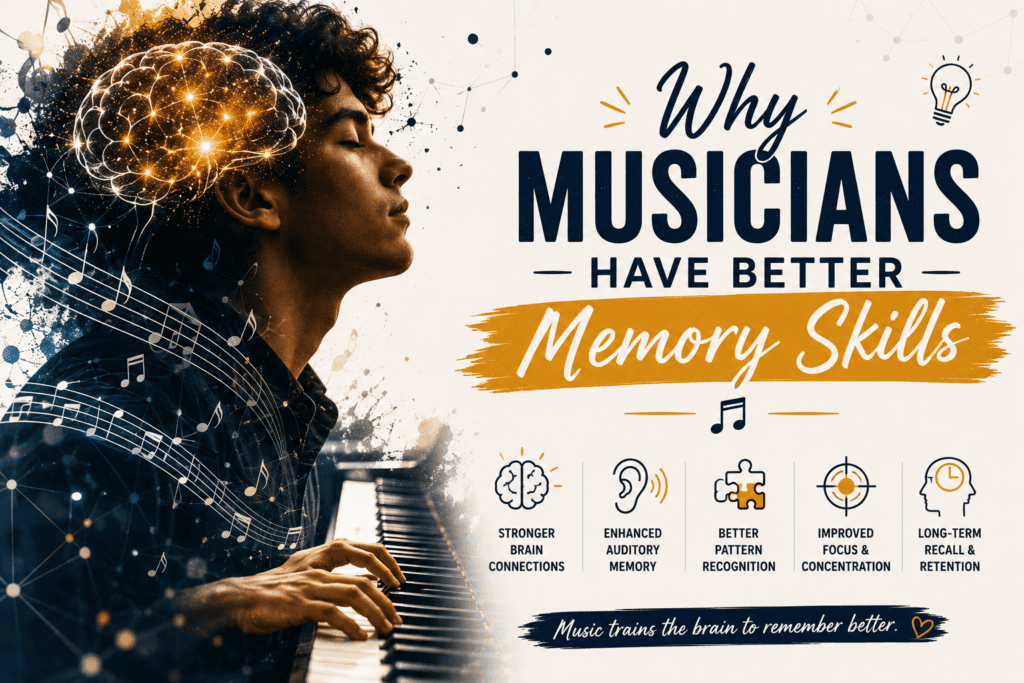
Why Musicians Have Better Memory Skills
Learning music involves much more than remembering a series of notes. Musicians constantly use their memory to recall melodies, rhythms, chords, lyrics, finger positions, musical patterns, and entire pieces. Over time, this continuous mental training can strengthen several types of memory and improve the way the brain processes and retrieves information. This is one reason musician memory skills are often associated with regular musical training and practice.
When a pianist remembers a long passage without looking at the sheet music, a guitarist recalls a chord progression, or a singer remembers an entire song, several areas of the brain are working together. Musicians are not simply memorizing information. They are learning to connect what they hear, see, feel, and perform.
The benefits of musical memory can extend beyond performing. Regular music practice also requires concentration, pattern recognition, listening, coordination, and repetition. These abilities can support learning in other areas as well, making music an especially valuable form of mental training.
Music Requires Constant Memory Use

Almost every part of learning an instrument involves memory.
A beginner may first memorize a few notes or chords. As their skills develop, they remember scales, chord progressions, rhythms, songs, techniques, and musical structures.
A more advanced musician may perform an entire piece from memory while simultaneously controlling expression, dynamics, rhythm, and technique.
Musicians Memory Skills
Musical performance involves several forms of memory, including:
- Auditory memory
- Visual memory
- Muscle memory
- Working memory
- Long-term memory
- Pattern recognition
These systems work together to help musicians recall and perform music accurately.
Auditory Memory Becomes Stronger
Musicians spend a significant amount of time listening.
They learn to recognize pitches, intervals, melodies, chord qualities, rhythms, and subtle changes in sound.
This repeated listening develops auditory memory—the ability to remember and recognize sounds.
Listening Helps Musician Memory Skills
A musician may hear a melody once and later reproduce part of it on an instrument.
With training, the connection between hearing and remembering becomes stronger.
This is particularly useful for singers and instrumentalists who learn music by ear.
Musical Patterns Make Information Easier to Remember

Musicians rarely memorize individual notes as completely separate pieces of information.
Instead, they organize music into patterns.
A pianist may recognize a chord progression.
A guitarist may recognize a familiar scale shape.
A drummer may recognize a rhythmic phrase.
A singer may remember the shape of a melody.
Patterns Reduce Mental Load
When information is organized into meaningful groups, it becomes easier to remember.
This principle is not limited to music.
The brain naturally looks for patterns because patterns provide structure and make complex information easier to process.
Music provides constant opportunities to practice this ability.
Muscle Memory Supports Musical Recall
When musicians practice the same movement repeatedly, their bodies become increasingly familiar with it.
A pianist may play a scale without consciously thinking about every finger.
A guitarist can change between familiar chords almost automatically.
A drummer can perform a practiced rhythm while focusing on another part of the music.
Repetition Creates Automatic Responses
This is often described as muscle memory, although the memory itself involves the nervous system and brain rather than the muscles independently remembering.
Repeated practice strengthens the neural pathways involved in a movement.
This allows familiar actions to require less conscious attention.
Working Memory Is Constantly Used
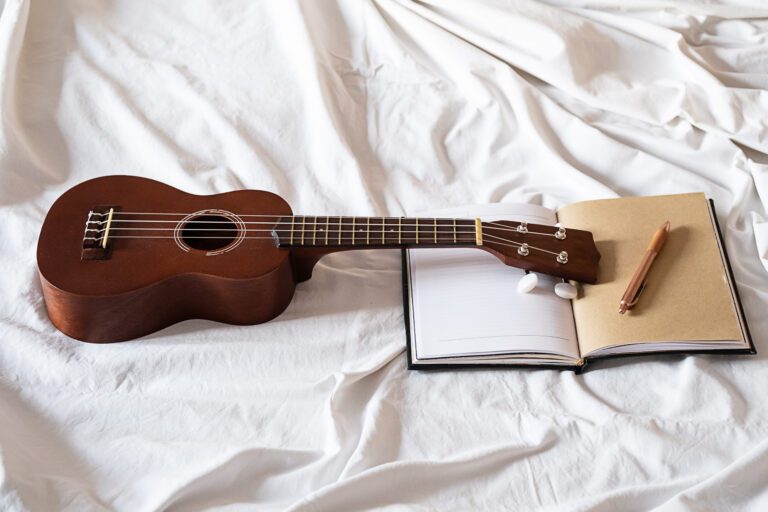
Working memory allows us to temporarily hold and manipulate information.
Musicians use it continuously.
While playing, a musician may remember the previous measure, anticipate the next phrase, follow the current rhythm, and monitor the sound being produced.
Music Trains Mental Coordination
Playing an instrument often requires several pieces of information to be managed simultaneously.
This makes musical practice a demanding mental activity.
Over time, regular practice can help musicians become more comfortable handling multiple streams of information at once.
Learning Music Strengthens Concentration
Memory and concentration are closely connected.
If you cannot maintain attention, remembering musical information becomes much more difficult.
Musicians need to remain focused while practicing, rehearsing, reading music, and performing.
Focus Supports Better Recall for Musician Memory Skills
When musicians concentrate carefully during practice, they create stronger associations between the notes, movements, sounds, and musical structure.
This makes later recall easier.
Memorizing Music Requires Active Learning
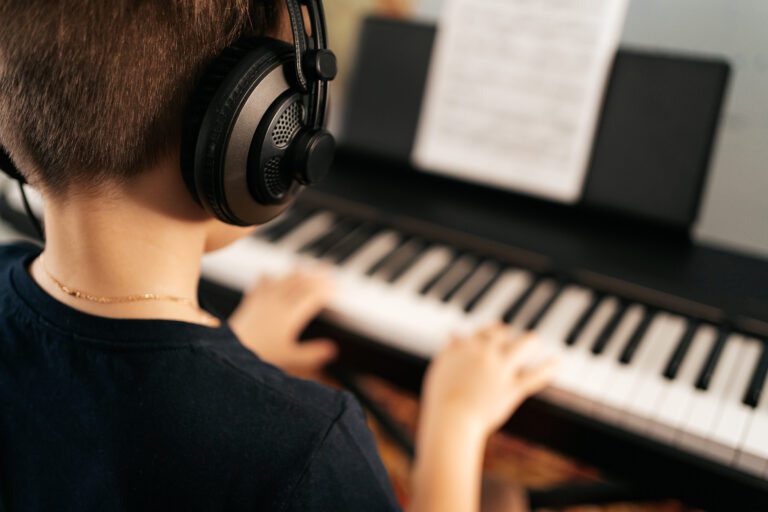
Simply repeating a piece from beginning to end is not always the most effective way to memorize it.
Musicians often use active strategies such as analyzing the structure, identifying chord progressions, singing melodies, practicing sections separately, and recalling passages without looking at the music.
Understanding Improves Memory
When musicians understand why a passage works, they have more information to use when remembering it.
For example, recognizing that several measures follow a familiar chord progression can make the passage easier to recall than memorizing every note independently.
Music Connects Hearing, Sight, and Movement
One unique feature of musical learning is the combination of multiple senses.
A pianist may read a note, hear its pitch, press a key, and feel the movement of the hand almost simultaneously.
A violinist sees the music, hears the pitch, controls the bow, and adjusts finger placement.
A drummer reads rhythmic information while coordinating multiple limbs.
Multiple Connections Strengthen Recall
When information is connected through several sensory and motor pathways, musicians have more ways to access the same information.
This can make musical recall highly efficient with practice.
Regular Practice Strengthens Long-Term Memory

Memory improves through repeated retrieval.
When a musician learns a piece and returns to it regularly, the information becomes increasingly familiar.
Over time, the piece can move from something that requires conscious concentration to something that feels almost automatic.
Spaced Practice Is Valuable For Musician Memory Skills
Instead of trying to memorize an entire piece in one long session, revisit it across multiple days.
This gives your brain repeated opportunities to retrieve the information.
Short, consistent practice can therefore be particularly useful for building reliable musical memory.
Why Musicians Can Remember Long Pieces
A long piece of music may contain hundreds or thousands of individual notes.
Yet experienced musicians can remember entire compositions.
How?
They do not necessarily memorize every note as an isolated event.
They recognize larger structures such as phrases, sections, chord progressions, patterns, repetitions, and musical themes.
Structure Makes Large Pieces Manageable
Once a musician understands the architecture of a composition, the amount of information that needs to be consciously recalled becomes much more manageable.
This is similar to remembering a story by its chapters rather than trying to memorize every word individually.
Improvisation Also Trains Memory

Improvisation may seem like creating music without memory, but it actually depends on previously learned patterns.
Musicians draw on scales, chords, rhythms, melodies, stylistic patterns, and techniques they have practiced before.
Experience Builds a Musical Vocabulary
The more patterns musicians learn, the more possibilities they have available when improvising.
This musical vocabulary becomes a form of stored knowledge that can be recalled quickly during performance.
Singing Can Strengthen Musical Memory
Singing is another powerful way to connect sound with memory.
When singers learn a song, they remember melody, rhythm, lyrics, phrasing, breathing, and expression.
Singing a melody before playing it can also help instrumentalists develop stronger auditory awareness.
Use Your Voice as a Memory Tool
Even instrumentalists can benefit from quietly singing or humming difficult melodies.
It strengthens the connection between what they hear and what they play.
Music Practice Can Improve Memory Strategies

Musicians learn different ways to memorize information.
They may use repetition, visualization, listening, physical movement, pattern recognition, association, and mental rehearsal.
These strategies can also be useful outside music.
Musicians Memory Skills
Over years of practice, musicians become familiar with breaking large tasks into smaller sections and gradually combining them.
This approach can make challenging information easier to manage.
Memory and Performance Confidence
Strong musical memory can also improve confidence.
A performer who knows the music thoroughly is less dependent on sheet music and less likely to panic after a small mistake.
This does not mean memorization eliminates nervousness.
However, familiarity provides a stronger foundation during performance.
Confidence Comes from Preparation
The more securely the music is remembered, the more attention the musician can devote to expression, communication, and connection with the audience.
How Beginners Can Develop Better Musical Memory

You do not need to be an advanced musician to begin training your memory.
Simple habits can make a difference.
Try learning short passages without looking at the music.
Sing melodies before playing them.
Practice scales from memory.
Identify chord progressions.
Recall yesterday’s practice before opening the sheet music.
Challenge Your Memory Gradually
Do not try to memorize an entire complicated piece immediately.
Start with a few measures.
Once you can recall them reliably, add another section.
Gradual challenges make memory training more manageable and rewarding.
Avoid Relying Completely on Sheet Music
Musician Memory Skills is an incredibly valuable learning tool, but musicians should also develop the ability to remember what they are playing.
Occasionally close the music after practicing a passage and see how much you can recall.
Test Yourself Through Retrieval
Active recall is more demanding than simply rereading the music.
That challenge is exactly what makes it useful.
If you forget something, return to the score, review it, and try again.
The Role of Sleep and Rest
Practice is only part of memory development.
Rest is also important.
The brain continues processing and consolidating learned information after practice, including during sleep.
Don’t Practice Until Exhaustion
Long sessions are not always better.
If concentration has disappeared, taking a break can be more productive than continuing to repeat mistakes.
A combination of focused practice and adequate rest supports more effective learning.
Music Is Mental Training as Well as Physical Training
When people think about music lessons, they often focus on physical skills.
They think about finger movements, breathing, bowing, or striking drums.
But music is also a demanding mental activity.
Musicians listen, analyze, remember, anticipate, coordinate, and make decisions constantly.
Every Practice Session Challenges the Brain
This combination of physical and cognitive activity is one reason music learning can be such a rich form of mental training.
Conclusion
Developing strong musician memory skills is a natural part of learning music. Musicians constantly train auditory memory, working memory, long-term recall, pattern recognition, concentration, and motor coordination as they learn and perform. By remembering melodies, rhythms, chord progressions, movements, and musical structures, they build connections between what they hear, see, think, and physically perform.
The key is consistent and active practice. Rather than simply repeating songs, try recalling sections from memory, analyzing patterns, singing melodies, practicing without the score, and revisiting material over several days. These habits make musical learning more effective while gradually strengthening your ability to remember and perform music confidently.
At The Mystic Keys, our personalized Music Lessons Online help students develop musical memory alongside technique, rhythm, ear training, music theory, and performance skills. With one-on-one guidance from experienced teachers, students can build strong musical foundations while developing the confidence and skills needed for lifelong learning.
For more information and exciting resources about learning music, visit our website at The Mystic Keys. For more music content and exciting offers follow us on
Facebook, Instagram, YouTube, LinkedIn, Twitter, Pinterest, and Threads.