How to Master Repeated Notes on the Piano
Repeated notes are an essential technique that every pianist must learn to play with confidence and precision. From classical compositions to modern worship songs and contemporary pieces, repeated notes add rhythm, excitement, and expression to music. However, many beginners struggle to play them smoothly, often experiencing tension, uneven timing, or a lack of control. Learning how to master repeated notes on the piano requires proper technique, consistent practice, and an understanding of hand movement. With the right approach, pianists can develop speed, accuracy, and musicality while avoiding unnecessary strain.
Why Learning How to Master Repeated Notes on the Piano Is Important
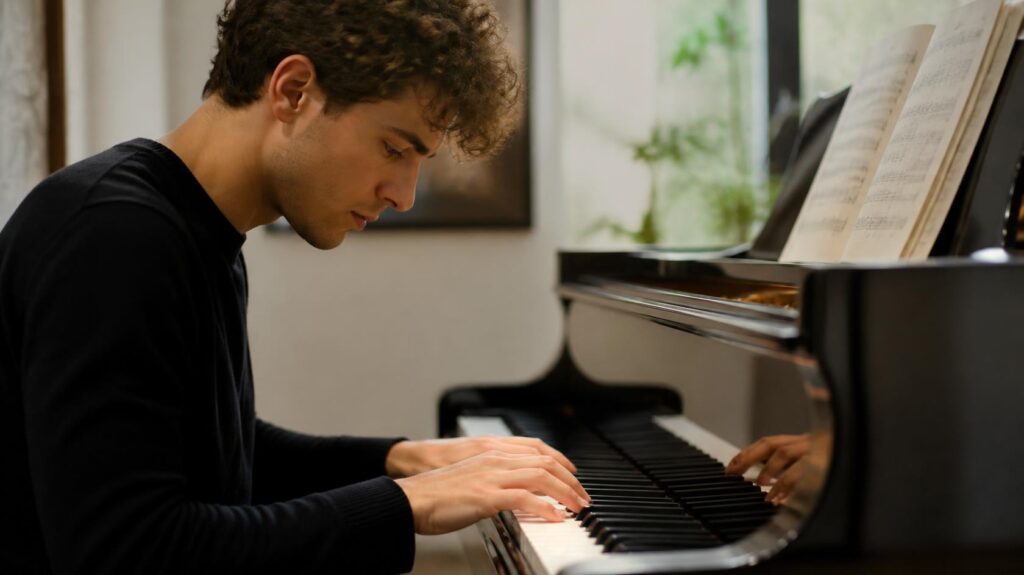
Repeated notes appear in almost every style of music, including classical, jazz, pop, worship, and film scores. They create momentum, emphasize melodies, and add dramatic effects to musical passages. Mastering this technique allows pianists to perform difficult pieces with greater confidence and expression.
Many famous composers, such as Mozart, Beethoven, and Chopin, used repeated notes extensively in their compositions. Modern pianists also encounter repeated-note patterns in worship music, accompaniment styles, and contemporary arrangements. Developing control over these patterns improves finger strength, coordination, rhythm, and overall keyboard technique.
Repeated notes are not simply about pressing the same key multiple times; they require careful attention to timing, hand position, and finger flexibility. Strong fundamentals in this area will enhance every aspect of your piano playing.
Exercises That Help You Master Repeated Notes on the Piano
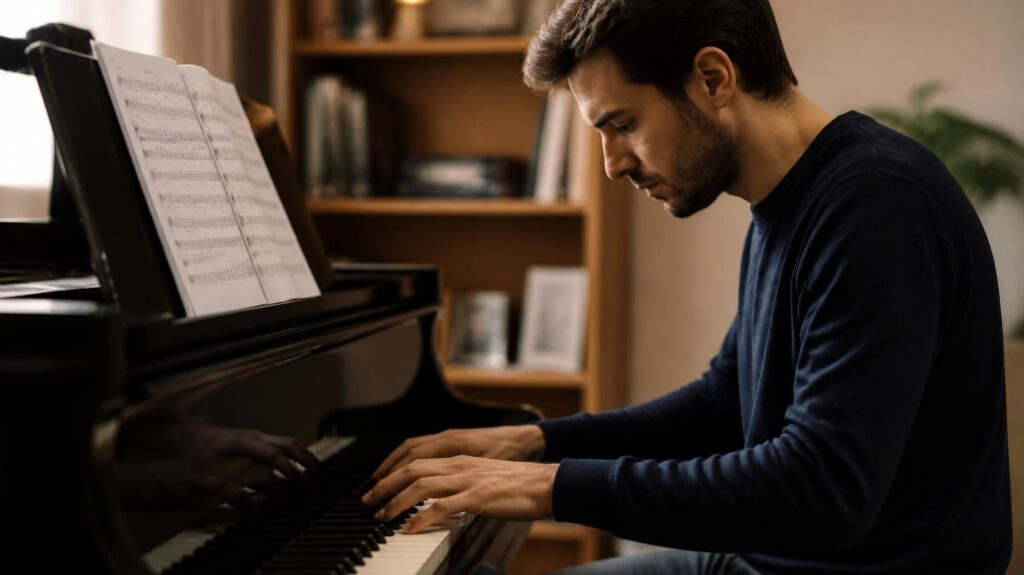
One of the biggest mistakes pianists make is relying on a single finger to play repeated notes continuously. This often leads to fatigue and uneven sound. Instead, pianists should learn to alternate fingers whenever possible, allowing the hand to remain relaxed and flexible.
Maintaining a curved hand position is equally important. The fingers should stay close to the keys while the wrist remains loose and natural. Excessive tension in the wrist or forearm can slow down movement and reduce accuracy.
When practicing repeated notes, focus on producing an even tone and consistent volume. Start slowly and pay attention to the quality of each note. Gradually increase the speed while maintaining complete control. Developing proper technique early will prevent bad habits and improve long-term performance.
How to Master Repeated Notes on the Piano by Building Finger Strength and Independence
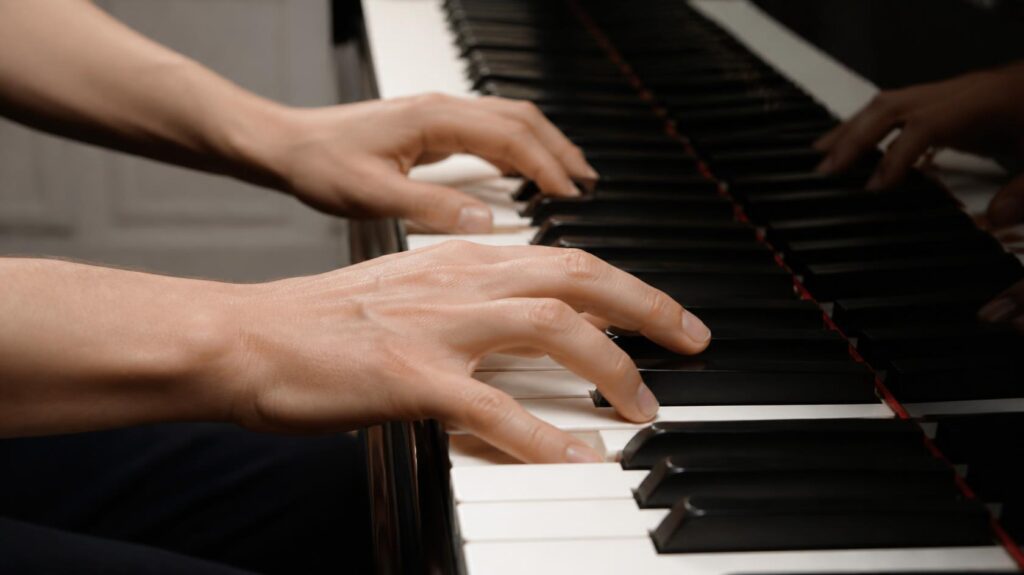
Finger strength and independence play a crucial role in mastering repeated notes on the piano. Weak fingers often struggle to maintain speed and consistency, making dedicated exercises essential for improvement.
Simple exercises such as repeated-note drills, finger patterns, and scales can significantly strengthen the hands. Practice repeating a single note using different finger combinations, such as 1-2, 2-3, or 3-4. This develops flexibility and teaches the fingers to work independently.
In addition, practicing scales and arpeggios improves overall hand coordination and prepares pianists for more advanced musical passages. Consistent technical exercises not only increase finger strength but also improve endurance, allowing pianists to perform repeated-note sections comfortably.
How to Master Repeated Notes on the Piano by Developing Speed Without Losing Control
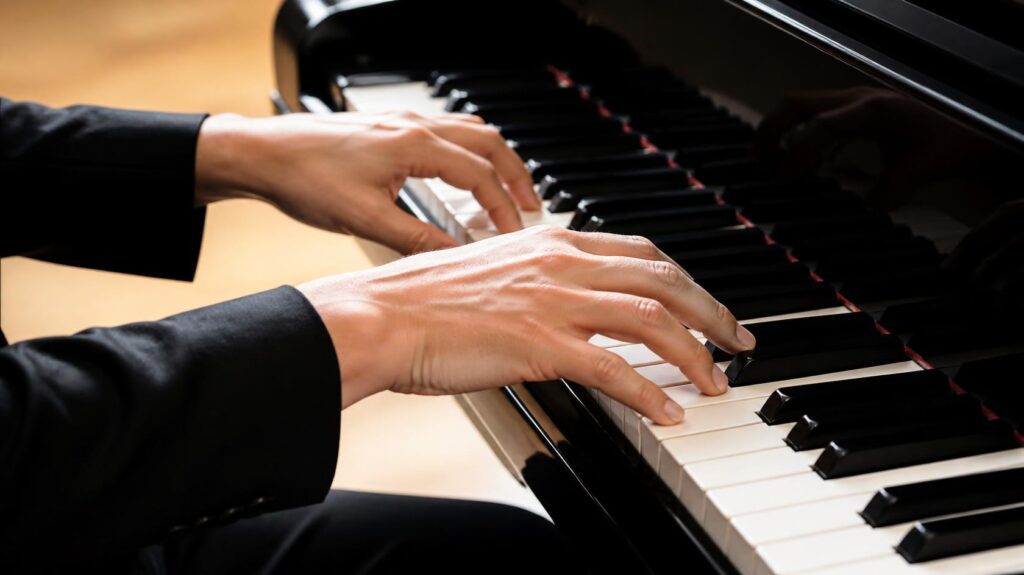
Many students try to play repeated notes quickly before mastering accuracy, which often leads to mistakes and tension. Speed should always be built gradually. Begin practicing at a slow tempo and use a metronome to maintain steady rhythm.
Increase the tempo in small increments only after achieving complete control at the current speed. Focus on keeping the hand relaxed and avoid lifting the fingers too high above the keyboard. Efficient movement allows pianists to play faster while conserving energy.
Another helpful technique is practicing in rhythmic variations. Alternate between long and short note patterns to improve finger coordination and control. Over time, these exercises will help pianists achieve speed while maintaining clarity and precision.
Common Mistakes to Avoid When Practicing Repeated Notes
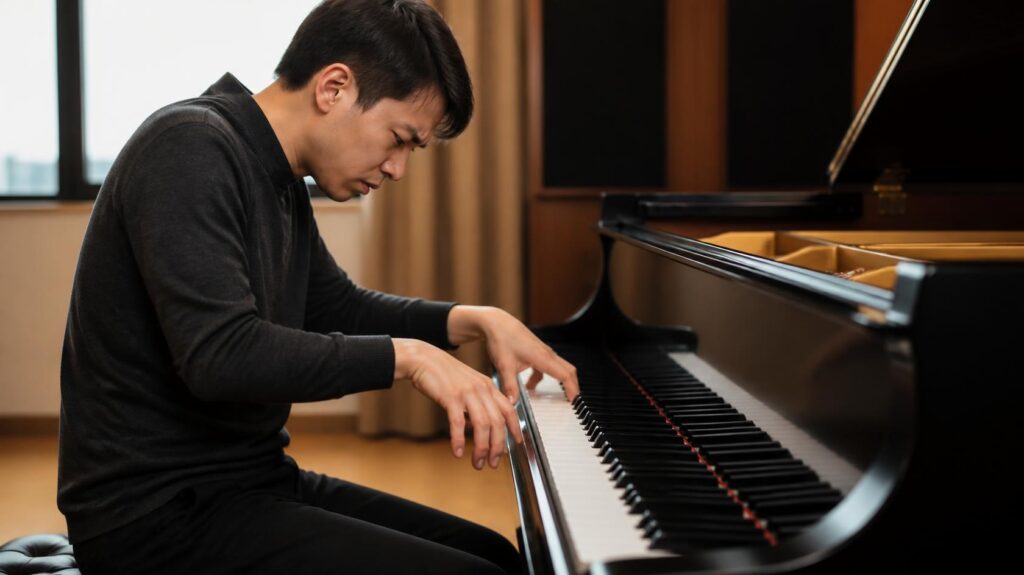
Many piano students unknowingly develop habits that make repeated notes more difficult to play. One common mistake is creating unnecessary tension in the fingers, wrists, and shoulders. Tension limits movement and can lead to fatigue or discomfort.
Another mistake is practicing too quickly without focusing on accuracy. Rushing through exercises often results in uneven rhythm and inconsistent sound. Students should also avoid striking the keys with excessive force, as repeated notes rely more on control and efficiency than on strength.
Ignoring proper posture and hand position can also affect performance. Sitting at the correct height and maintaining relaxed shoulders will improve technique and make repeated-note passages feel much easier to play.
Effective Exercises to Improve Repeated Notes
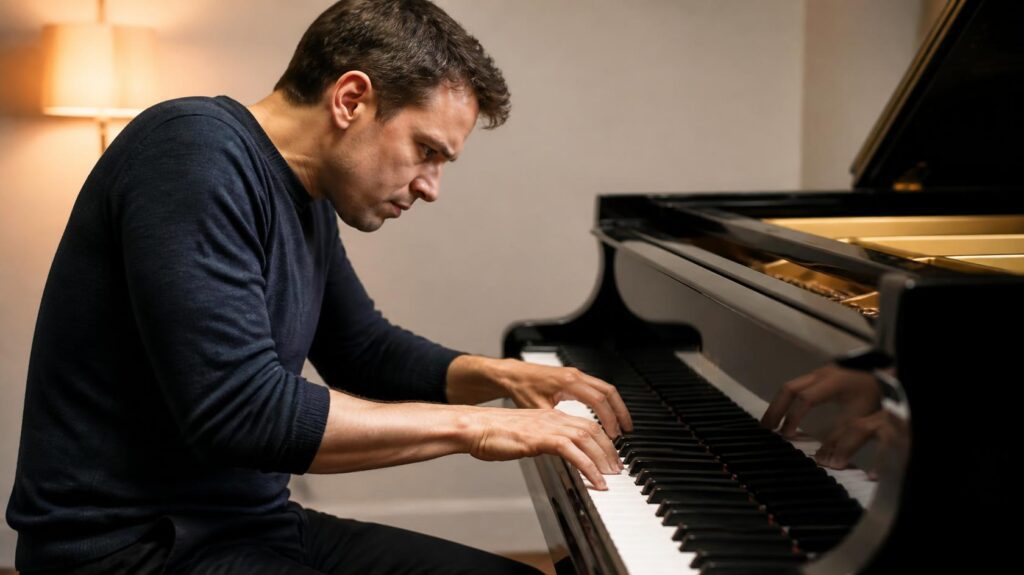
Regular exercises are essential for developing confidence with repeated notes. Start by choosing a single note in the middle register and play it repeatedly using different fingers. Practice slowly, ensuring that each note sounds clear and even.
You can also create simple rhythmic patterns, such as groups of two, three, or four repeated notes, and gradually increase the tempo. Practicing scales with repeated-note variations is another effective way to improve coordination.
Using a metronome during practice sessions helps maintain consistent timing and allows students to track their progress. Spending just ten to fifteen minutes each day on these exercises can lead to noticeable improvements in speed, endurance, and control.
Applying Repeated Notes in Real Music
Technical exercises are important, but the ultimate goal is to apply repeated-note techniques in actual musical pieces. Students should practice songs that include repeated-note patterns in different styles, such as classical compositions, worship music, and contemporary piano arrangements.
Pay close attention to musical expression, dynamics, and phrasing. Repeated notes should contribute to the emotion of the music rather than sounding mechanical. Experiment with different levels of volume and articulation to create a more engaging performance.
As confidence grows, pianists will find that repeated notes become a natural part of their playing, allowing them to tackle more challenging repertoire with ease.
Master Repeated Notes Through Consistent Practice
Learning how to master repeated notes on the piano is a gradual process that requires patience, proper technique, and regular practice. By focusing on finger independence, hand relaxation, rhythmic accuracy, and controlled speed, pianists can transform this challenging technique into one of their greatest strengths.
At The Mystic Keys, students receive personalized guidance that helps them build strong technical foundations while developing musical expression and confidence. Students who want to learn piano lessons online can benefit from structured one-on-one sessions designed for beginners and advanced players alike. Through expert instruction and consistent practice, pianists of all levels can master repeated notes and explore new possibilities in their musical journey.
For more information and exciting resources about learning music, visit our website at The Mystic Keys. For more music content and exciting offers follow us on
Facebook, Instagram, YouTube, LinkedIn, Twitter, Pinterest, and Threads.