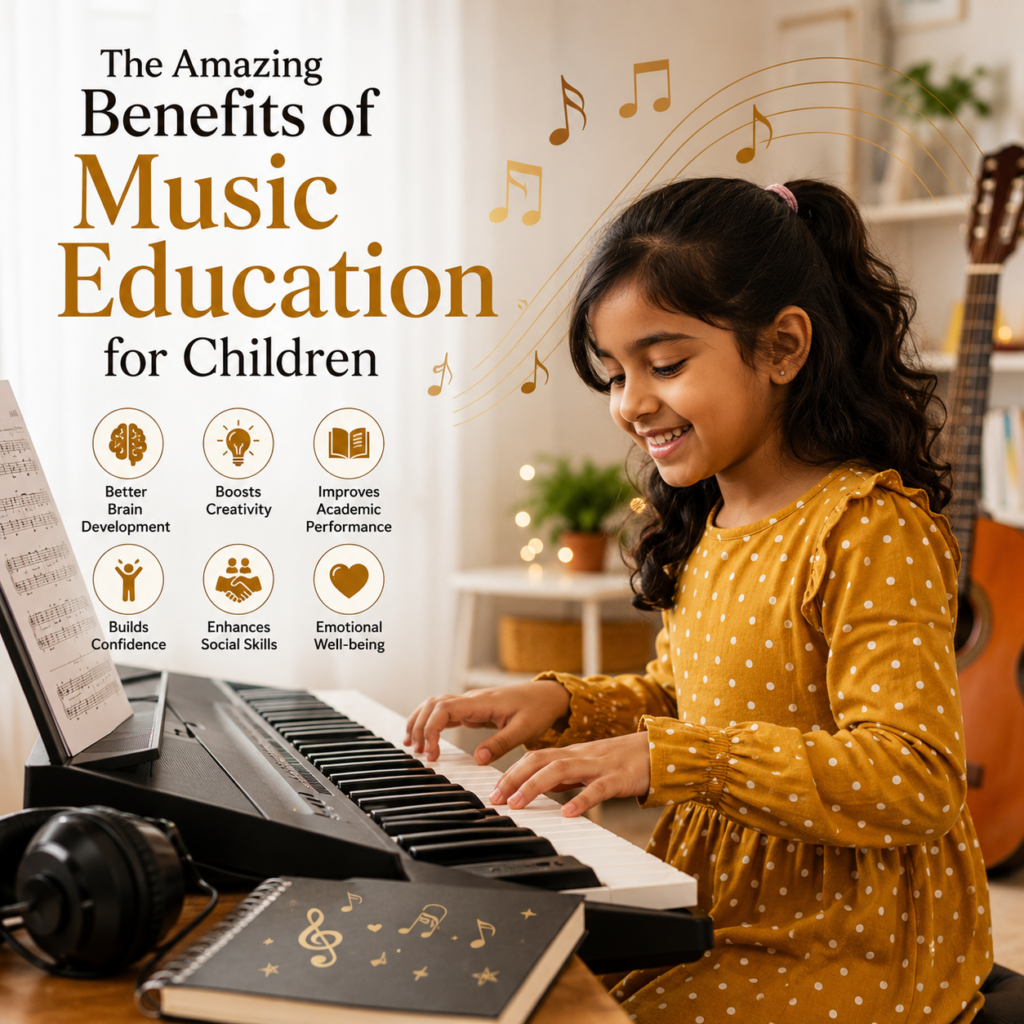
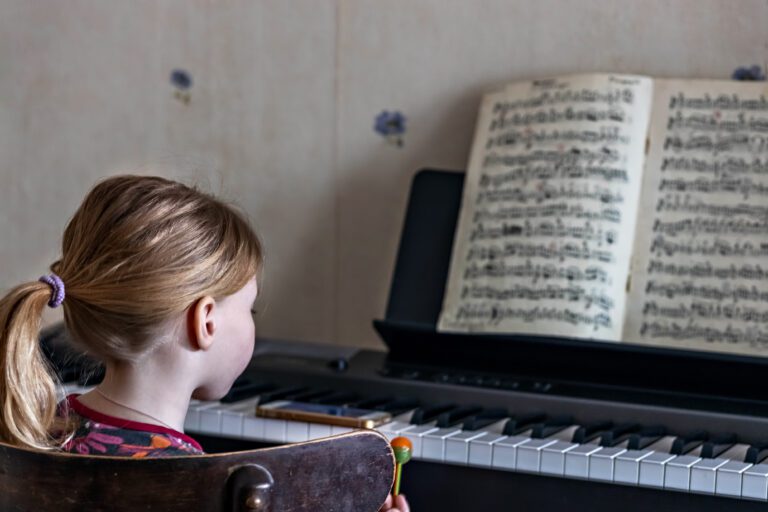
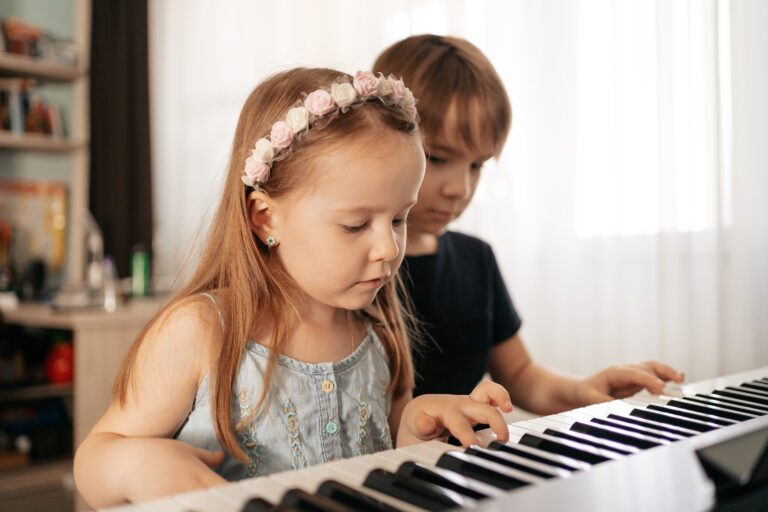
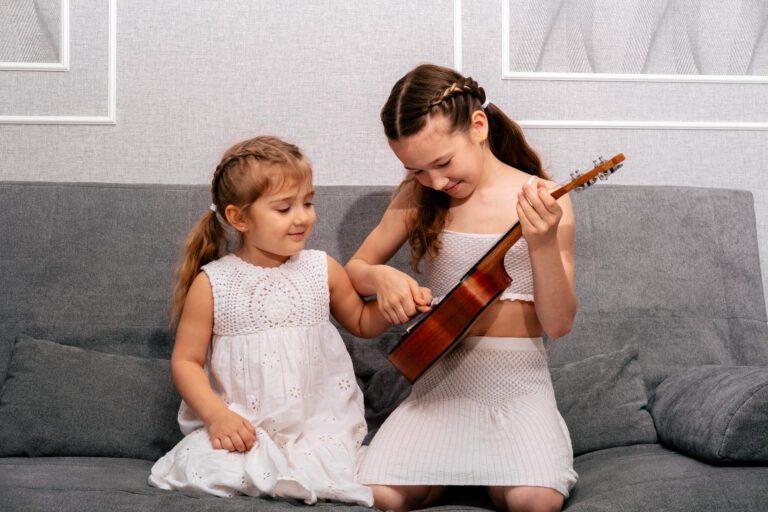
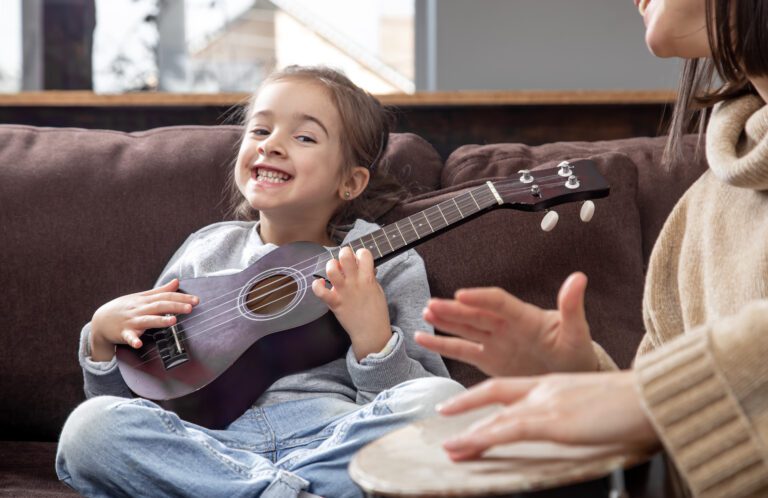
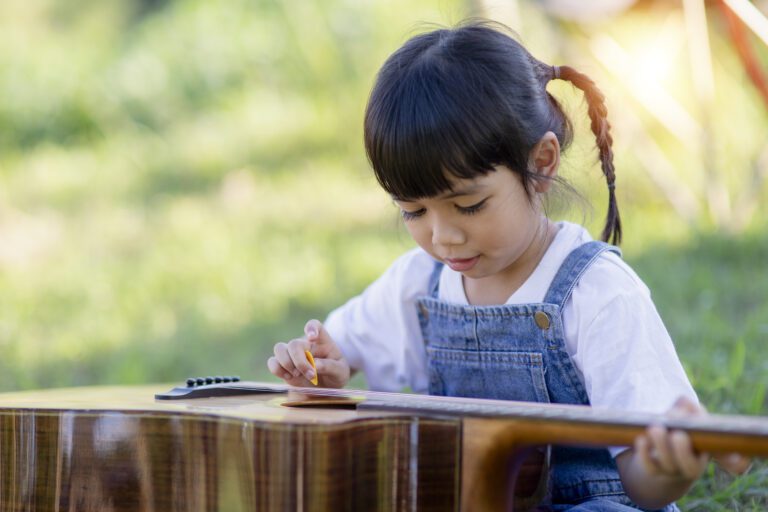
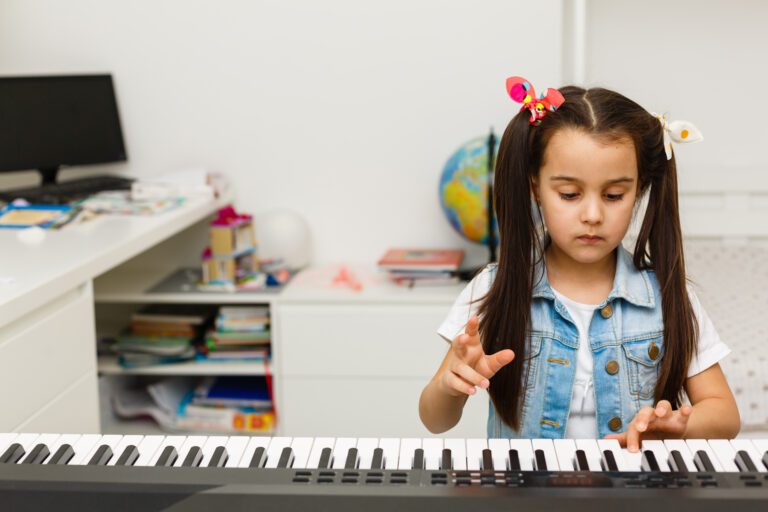
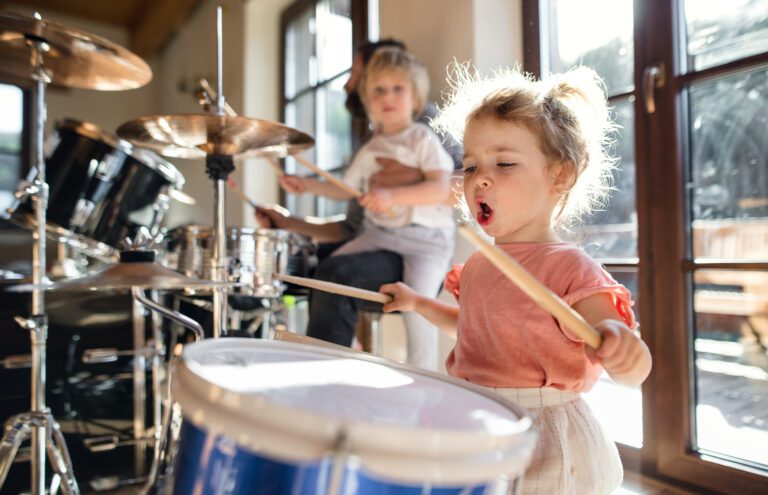
Parents often look for activities that help their children grow academically, socially, and emotionally. Among the many options available, music education for children stands out as one of the most rewarding experiences. Learning music is much more than singing songs or playing an instrument—it develops important life skills that benefit children throughout their lives.
Whether a child learns piano, guitar, violin, drums, vocals, or another instrument, music encourages creativity, discipline, patience, and confidence. Numerous studies have also shown that children who participate in music education often perform better in school and develop stronger communication and problem-solving skills.
If you’re wondering whether music lessons are worth the investment, this guide explores the many ways music education for children supports healthy growth and lifelong success.
Why Music Education for Children Matters
Childhood is the ideal time to develop new skills. During these early years, the brain is highly adaptable and capable of learning quickly.
Music education for children provides opportunities to strengthen memory, coordination, listening skills, and emotional expression while making learning enjoyable. Instead of focusing only on musical ability, children also develop habits that help them succeed in academics and everyday life.
Music becomes a valuable part of their overall development rather than just another extracurricular activity.
Music Education for Children Improves Brain Development
One of the greatest advantages of learning music is its positive impact on brain development.
When children learn an instrument or practice singing, they use multiple parts of the brain simultaneously. Reading notes, listening carefully, coordinating movements, and maintaining rhythm require constant mental activity.
As a result, music education for children helps improve:
Memory
Concentration
Problem-solving
Critical thinking
Information processing
These cognitive benefits often extend into classroom learning as well.
Better Academic Performance Through Music
Many parents notice improvements in their children’s academic performance after starting music lessons.
Learning music encourages children to:
Follow instructions
Recognize patterns
Improve mathematical thinking
Strengthen language skills
Develop better reading abilities
Because music combines logic with creativity, children often become more confident learners across different school subjects.
Music Education for Children Builds Confidence
Confidence grows when children accomplish new goals.
Learning a new song, mastering a difficult rhythm, or performing in front of family members gives children a sense of achievement. Each small success motivates them to continue learning.
Over time, music education for children helps reduce fear of making mistakes and encourages them to face new challenges with confidence.
Encourages Creativity and Imagination
Music gives children the freedom to express themselves creatively.
Whether they are composing simple melodies, experimenting with rhythms, or interpreting a song differently, children learn to think beyond fixed answers.
Creative thinking developed through music often benefits art, writing, storytelling, and problem-solving in other areas of life.
Music Education for Children Teaches Discipline
Success in music does not happen overnight.
Children gradually learn that improvement comes through:
Regular practice
Patience
Consistency
Commitment
These habits become valuable life skills that support academic achievement, sports, and future careers.
Develops Better Listening Skills
Listening is one of the most important musical abilities.
Students learn to:
Recognize pitch
Identify rhythm
Follow instructions
Listen carefully to others
These listening skills improve classroom participation, conversations, and teamwork.
This continuous mental exercise strengthens both short-term and long-term memory.
Children who participate in music education for children often develop better attention spans and improved concentration during learning activities.
Strengthens Fine Motor Skills
Playing many musical instruments involves precise hand movements.
Children learning piano, violin, guitar, or drums improve:
Finger strength
Hand coordination
Dexterity
Timing
These skills also support handwriting, drawing, and other daily activities.
Music Education for Children Encourages Emotional Growth
Music provides children with healthy ways to understand and express emotions.
Instead of keeping feelings inside, children often communicate through singing or playing an instrument.
This emotional expression helps reduce stress while encouraging self-awareness and empathy.
Teaches Patience and Perseverance
Every musician experiences challenges.
Children quickly learn that difficult songs become easier through regular practice.
This lesson teaches perseverance and helps them understand that success comes from consistent effort rather than instant results.
Builds Social Skills
Many music programs include:
Group lessons
Choirs
Bands
Student performances
Working together teaches children how to communicate, cooperate, and respect others.
These experiences help build friendships and improve teamwork.
Music Education for Children Improves Communication
Performing music encourages children to communicate both verbally and non-verbally.
They become more comfortable speaking in front of others, sharing ideas, and expressing emotions.
These communication skills benefit presentations, interviews, and future leadership opportunities.
Reduces Stress and Anxiety
Children also experience stress from school, exams, and daily responsibilities.
Music provides a relaxing outlet that helps them:
Feel calmer
Reduce anxiety
Improve emotional balance
Enjoy positive experiences
Many parents notice that music lessons become one of their child’s favorite weekly activities.
Encourages Cultural Appreciation
Music introduces children to traditions from around the world.
Whether learning Western classical music, Carnatic music, Hindustani music, or contemporary styles, students gain a deeper appreciation for different cultures and artistic traditions.
This broadens their understanding of the world.
Music Education for Children Develops Leadership Skills
As students become more confident, they often take leadership roles during performances and group rehearsals.
Leading warm-ups, helping classmates, or performing solos encourages responsibility and decision-making.
These experiences build leadership qualities from an early age.
The Importance of Professional Music Instruction
Although children can explore music independently, structured lessons provide faster and more consistent progress.
Personalized instruction ensures that children continue progressing while enjoying the learning process.
How Parents Can Support Music Learning
Parents play an important role in encouraging musical growth.
Simple ways to support children include:
Creating a regular practice routine.
Celebrating small achievements.
Attending performances.
Listening to music together.
Encouraging patience during difficult lessons.
Positive encouragement helps children remain motivated and enjoy learning.
Is There a Best Age to Start?
Many children begin learning music between the ages of four and seven.
However, there is no perfect age.
The best time to begin music education for children is whenever a child shows curiosity and interest. With the right teacher and learning approach, children of different ages can successfully develop musical skills.
A Lifelong Gift Beyond Music
The lessons learned through music extend far beyond the classroom.
Children develop confidence, discipline, creativity, resilience, communication, and emotional intelligence—qualities that continue benefiting them throughout adulthood.
Even if they never become professional musicians, the experiences gained through music positively shape their personal and academic lives.
Conclusion
The benefits of music education for children reach far beyond learning an instrument or singing songs. Music strengthens the mind, nurtures creativity, builds confidence, teaches discipline, and develops valuable life skills that support success in school and beyond.
Every lesson gives children an opportunity to grow, express themselves, and discover their unique potential. With consistent practice and expert guidance, music becomes a lifelong companion that inspires learning, confidence, and personal development.
At The Mystic Keys, we offer personalized one-on-one online music lessons for children in piano, guitar, violin, vocals, drums, ukulele, and Indian classical music. Our experienced instructors create engaging lessons that help every child develop strong musical skills while building confidence and a lifelong love for music.
For more information and exciting resources about learning music, visit our website at The Mystic Keys. For more music content and exciting offers follow us on