Private piano lessons online | Small Group vs Private Lessons
Private piano lessons online | Small Group vs Private Lessons
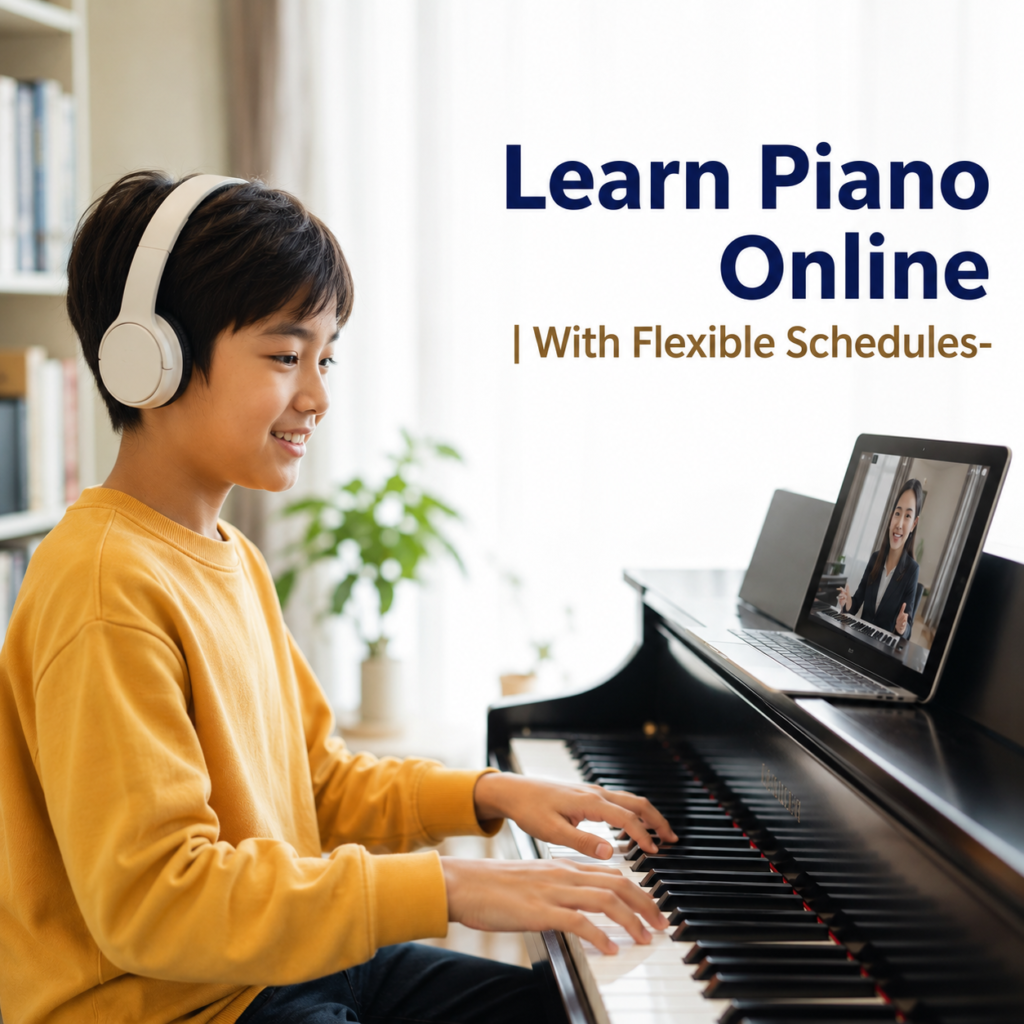
Learning the piano online has become an increasingly convenient way to develop musical skills from home. With live instruction, interactive lessons, digital resources, and recorded sessions, students can learn without being limited by location or travel time. However, once you decide to take piano classes online, another important question comes up: Should you choose small group piano lessons or private piano lessons online?
Both formats can provide a structured and enjoyable learning experience, but they suit different learning styles, goals, and personalities. Understanding how each option works can help students and parents choose a class format that feels comfortable while still supporting steady musical progress.
Understanding Private Online Piano Classes
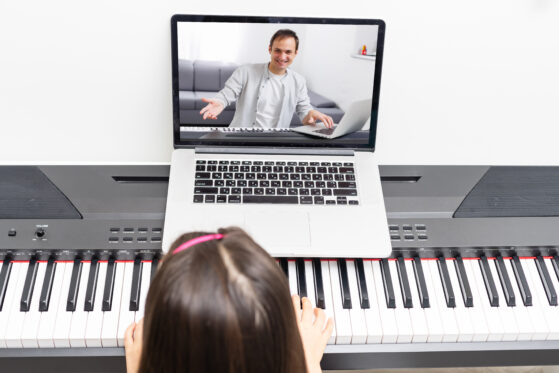
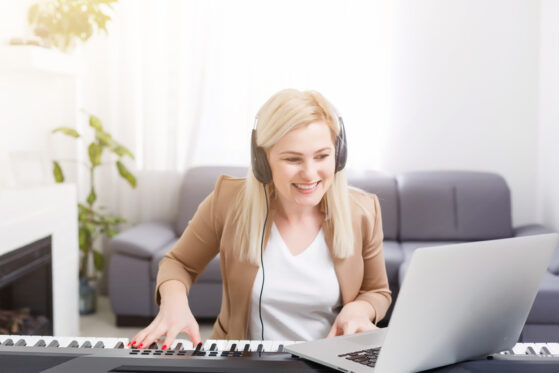
Private piano lessons online bring the learning experience directly to the student’s home. Instead of travelling to a music school or waiting for an instructor to become available locally, students can connect with a teacher through a live online session.
A well-structured online piano lesson can include technique exercises, sight-reading, music theory, rhythm practice, repertoire development, and personalized feedback. Students can also benefit from digital learning materials and lesson recordings, depending on the program.
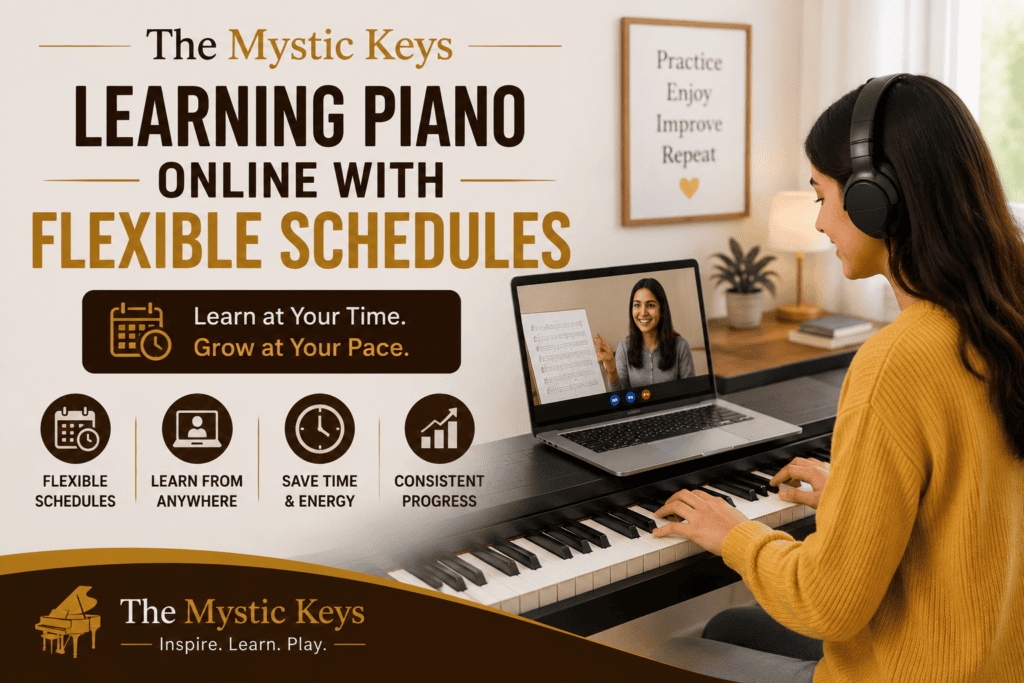
More importantly, online learning can make music education easier to fit into a busy routine. Students can attend lessons from a familiar environment, while parents can save commuting time. This flexibility is one of the reasons online piano lessons have become an attractive option for children, teenagers, adults, and even students preparing for graded examinations.
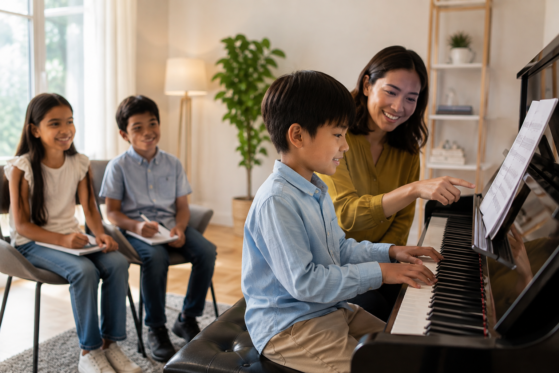
Piano Classes Online | What Are Private Online Piano Classes?
Private piano lessons are one-on-one sessions between a student and a piano teacher. Because the teacher works exclusively with one learner during the lesson, the session can be shaped around that student’s current ability, goals, pace, and challenges.
For a beginner, this can mean spending additional time learning basic finger positions or understanding rhythm before moving ahead. An intermediate student, meanwhile, may require more detailed guidance with technique, expression, or difficult passages in a particular piece.
The biggest advantage is personalization. The teacher can immediately notice where the student is struggling and adjust the lesson accordingly. If a student understands a concept quickly, the teacher can move forward rather than spending time repeating something the learner has already mastered.
Private lessons can therefore be particularly useful for students who have specific musical goals, such as preparing for an examination, improving performance skills, developing advanced technique, or working toward a particular repertoire.
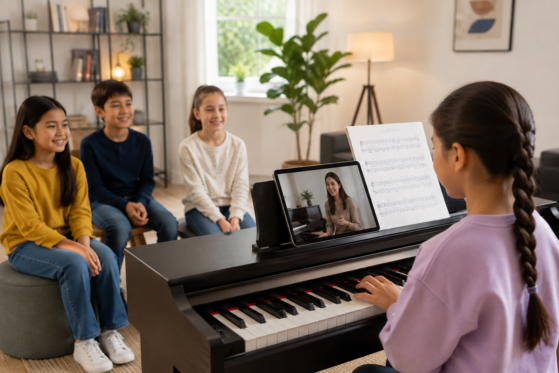
What Are Small Group Piano Lessons?
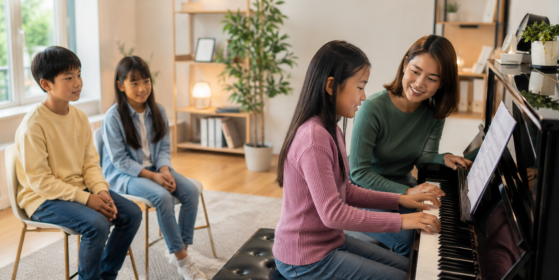
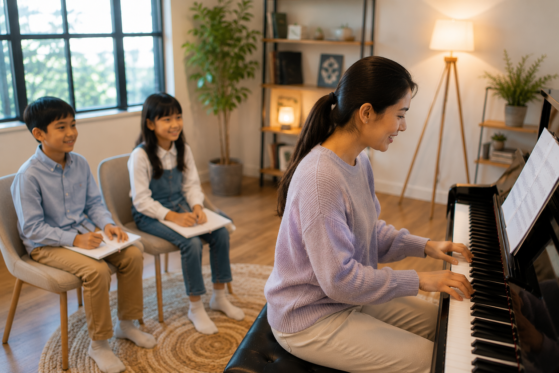
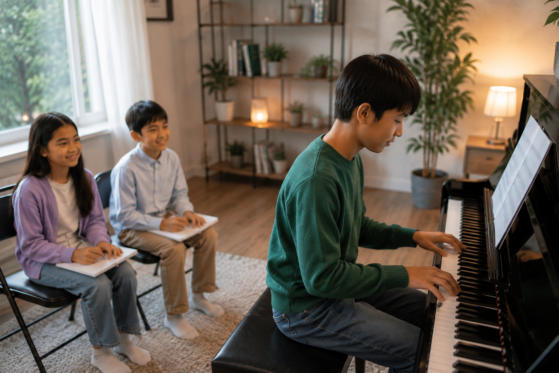
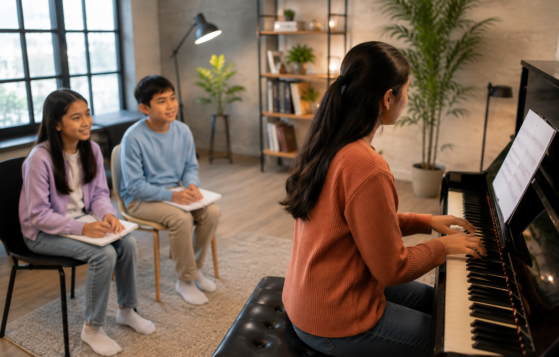
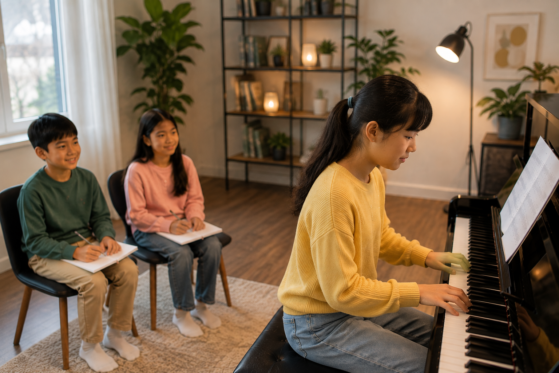
Small group piano lessons bring a few students together for a live learning session. Instead of receiving individual instruction throughout the entire class, students learn alongside their peers while the teacher guides the group.
This format can create a more social and interactive learning environment. Students may listen to one another, participate in rhythm activities, discuss musical concepts, and gain confidence by performing in front of others.
For younger learners, the group environment can make lessons feel more lively and engaging. Seeing other students learn and participate may also encourage children to stay motivated and enjoy the process.
At the same time, small groups still allow a teacher to provide guidance and feedback, especially when the class size is kept manageable. The experience can offer a balance between structured instruction and the energy of learning with others.
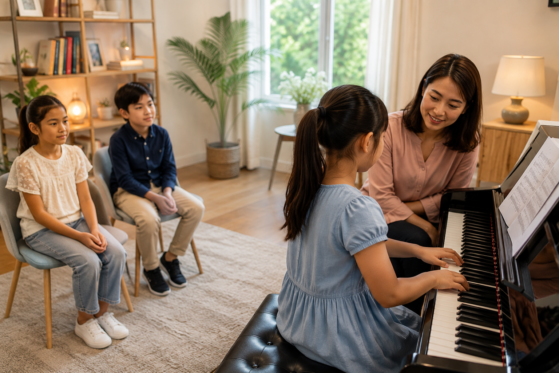
Piano Classes Online | Small Group vs Private Piano Lessons
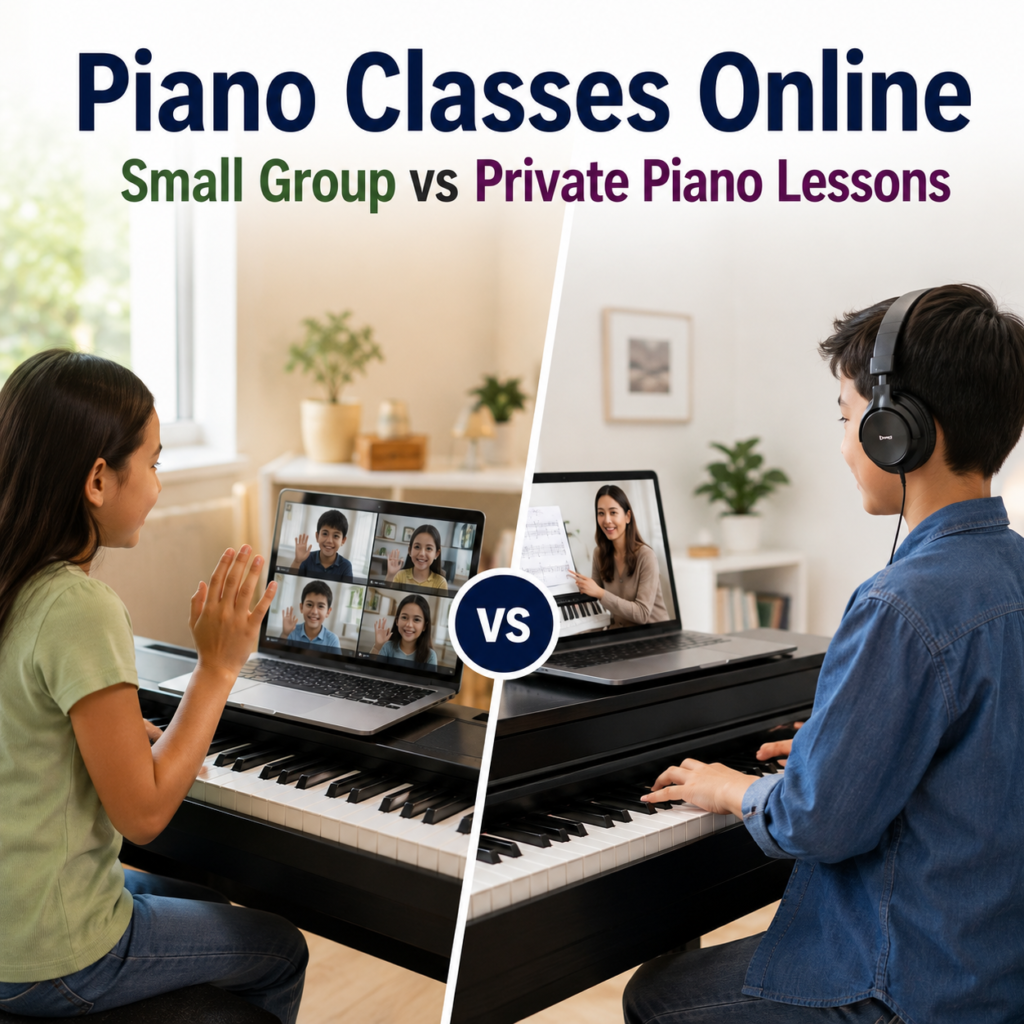
The main difference comes down to personalization versus shared learning.
In a private lesson, the entire session revolves around one student. The teacher can adapt the pace, exercises, repertoire, and explanations to that learner. In a small group, the teacher has to balance the needs of several students while keeping everyone involved.
That does not necessarily make one format better than the other. Instead, the right choice depends on what the student expects from piano classes online.
A student who wants highly focused instruction may naturally prefer private lessons. Someone who enjoys interaction, encouragement, and learning alongside peers may find a small group more enjoyable.
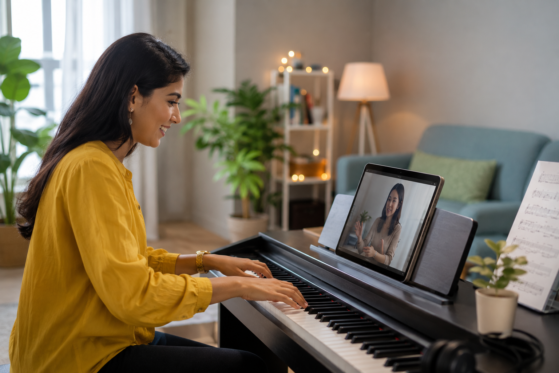
Personalized Attention in Private Lessons
One of the strongest reasons students choose private piano lessons is the amount of individual attention they receive.
Every learner develops differently. Some students may have strong musical instincts but need help with technique, while others may understand theory easily but require more practice with rhythm or coordination.
Private instruction gives the teacher room to address these differences during every lesson. The teacher can slow down when necessary, revisit a difficult concept, introduce additional exercises, or move ahead when the student is ready.
This level of customization can also be valuable when preparing for piano examinations. A teacher can identify specific areas that need improvement and dedicate lesson time to those requirements rather than following the exact same structure for every learner.
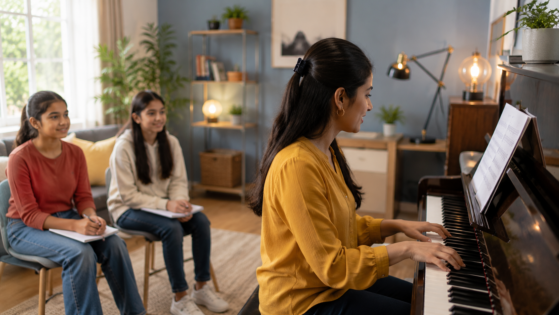
The Social Benefits of Small Group Piano Lessons
While Private piano lessons online offer individual attention, small group classes bring a different advantage: interaction.
Music is not only about playing notes correctly. Students also need to develop confidence, listening skills, rhythm awareness, and the ability to perform for others. A small group environment can naturally provide opportunities to develop these skills.
Listening to another student play can help learners recognize different approaches to the same musical concept. Performing in front of classmates can also gradually reduce nervousness and encourage students to become more comfortable sharing their music.
For children especially, the social element can make learning feel less like a formal academic activity and more like a shared experience.
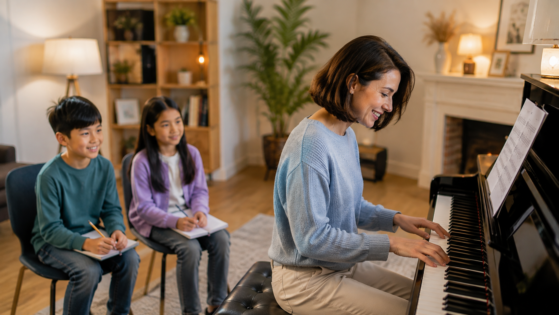
Piano Classes Online | Which Option Is Better for Children?
Beginners can succeed with either option, although their individual learning style matters.
A beginner who feels comfortable learning independently and wants the teacher’s complete attention may benefit greatly from private piano lessons. The teacher can establish the basics carefully and correct mistakes before they become habits.
On the other hand, a beginner who enjoys being around other learners may find small group classes motivating. Watching classmates learn similar concepts can make the process feel encouraging and less intimidating.
The most important factor is not simply whether the student is new to piano. It is whether the learning environment helps that student remain interested, comfortable, and consistent.
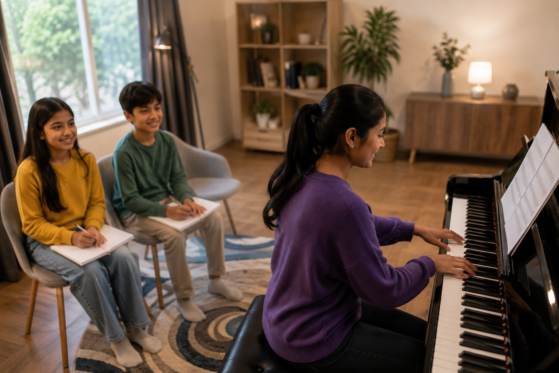
Which Option Is Better for Children?
For children, the choice often depends on personality and learning preferences.
Some children respond particularly well to one-on-one attention. They may enjoy having a teacher focus entirely on them and appreciate lessons that move according to their pace. Private classes can also be useful when a child needs additional encouragement or has a specific musical objective.
Other children thrive on interaction. A small group can provide opportunities to listen, participate, and learn alongside other young musicians. The presence of classmates may also create a sense of excitement and accountability.
Parents should therefore consider how their child typically learns. A child who enjoys individual attention may prefer private lessons, while a naturally social and collaborative learner may enjoy a small group environment more.
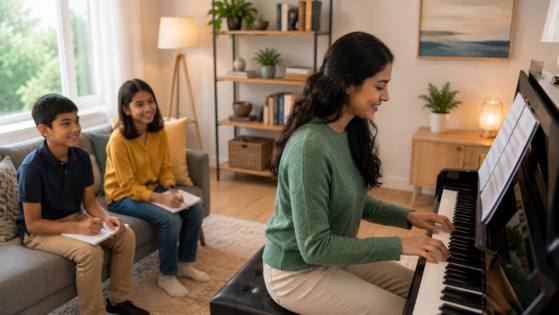
Private Online Piano Classes | Learning at Your Own Pace
Another important consideration is pace.
Private lessons offer greater freedom in this area because the teacher can adjust the lesson almost immediately. If a student needs three weeks to become comfortable with a particular technique, the teacher can provide that time. If another student masters the concept quickly, the lesson can progress to something more challenging.
Small group lessons generally follow a shared pace. The teacher needs to keep the entire class moving together, which means some students may occasionally need additional practice outside the lesson.
For learners who prefer highly individualized progress, private instruction has a clear advantage. Those who enjoy learning as part of a shared journey may appreciate the structure of a group.
Private Online Piano Classes | Motivation and Accountability
Consistency is one of the most important parts of learning an instrument. Regardless of the class format, students need regular practice between lessons.
Small group classes can create a sense of accountability because students know they will return to class and interact with their peers. Seeing classmates progress can also provide an extra source of motivation.
Private lessons offer a different kind of accountability. Because the teacher is closely following one student’s progress, goals can be established specifically for that learner. The student may receive focused practice assignments based on what was covered during the lesson.
Ultimately, motivation comes from more than the class format. An encouraging teacher, achievable goals, interesting repertoire, and regular practice can make a significant difference.
Private Online Piano Classes | What About Cost?
Cost is another factor families often consider when choosing Private piano lessons online.
Private piano lessons generally cost more because the teacher’s time is dedicated entirely to one student. Small group lessons can sometimes be more economical because the teaching time is shared among several learners.
However, price should not be the only consideration. The value of a lesson depends on the quality of instruction, class size, teacher experience, lesson structure, feedback, learning resources, and the student’s goals.
A student preparing for a performance or examination may find the personalized attention of private lessons especially valuable. Meanwhile, someone learning piano primarily for enjoyment may prefer the social and potentially more affordable nature of a small group
Flexibility in Online Learning
Online piano classes can offer considerable flexibility regardless of the format.
Students can learn from home without spending time travelling to and from a music school. This can be particularly helpful for families managing school schedules, extracurricular activities, work commitments, and other responsibilities.
Private classes may offer more flexibility in adapting lessons to an individual student’s progress. Small group classes, however, can provide a predictable routine because the lesson schedule is shared among participants.
A reliable schedule matters because regular attendance plays an important role in building musical skills over time.
Private Online Piano Classes | Choosing the Right Lesson Format
There is no universal answer to whether small group or private piano lessons are better. The ideal choice depends on the learner.
If personalized attention, flexible pacing, focused feedback, and specific musical goals are priorities, private piano lessons may be the stronger choice. Students who want to prepare for examinations, improve technique, or work intensively on repertoire can particularly benefit from this format.
If interaction, peer learning, confidence-building, and a shared musical experience are more important, small group piano classes can be an excellent alternative. The social environment may make lessons more engaging, particularly for younger learners.
The teacher also matters enormously. A skilled instructor should be able to create an encouraging environment, communicate clearly online, identify areas for improvement, and keep lessons engaging regardless of the format.
Can Students Switch Between the Two Formats?
Yes, and sometimes a combination can work particularly well.
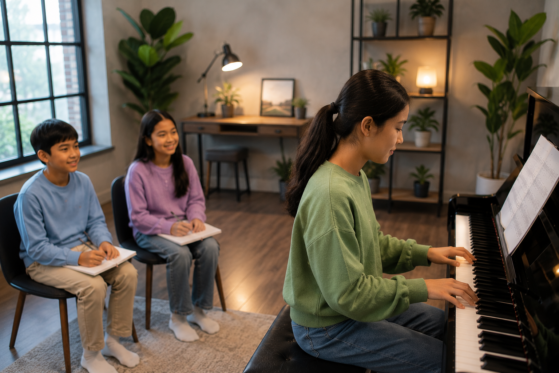
A student might begin with small group lessons to develop basic skills and confidence before moving into private instruction for more advanced training. Another learner may take private lessons while occasionally participating in group activities or performances to develop confidence and ensemble awareness.
As musical goals change, the ideal learning format can change as well. A beginner learning for fun may have different needs from a student preparing for an examination a few years later.
The goal should therefore be to choose the format that supports the student’s current stage of learning and long-term musical interests.
Final Thoughts
Choosing between small group and private piano lessons is ultimately a question of finding the right learning environment. The Mystic Keys offers flexible learning options designed to support students with different musical goals and learning preferences.
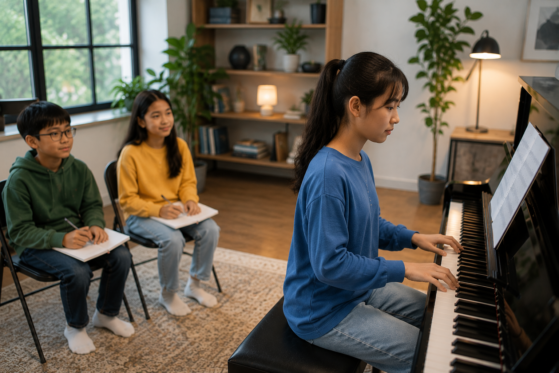
Private lessons provide focused, individualized instruction and allow the teacher to tailor the experience closely to one student’s needs. Small group classes, meanwhile, introduce collaboration, interaction, and the motivation that can come from learning alongside others.
With Piano Lessons Online, both approaches become accessible from the comfort of home. With the right teacher, consistent practice, and a learning format that matches the student’s personality and goals, either option can become a rewarding part of a musical journey.
Whether you are taking your first steps at the piano or working toward a more advanced goal, the most important thing is to choose a class where you feel encouraged to learn, motivated to practise, and excited to keep playing.
For more information and exciting resources about learning music, visit our website at The Mystic Keys. For more music content and exciting offers follow us on
Facebook, Instagram, YouTube, LinkedIn, Twitter, Pinterest, and Threads.