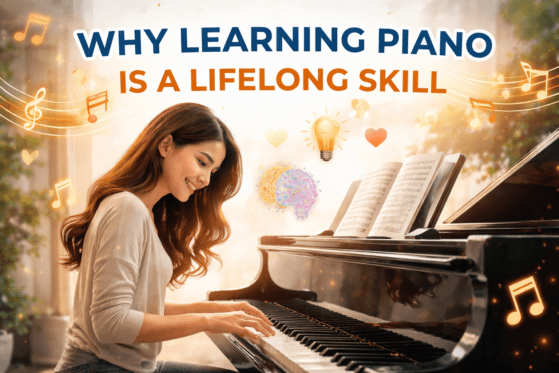
Learning piano is a lifelong skill that goes far beyond simply playing music. It is an ability that stays with you for life and continues to grow as you develop musically. Unlike many hobbies that people eventually abandon, piano playing becomes a lifelong companion that evolves with time and experience.
Whether someone starts learning piano as a child or as an adult, the skills developed through piano practice continue to benefit them throughout their entire life. From improving brain function to building discipline and creativity, piano learning offers advantages that extend far beyond music.
In this article, we will explore why learning piano is considered a lifelong skill and how it can positively impact different areas of life.
1. How Learning Piano Improves Brain Development
One of the most well-known benefits of learning piano is how it improves brain function. When someone plays the piano, both sides of the brain are actively engaged.
Reading music, coordinating both hands, and maintaining rhythm require complex mental processing. This stimulates neural connections and improves cognitive abilities.
Studies have shown that people who learn piano often develop:
Because these brain benefits continue throughout life, piano becomes a skill that keeps the mind active even in older age.
2. Learning Piano Builds Discipline and Patience
Learning piano requires consistent practice and dedication. Progress in music does not happen overnight. Students must repeat exercises, correct mistakes, and gradually improve their technique.
This process naturally builds important life skills such as:
• Discipline • Patience • Focus • Consistency
These qualities help students succeed not only in music but also in academics, careers, and personal goals.
3. Piano Learning Encourages Creativity
Music is a powerful form of artistic expression. Learning piano helps individuals develop creativity by allowing them to explore melodies, harmonies, and musical ideas.
For many musicians, the piano becomes a lifelong emotional outlet.
5. Learning Piano Improves Coordination
Playing the piano requires both hands to perform different movements at the same time. The left hand may play chords while the right hand plays melody.
These coordination benefits are especially valuable for young learners and also help older adults maintain motor function.
6. Piano Skills Stay With You for Life
Unlike many activities that fade when not practiced regularly, piano skills often remain for life. Even if someone stops playing for years, they can usually return and regain their skills quickly.
This is because musical memory becomes deeply embedded in the brain.
Many adults who learned piano as children rediscover their love for music later in life.
7. Piano Encourages Lifelong Learning
Music has endless depth. There are always new pieces, styles, techniques, and composers to explore.
A pianist can spend an entire lifetime discovering:
Because there is always something new to learn, piano remains a lifelong journey rather than a short-term hobby.
8. Piano Connects People Through Music
Music has the power to bring people together. Pianists can play in churches, bands, orchestras, schools, and community events.
Learning piano allows individuals to:
• Perform for audiences • collaborate with other musicians • lead worship music • participate in musical communities
These experiences build confidence and create meaningful connections with others.
9. Piano Provides Joy at Every Stage of Life
One of the most beautiful aspects of learning piano is that it can be enjoyed at any age. Children, teenagers, adults, and seniors can all experience the joy of playing music.
Unlike physical sports that may become difficult with age, piano can be played throughout a lifetime.
For many people, playing the piano becomes a source of relaxation, happiness, and personal fulfillment.
Learning piano is truly a lifelong skill. It strengthens the brain, develops discipline, encourages creativity, and provides emotional expression. More importantly, it creates a lifelong relationship with music that continues to grow over time.
Whether someone begins learning piano at age five or fifty, the benefits remain valuable for the rest of their life. Today, with the availability of piano lessons online, learning the piano has become more accessible than ever. Students can learn from experienced teachers, practice structured lessons, and develop strong musical foundations from the comfort of their homes.
Investing time in piano education—especially through professional piano lessons online—is not just about learning an instrument. It is about developing a skill that enriches the mind, heart, and soul for a lifetime.
Intersted in learning music with us? Register now
For more information and exciting resources about learning music, visit our website at The Mystic Keys. For more music content and exciting offers follow us on