Have you ever wondered what happens to your brain when you learn piano? Learning piano is not just about music—it’s a powerful mental exercise that transforms the way your brain works. From improving memory to boosting creativity, piano training activates multiple areas of the brain at the same time.
At The Mystic Keys, we believe piano learning is one of the most effective ways to develop both musical skills and cognitive abilities.
What Happens to Your Brain When You Learn Piano
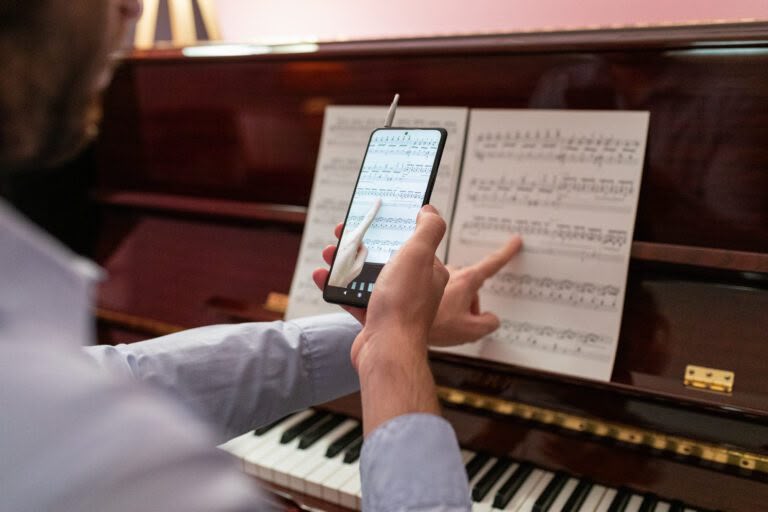
When you play the piano, your brain is fully engaged. Unlike many other activities, piano playing requires:
Reading music
Coordinating both hands
Listening carefully
Maintaining rhythm
This combination activates both the left and right sides of the brain, improving overall brain function.
What Happens to Your Brain When You Learn Piano in Daily Practice
One of the most important things that happens to your brain when you learn piano is the creation of strong neural pathways.
Piano practice:
Builds new connections between brain cells
Improves communication between different brain regions
Enhances learning speed
The more you practice, the stronger these connections become.
Improved Memory and Focus
Learning piano requires constant memory use.
You need to:
Remember notes and patterns
Recall rhythm and timing
Memorize entire pieces
This improves both short-term and long-term memory, along with better concentration.
Why Your Brain Improves When You Learn Piano
Another key benefit of what happens to your brain when you learn piano is improved coordination.
Piano playing strengthens:
Hand-eye coordination
Finger independence
Motor control
This helps not just in music, but in daily activities as well.
Enhanced Listening Skills
When you learn piano, your brain becomes more sensitive to sound.
You start to:
Recognize pitch differences
Detect mistakes quickly
Understand musical patterns
This improves your overall auditory processing ability.
Increased Creativity
Music encourages creative thinking.
Learning piano:
Stimulates imagination
Encourages improvisation
Enhances emotional expression
Your brain becomes more flexible and creative over time.
Emotional and Mental Benefits
Playing piano has a strong impact on emotional health.
It helps:
Reduce stress
Improve mood
Increase confidence
This is because music releases dopamine, which makes you feel happy and relaxed.
Improved Multitasking Ability
Piano playing is one of the best multitasking exercises for the brain.
This ensures students experience both musical and cognitive growth.
👉 Explore more music courses at The Mystic Keys to start your piano journey with the right foundation.
Conclusion
So, what happens to your brain when you learn piano? It becomes stronger, faster, and more connected. From improved memory to better coordination and creativity, piano learning transforms your brain in powerful ways.
At The Mystic Keys, we believe: 👉 “Learning piano is training your brain for life.”
For more information and exciting resources about learning music, visit our website at The Mystic Keys. For more music content and exciting offers follow us on