The Science of Scary Sounds: Why Music Can Frighten Us
The science of scary sounds explains why certain noises, and even musical passages, can make our hearts race, our skin prickle, and our attention snap to high alert. From the instantaneous jolt of a movie jump-scare to the long-lasting unease created by dissonant film music, frightening sound design relies on acoustic, neurological, and evolutionary mechanisms that our brains interpret as danger. Understanding these mechanisms helps musicians, composers, educators — and curious listeners — recognise how sound affects emotion and behaviour.
At The Mystic Keys, we aim to make scientific ideas accessible to musicians. This article unpacks the core findings behind scary sounds (including screams, alarms, and “scream-like” musical features), explains why composers borrow these acoustic cues, and suggests how you as a musician can use—or avoid—these elements intentionally.

1. What the Science Says: Roughness and the Human Scream
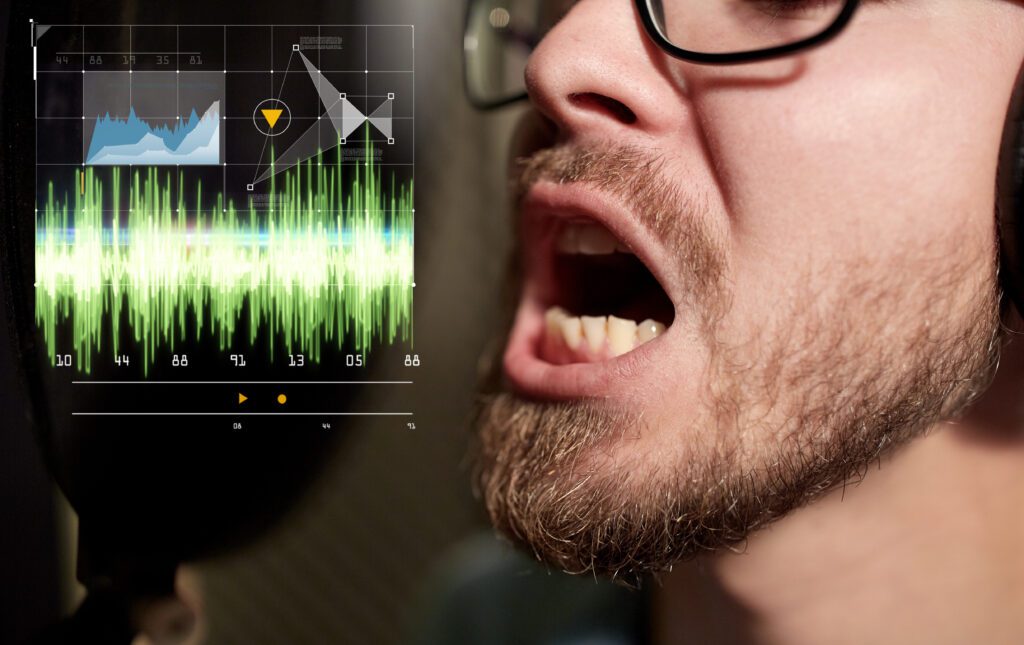
One of the most robust findings in the field is that human screams and many alarming artificial sounds share a specific acoustic quality called roughness. Roughness refers to extremely rapid fluctuations in amplitude (loudness) that occur at rates much faster than normal speech. Research by Arnal and colleagues demonstrated that screams occupy a privileged acoustic niche and are processed in a way that rapidly engages the brain’s fear circuitry.
Practical takeaway:
- Sounds with pronounced roughness (including some sirens and car alarms) are especially effective at grabbing attention and triggering physiological arousal. Composers imitate roughness to elicit a visceral reaction in listeners.

2. Evolutionary Roots: Why We React Quickly to Certain Sounds
Our ancestors benefited from immediate detection of danger: a rustle in the leaves, a growl, or a sudden alarm call could mean life or death. The fast auditory processing and startle reflex that remain in humans are evolutionary legacies. The startle response — a rapid, involuntary reaction to sudden stimuli — is well documented and underpins many fear reactions to sound. Studies show that startle responses are strong across ages and contexts, signifying deep biological roots.
Practical takeaway:
- The human auditory system prioritises potential danger signals. Filmmakers and sound designers exploit this shortcut by embedding alarm-like features into their soundtracks to ensure immediate audience attention.
3. Film Music and the Scream-Like Trick: Mimicking Alarms Musically
Film composers often craft “scary” music by mimicking the acoustic features of alarm calls and screams. Research into film music shows that composers borrow roughness and other spectral characteristics to generate alarm-like tension. A 2020 acoustic analysis concluded that terrifying film music frequently imitates the acoustic roughness of human screams, explaining why certain soundtracks feel innately alarming.
Examples in practice:
- High-pitched, modulated clusters of notes that rapidly change amplitude and spectrum.
- Layered dissonance plus sudden dynamic swells that create unpredictability.
4. Dissonance, Uncertainty and Cultural Learning
While roughness and alarm cues have a biological basis, cultural learning also shapes how we perceive scary music. Dissonance (close, clashing intervals) tends to be listened to as tense or unpleasant in many Western contexts because of musical conventions. However, interpretations are not universal: different musical traditions may map tension and resolution differently.
Practical takeaway:
- Composers combine biologically driven cues (like roughness) with culturally learned devices (dissonance, unexpected chord changes) to strengthen the emotional effect.
5. Psychoacoustics: Which Acoustic Features Trigger Fear?
Beyond roughness, several acoustic features influence fear responses:
- Abrupt onsets (sudden loud sounds) that elicit an immediate startle.
- Unresolved dissonance or harmonic instability that creates continuous tension.
- Atypical spectral content such as inharmonic noise (e.g., the hiss or scrape of metal).
- Unpredictability and irregular timing, which prevents habituation and keeps attention high.
Practical takeaway:
- When designing scary passages, unpredictability and a mixture of alarm-like roughness with dissonance are especially effective.
6. Why Some Music Feels “Creepy” Even Without Screams
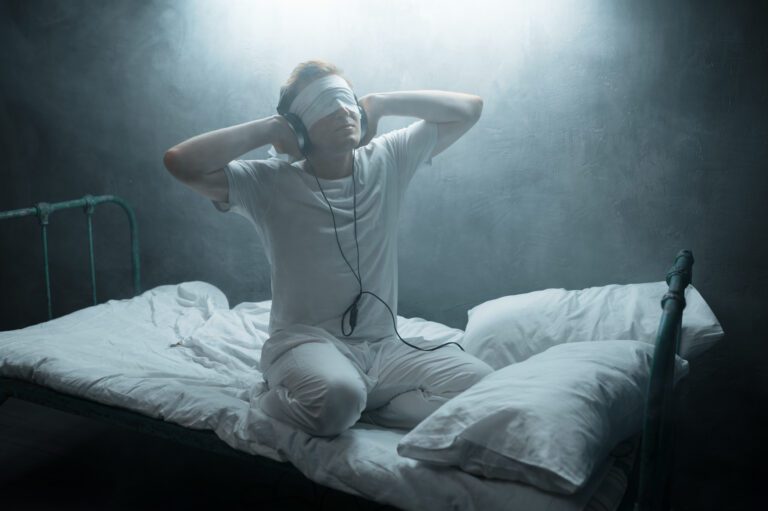
Not all fear-inducing music contains scream-like features. Minimalist textures, sparse arrangements, and stretched harmonies can create an anticipatory unease. Silence or near-silence preceding a sound can also amplify fear because the nervous system enters a hypervigilant state. Filmmakers use these techniques to make ordinary noises feel monumental.
Practical takeaway:
- Control of silence and timing is as important as the sound itself. The space around a sound can be weaponised to increase perceived danger.
7. Examples from Film and Media (and Why They Work)
- Psycho (Bernard Herrmann) — relentless string ostinatos create high tension through repeating dissonant figures and sudden dynamic shifts.
- The Exorcist / modern horror sound design — low rumbling drones combined with sudden high-frequency shrieks (roughness) create both subsonic discomfort and acute alarm.
- Electronic horror scores — synthetic textures that mimic inharmonic noise and roughness to produce unnatural timbres.
Each example pairs evolutionary cues (startle, roughness) with musical craft (dissonance, dynamics) to magnify fear.
8. Ethical Considerations and Audience Sensitivity
Because certain sounds tap directly into fear circuitry, using them without warning (e.g., in public settings or vulnerable populations) can cause distress. Sound designers and educators should consider consent and context. For example, warning signs before a performance and content notes in online posts are simple protective measures.
Practical takeaway:
- Always inform audiences if sound content may be startling. In teaching, give students the option to opt out of intense demonstrations.
Conclusion
The science of scary sounds demonstrates that fear in music is neither magic nor accident: it blends deep-rooted biological mechanisms (roughness and startle circuitry) with cultural and compositional devices (dissonance, timing, unpredictability). For musicians and educators at The Mystic Keys, this knowledge is empowering — it allows us to craft emotion with intention, teach students how sound affects listeners, and use these tools ethically.
If you’d like, The Mystic Keys can provide a workshop or lesson module that explores fear-inducing sounds safely, with hands-on demonstrations and discussion. Understanding the mechanics removes mystery — and enables creative, responsible use of powerful sonic tools.
Intersted in learning music with us? Register now
For more information and exciting resources about learning music, visit our website at The Mystic Keys. For more music content and exciting offers follow us on
Facebook, Instagram, YouTube, LinkedIn, Twitter, Pinterest, and Threads.